
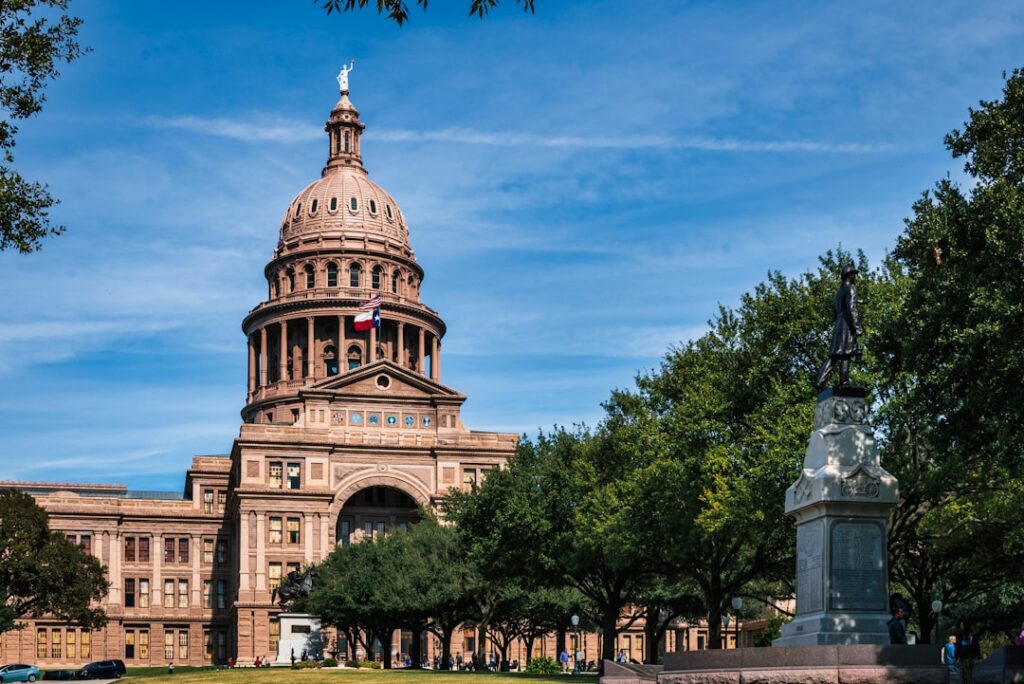
Public administration is a multifaceted discipline that encompasses the implementation of government policy, the management of public programs, and the oversight of public resources. It serves as the backbone of governmental operations, ensuring that the machinery of state functions effectively and efficiently. The field draws from various academic disciplines, including political science, sociology, economics, and management, creating a rich tapestry of knowledge that informs practice.
Public administrators are tasked with translating political decisions into actionable programs, managing public resources, and ensuring that services are delivered to citizens in a manner that is equitable and just. The significance of public administration extends beyond mere bureaucratic function; it is a critical component of democratic governance. Effective public administration fosters transparency, accountability, and responsiveness within government institutions.
It plays a vital role in shaping the relationship between citizens and their government, influencing how policies are developed and implemented. As societies evolve and face new challenges—such as globalization, technological advancements, and social inequality—the role of public administration becomes increasingly complex and essential. Understanding this field is crucial for anyone interested in the workings of government and the delivery of public services.
Key Takeaways
- Public administration is the implementation of government policies and the management of public programs and services.
- Politics plays a significant role in public administration, influencing decision-making and policy implementation.
- Theories and models of public administration provide frameworks for understanding and improving administrative processes.
- Political factors have a strong influence on public policy, shaping the priorities and direction of government actions.
- Bureaucracy holds significant political power and can impact the implementation of public policies.
The Role of Politics in Public Administration
Politics is inextricably linked to public administration, as it provides the framework within which public policies are formulated and executed. Political ideologies shape the priorities of government, influencing which issues receive attention and resources. For instance, a government led by a progressive party may prioritize social welfare programs, while a conservative administration might focus on tax cuts and deregulation.
This ideological divide not only affects policy outcomes but also determines the administrative strategies employed to achieve these goals. Public administrators must navigate this political landscape, balancing the demands of elected officials with the needs of the public. Moreover, the relationship between politics and public administration is characterized by a dynamic interplay.
Elected officials rely on public administrators to implement their policy agendas, while administrators often provide critical insights that inform political decision-making. This symbiotic relationship can lead to tension; for example, when political leaders push for rapid implementation of policies without adequate resources or planning, it can strain administrative capacities. Conversely, public administrators may resist political directives if they perceive them as misaligned with ethical standards or public interest.
This complex interaction underscores the necessity for public administrators to possess not only technical skills but also political acumen.
Theories and Models of Public Administration

The study of public administration has given rise to various theories and models that seek to explain how government operates and how public services can be delivered more effectively. Classical theories, such as Max Weber’s bureaucratic model, emphasize the importance of a structured hierarchy and clear rules in ensuring efficiency and accountability within government organizations. Weber argued that bureaucracy is essential for managing large organizations, as it provides a systematic approach to decision-making and resource allocation.
His model highlights the need for specialization and division of labor, which can enhance productivity in public administration. In contrast to classical theories, contemporary models such as New Public Management (NPM) advocate for a more market-oriented approach to public administration. NPM emphasizes efficiency, effectiveness, and customer service by incorporating private sector practices into public service delivery.
This shift has led to the adoption of performance metrics, competition among service providers, and an emphasis on results-oriented governance. While NPM has been praised for its focus on accountability and responsiveness, critics argue that it can undermine the core values of public service by prioritizing efficiency over equity. The ongoing debate between these theoretical frameworks reflects the evolving nature of public administration in response to changing societal needs.
The Influence of Political Factors on Public Policy
Political factors play a crucial role in shaping public policy decisions at all levels of government. The political environment—including party dynamics, interest group influence, and public opinion—can significantly impact which policies are prioritized and how they are implemented.
The interplay between electoral politics and policy-making often results in compromises that reflect the interests of various stakeholders rather than a singular vision for governance.
These groups represent diverse constituencies—ranging from business interests to environmental organizations—and seek to shape policy outcomes in ways that align with their goals.
For instance, environmental advocacy groups may lobby for stricter regulations on carbon emissions, while industry representatives may push back against such measures citing economic concerns. The negotiation between these competing interests illustrates how political factors can complicate the policy-making process, often leading to outcomes that reflect a balance of power rather than a clear mandate from the electorate.
Bureaucracy and Political Power
Bureaucracy serves as the operational arm of government, tasked with implementing policies and delivering services to the public. However, it is also a site of political power where decisions are made that can have far-reaching implications for society. Bureaucrats wield significant influence over policy implementation; their expertise and discretion can shape how laws are interpreted and enforced.
This power dynamic raises important questions about accountability and transparency within bureaucratic institutions. The relationship between bureaucracy and political power is often characterized by tension. Elected officials may seek to exert control over bureaucratic agencies to ensure alignment with their policy objectives, while bureaucrats may resist such efforts if they perceive them as encroaching on their professional autonomy or undermining ethical standards.
For example, during times of crisis—such as natural disasters or public health emergencies—bureaucratic agencies may be called upon to act swiftly in response to urgent needs. In such situations, the balance of power can shift dramatically as bureaucrats take on leadership roles in coordinating responses while navigating political pressures from elected officials seeking to manage public perception.
The Challenges of Political Accountability in Public Administration

Political accountability is a cornerstone of democratic governance; it ensures that elected officials and public administrators are held responsible for their actions and decisions. However, achieving accountability within public administration presents numerous challenges. One significant issue is the complexity of government structures, which can obscure lines of responsibility and make it difficult for citizens to identify who is accountable for specific outcomes.
This complexity can lead to a lack of transparency, eroding public trust in government institutions. Moreover, the politicization of public administration can further complicate accountability efforts. When bureaucrats are perceived as acting in alignment with partisan interests rather than serving the public good, it undermines their legitimacy and authority.
For instance, if a regulatory agency is seen as favoring certain industries due to political connections or lobbying efforts, it can lead to widespread skepticism about its ability to act impartially. To address these challenges, mechanisms such as independent oversight bodies, whistleblower protections, and robust transparency initiatives are essential in fostering an environment where accountability is prioritized.
The Ethics of Political Engagement in Public Administration
The intersection of politics and public administration raises important ethical considerations for those working within this field. Public administrators must navigate a landscape where political pressures can conflict with ethical obligations to serve the public interest. The challenge lies in maintaining integrity while fulfilling their roles as implementers of government policy.
Ethical dilemmas often arise when administrators are faced with directives from elected officials that may not align with their professional judgment or ethical standards. For example, consider a scenario where a public administrator is instructed to expedite permits for a development project that could have negative environmental impacts. The administrator must weigh their obligation to follow orders against their responsibility to protect community interests and uphold environmental regulations.
In such cases, ethical frameworks—such as those provided by professional associations—can guide decision-making processes by emphasizing principles like fairness, transparency, and accountability. Ultimately, fostering an ethical culture within public administration is essential for building trust with citizens and ensuring that government actions reflect democratic values.
Navigating the Intersection of Politics and Public Administration
The relationship between politics and public administration is intricate and multifaceted, characterized by both collaboration and conflict. As public administrators work to implement policies shaped by political forces, they must navigate a complex landscape marked by competing interests and ethical dilemmas. Understanding this intersection is crucial for anyone engaged in or studying governance.
The challenges posed by political accountability, bureaucratic power dynamics, and ethical considerations underscore the need for ongoing dialogue about best practices in public administration. As societies continue to evolve and face new challenges—such as climate change, social justice movements, and technological advancements—the role of public administration will remain vital in shaping effective governance that serves all citizens equitably. By fostering an environment where ethical standards are upheld and accountability mechanisms are robustly implemented, public administrators can contribute to a more transparent and responsive government that meets the needs of its constituents.
If you are interested in exploring more about the intersection of politics and public administration, you may want to check out the article “Hello World” on Hellread.com. This article delves into the complexities of global governance and the role of technology in shaping political landscapes. It offers a fresh perspective on how public administration can adapt to the ever-changing dynamics of the modern world. To read more, click here.
FAQs
What is public administration?
Public administration is the implementation of government policies and the management of public programs and services. It involves the organization and coordination of public agencies and the allocation of resources to achieve the goals of the government.
What are the politics of public administration?
The politics of public administration refers to the influence of political factors on the decision-making and operations of public agencies. This includes the impact of political leaders, interest groups, and public opinion on the policies and practices of public administration.
What are some key concepts in the politics of public administration?
Key concepts in the politics of public administration include bureaucratic politics, the role of public administrators in policy implementation, the influence of political appointees on agency decision-making, and the relationship between public administration and democratic governance.
How do political factors influence public administration?
Political factors can influence public administration through the appointment of agency leaders, the allocation of resources, the setting of policy priorities, and the oversight and accountability of public agencies. Political dynamics can also shape the organizational culture and behavior of public administrators.
What are some challenges in navigating the politics of public administration?
Challenges in navigating the politics of public administration include balancing political demands with administrative expertise, managing conflicts of interest, maintaining accountability and transparency, and upholding ethical standards in decision-making and operations. Public administrators must also navigate the complexities of working within a democratic system with competing interests and values.




