
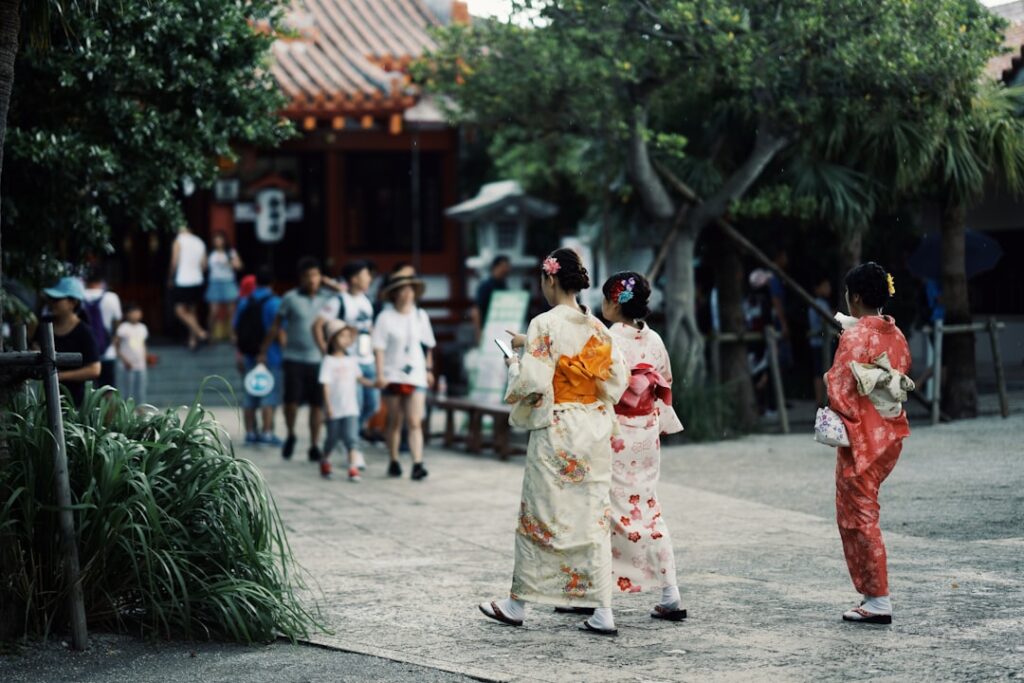
Sayo Masuda’s “The Autobiography of a Geisha” offers a rare and intimate glimpse into the life of a geisha, a profession often shrouded in mystery and romanticized in popular culture. Unlike fictional portrayals, Masuda’s memoir provides a candid account of her experiences, challenges, and the cultural significance of the geisha tradition in Japan. Through her narrative, readers are transported to a world where art, beauty, and social interaction intertwine, revealing the complexities of a life dedicated to the performance of femininity and grace.
Masuda’s work stands as a testament to the resilience of women in a patriarchal society, showcasing not only the allure of the geisha lifestyle but also the sacrifices and struggles that accompany it. The memoir is not merely a personal story; it serves as a cultural artifact that captures the essence of a bygone era. Masuda’s reflections on her life as a geisha are interspersed with historical context, providing insight into the societal norms and expectations that shaped her experiences.
The book invites readers to explore the nuances of geisha culture, challenging preconceived notions while highlighting the artistry and discipline that define this unique profession. As such, “The Autobiography of a Geisha” is both an individual narrative and a broader commentary on gender, tradition, and the evolution of Japanese society.
Key Takeaways
- Sayo Masuda’s autobiography provides a rare and intimate glimpse into the world of geishas, offering a unique perspective on their training, lifestyle, and challenges.
- Masuda’s early life was marked by poverty and hardship, leading her to enter the geisha world at a young age as a way to support her family.
- The training of a geisha is rigorous and demanding, involving lessons in traditional arts, music, dance, and etiquette, as well as strict rules and expectations for behavior and appearance.
- Geisha culture is steeped in tradition and ritual, with intricate customs and practices governing interactions with clients, as well as the hierarchy and relationships among geishas themselves.
- Masuda’s experiences as a geisha were marked by both moments of joy and fulfillment, as well as significant challenges and hardships, including exploitation and abuse.
Syo Masuda’s Early Life and Entry into the Geisha World
Sayo Masuda was born in 1926 in the small town of Kōfu, located in Yamanashi Prefecture. Her early life was marked by hardship; her family faced financial difficulties that ultimately led to her decision to enter the world of geisha. At the tender age of fifteen, Masuda was sent to Kyoto, where she began her training at a geisha house.
This transition from a rural upbringing to the bustling streets of Kyoto was both daunting and exhilarating. The vibrant city was a stark contrast to her previous life, filled with the sounds of shamisen music and the sight of elegantly dressed women gliding through the streets. Masuda’s entry into the geisha world was not merely a career choice but rather a necessity driven by her family’s economic situation.
The decision to become a geisha was laden with societal expectations; it was seen as an opportunity for young women to gain financial independence while also contributing to their families. However, this path was fraught with challenges. Masuda had to navigate the rigorous training process that awaited her, which would demand not only physical endurance but also emotional resilience.
The initial days in Kyoto were filled with uncertainty as she grappled with her new identity and the expectations placed upon her.
The Training and Lifestyle of a Geisha
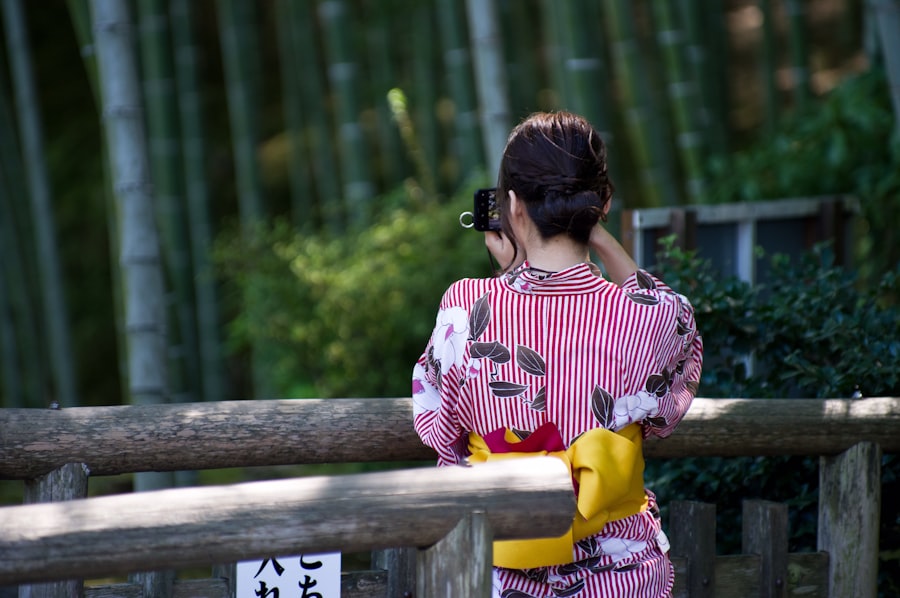
The training process for a geisha is notoriously demanding, requiring years of dedication and discipline. Masuda’s training began with mastering traditional Japanese arts such as dance, music, and tea ceremony. Each skill was meticulously honed under the watchful eyes of experienced mentors who instilled in her the importance of poise, grace, and subtlety.
The rigorous schedule often left little room for personal time, as young trainees were expected to practice tirelessly to perfect their craft. This commitment to excellence is what distinguishes geishas from other performers; they are not merely entertainers but custodians of an ancient cultural heritage. The lifestyle of a geisha is equally complex.
Contrary to popular belief, being a geisha is not synonymous with being a courtesan; rather, it is an art form that emphasizes companionship and entertainment. Masuda describes her daily routine, which included preparing for evening engagements where she would entertain clients through conversation, games, and performances. The atmosphere in which she worked was often charged with social dynamics, where subtlety and nuance played crucial roles in interactions.
The geisha’s ability to engage clients while maintaining an air of mystery was essential to her success. This delicate balance required not only skill but also an acute understanding of human emotions and social cues.
The Intricacies of Geisha Culture and Traditions
Geisha culture is steeped in rich traditions that have evolved over centuries. At its core lies an intricate system of rituals and customs that govern every aspect of a geisha’s life. From the elaborate kimono worn during performances to the specific hairstyles adorned with seasonal hairpieces, each detail is imbued with meaning and significance.
Masuda’s memoir delves into these traditions, illustrating how they serve as both a form of artistic expression and a means of preserving cultural identity. One notable aspect of geisha culture is the concept of “kawaii,” or cuteness, which permeates their aesthetic choices and interactions. This cultural ideal emphasizes gracefulness and charm, traits that are cultivated through years of training.
Masuda reflects on how these ideals shaped her own self-perception and influenced her relationships with clients. The emphasis on beauty extends beyond physical appearance; it encompasses behavior, speech, and even the way one carries oneself in public. This multifaceted approach to femininity creates an environment where women are celebrated for their artistry while simultaneously navigating societal expectations.
Sayo Masuda’s Experiences and Challenges as a Geisha
Throughout her memoir, Sayo Masuda candidly recounts both the joys and tribulations she faced as a geisha. While there were moments of glamour—such as performing at prestigious events or receiving compliments from clients—there were also significant challenges that tested her resolve. One recurring theme in her narrative is the pressure to conform to societal standards while maintaining individuality.
Masuda often found herself torn between her desire for personal expression and the expectations imposed by her profession. The emotional toll of this duality became evident during her interactions with clients. While many clients appreciated her artistry and companionship, others viewed geishas through a lens of objectification.
Masuda describes instances where she felt reduced to mere entertainment rather than being recognized for her talents and intellect. This struggle for agency within a patriarchal framework highlights the complexities faced by women in traditional roles. Despite these challenges, Masuda’s resilience shines through as she navigates the intricacies of her profession while striving to maintain her sense of self.
The Relationships and Interactions Among Geishas and Clients
The Pursuit of Companionship
Clients often seek companionship rather than physical intimacy, which means that interactions between geishas and clients are rooted in conversation, shared experiences, and emotional connection. This pursuit of companionship adds a layer of complexity to the relationships, as geishas must navigate the fine line between providing emotional support and maintaining professional boundaries.
The Rewards and Challenges of Geisha-Client Relationships
Masuda’s narrative highlights the dual nature of these relationships. On one hand, she formed deep bonds with clients who appreciated her artistry and personality, leading to rewarding and fulfilling interactions. On the other hand, she encountered instances of possessive or demanding behavior from clients, which posed significant challenges to her profession.
The Hierarchical Nature of Geisha Culture
The complexity of geisha-client relationships is further compounded by the hierarchical nature of geisha culture, where seniority plays a significant role in shaping interactions among geishas themselves as well as with clients. This hierarchical structure adds an additional layer of nuance to the relationships, as geishas must navigate the intricacies of their own social hierarchy while also maintaining professional relationships with their clients.
The Impact of World War II on Geisha Culture
World War II had profound implications for Japanese society, including significant repercussions for geisha culture. As Masuda recounts in her memoir, the war disrupted traditional social structures and altered the landscape in which geishas operated. With many men conscripted into military service, the demand for entertainment shifted dramatically.
Geishas found themselves navigating an uncertain environment where their roles were challenged by changing societal norms. During this tumultuous period, some geishas adapted by taking on new roles or diversifying their skills to meet evolving demands. However, many faced hardships as economic instability took hold.
Masuda reflects on how these changes affected not only their livelihoods but also their identities as artists within a culture that had long revered them. The war marked a turning point for geishas; it forced them to confront their place in society amidst shifting values and priorities.
Sayo Masuda’s Transition Out of the Geisha World
As Sayo Masuda transitioned out of the geisha world, she faced both liberation and uncertainty. Leaving behind the structured environment of geisha life meant stepping into an unfamiliar realm where she had to redefine herself outside of her established identity. This transition was not without its challenges; Masuda grappled with feelings of loss as she bid farewell to a life that had shaped her for nearly two decades.
Masuda’s journey toward independence involved exploring new opportunities beyond traditional expectations for women in post-war Japan. She sought education and employment in fields that allowed her to utilize her skills while embracing newfound freedom. This shift reflects broader societal changes occurring during this period as women began to assert their rights and pursue careers outside conventional roles.
Masuda’s story serves as an emblematic representation of this transformation—a testament to resilience amid change.
The Reception and Controversy Surrounding The Autobiography of a Geisha
Upon its release, “The Autobiography of a Geisha” garnered significant attention both within Japan and internationally. Critics praised Masuda’s candid portrayal of geisha life, appreciating its authenticity compared to fictional representations prevalent in popular media. However, some controversy arose regarding perceptions surrounding authenticity versus sensationalism in memoirs about marginalized communities.
Critics argued that while Masuda’s account provided valuable insights into geisha culture, it also risked perpetuating stereotypes associated with exoticism or fetishization often found in Western narratives about Japan. This tension highlights ongoing debates about representation—who gets to tell these stories? And how do cultural narratives shape perceptions?
Despite these controversies surrounding its reception, Masuda’s memoir remains an essential contribution to understanding both individual experiences within geisha culture as well as broader societal dynamics at play.
The Legacy of Sayo Masuda and Her Memoir
Sayo Masuda’s legacy extends beyond her personal narrative; it encompasses contributions made toward preserving traditional Japanese arts while advocating for women’s rights within society. Her memoir serves as an important historical document that sheds light on aspects often overlooked or romanticized in mainstream portrayals of geishas. Through her writing, Masuda has inspired subsequent generations—both women seeking empowerment through artistic expression and scholars examining intersections between gender roles within cultural contexts.
Her story resonates with those navigating similar struggles across different cultures today—highlighting universal themes such as resilience amid adversity or redefining identity against societal expectations.
The Continued Fascination with Geisha Culture and its Representation in Popular Culture
The allure surrounding geisha culture persists in contemporary society—captivating audiences through various forms including literature, film, fashion trends, art exhibitions among others. Popular representations often oscillate between romanticized depictions emphasizing beauty or mystique versus critical examinations questioning authenticity behind these portrayals. Films like “Memoirs of a Geisha” have sparked renewed interest but also raised concerns regarding accuracy versus sensationalism—prompting discussions about cultural appropriation versus appreciation within artistic expressions related to marginalized communities’ narratives.
As society continues grappling with issues surrounding representation—whether through media portrayals or personal narratives like those shared by Sayo Masuda—the fascination with geisha culture remains an enduring testament not only to its artistic richness but also its complexities woven into broader conversations about gender dynamics across cultures today.
If you enjoyed reading The Autobiography of a Geisha by Sayo Masuda, you may also be interested in checking out this article on hellread.com that discusses the portrayal of geishas in literature and popular culture. This article delves into the historical context of geishas and how their stories have been romanticized and sensationalized over the years. It provides a thought-provoking analysis that complements the themes explored in Masuda’s autobiography.
FAQs
What is “The Autobiography of a Geisha” by Sayo Masuda about?
“The Autobiography of a Geisha” is a memoir written by Sayo Masuda, a former geisha in Japan. The book provides a firsthand account of her experiences working as a geisha, including the challenges and hardships she faced in the profession.
When was “The Autobiography of a Geisha” published?
“The Autobiography of a Geisha” was first published in 1957 in Japan. It has since been translated into multiple languages and gained international recognition.
Is “The Autobiography of a Geisha” a true story?
Yes, “The Autobiography of a Geisha” is a true story. Sayo Masuda wrote the memoir to share her personal experiences and provide insight into the life of a geisha in Japan during the mid-20th century.
What themes are explored in “The Autobiography of a Geisha”?
The book explores themes such as the traditional role of geishas in Japanese society, the challenges faced by women in the profession, and the personal struggles and triumphs of Sayo Masuda as she navigates her life as a geisha.
How has “The Autobiography of a Geisha” been received by readers and critics?
“The Autobiography of a Geisha” has been well-received by readers and critics alike. It has been praised for its candid portrayal of the geisha world and its impact on shedding light on the often misunderstood profession.




