

The phenomenon known as “The Facebook Effect” encapsulates the profound influence that the social media platform has had on communication, social interaction, and even political landscapes since its inception. Launched in 2004 by Mark Zuckerberg and his college roommates, Facebook has evolved from a simple networking site for Harvard students into a global behemoth with billions of users. This transformation has not only altered the way individuals connect with one another but has also reshaped entire industries, including marketing, journalism, and even politics.
The Facebook Effect is characterized by its ability to foster connections across vast distances, create communities around shared interests, and facilitate the rapid dissemination of information. As Facebook continues to grow and adapt, its impact on society becomes increasingly complex. The platform has been instrumental in bridging gaps between people from diverse backgrounds, allowing for the exchange of ideas and cultural experiences.
However, this connectivity comes with its own set of challenges, including issues related to privacy, misinformation, and mental health. Understanding The Facebook Effect requires a nuanced examination of both its positive contributions and the darker implications of its widespread use. This article will delve into the rise of Facebook, its societal impact, the business model that supports it, the personalities behind its creation, and the controversies that have emerged in its wake.
Key Takeaways
- Facebook has had a significant impact on society, business, and personal relationships since its rise to prominence.
- The founders and key personalities behind Facebook have played a crucial role in shaping the platform and its impact on the world.
- Facebook’s business model and strategies have contributed to its success and influence in the digital age.
- Despite its success, Facebook has faced criticisms and controversies related to privacy, misinformation, and its impact on mental health.
- The future of Facebook remains uncertain, as it continues to evolve and adapt to changing societal and technological trends.
The Rise of Facebook
Facebook’s ascent to prominence began in a college dorm room at Harvard University, where Mark Zuckerberg launched “Thefacebook” as a social networking site for students. Initially limited to Harvard students, the platform quickly expanded to other Ivy League schools and eventually to universities across the United States and Canada. By 2006, Facebook opened its doors to anyone over the age of 13 with a valid email address, marking a pivotal moment in its growth trajectory.
This decision catalyzed an explosion in user registration, propelling Facebook into the mainstream and setting the stage for its eventual dominance in the social media landscape. The platform’s user-friendly interface and innovative features, such as the News Feed and the ability to share photos and status updates, contributed significantly to its rapid adoption. Unlike other social networks of the time, Facebook emphasized real-life connections, encouraging users to connect with friends and family rather than anonymous acquaintances.
This focus on authenticity resonated with users, leading to a sense of community that was previously absent in online interactions. As more people joined the platform, it became a virtual gathering place where individuals could share their lives, thoughts, and experiences in real-time.
The Impact of Facebook on Society

Facebook’s impact on society is multifaceted, influencing everything from personal relationships to global movements. On an individual level, the platform has transformed how people communicate. Friends and family members can stay connected regardless of geographical barriers, sharing life updates through posts, photos, and videos.
This connectivity has fostered a sense of belonging for many users who may feel isolated in their offline lives. Moreover, Facebook has become a vital tool for organizing events and coordinating group activities, further enhancing social bonds. Beyond personal relationships, Facebook has played a significant role in shaping public discourse and mobilizing social movements.
The platform has been instrumental in raising awareness about critical issues such as climate change, racial injustice, and political corruption. For instance, movements like Black Lives Matter gained momentum through grassroots organizing on Facebook, allowing activists to reach a broader audience and galvanize support. The Arab Spring is another notable example where Facebook served as a catalyst for political change; activists used the platform to coordinate protests and share information about government actions in real-time.
However, this power to influence public opinion also raises concerns about misinformation and echo chambers. The rapid spread of false information on Facebook has led to significant societal consequences, including polarization and distrust in traditional media sources. Users often find themselves in bubbles where they are only exposed to viewpoints that align with their own beliefs, further entrenching divisions within society.
This duality of connection and division underscores the complexity of The Facebook Effect.
The Business of Facebook
Facebook’s business model is primarily driven by advertising revenue, which accounts for the vast majority of its income. The platform collects extensive data on user behavior, preferences, and demographics, allowing advertisers to target specific audiences with remarkable precision. This capability has made Facebook an attractive option for businesses looking to reach potential customers effectively.
Companies can create tailored ads that appear in users’ News Feeds based on their interests and online activity, resulting in higher engagement rates compared to traditional advertising methods. In addition to advertising, Facebook has diversified its revenue streams through various acquisitions and product offerings. The purchase of Instagram in 2012 and WhatsApp in 2014 expanded Facebook’s reach into different segments of social media and messaging services.
These acquisitions not only increased user engagement but also provided additional avenues for monetization through advertising and business tools. Furthermore, Facebook has ventured into virtual reality with its acquisition of Oculus VR, signaling an interest in emerging technologies that could shape future interactions. Despite its financial success, Facebook’s business practices have come under scrutiny.
High-profile incidents like the Cambridge Analytica scandal highlighted how user data could be exploited for political gain without consent. As regulatory bodies around the world begin to impose stricter guidelines on data usage and privacy protections, Facebook faces challenges in maintaining its business model while addressing these concerns.
The Personalities Behind Facebook
The story of Facebook is intrinsically linked to its co-founder Mark Zuckerberg, whose vision and leadership have been pivotal in shaping the platform’s trajectory. Zuckerberg’s journey began as a college student with a passion for programming; he created Facebook as a means for students to connect more easily. His relentless drive for innovation has propelled Facebook from a simple networking site to one of the most influential companies globally.
However, his leadership style has often been characterized by a focus on growth at all costs, leading to criticisms regarding ethical considerations. Other key figures in Facebook’s history include Sheryl Sandberg, who joined the company as Chief Operating Officer in 2008. Sandberg played a crucial role in developing Facebook’s advertising strategy and scaling its business operations.
Her book “Lean In” sparked conversations about women in leadership roles and work-life balance but also drew criticism for oversimplifying complex issues related to gender equality in the workplace. Together with Zuckerberg, Sandberg has been instrumental in navigating the challenges that come with managing a rapidly growing tech giant. Additionally, other early team members like Eduardo Saverin and Andrew McCollum contributed significantly to Facebook’s development during its formative years.
Saverin’s expertise in finance helped secure initial funding for the company, while McCollum played a vital role in designing the platform’s early interface. Each individual’s contributions reflect a blend of technical skill and entrepreneurial spirit that has defined Facebook’s evolution.
The Future of Facebook
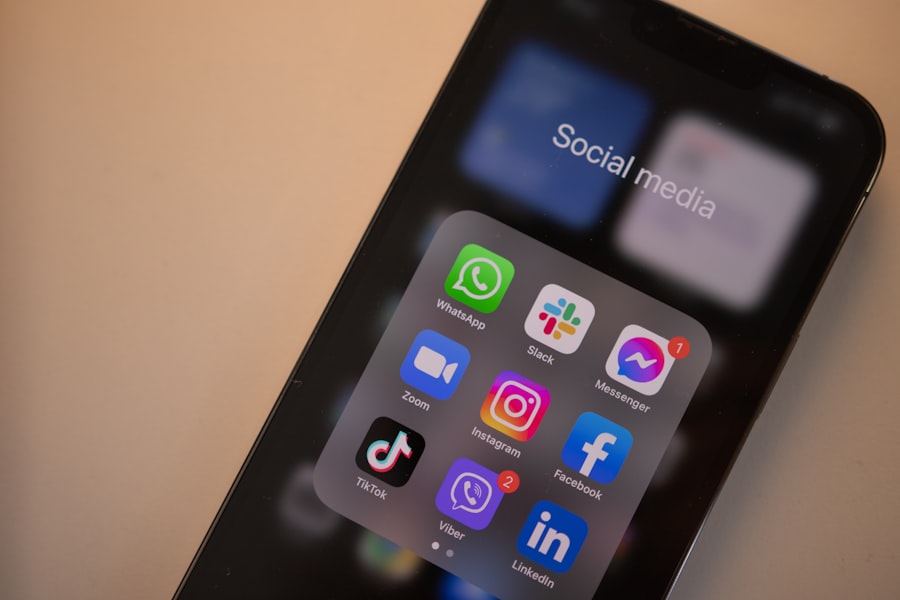
As we look toward the future of Facebook, several trends are emerging that could shape its trajectory in the coming years. One significant area of focus is the increasing importance of privacy and data protection. In response to growing concerns about user data security and privacy violations, Facebook has begun implementing changes aimed at enhancing transparency and user control over personal information.
These efforts may include more robust privacy settings and clearer communication regarding data usage policies. Another critical aspect of Facebook’s future lies in its exploration of virtual reality (VR) and augmented reality (AR). With the acquisition of Oculus VR, Facebook is positioning itself at the forefront of immersive technology experiences.
The potential applications for VR and AR within social media are vast; users could engage with friends in virtual environments or experience events from different perspectives. As technology continues to evolve, Facebook may leverage these innovations to create new forms of interaction that redefine social networking. Moreover, as competition intensifies from other platforms like TikTok and Snapchat, Facebook must adapt to changing user preferences among younger demographics who are increasingly gravitating toward more visual content formats.
This shift may prompt further innovation within Instagram and other subsidiaries as they seek to capture attention in an ever-crowded digital landscape.
Criticisms and Controversies Surrounding Facebook
Despite its many contributions to society and business, Facebook has faced significant criticisms and controversies throughout its history. One major area of concern is the platform’s role in spreading misinformation and fake news. During critical events such as elections or public health crises like the COVID-19 pandemic, false information can proliferate rapidly on social media platforms like Facebook.
This phenomenon raises questions about the responsibility that tech companies have in moderating content while balancing free speech rights. Another contentious issue is user privacy. High-profile incidents such as the Cambridge Analytica scandal revealed how user data could be harvested without consent for political advertising purposes.
This breach of trust led to widespread outrage among users and prompted calls for stricter regulations governing data privacy practices within tech companies. As governments around the world grapple with how best to regulate social media platforms, Facebook finds itself at the center of ongoing debates about ethical data usage. Additionally, concerns about mental health implications associated with excessive social media use have gained traction in recent years.
These findings have sparked discussions about how social media companies can promote healthier online environments while still engaging users effectively.
Conclusion and Reflections on The Facebook Effect
The impact of The Facebook Effect is undeniable; it has transformed how we communicate, interact socially, conduct business, and engage politically on a global scale. While it has fostered connections across distances and facilitated important social movements, it has also raised critical questions about privacy, misinformation, mental health implications, and ethical responsibilities within technology companies. As we navigate this complex landscape shaped by social media platforms like Facebook, it becomes increasingly essential to reflect on both their positive contributions and potential pitfalls.
Looking ahead at the future trajectory of Facebook reveals a landscape filled with opportunities for innovation alongside challenges that demand careful consideration from both users and regulators alike. As society continues adapting to rapid technological advancements brought forth by platforms like Facebook—whether through virtual reality experiences or enhanced privacy measures—the ongoing dialogue surrounding their influence will remain crucial in shaping our collective digital future.
If you’re interested in exploring more about the impact of social media on society, you may want to check out this article on


