

“Seven Years in Tibet” is a memoir penned by Heinrich Harrer, an Austrian mountaineer and explorer, chronicling his extraordinary experiences in Tibet during the late 1940s. The book, first published in 1953, offers a unique glimpse into a world that was largely unknown to the Western audience at the time. Harrer’s narrative is not merely a travelogue; it is a profound exploration of cultural exchange, personal transformation, and the spiritual awakening that can occur when one immerses themselves in a foreign land.
The memoir captures the essence of a period when Tibet was on the brink of monumental change, as it faced the encroaching influence of China. Harrer’s account is set against the backdrop of World War II, which serves as a catalyst for his journey. After escaping from a British internment camp in India, he embarks on a perilous trek into the heart of Tibet.
The memoir is rich with vivid descriptions of the breathtaking landscapes, the challenges of high-altitude climbing, and the warmth of Tibetan hospitality. It also delves into the philosophical and spiritual dimensions of Tibetan Buddhism, which profoundly impacted Harrer’s worldview. Through his eyes, readers are invited to witness not only the physical beauty of Tibet but also its deep-rooted traditions and beliefs.
Key Takeaways
- “Seven Years in Tibet” is a memoir by Heinrich Harrer, detailing his experiences in Tibet during the 1940s.
- Heinrich Harrer was an Austrian mountaineer and adventurer who escaped from a British internment camp in India and made his way to Tibet.
- Harrer’s journey to Tibet was filled with challenges, including crossing the Himalayas and navigating political tensions in the region.
- During his time in Tibet, Harrer immersed himself in the local culture, learning the language and customs of the Tibetan people.
- Harrer formed a close friendship with the Dalai Lama, serving as his tutor and advisor, and leaving a lasting impact on both of their lives.
The Life and Adventures of Heinrich Harrer
Early Expeditions and Turning Points
However, it was his participation in the 1938 expedition to Nanga Parbat in the Himalayas that would mark a significant turning point in his life. This expedition not only showcased his climbing prowess but also introduced him to the complexities of cultural interactions in remote regions.
War, Captivity, and Escape
Harrer’s life took a dramatic turn during World War II when he was captured by British forces in India while attempting to climb Nanga Parbat. He was interned in a camp but managed to escape with fellow prisoners. This act of defiance set him on a path toward Tibet, where he would spend seven transformative years.
A Life of Adventure and Connection in Tibet
His adventures were not limited to mountaineering; they included encounters with local tribes, navigating treacherous terrains, and ultimately forming deep connections with the Tibetan people. Harrer’s resilience and adaptability were tested repeatedly as he faced both natural and cultural challenges during his journey.
Harrer’s Journey to Tibet
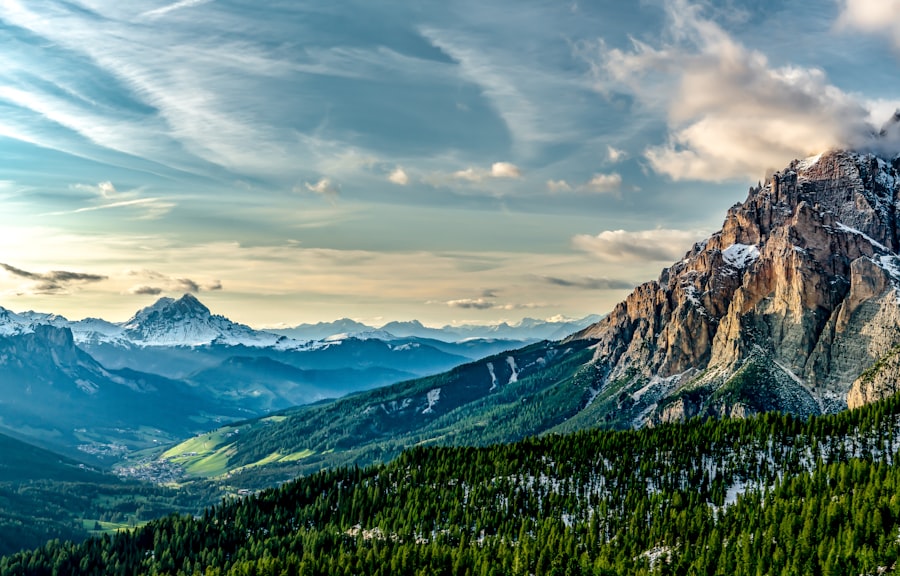
Harrer’s journey to Tibet began with his daring escape from the British internment camp in 1944. With little more than determination and a few supplies, he traversed the rugged terrain of the Himalayas, facing extreme weather conditions and physical exhaustion. The journey was fraught with danger; he had to navigate through hostile territories and avoid detection by British patrols.
His experience as a mountaineer proved invaluable as he climbed steep passes and crossed treacherous rivers. Upon reaching Tibet, Harrer was initially met with suspicion by the locals due to his foreign appearance. However, his knowledge of climbing and his respectful demeanor gradually won them over.
He was eventually welcomed into Lhasa, the capital city, where he found himself immersed in a culture that was both foreign and fascinating. The transition from an escapee to a respected guest was remarkable; it highlighted not only Harrer’s adaptability but also the openness of Tibetan society at that time. His journey was not just a physical one; it marked the beginning of a profound personal transformation as he began to embrace Tibetan customs and philosophies.
Cultural Immersion in Tibet
Once settled in Lhasa, Harrer experienced an unparalleled cultural immersion that would shape his understanding of life and spirituality. He became fascinated by Tibetan Buddhism, which permeated every aspect of daily life in Tibet. The rituals, festivals, and teachings of Buddhism captivated him, leading him to explore its philosophical underpinnings deeply.
He attended teachings by prominent lamas and engaged in discussions about karma, compassion, and enlightenment. Harrer’s interactions with the Tibetan people were equally enriching. He learned their language and customs, which allowed him to forge genuine connections with locals.
The warmth and hospitality extended to him were striking; he was often invited into homes where families shared meals and stories. This cultural exchange was reciprocal; while Harrer shared tales of his homeland and experiences as a mountaineer, he also absorbed the wisdom and traditions of Tibetan life. His observations about the simplicity and depth of Tibetan culture contrasted sharply with the complexities of Western society, prompting him to reflect on his values and beliefs.
Friendship with the Dalai Lama
One of the most significant relationships that developed during Harrer’s time in Tibet was with the young Dalai Lama, Tenzin Gyatso. At the time of their meeting, the Dalai Lama was just a teenager, yet he possessed an extraordinary depth of understanding and compassion that left a lasting impression on Harrer. Their friendship blossomed as they engaged in discussions about philosophy, spirituality, and governance.
Harrer became a mentor to the Dalai Lama in certain respects, sharing insights from his own experiences while also learning from the young leader’s perspective on life and leadership. This relationship transcended mere friendship; it became a profound exchange of ideas between two individuals from vastly different backgrounds. Harrer’s respect for Tibetan culture deepened through this bond, as he witnessed firsthand the Dalai Lama’s commitment to preserving Tibetan traditions amidst growing political pressures.
The friendship also provided Harrer with unique insights into the challenges facing Tibet at that time. As tensions escalated with China’s increasing influence over Tibet, their conversations often touched upon themes of identity, autonomy, and resilience. This relationship would later play a crucial role in shaping Harrer’s views on Tibet’s struggle for independence.
Escaping Tibet and the Aftermath
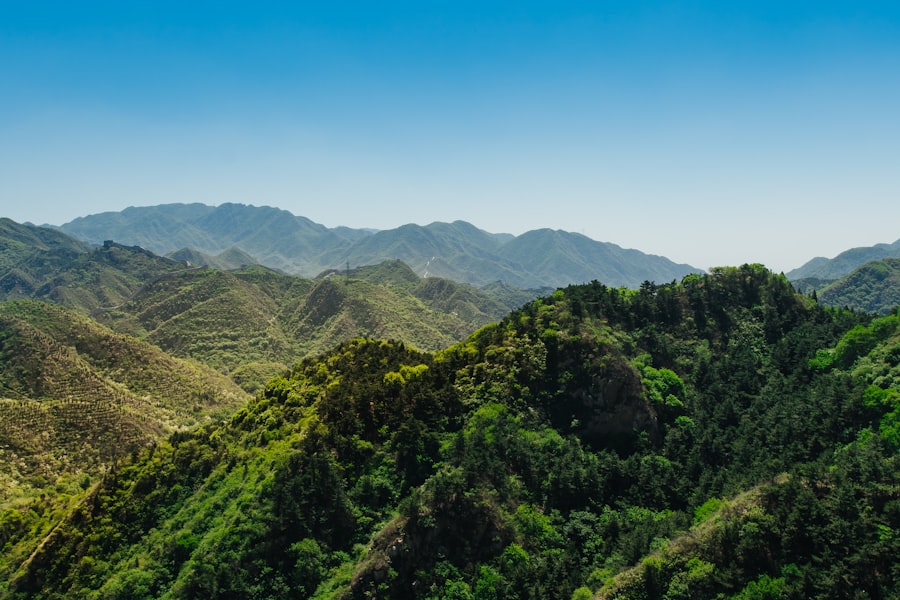
As political tensions escalated in Tibet during the late 1940s, Harrer faced new challenges that threatened his safety and freedom. In 1950, Chinese troops invaded Tibet, leading to significant upheaval within the region. The once peaceful landscape that Harrer had come to love was now fraught with uncertainty and fear.
Recognizing that remaining in Tibet could jeopardize his safety as well as that of his Tibetan friends, Harrer made the difficult decision to leave. His escape from Tibet was fraught with peril; he had to navigate through hostile territories while avoiding detection by Chinese forces. The journey back to India was arduous and filled with obstacles, yet Harrer’s determination propelled him forward.
Upon reaching India, he found himself grappling with conflicting emotions—relief at having escaped but sorrow for leaving behind a land that had become home. The aftermath of his escape saw Harrer returning to Europe where he resumed his life as an explorer and writer. However, his experiences in Tibet remained etched in his memory, influencing his subsequent works and public speaking engagements.
He became an advocate for Tibetan culture and raised awareness about the plight of Tibetans under Chinese rule.
Legacy of Seven Years in Tibet
“Seven Years in Tibet” has left an indelible mark on both literature and cultural understanding. The memoir serves as a bridge between East and West, offering readers an intimate portrayal of Tibetan life during a pivotal moment in history. Harrer’s vivid storytelling brings to life not only the breathtaking landscapes but also the rich tapestry of Tibetan culture that is often overlooked in mainstream narratives.
It has sparked interest in Tibetan Buddhism and has encouraged many to learn more about its teachings and practices. Furthermore, Harrer’s account has played a crucial role in raising awareness about Tibet’s political struggles and has contributed to ongoing discussions about cultural preservation amidst globalization.
Harrer himself became a symbol of cross-cultural understanding; his experiences exemplified how personal connections can transcend borders and foster empathy between diverse peoples. His legacy continues through various adaptations of his memoir, including films and documentaries that seek to capture the essence of his journey.
Impact and Reception of the Book
Upon its publication, “Seven Years in Tibet” garnered significant attention for its unique perspective on a region that had been largely inaccessible to Western audiences until then. Critics praised Harrer’s ability to convey complex cultural nuances while maintaining an engaging narrative style. The book resonated with readers who were eager for stories that explored themes of adventure, spirituality, and human connection.
The memoir’s impact extended beyond literary circles; it played a pivotal role in shaping Western perceptions of Tibet during a time when geopolitical tensions were rising. As awareness grew about China’s policies towards Tibetans, Harrer’s account provided valuable insights into Tibetan culture and identity that were often overshadowed by political discourse. In popular culture, “Seven Years in Tibet” has been adapted into films and documentaries that further amplify its message.
The 1997 film adaptation starring Brad Pitt brought renewed attention to Harrer’s story, introducing it to a new generation of viewers who may not have been familiar with the original memoir. This adaptation sparked discussions about cultural representation and historical accuracy while reigniting interest in Tibetan issues. Overall, “Seven Years in Tibet” remains a significant work that continues to inspire readers around the world.
Its exploration of friendship across cultures, personal transformation through travel, and advocacy for cultural preservation resonates deeply in today’s globalized society where understanding diverse perspectives is more crucial than ever.
If you enjoyed reading Seven Years in Tibet by Heinrich Harrer, you may also be interested in checking out this article on Hellread titled


