

Satya Nadella, who ascended to the role of CEO of Microsoft in February 2014, has been a pivotal figure in the company’s evolution. His journey within Microsoft began in 1992, when he joined the company as a young engineer. Over the years, he held various leadership roles across different segments, including enterprise and cloud computing.
This extensive experience provided him with a unique perspective on the company’s strengths and weaknesses, ultimately shaping his vision for its future. Under his stewardship, Microsoft has undergone a remarkable transformation, shifting from a traditional software company to a leader in cloud computing and artificial intelligence. Nadella’s appointment came at a time when Microsoft was facing significant challenges, including stagnating growth and a perception of being outpaced by more agile competitors like Google and Apple.
His leadership style, characterized by empathy and collaboration, marked a departure from the more combative approach of his predecessor, Steve Ballmer. Nadella’s emphasis on a growth mindset and cultural change has been instrumental in revitalizing Microsoft’s brand and market position. By focusing on innovation and inclusivity, he has not only redefined the company’s mission but also inspired a new generation of employees to embrace change and creativity.
Key Takeaways
- Satya Nadella has led Microsoft through a transformative journey, focusing on innovation and cultural change.
- Microsoft faced challenges in adapting to the rapidly changing technology landscape and needed to rediscover its purpose and soul.
- Nadella’s vision for Microsoft’s future is centered around empowering people and organizations to achieve more through technology.
- Rediscovering Microsoft’s soul is crucial for the company to stay relevant and make a positive impact on the world.
- Hit Refresh has had a significant impact on Microsoft’s culture, fostering a growth mindset and a more inclusive environment.
The Challenges Faced by Microsoft
When Satya Nadella took the helm at Microsoft, the company was grappling with several formidable challenges. One of the most pressing issues was its declining relevance in the rapidly evolving tech landscape. The rise of mobile computing and cloud services had shifted consumer preferences away from traditional desktop software, an area where Microsoft had historically excelled.
The company’s flagship product, Windows, was losing ground to more flexible operating systems like iOS and Android. This shift necessitated a reevaluation of Microsoft’s core business strategies and product offerings. Moreover, Microsoft was also dealing with internal cultural issues that had developed over the years.
The company had cultivated a reputation for being bureaucratic and siloed, which stifled innovation and collaboration among teams. Employees often felt constrained by rigid hierarchies and a lack of cross-departmental communication. This environment not only hindered creativity but also made it difficult for Microsoft to respond swiftly to market changes.
Nadella recognized that addressing these cultural challenges was as crucial as tackling external competition; without a motivated and engaged workforce, any strategic initiatives would likely falter.
Satya Nadella’s Vision for Microsoft’s Future
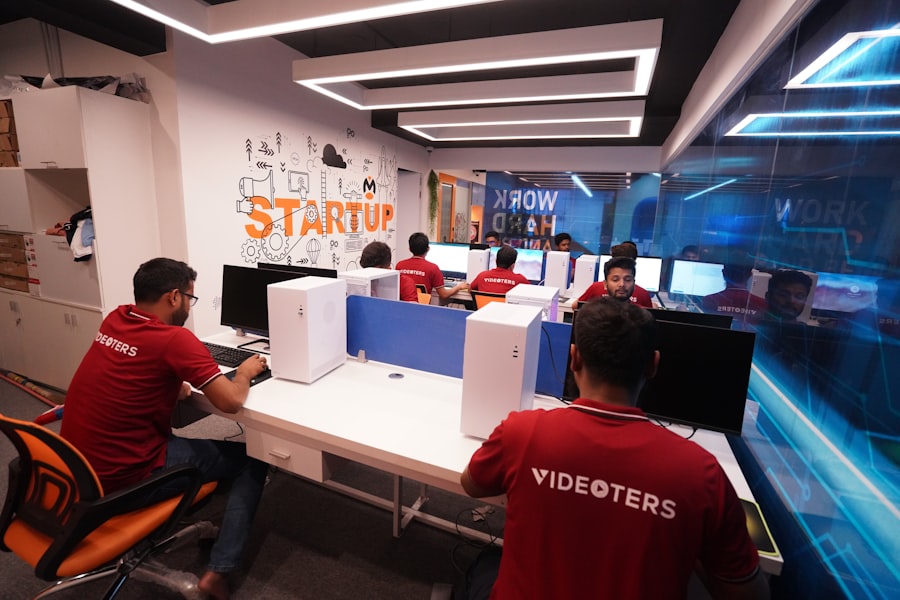
Nadella’s vision for Microsoft was rooted in the belief that technology should empower individuals and organizations to achieve more. He articulated a clear mission: to “empower every person and every organization on the planet to achieve more.
Under Nadella’s leadership, the company began to prioritize user-centric design and accessibility, ensuring that its technologies could be utilized by a diverse range of users.
Central to this vision was the commitment to cloud computing as a cornerstone of Microsoft’s future. Nadella recognized that the cloud was not just a technological trend but a transformative force that could redefine how businesses operate. He championed Azure, Microsoft’s cloud platform, positioning it as a key player in the market alongside Amazon Web Services (AWS).
The Importance of Rediscovering Microsoft’s Soul
A critical aspect of Nadella’s leadership has been his focus on rediscovering Microsoft’s “soul.” He understood that for the company to thrive, it needed to reconnect with its core values and purpose. This meant fostering a culture of empathy, collaboration, and continuous learning—qualities that had been overshadowed by years of competitive pressure and internal strife. Nadella emphasized the importance of creating an environment where employees felt valued and empowered to share their ideas without fear of failure.
To facilitate this cultural shift, Nadella introduced initiatives aimed at promoting inclusivity and diversity within the workforce. He recognized that diverse teams are more innovative and better equipped to solve complex problems. By prioritizing diversity in hiring practices and encouraging open dialogue about different perspectives, Nadella sought to create a workplace where everyone could contribute meaningfully.
This renewed focus on culture not only improved employee morale but also enhanced Microsoft’s ability to attract top talent from various backgrounds.
The Impact of Hit Refresh on Microsoft’s Culture
In 2017, Satya Nadella published “Hit Refresh,” a book that encapsulated his philosophy on leadership and transformation at Microsoft. The book serves as both a memoir and a manifesto for change, detailing his experiences and insights gained during his tenure at the company. One of the central themes of “Hit Refresh” is the idea of embracing change as an opportunity for growth rather than viewing it as a threat.
Nadella’s candid reflections on his own journey—his struggles with self-doubt and his commitment to learning—resonated with many readers and employees alike. The impact of “Hit Refresh” extended beyond its pages; it became a rallying cry for Microsoft’s cultural transformation. Employees were encouraged to adopt a growth mindset, embracing challenges as opportunities for development rather than obstacles to success.
This shift in perspective fostered an environment where experimentation was welcomed, leading to increased innovation across various teams. By promoting psychological safety within the organization, Nadella empowered employees to take risks and pursue bold ideas without fear of repercussions.
Innovations and Changes at Microsoft Under Satya Nadella’s Leadership

Under Satya Nadella’s leadership, Microsoft has experienced a renaissance marked by significant innovations and strategic changes across its product offerings. One of the most notable developments has been the expansion of Microsoft Azure into one of the leading cloud platforms globally. Azure’s growth has been fueled by its ability to provide scalable solutions for businesses of all sizes, enabling them to leverage advanced technologies such as artificial intelligence (AI) and machine learning (ML).
This strategic pivot towards cloud services has not only bolstered Microsoft’s revenue but also positioned it as a key player in the digital transformation landscape. In addition to Azure, Nadella has overseen the revitalization of other core products such as Office 365, which has transitioned from traditional software licensing to a subscription-based model. This shift allowed Microsoft to provide continuous updates and improvements while enhancing user collaboration through cloud-based features.
Furthermore, initiatives like Microsoft Teams have emerged as essential tools for remote work and collaboration, particularly during the COVID-19 pandemic. By prioritizing user needs and adapting quickly to changing market dynamics, Nadella has ensured that Microsoft remains relevant in an increasingly competitive environment.
The Role of Technology in Creating a Better Future for Everyone
Nadella’s vision extends beyond corporate success; he believes in leveraging technology as a force for good in society. He has consistently emphasized the importance of using technology to address pressing global challenges such as climate change, healthcare access, and education inequality. Under his leadership, Microsoft has committed to ambitious sustainability goals, including becoming carbon negative by 2030.
This commitment reflects Nadella’s belief that technology companies have a responsibility to contribute positively to society. Moreover, Nadella has championed initiatives aimed at increasing digital literacy and access to technology for underserved communities. Through programs like Microsoft Philanthropies, the company invests in education initiatives that empower individuals with the skills needed for the digital economy.
By focusing on inclusivity and accessibility, Nadella envisions a future where technology serves as an equalizer, providing opportunities for all individuals regardless of their background or circumstances.
The Legacy of Satya Nadella’s Leadership
Satya Nadella’s tenure as CEO of Microsoft has been marked by transformative changes that have reshaped not only the company but also its impact on the broader technology landscape. His emphasis on empathy, collaboration, and innovation has revitalized Microsoft’s culture while positioning it as a leader in cloud computing and AI. By rediscovering Microsoft’s soul and fostering an inclusive environment, Nadella has created a workplace where creativity thrives.
As he continues to lead Microsoft into the future, Nadella’s legacy will be defined by his commitment to using technology as a catalyst for positive change in society. His vision extends beyond corporate success; it encompasses a belief in empowering individuals and organizations worldwide through technology. In an era where technological advancements are rapidly reshaping our lives, Satya Nadella stands as a beacon of hope for what can be achieved when leadership is grounded in purpose and empathy.
If you enjoyed reading “Hit Refresh: The Quest to Rediscover Microsoft’s Soul and Imagine a Better Future for Everyone” by Satya Nadella, you may also be interested in checking out this article on hellread.com. This website offers a variety of insightful and thought-provoking content that may resonate with the themes explored in Nadella’s book. Additionally, you can explore more articles on technology, innovation, and leadership by visiting this specific article on the website. Happy reading!
FAQs
What is “Hit Refresh” by Satya Nadella about?
“Hit Refresh” is a book written by Satya Nadella, the CEO of Microsoft, in which he shares his personal journey and the transformation of Microsoft under his leadership. The book discusses the need for individuals and organizations to hit refresh in order to rediscover their purpose and create a better future.
What are the key themes in “Hit Refresh”?
The key themes in “Hit Refresh” include the importance of empathy and compassion in leadership, the need for continuous learning and adaptation, the impact of technology on society, and the potential for technology to create a more inclusive and equitable world.
What is the significance of the title “Hit Refresh”?
The title “Hit Refresh” symbolizes the idea of resetting and renewing one’s perspective, approach, and goals. It reflects the concept of embracing change and innovation in order to drive personal and organizational growth.
Who is the target audience for “Hit Refresh”?
The book “Hit Refresh” is targeted at a wide audience, including business leaders, technology enthusiasts, entrepreneurs, and anyone interested in the intersection of technology, leadership, and societal impact.
What are some key takeaways from “Hit Refresh”?
Some key takeaways from “Hit Refresh” include the importance of empathy in leadership, the potential for technology to drive positive change, the need for continuous reinvention, and the impact of culture on organizational success.




