
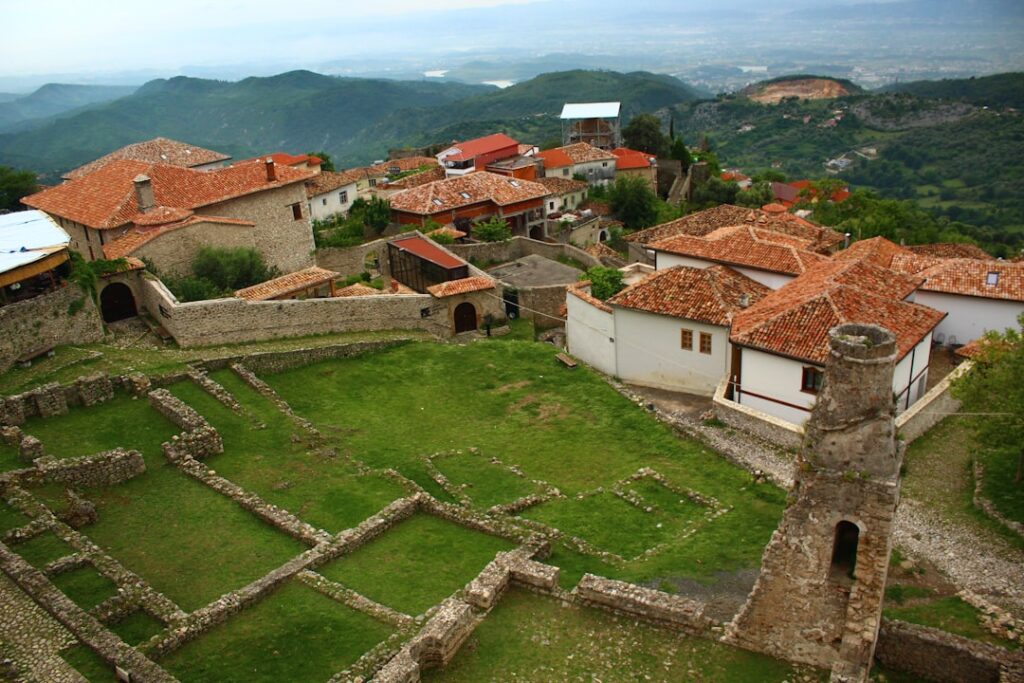
“The Road to Oxiana,” published in 1937, is a seminal travelogue by Robert Byron that chronicles his journey through the Middle East and Central Asia in the early 1930s. The book is not merely a recounting of places visited or sights seen; it is a profound exploration of culture, architecture, and the human experience. Byron’s narrative is imbued with a sense of adventure and intellectual curiosity, reflecting the zeitgeist of an era on the brink of monumental change.
The title itself references Oxiana, a historical region that encompasses parts of modern-day Afghanistan and Central Asia, evoking images of ancient civilizations and the allure of the Silk Road. Byron’s work stands out in the genre of travel literature for its rich descriptions and philosophical musings. It captures the essence of a world that was rapidly transforming due to political upheaval and modernization.
The book serves as both a personal memoir and a broader commentary on the cultural intersections that define human history. As readers traverse the landscapes alongside Byron, they are invited to ponder not only the physical journey but also the deeper implications of travel and exploration in understanding humanity.
Key Takeaways
- “The Road to Oxiana” is a travelogue written by Robert Byron, chronicling his journey through the Middle East and Central Asia in the 1930s.
- Robert Byron was an English writer and traveler known for his adventurous spirit and keen eye for detail, which he brought to his writing in “The Road to Oxiana.”
- The journey to Oxiana took Byron through a diverse range of people and places, from ancient ruins to bustling cities, providing a rich tapestry of experiences and encounters.
- “The Road to Oxiana” continues to influence travel writing and inspire modern-day adventurers with its vivid descriptions and evocative storytelling.
- The book’s literary style and significance lie in its blend of personal narrative, historical insight, and cultural observations, making it a timeless work of travel literature.
The Life and Travels of Robert Byron
Robert Byron was born in 1905 into a privileged family in England, which afforded him opportunities for education and travel from an early age. He attended Oxford University, where he developed a keen interest in art and architecture, subjects that would later permeate his writings. Byron’s upbringing in an affluent environment allowed him to cultivate a sense of curiosity about the world beyond his immediate surroundings.
His early travels included trips to Europe, where he immersed himself in the study of classical art and architecture, laying the groundwork for his later explorations. Byron’s travels were not merely for leisure; they were driven by an insatiable desire to understand different cultures and their histories. His journey to Oxiana was particularly significant, as it took him through regions that were often overlooked by Western travelers.
He ventured into Persia, Afghanistan, and beyond, documenting not only the physical landscapes but also the people he encountered along the way. His experiences were shaped by the political climate of the time, as he navigated through areas marked by conflict and change. This backdrop added depth to his observations, allowing him to reflect on the complexities of cultural identity and heritage.
The Journey to Oxiana
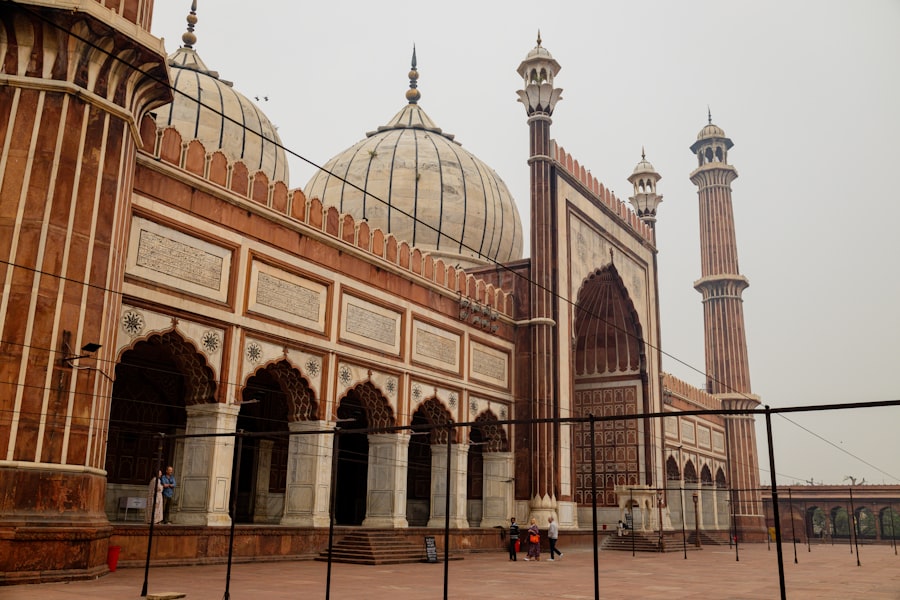
The journey to Oxiana was both arduous and enlightening for Byron. He embarked on this expedition in 1933, traveling through regions that were often fraught with danger yet rich in history. His route took him from Istanbul through Persia, ultimately reaching Afghanistan.
Each leg of his journey was marked by encounters with diverse cultures, breathtaking landscapes, and architectural marvels that had stood the test of time. Byron’s narrative is filled with vivid descriptions that transport readers to bustling bazaars, serene mosques, and ancient ruins. One of the most striking aspects of Byron’s journey was his ability to capture the essence of each place he visited.
For instance, his descriptions of Isfahan’s stunning mosques and palaces reflect not only their architectural beauty but also their significance within the cultural fabric of Iran. He writes with reverence about the intricate tile work and grand domes, illustrating how these structures serve as symbols of a rich historical legacy. As he traverses through various towns and cities, Byron’s observations reveal a deep appreciation for local customs and traditions, showcasing his respect for the people who inhabit these regions.
The People and Places Along the Way
Throughout “The Road to Oxiana,” Byron encounters a myriad of individuals who shape his understanding of the cultures he explores. From local artisans to scholars, each person adds a layer of complexity to his narrative. For example, in Persia, he meets craftsmen who are dedicated to preserving traditional techniques in carpet weaving and tile making.
Byron’s journey also takes him to remote villages where he witnesses daily life unfold against a backdrop of stunning natural beauty. His descriptions of the landscapes are often intertwined with reflections on the people who inhabit them.
In Afghanistan, he encounters nomadic tribes whose way of life is intricately connected to their environment. Byron’s ability to weave together observations about geography, culture, and human experience creates a rich tapestry that invites readers to engage with the material on multiple levels.
The Influence and Legacy of The Road to Oxiana
“The Road to Oxiana” has left an indelible mark on both travel literature and cultural studies. Its influence can be seen in subsequent works by other travel writers who sought to emulate Byron’s blend of personal narrative and cultural commentary. The book has inspired generations of travelers to approach their journeys with a sense of curiosity and respect for the cultures they encounter.
Byron’s emphasis on understanding local customs and traditions resonates with contemporary travelers who seek authentic experiences rather than mere sightseeing. Moreover, Byron’s work has contributed significantly to the field of architectural criticism. His keen observations about Islamic architecture have been referenced by scholars and architects alike, highlighting the importance of context in understanding design principles.
The book serves as a valuable resource for those interested in the intersection of culture and architecture, offering insights that remain relevant in discussions about heritage conservation and cultural identity.
The Literary Style and Significance of the Book
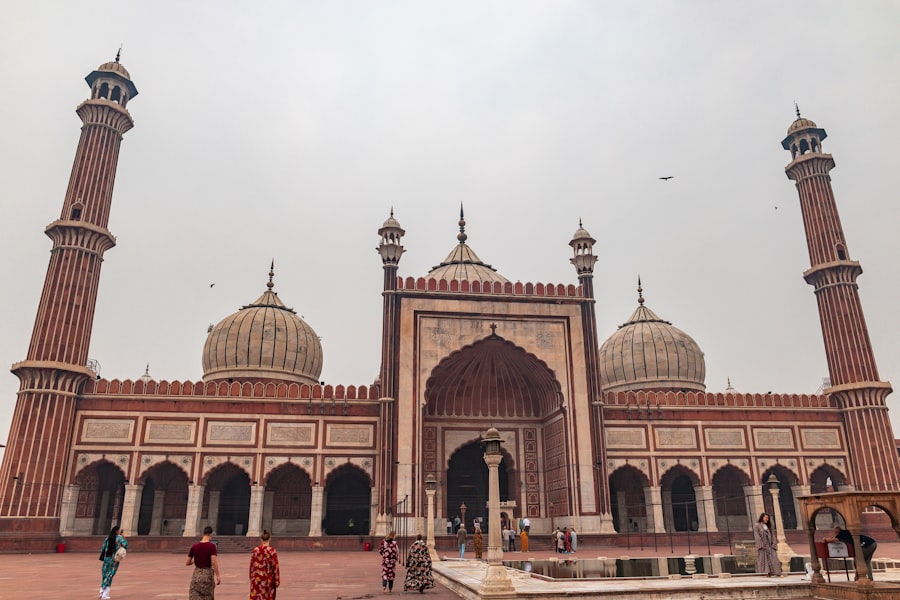
Byron’s literary style in “The Road to Oxiana” is characterized by its eloquence and vivid imagery. His prose is rich with detail, allowing readers to visualize the landscapes he traverses and feel the weight of history in each location. He employs a blend of humor, irony, and philosophical reflection that elevates his narrative beyond mere travelogue.
This stylistic approach invites readers to engage with his observations on a deeper level, prompting them to consider broader themes such as cultural exchange and the impact of modernization. The significance of Byron’s work lies not only in its content but also in its form. He skillfully combines elements of memoir, travel writing, and cultural critique, creating a multifaceted narrative that challenges conventional boundaries within literature.
This innovative approach has paved the way for future writers who seek to explore similar themes while pushing the limits of genre conventions. Byron’s ability to articulate complex ideas through accessible language makes “The Road to Oxiana” a timeless piece that continues to resonate with readers today.
Criticisms and Controversies Surrounding The Road to Oxiana
Despite its acclaim, “The Road to Oxiana” has not been without its criticisms. Some scholars argue that Byron’s perspective is inherently Eurocentric, reflecting a colonial mindset that can overshadow the voices of the cultures he describes. Critics point out that while Byron exhibits admiration for Islamic architecture and local customs, his narrative is still filtered through a Western lens that may not fully capture the complexities of these societies.
This critique raises important questions about representation in travel literature and the responsibilities of writers when engaging with cultures outside their own. Additionally, some have noted that Byron’s romanticized portrayal of certain regions may contribute to stereotypes that persist in contemporary discourse about the Middle East and Central Asia. While his writing is undoubtedly rich in detail and insight, it can also be seen as perpetuating an exoticized view of these cultures that does not account for their modern realities.
This tension between admiration and oversimplification invites ongoing discussions about how travel narratives shape perceptions of place and identity.
The Continued Relevance of The Road to Oxiana
In an age where globalization has transformed how we perceive travel and cultural exchange, “The Road to Oxiana” remains remarkably relevant. Byron’s exploration of cultural intersections resonates with contemporary discussions about identity in an increasingly interconnected world. As travelers today navigate complex geopolitical landscapes, Byron’s emphasis on understanding local customs and histories serves as a reminder of the importance of empathy and respect in cross-cultural interactions.
Moreover, as issues such as climate change and cultural preservation come to the forefront of global discourse, Byron’s reflections on architecture and heritage offer valuable insights into how societies can balance modernization with respect for their historical legacies. His work encourages readers to consider not only their own experiences but also the broader implications of their travels on local communities. Byron’s journey through Oxiana continues to inspire those who seek deeper connections with the places they visit.
In an era marked by rapid change, “The Road to Oxiana” stands as a testament to the enduring power of travel literature to foster understanding and appreciation for diverse cultures around the world.
If you enjoyed reading The Road to Oxiana by Robert Byron, you may also be interested in checking out this article on Hellread titled Hello World. This article explores the concept of new beginnings and the excitement of embarking on a journey into the unknown, much like the author’s own travels through the Middle East and Asia.
FAQs
What is The Road to Oxiana by Robert Byron?
The Road to Oxiana is a travelogue written by British travel writer Robert Byron. It was first published in 1937 and is considered a classic of travel literature.
What is the book about?
The book chronicles Byron’s journey through the Middle East and Central Asia in the 1930s, from Beirut to Oxiana, which is now part of modern-day Afghanistan. It provides vivid descriptions of the places he visited, the people he met, and the historical and cultural significance of the region.
What makes The Road to Oxiana significant?
The Road to Oxiana is significant for its literary style, as well as its historical and cultural insights into the regions Byron traveled through. It is also considered one of the first examples of the modern travelogue genre.
What is the writing style of The Road to Oxiana?
Robert Byron’s writing style in The Road to Oxiana is characterized by its vivid and evocative descriptions, as well as its wry humor and keen observations of the places and people he encountered during his journey.
How has The Road to Oxiana been received?
The Road to Oxiana has been widely praised for its literary merit and its contribution to the travel literature genre. It has been influential on subsequent travel writers and continues to be celebrated for its vivid portrayal of the Middle East and Central Asia in the 1930s.




