

The concept of “The Age of Anger” encapsulates a profound and pervasive sentiment that has emerged in contemporary society, characterized by widespread discontent, frustration, and a sense of betrayal among various populations. This term, popularized by Pankaj Mishra in his thought-provoking book, serves as a lens through which we can examine the multifaceted nature of anger that permeates our global landscape. The Age of Anger is not merely a fleeting phenomenon; it is a complex interplay of historical grievances, socio-economic disparities, and cultural dislocation that has led to a collective outpouring of rage across different societies.
As we delve into this topic, it becomes evident that understanding the roots and manifestations of this anger is crucial for addressing the challenges it presents. In recent years, we have witnessed a surge in protests, uprisings, and movements fueled by anger against perceived injustices. From the Arab Spring to the Black Lives Matter movement, the world has seen citizens rise up against oppressive regimes, systemic racism, and economic inequality.
This collective anger is often directed at institutions that are perceived to have failed the populace, including governments, corporations, and even traditional media. The Age of Anger thus represents a critical juncture in human history where the voices of the marginalized and disenfranchised are demanding recognition and change. It is within this context that we must explore the various dimensions of anger as articulated by thinkers like Pankaj Mishra and consider the implications for our global society.
Key Takeaways
- The Age of Anger explores the global phenomenon of increasing anger and discontent in the modern world.
- Pankaj Mishra believes that the rise of anger is a result of the failure of globalization to deliver on its promises, leading to a sense of dislocation and alienation.
- The historical context of anger in the modern world can be traced back to the disintegration of traditional social structures and the rise of individualism.
- Globalization has exacerbated anger by widening the gap between the rich and the poor, leading to feelings of injustice and inequality.
- The rise of populism and nationalism is a response to the perceived loss of identity and control, fueled by anger and resentment.
Pankaj Mishra’s Perspective on Global Anger
Pankaj Mishra’s exploration of global anger is deeply rooted in his understanding of historical narratives and their impact on contemporary society. In his book “The Age of Anger: A History of the Present,” Mishra argues that the current wave of anger is not an isolated incident but rather a culmination of centuries of discontent stemming from colonialism, imperialism, and the failures of modernity. He posits that the disillusionment with liberal democracy and capitalism has led to a resurgence of anger among those who feel left behind by globalization and technological advancement.
Mishra’s perspective emphasizes that this anger is not merely emotional but is also a rational response to systemic injustices that have persisted over time. Mishra draws parallels between historical events and current manifestations of anger, suggesting that the rise of extremist ideologies can be traced back to the same grievances that fueled past revolutions. He highlights how individuals in various parts of the world are grappling with feelings of alienation and betrayal, leading them to seek solace in populist movements that promise to restore their dignity and agency.
By framing anger as a legitimate response to historical injustices, Mishra challenges us to reconsider our understanding of political movements and social unrest. His insights compel us to recognize that anger can serve as a catalyst for change, pushing societies to confront uncomfortable truths about their past and present.
Historical Context of Anger in the Modern World

To fully grasp the significance of anger in today’s world, it is essential to contextualize it within a broader historical framework.
The French Revolution, for instance, was fueled by widespread anger against feudal oppression and economic inequality, leading to radical changes in governance and societal structures.
Similarly, the civil rights movement in the United States emerged from deep-seated frustrations over systemic racism and discrimination, highlighting how historical injustices can ignite powerful movements for change. In more recent history, the collapse of the Soviet Union and the subsequent rise of neoliberal policies in the 1990s created a new landscape for anger to flourish. Many former Soviet states experienced economic turmoil and political instability, leading to feelings of betrayal among citizens who had hoped for a better future.
The disillusionment with capitalism’s promises has been particularly pronounced in regions where wealth disparities have widened dramatically. This historical context underscores that anger is not merely a reaction to current events but is deeply intertwined with legacies of oppression, inequality, and unfulfilled aspirations.
Impact of Globalization on Anger
Globalization has played a pivotal role in shaping contemporary expressions of anger. While it has facilitated unprecedented levels of connectivity and economic growth, it has also exacerbated inequalities both within and between nations. The promise of globalization was often framed as one of shared prosperity; however, for many, it has resulted in job losses, wage stagnation, and a sense of cultural dislocation.
As industries have shifted towards cheaper labor markets, workers in developed countries have found themselves grappling with insecurity and declining living standards. This economic disenfranchisement has fueled resentment towards elites who are perceived to benefit disproportionately from globalization. Moreover, globalization has led to cultural clashes as diverse populations interact more frequently than ever before.
The influx of immigrants into Western countries has sparked debates about national identity and belonging, often resulting in xenophobia and scapegoating. This cultural anxiety can manifest as anger directed at immigrants or minority groups who are seen as threats to traditional values or economic stability. The interplay between economic dislocation and cultural anxiety creates a fertile ground for populist rhetoric that exploits these fears for political gain.
Thus, globalization’s dual nature—both as a force for connection and division—has significantly influenced the landscape of global anger.
Rise of Populism and Nationalism
The rise of populism and nationalism in recent years can be viewed as a direct response to the anger generated by globalization and socio-economic disparities. Populist leaders often capitalize on public discontent by positioning themselves as champions of the “common people” against an elite establishment perceived as corrupt or out of touch. This narrative resonates with individuals who feel marginalized or overlooked by traditional political parties.
The success of populist movements across various countries—from Donald Trump’s election in the United States to Brexit in the United Kingdom—illustrates how anger can be harnessed to mobilize support for radical political change. Nationalism has also gained traction as a reaction against globalization’s perceived threats to national sovereignty and cultural identity. In many cases, nationalist rhetoric frames immigration as an existential threat to social cohesion and economic stability.
This framing not only stokes fear but also channels anger towards specific groups deemed responsible for societal woes. The resurgence of nationalist sentiments can be seen as an attempt to reclaim agency in an increasingly interconnected world where individuals feel their voices are drowned out by global forces beyond their control. As such, populism and nationalism serve as both expressions of anger and mechanisms through which individuals seek to assert their identity and agency in a rapidly changing landscape.
Technology and Social Media’s Role in Fostering Anger
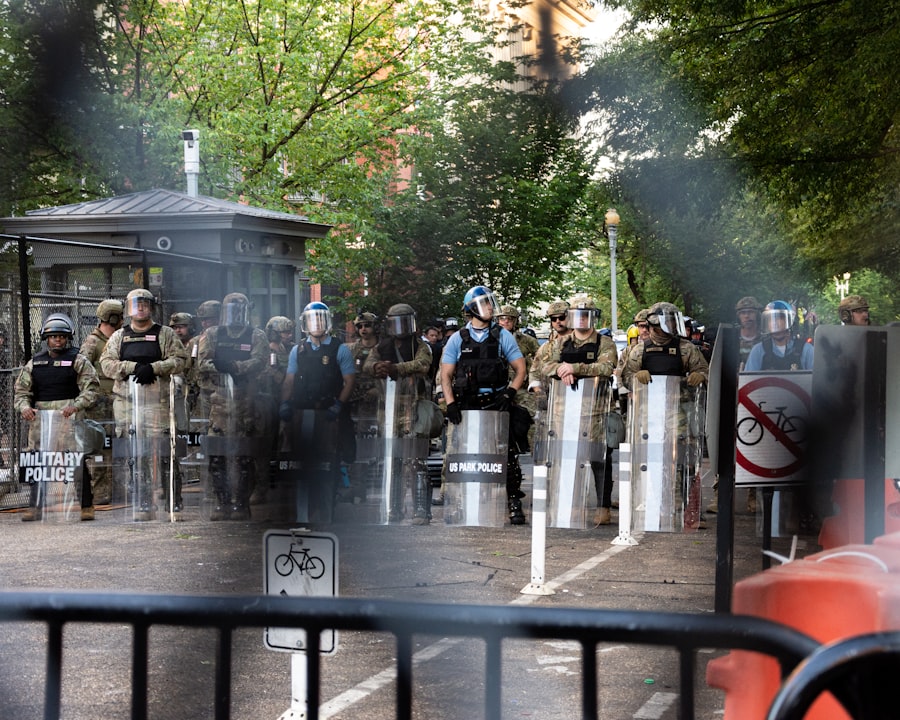
The advent of technology and social media has transformed how anger is expressed and mobilized in contemporary society. Platforms like Twitter, Facebook, and Instagram have become arenas for public discourse where individuals can voice their frustrations and connect with like-minded individuals across geographical boundaries. While this democratization of communication has empowered marginalized voices, it has also contributed to the amplification of anger on a global scale.
Viral videos capturing instances of injustice or inequality can spark outrage within minutes, leading to widespread mobilization around specific causes. However, social media’s role in fostering anger is not without its pitfalls. The algorithms that govern these platforms often prioritize sensational content that elicits strong emotional responses, leading to echo chambers where individuals are exposed primarily to viewpoints that reinforce their existing beliefs.
This can create a feedback loop where anger becomes increasingly polarized and extreme. Additionally, misinformation spreads rapidly on social media, further fueling outrage over perceived injustices or threats. The ability for individuals to express their anger online can lead to real-world consequences, including protests or violent confrontations, highlighting the complex relationship between technology and societal emotions.
Solutions for Addressing Anger in the Modern World
Addressing the pervasive anger in today’s society requires a multifaceted approach that acknowledges its roots while promoting constructive dialogue and understanding. One potential solution lies in fostering inclusive political discourse that prioritizes empathy and active listening. Creating spaces where individuals from diverse backgrounds can share their experiences and grievances can help bridge divides and reduce feelings of alienation.
Initiatives aimed at community-building—such as town hall meetings or facilitated discussions—can provide opportunities for individuals to engage with one another on issues that matter deeply to them. Moreover, education plays a crucial role in addressing anger by promoting critical thinking skills and media literacy. Equipping individuals with the tools to discern credible information from misinformation can mitigate the spread of outrage based on false narratives.
Educational programs that emphasize empathy, conflict resolution, and civic engagement can also empower individuals to channel their anger into constructive action rather than destructive behavior.
Conclusion and Reflection on The Age of Anger
The Age of Anger presents both challenges and opportunities for societies grappling with deep-seated frustrations and grievances. As we navigate this complex landscape, it is essential to recognize that anger is not inherently negative; rather, it can serve as a powerful catalyst for change when channeled constructively. By understanding the historical context of anger, acknowledging its roots in globalization and socio-economic disparities, and leveraging technology for positive engagement, we can work towards creating a more equitable society.
Ultimately, addressing the challenges posed by The Age of Anger requires collective effort from individuals, communities, and institutions alike. It calls for a commitment to empathy, understanding, and dialogue as we seek solutions to the pressing issues facing our world today. In doing so, we may find pathways toward healing divisions and fostering a sense of shared purpose amidst the tumultuous currents of our time.
In a related article on Hellread titled Hello World, the author delves into the complexities of modern society and the various factors contributing to the pervasive sense of anger and discontent. Drawing parallels to Pankaj Mishra’s exploration of the Age of Anger in his book, the article examines how globalization, technological advancements, and social inequalities have fueled feelings of resentment and disillusionment among individuals worldwide. Both pieces shed light on the tumultuous state of our present era and offer insights into the underlying causes of widespread anger and unrest.
FAQs
What is “The Age of Anger: A History of the Present” by Pankaj Mishra about?
“The Age of Anger: A History of the Present” is a book by Pankaj Mishra that explores the roots and consequences of the global rise of populism, extremism, and anger in the 21st century. Mishra examines the historical, social, and political factors that have contributed to the current state of anger and discontent around the world.
Who is Pankaj Mishra?
Pankaj Mishra is an Indian author and intellectual known for his incisive commentary on global politics, culture, and society. He has written several acclaimed books and essays that explore the complexities of modernity, globalization, and the impact of Western ideologies on non-Western societies.
What are some of the key themes in “The Age of Anger: A History of the Present”?
Some of the key themes in “The Age of Anger” include the impact of colonialism and imperialism, the rise of nationalism and identity politics, the disillusionment with modernity and globalization, and the role of technology and social media in shaping contemporary political movements.
What is the significance of “The Age of Anger: A History of the Present” in the current political and social climate?
“The Age of Anger” provides a critical analysis of the underlying causes of the current wave of populism, extremism, and anger that is sweeping across the world. By examining historical and sociopolitical factors, the book offers insights into the complexities of contemporary global dynamics and the challenges facing societies today.




