
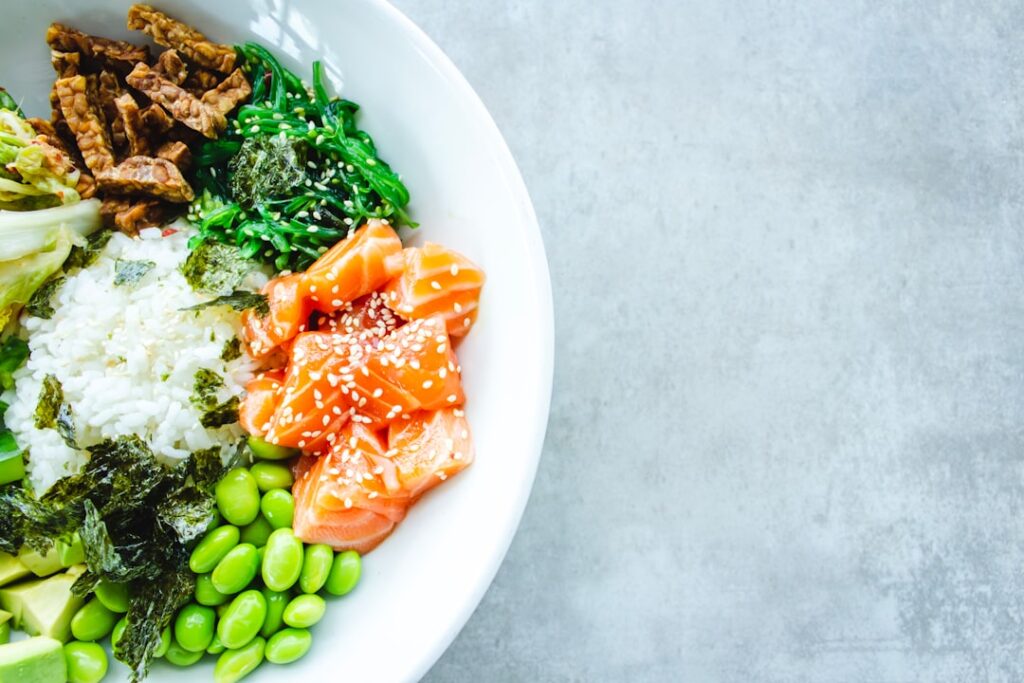
The Tao of Nutrition is a holistic approach to food and health that draws from the ancient wisdom of Taoism, a philosophical and spiritual tradition that originated in China over two millennia ago. At its core, Taoism emphasizes harmony with nature, balance, and the interconnectedness of all things. This philosophy extends into the realm of nutrition, where it advocates for a mindful relationship with food that nurtures both the body and spirit.
The Tao of Nutrition is not merely about what to eat; it encompasses how to eat, when to eat, and the energetic qualities of food that can influence our well-being. In a world increasingly dominated by fast food and processed meals, the principles of Taoist nutrition offer a refreshing perspective. It encourages individuals to cultivate awareness of their dietary choices, recognizing that food is not just fuel but also a source of energy that can either enhance or detract from one’s health.
By understanding the fundamental concepts of Taoist nutrition, individuals can make informed decisions that align with their personal health goals while fostering a deeper connection to the natural world around them.
Key Takeaways
- The Tao of Nutrition is a holistic approach to food and health that is rooted in Taoist principles.
- Taoist nutrition emphasizes balance, harmony, and moderation in food choices and eating habits.
- Understanding the concepts of Yin and Yang in nutrition helps in creating a balanced diet and lifestyle.
- The Five Elements in nutrition provide a framework for understanding the energetic qualities of different foods.
- Food plays a crucial role in Chinese medicine, affecting the body’s energy, organs, and overall well-being.
The Principles of Taoist Nutrition
Balance: The Key to Harmony
One of the primary tenets of Taoist nutrition is the concept of balance. This principle is essential for maintaining equilibrium within the body and with nature. In terms of nutrition, balance is achieved by carefully selecting foods that promote harmony among various bodily systems. A balanced diet should include a variety of food types, such as grains, vegetables, fruits, proteins, and fats, to ensure the body receives a comprehensive array of nutrients necessary for optimal functioning.
Seasonal Eating: Aligning with Nature’s Cycles
Taoist philosophy emphasizes the importance of seasonal eating. According to this principle, nature operates in cycles, and these cycles influence our health and well-being. Foods that are in season are believed to be more aligned with the body’s needs at any given time. For example, during the winter months, hearty root vegetables and warming spices are favored to provide nourishment and warmth, while lighter fruits and leafy greens are more suitable in the summer when the body seeks cooling foods.
Enhancing Vitality through Harmony with Nature
By attuning our diets to the rhythms of nature, we can enhance our vitality and support our overall health. By following the principles of balance and seasonal eating, we can create a harmonious relationship between our bodies and the environment, leading to improved well-being and a deeper connection with nature.
Understanding Yin and Yang in Nutrition
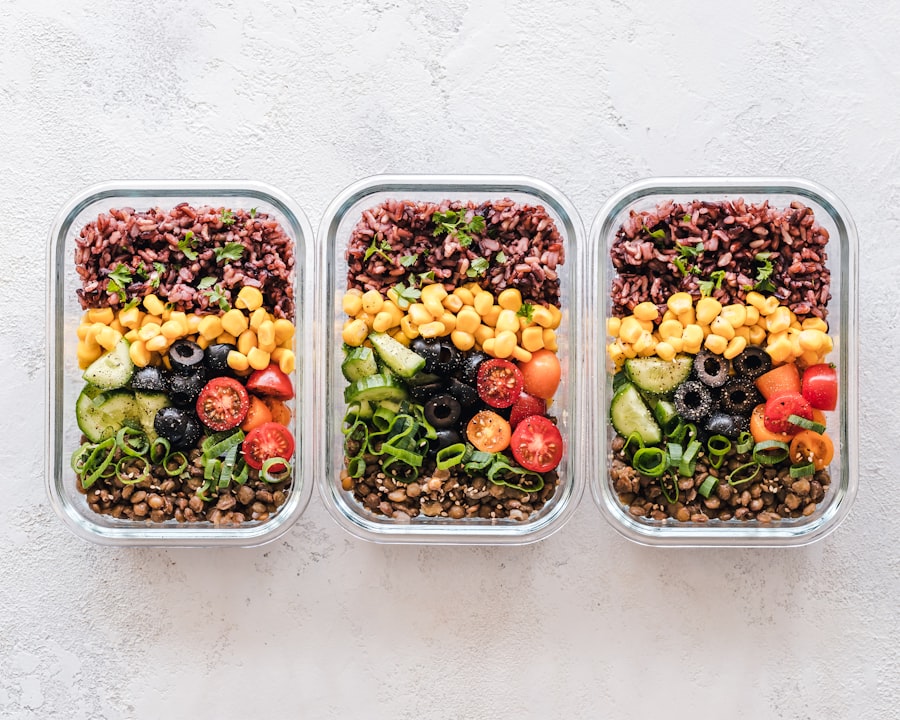
Central to Taoist philosophy is the concept of Yin and Yang, which represents duality and balance in all aspects of life, including nutrition. Yin is associated with qualities such as coolness, moisture, and nourishment, while Yang embodies heat, dryness, and energy. In terms of food, Yin foods are typically those that are hydrating and soothing, such as fruits, leafy greens, and dairy products.
Conversely, Yang foods are often warming and energizing, including meats, spices, and cooked grains. Incorporating both Yin and Yang foods into one’s diet is essential for achieving nutritional balance. For instance, a meal consisting solely of Yang foods may lead to overheating or inflammation in the body, while an exclusively Yin diet could result in coldness or sluggishness.
A balanced approach might involve pairing a warming dish like stir-fried chicken (Yang) with a cooling side of cucumber salad (Yin). This interplay between Yin and Yang not only enhances flavor but also promotes overall health by ensuring that the body’s energetic needs are met.
The Five Elements in Nutrition
The Five Elements theory—Wood, Fire, Earth, Metal, and Water—provides another layer of understanding within Taoist nutrition. Each element corresponds to specific flavors, organs, emotions, and seasons, creating a comprehensive framework for evaluating food choices. For example, the Wood element is associated with sour flavors and the liver; incorporating sour foods like lemons or vinegar can support liver health and emotional balance during springtime.
Fire corresponds to bitter flavors and the heart; foods such as dark leafy greens or coffee can invigorate the heart’s energy during summer. Earth relates to sweet flavors and the spleen; root vegetables like sweet potatoes or carrots can ground us during late summer.
Finally, Water corresponds to salty flavors and the kidneys; incorporating seaweed or miso can nourish kidney function during winter.
The Role of Food in Chinese Medicine
In Chinese medicine, food is viewed as medicine—a concept that aligns closely with the principles of Taoist nutrition. Each food item is believed to possess unique properties that can influence health outcomes based on its energetic qualities. For instance, warming foods are often recommended for individuals experiencing cold symptoms or digestive issues, while cooling foods may be prescribed for those suffering from inflammation or heat-related conditions.
Moreover, Chinese medicine emphasizes the importance of digestion as a cornerstone of health. The concept of “Spleen Qi” highlights how proper digestion is essential for transforming food into energy. Foods that are easy to digest—such as cooked vegetables or whole grains—are often favored over raw or heavily processed items.
This focus on digestion underscores the idea that how we prepare and consume food can significantly impact our overall health.
Balancing the Body with Nutrition
Mindful Eating for Better Digestion
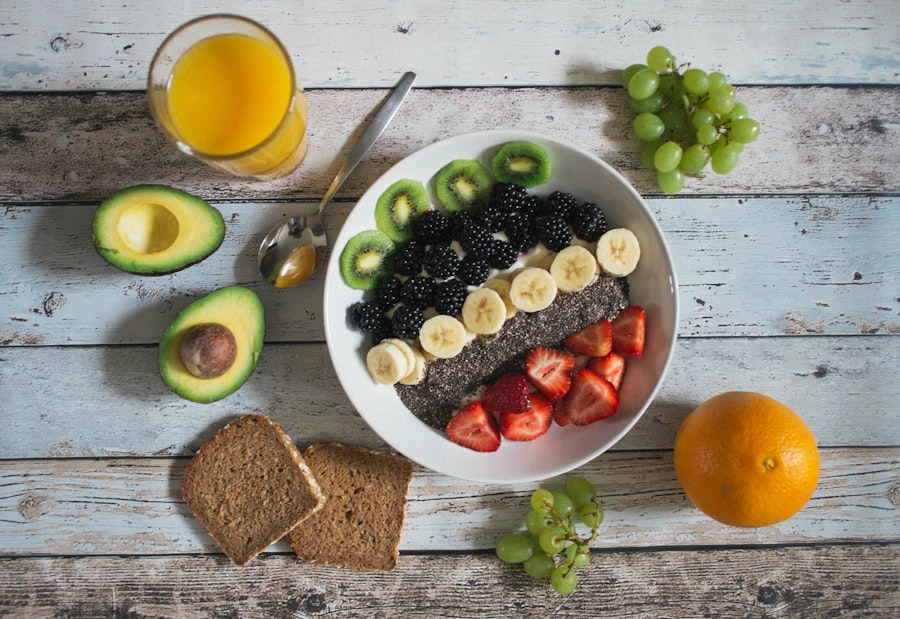
Taoist nutrition encourages individuals to cultivate awareness during meals by engaging all senses—savoring flavors, appreciating textures, and being present in the moment. This mindful approach not only enhances enjoyment but also aids digestion by promoting relaxation and reducing stress.
The Importance of Timing in Nutrition
Additionally, timing plays a crucial role in balancing nutrition. Traditional Chinese medicine suggests eating according to the body’s natural rhythms—consuming larger meals earlier in the day when energy levels are higher and lighter meals in the evening as the body prepares for rest.
Aligning with Circadian Rhythms
This practice aligns with circadian rhythms and supports optimal digestion and metabolism.
Healing Foods and Recipes
Certain foods are revered within Taoist nutrition for their healing properties. For example, ginger is celebrated for its warming qualities and ability to aid digestion; it can be incorporated into teas or stir-fries for added flavor and health benefits. Turmeric is another powerful ingredient known for its anti-inflammatory properties; it can be used in soups or curries to enhance both taste and wellness.
Recipes inspired by Taoist principles often emphasize balance among flavors and ingredients. A simple yet nourishing dish might include a stir-fry featuring seasonal vegetables like bok choy and bell peppers alongside lean protein such as chicken or tofu, seasoned with ginger and garlic for warmth. A side of quinoa or brown rice provides grounding energy while complementing the meal’s overall harmony.
Incorporating Taoist Nutrition into Your Lifestyle
Integrating Taoist nutrition into daily life involves cultivating a deeper awareness of food choices while embracing practices that promote balance and well-being. One practical approach is to create a seasonal meal plan that highlights local produce and aligns with the Five Elements theory. This not only supports personal health but also fosters a connection to local agriculture and sustainability.
Mindful eating practices can also be woven into daily routines—taking time to appreciate each meal without distractions can transform eating from a mundane task into a nourishing ritual. Additionally, exploring traditional cooking methods such as steaming or slow-cooking can enhance flavors while preserving nutrients. Ultimately, embracing Taoist nutrition is about fostering a harmonious relationship with food that nourishes both body and spirit.
By understanding the principles of balance, Yin and Yang dynamics, the Five Elements theory, and the healing properties of various foods, individuals can embark on a journey toward improved health and well-being that resonates with ancient wisdom while adapting to modern lifestyles.
If you are interested in exploring more about the benefits of traditional Chinese medicine, you may want to check out an article on hellread.com that delves into the world of acupuncture and its healing properties. The article discusses how acupuncture can help alleviate various health issues and promote overall well-being, making it a valuable complement to practices like those outlined in Maoshing Ni’s book, The Tao of Nutrition.
FAQs
What is the Tao of Nutrition by Maoshing Ni?
The Tao of Nutrition is a book written by Maoshing Ni that explores the principles of traditional Chinese medicine and how they can be applied to nutrition and diet for overall health and well-being.
What are the key principles of the Tao of Nutrition?
The key principles of the Tao of Nutrition include balancing the five elements (wood, fire, earth, metal, and water), eating according to the seasons, and using food as medicine to maintain harmony and prevent illness.
How does the Tao of Nutrition differ from Western nutrition principles?
The Tao of Nutrition differs from Western nutrition principles in that it emphasizes the energetic and healing properties of food, as well as the interconnectedness of the body, mind, and spirit in relation to diet and health.
What are some practical tips for applying the Tao of Nutrition to everyday life?
Practical tips for applying the Tao of Nutrition to everyday life include eating a variety of whole foods, incorporating seasonal fruits and vegetables, cooking with healing herbs and spices, and being mindful of the energetic qualities of different foods.
Is the Tao of Nutrition suitable for everyone?
The Tao of Nutrition can be beneficial for anyone interested in holistic health and wellness, but individuals with specific dietary restrictions or medical conditions should consult with a healthcare professional before making significant changes to their diet based on the principles of the Tao of Nutrition.




