
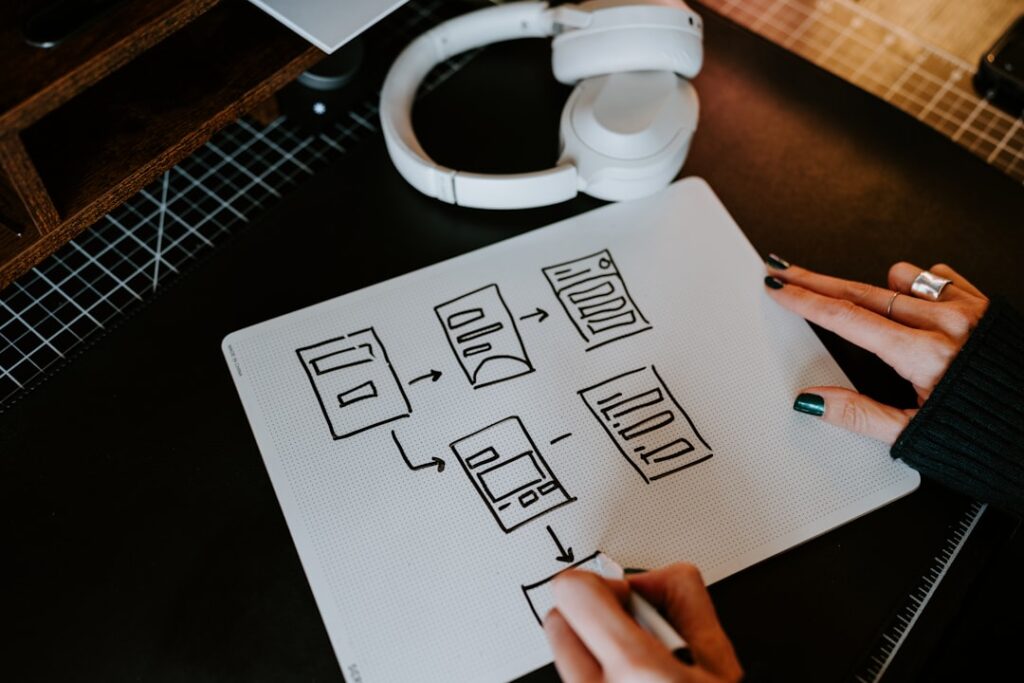
User-Centered Design (UCD) is a design philosophy and process that places the user at the forefront of the design process. It emphasizes understanding the needs, preferences, and limitations of end-users throughout the entire development cycle. This approach is rooted in the belief that products and services should be tailored to fit the users’ requirements rather than forcing users to adapt to the product.
By engaging users in the design process, UCD aims to create more effective, efficient, and satisfying experiences. This methodology is particularly relevant in today’s digital landscape, where user expectations are continually evolving, and competition is fierce. The principles of UCD are grounded in a variety of disciplines, including psychology, cognitive science, and design.
By employing techniques such as user research, usability testing, and iterative design, UCD practitioners can gather valuable insights that inform their design decisions. This iterative process allows for continuous refinement based on user feedback, ensuring that the final product resonates with its intended audience. As technology advances and user behaviors shift, the importance of UCD becomes increasingly apparent, making it a critical component of successful product development.
Key Takeaways
- User-Centered Design focuses on creating products and services that are easy to use and meet the needs of the users.
- The Five Planes of User Experience include the Strategy, Scope, Structure, Skeleton, and Surface planes, which guide the design process from planning to implementation.
- The Strategy Plane involves defining the project’s goals and objectives, as well as understanding the target audience and their needs.
- The Scope Plane focuses on determining the features and content of the project, ensuring that it aligns with the project’s goals and meets user needs.
- The Structure Plane involves organizing the information and functionality of the project to create a seamless user experience.
The Five Planes of User Experience
The concept of the Five Planes of User Experience, introduced by Jesse James Garrett in his book “The Elements of User Experience,” provides a comprehensive framework for understanding the various aspects of user experience design. These planes—strategy, scope, structure, skeleton, and surface—represent different levels of abstraction in the design process. Each plane builds upon the previous one, creating a cohesive approach to designing user experiences that are both functional and aesthetically pleasing.
At its core, the Five Planes model emphasizes that user experience is not merely about visual design or interface aesthetics; it encompasses a broader spectrum that includes strategic planning and content organization. By breaking down the design process into these distinct planes, designers can ensure that they address all critical elements necessary for creating a successful user experience. This structured approach allows teams to collaborate effectively and maintain focus on user needs throughout the project lifecycle.
The Strategy Plane: Defining the project’s goals and objectives
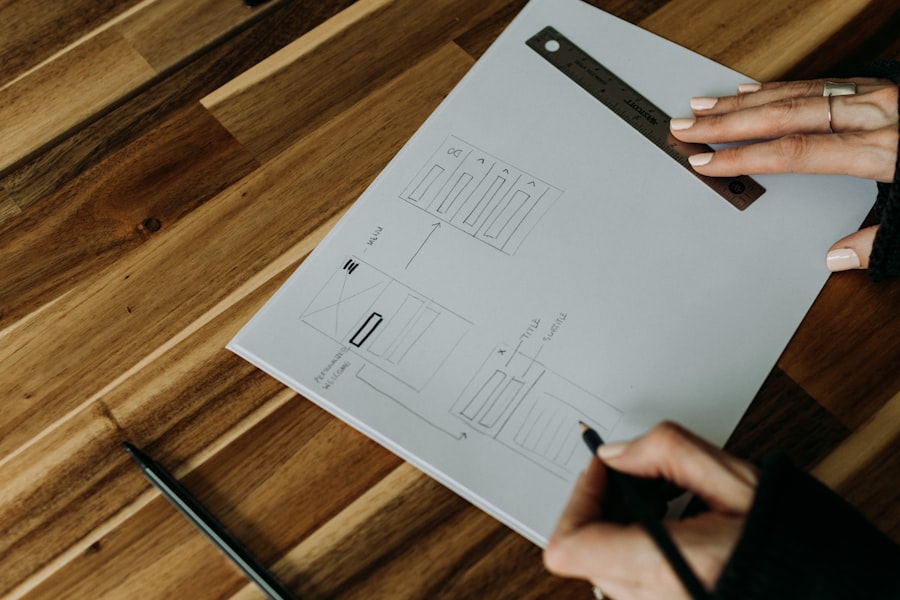
The strategy plane serves as the foundation for any user-centered design project. It involves defining the overarching goals and objectives that guide the design process. This stage requires a deep understanding of both the business objectives and user needs.
By aligning these two aspects, designers can create a clear vision for what the project aims to achieve. For instance, if a company seeks to launch a new e-commerce platform, its goals might include increasing sales, enhancing customer satisfaction, and improving brand loyalty. To effectively define these goals, designers often engage in user research methods such as interviews, surveys, and focus groups.
These techniques help uncover user pain points, preferences, and behaviors that inform the project’s direction. For example, if research reveals that users struggle with navigating existing e-commerce sites due to cluttered interfaces, this insight can shape the project’s objectives to prioritize simplicity and ease of use. By establishing clear goals at this stage, teams can ensure that all subsequent design decisions are aligned with the intended outcomes.
The Scope Plane: Determining the features and content of the project
Once the strategic goals are established, the next step is to define the scope of the project. The scope plane focuses on determining which features and content will be included in the final product. This stage is crucial because it sets boundaries for what will be developed and helps manage stakeholder expectations.
A well-defined scope ensures that designers do not stray from the project’s objectives while also providing a roadmap for development. In practice, defining scope often involves creating a feature set that balances user needs with business requirements. For example, if an organization aims to create a mobile app for fitness tracking, it may identify essential features such as activity logging, goal setting, and social sharing capabilities.
However, it must also consider technical constraints and resource availability. Prioritizing features through techniques like MoSCoW (Must have, Should have, Could have, Won’t have) can help teams focus on delivering maximum value within their constraints. This careful consideration of scope ultimately leads to a more manageable project timeline and budget.
The Structure Plane: Organizing the information and functionality of the project
The structure plane is where designers begin to organize information and functionality in a way that makes sense to users. This stage involves creating a clear hierarchy of content and establishing how different elements will interact with one another. A well-structured design allows users to navigate seamlessly through information while achieving their goals efficiently.
This plane often includes creating site maps or flowcharts that outline how users will move through the product. For instance, in designing a news website, the structure plane would involve categorizing articles by topics such as politics, sports, entertainment, and technology. Additionally, it would define how users can filter or search for specific content within these categories.
By mapping out these relationships early in the design process, teams can identify potential usability issues before they arise. This proactive approach not only enhances user satisfaction but also streamlines development by providing clear guidelines for content organization.
The Skeleton Plane: Designing the interface and navigation of the project

The skeleton plane focuses on designing the interface elements and navigation systems that facilitate user interaction with the product. At this stage, designers create wireframes or low-fidelity prototypes that outline how each screen will look and function without delving into visual aesthetics. This approach allows teams to concentrate on usability aspects such as layout, button placement, and navigation paths without being distracted by color schemes or typography.
For example, when designing an online banking application, wireframes might illustrate how users will access their accounts, transfer funds, or view transaction history. Designers must consider how to make these actions intuitive while minimizing cognitive load. Usability testing at this stage can provide valuable feedback on whether users can easily navigate through tasks or if adjustments are needed to improve clarity.
By focusing on functionality first, designers can create an interface that not only meets user expectations but also enhances overall satisfaction.
The Surface Plane: Addressing the visual design and branding of the project
The surface plane is where visual design comes into play. This stage involves applying branding elements such as color schemes, typography, imagery, and overall aesthetics to create an engaging user interface. While visual design is often perceived as merely decorative, it plays a crucial role in shaping user perceptions and experiences.
A well-executed surface plane can evoke emotions, convey brand identity, and enhance usability by guiding users’ attention to important elements. For instance, consider a travel booking website aiming to inspire wanderlust among its users.
Typography choices can further reinforce brand identity—using modern sans-serif fonts for a contemporary feel or elegant serif fonts for a more luxurious experience. By carefully considering these visual elements in conjunction with usability principles established in earlier planes, designers can create an interface that not only looks appealing but also functions effectively.
Conclusion and Application of User-Centered Design
User-Centered Design is an essential methodology for creating products that resonate with users while achieving business objectives. By following the structured approach outlined in the Five Planes of User Experience—strategy, scope, structure, skeleton, and surface—designers can ensure that they address all critical aspects of user experience throughout the development process. Each plane builds upon the previous one, creating a cohesive framework that guides teams from initial concept through to final implementation.
In practice, applying UCD principles requires ongoing collaboration between designers, developers, stakeholders, and users themselves. Engaging users at every stage—from research to testing—ensures that their voices are heard and their needs are met.
If you are interested in learning more about user-centered design and its impact on web development, you may want to check out the article “Hello World” on Hellread.com. This article discusses the importance of creating a user-friendly experience for website visitors and how it can lead to increased engagement and satisfaction. To read more about this topic, visit here.
FAQs
What is user-centered design?
User-centered design is an approach to creating products and services that focuses on the needs and preferences of the end users. It involves understanding the users’ behaviors, motivations, and goals in order to design a product that meets their needs effectively.
What are the elements of user experience?
The elements of user experience, as outlined by Jesse James Garrett, include strategy, scope, structure, skeleton, and surface. These elements represent the different aspects of the user experience design process, from planning and conceptualization to the final visual and interactive design.
Why is user experience important for the web?
User experience is important for the web because it directly impacts how users interact with and perceive a website or web application. A positive user experience can lead to increased user satisfaction, engagement, and conversion rates, while a poor user experience can result in frustration, abandonment, and negative brand perception.
How does user-centered design benefit businesses?
User-centered design can benefit businesses by helping them create products and services that are more aligned with user needs and preferences. This can lead to increased customer satisfaction, loyalty, and retention, as well as a competitive advantage in the market.
What role does user research play in user-centered design?
User research plays a crucial role in user-centered design by providing insights into user behaviors, needs, and pain points. This information helps designers and businesses make informed decisions about the design and functionality of their products, ultimately leading to a better user experience.




