
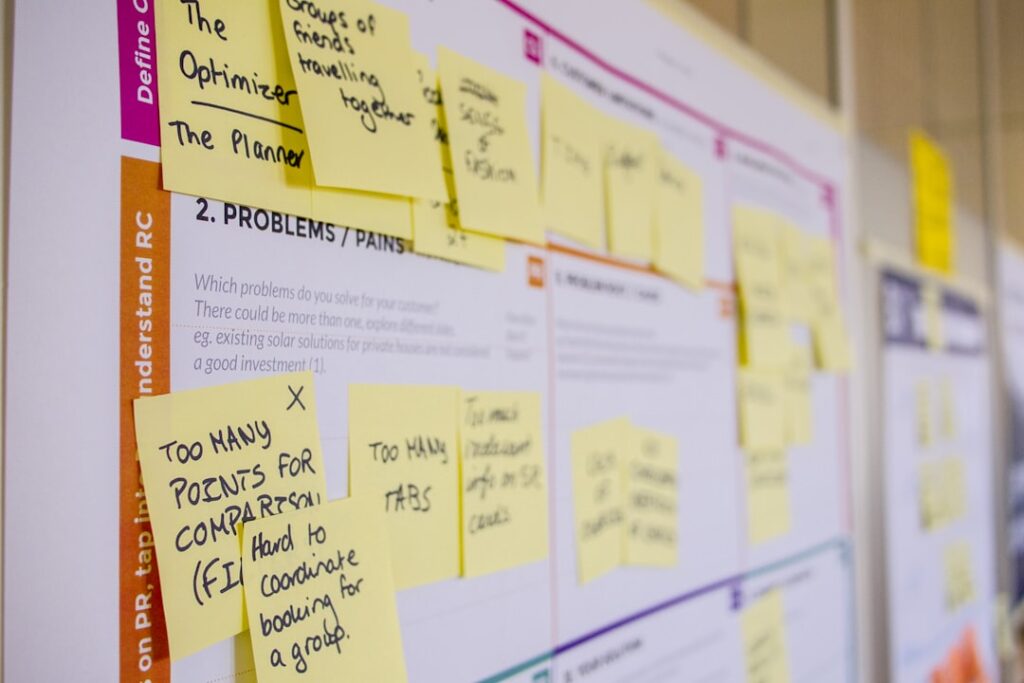
User experience (UX) encompasses the overall interaction a person has with a product, service, or system. It is a multifaceted concept that includes usability, accessibility, and the emotional response elicited during the interaction. Understanding user experience requires a deep dive into how users perceive and engage with a product, which can vary significantly based on individual preferences, cultural backgrounds, and contextual factors.
For instance, a mobile application designed for a younger audience may prioritize vibrant colors and gamified elements, while an application aimed at older adults might focus on simplicity and clarity in navigation. To truly grasp the nuances of user experience, one must consider the entire journey a user undertakes, from initial awareness to post-interaction feedback. This journey is often mapped out in what is known as a user journey map, which visually represents the steps users take while interacting with a product.
Each touchpoint in this journey can significantly influence the user’s perception and satisfaction. For example, if a user encounters a frustrating error message during the checkout process of an e-commerce site, it can lead to abandonment of the cart and a negative impression of the brand. Therefore, understanding user experience is not merely about aesthetics or functionality; it is about creating a seamless and enjoyable interaction that meets users’ needs and expectations.
Key Takeaways
- Understanding the User Experience is crucial for creating products that meet the needs and expectations of users.
- User-Centered Design is important for ensuring that the design process is focused on the needs and preferences of the end users.
- Empathy and User Research are essential for gaining insights into the needs, behaviors, and motivations of users.
- Designing for Accessibility and Inclusivity is necessary for ensuring that products are usable by a wide range of people, including those with disabilities.
- Iterative Design and Testing are important for refining and improving the user experience based on feedback and testing results.
Importance of User-Centered Design
User-centered design (UCD) is an approach that places the user at the forefront of the design process. This methodology emphasizes understanding users’ needs, preferences, and behaviors to create products that are not only functional but also enjoyable to use. The importance of UCD cannot be overstated; it leads to higher user satisfaction, increased engagement, and ultimately better business outcomes.
When users feel that their needs are being prioritized, they are more likely to develop loyalty to a brand and recommend it to others. Implementing user-centered design involves several stages, including research, ideation, prototyping, and testing. Each stage is informed by user feedback, ensuring that the final product aligns closely with user expectations.
For example, when designing a new feature for a social media platform, conducting surveys and usability tests with actual users can reveal insights about their preferences for functionality and design. This iterative process allows designers to refine their ideas based on real-world feedback rather than assumptions, leading to more effective solutions that resonate with users.
Empathy and User Research

Empathy is a cornerstone of effective user experience design. It involves understanding users’ feelings, motivations, and challenges from their perspective. By cultivating empathy, designers can create solutions that genuinely address users’ pain points and enhance their overall experience.
User research plays a critical role in this process, providing valuable insights into users’ behaviors and preferences. Techniques such as interviews, surveys, and observational studies allow designers to gather qualitative and quantitative data that inform their design decisions. For instance, consider a healthcare app aimed at helping patients manage chronic conditions.
By empathizing with these challenges, designers can create features that simplify these tasks, such as reminders or easy-to-use tracking tools. This empathetic approach not only improves usability but also fosters a sense of trust between users and the product, as they feel understood and supported in their health journey.
Designing for Accessibility and Inclusivity
Designing for accessibility and inclusivity is essential in creating user experiences that cater to diverse populations. Accessibility ensures that products are usable by individuals with disabilities, while inclusivity broadens this focus to encompass various demographics, including age, culture, and socioeconomic status. The goal is to create experiences that are equitable for all users, regardless of their abilities or backgrounds.
To achieve this, designers must adhere to established guidelines such as the Web Content Accessibility Guidelines (WCAG), which provide standards for making web content more accessible. This includes considerations like text alternatives for images, keyboard navigability, and sufficient color contrast for readability. For example, an e-commerce website that incorporates these principles can ensure that visually impaired users can navigate the site using screen readers effectively.
Additionally, inclusive design practices might involve offering multiple language options or culturally relevant content to engage users from different backgrounds. By prioritizing accessibility and inclusivity, designers not only comply with legal standards but also expand their audience reach and enhance overall user satisfaction.
Iterative Design and Testing
The iterative design process is fundamental to creating effective user experiences. This approach involves continuously refining designs based on user feedback through multiple cycles of prototyping and testing. Rather than striving for perfection in the initial stages, designers embrace the idea that each iteration brings them closer to a solution that meets users’ needs more effectively.
For example, when developing a new mobile application, designers might start with low-fidelity wireframes to outline basic functionality. After conducting usability tests with potential users, they gather feedback on navigation issues or confusing elements. Armed with this information, they can make informed adjustments before moving on to higher-fidelity prototypes.
This cycle of testing and refinement not only enhances the final product but also fosters a culture of collaboration among team members who contribute diverse perspectives throughout the design process.
Collaboration and Communication in UX

Collaboration and communication are vital components of successful user experience design.
Effective collaboration ensures that all team members are aligned on project goals and understand the user’s perspective throughout the design process.
Regular communication channels such as meetings, workshops, and collaborative tools facilitate knowledge sharing among team members. For instance, using platforms like Figma or Miro allows designers to share prototypes and gather real-time feedback from developers and stakeholders. This collaborative environment encourages creativity and innovation while minimizing misunderstandings that could derail the project timeline.
Moreover, involving stakeholders early in the design process helps ensure that business objectives align with user needs, ultimately leading to more successful outcomes.
The Role of Psychology in UX
Psychology plays a significant role in shaping user experience design by providing insights into human behavior and decision-making processes. Understanding cognitive biases, emotional triggers, and behavioral patterns allows designers to create experiences that resonate with users on a deeper level. For instance, principles from behavioral psychology can inform how information is presented to guide users toward desired actions.
One notable example is the use of social proof in e-commerce design. By showcasing customer reviews or ratings prominently on product pages, designers leverage the psychological principle that people are influenced by the opinions of others when making purchasing decisions. Similarly, employing techniques such as scarcity—indicating limited stock availability—can create urgency and encourage users to complete their purchases promptly.
By integrating psychological principles into UX design strategies, designers can craft experiences that not only meet functional requirements but also engage users emotionally.
Ethical Considerations in User Experience
Ethical considerations are increasingly important in user experience design as technology continues to evolve rapidly. Designers must navigate complex issues related to privacy, data security, and user manipulation while striving to create positive experiences. Ethical UX design prioritizes transparency and respect for users’ rights while fostering trust between users and products.
For instance, when designing applications that collect personal data—such as health or financial information—designers must ensure that users are fully informed about how their data will be used and stored. Implementing clear consent mechanisms and providing options for data control empowers users while promoting ethical practices within the industry. Additionally, designers should be wary of dark patterns—design choices that manipulate users into taking actions they may not intend—such as misleading subscription models or hidden fees.
By adhering to ethical principles in UX design, professionals can contribute to building a more responsible digital landscape that prioritizes user well-being alongside business objectives.
If you enjoyed reading “The UX Mindset” by Various Authors, you may also be interested in checking out an article on Hellread titled “Hello World.” This article delves into the basics of programming and web development, providing valuable insights for beginners looking to enter the tech industry. You can read the article here.
FAQs
What is the UX mindset?
The UX mindset refers to the approach and mindset of focusing on the user experience when designing products or services. It involves understanding the needs and behaviors of users and creating solutions that are intuitive, easy to use, and enjoyable.
Why is the UX mindset important?
The UX mindset is important because it helps to create products and services that meet the needs and expectations of users. By focusing on the user experience, organizations can improve customer satisfaction, increase user engagement, and ultimately drive business success.
What are the key principles of the UX mindset?
Key principles of the UX mindset include empathy for the user, a focus on usability and accessibility, iterative design processes, and a commitment to continuous improvement based on user feedback.
How can organizations adopt the UX mindset?
Organizations can adopt the UX mindset by prioritizing user research and testing, involving users in the design process, training employees in UX principles, and creating a culture of continuous improvement and user-centric design.
What are the benefits of embracing the UX mindset?
Embracing the UX mindset can lead to improved customer satisfaction, increased user engagement, higher conversion rates, and a competitive advantage in the market. It can also lead to cost savings by reducing the need for redesigns and support.




