

Interaction design (IxD) is a discipline that focuses on creating engaging interfaces with well-thought-out behaviors. It encompasses the design of the interaction between users and products, particularly digital interfaces, ensuring that these interactions are intuitive, efficient, and enjoyable. As technology continues to evolve, the importance of interaction design has grown exponentially, influencing how users engage with software applications, websites, and even physical devices.
The goal of interaction design is not merely to create functional interfaces but to enhance the overall user experience by considering the user’s needs, preferences, and behaviors. At its core, interaction design is about understanding the relationship between users and technology. This relationship is shaped by various factors, including cultural context, user expectations, and the specific tasks users aim to accomplish.
Designers must consider these elements to create interfaces that facilitate seamless interactions. As we delve deeper into the evolution of human-computer interaction, it becomes evident that interaction design is not just a technical endeavor; it is a multidisciplinary field that draws from psychology, sociology, and cognitive science to create meaningful user experiences.
Key Takeaways
- Interaction design focuses on creating engaging and intuitive experiences for users when they interact with digital products and services.
- Human-computer interaction has evolved from command-line interfaces to graphical user interfaces, touchscreens, and voice-activated systems.
- User-centered design is crucial for creating products that meet the needs and preferences of the people who will use them.
- Principles of interaction design include consistency, visibility, feedback, and affordance to enhance usability and user experience.
- Designing for different interaction modes, such as touch, gesture, voice, and virtual reality, requires understanding the unique characteristics of each mode and tailoring the design accordingly.
- Prototyping plays a key role in interaction design by allowing designers to quickly test and iterate on their ideas before finalizing the product.
- Evaluating and testing interaction designs through usability testing and user feedback helps identify and address any issues before the product is launched.
- The future of interaction design will likely involve advancements in technologies such as augmented reality, artificial intelligence, and natural language processing, shaping new ways for users to interact with digital systems.
The Evolution of Human-Computer Interaction
Command-Line Interfaces and the Dawn of Computing
In the 1960s, computers were primarily used by researchers and scientists. Early interfaces were command-line based, requiring users to input text commands to perform tasks. This method was not only cumbersome but also limited to those with specialized knowledge.
The Graphical Revolution
As technology advanced, graphical user interfaces (GUIs) emerged in the 1980s, revolutionizing how users interacted with computers. The introduction of icons, windows, and menus made computing more accessible to the general public, allowing for a more intuitive interaction model.
The Internet, Mobile Devices, and Beyond
The evolution of HCI continued into the 1990s and 2000s with the rise of the internet and mobile devices. The advent of web browsers transformed how information was accessed and shared, leading to a new set of interaction paradigms. Designers began to focus on usability and user experience as critical components of web design.
This shift not only made devices more user-friendly but also paved the way for innovative applications that leveraged gestures and multi-touch interactions.
The Importance of User-Centered Design
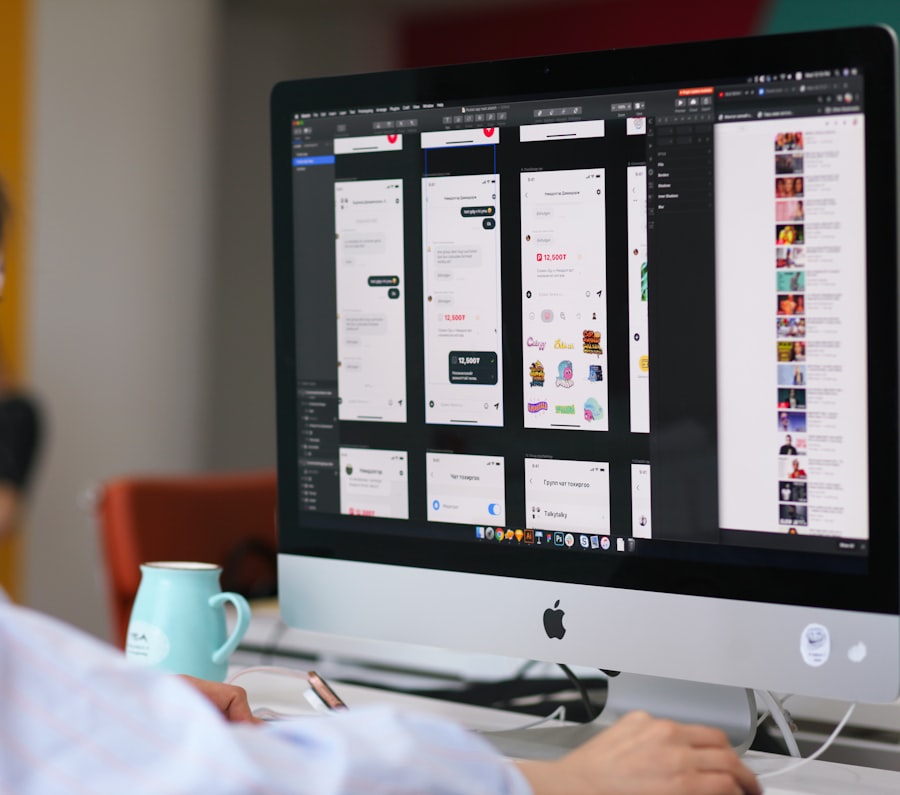
User-centered design (UCD) is a fundamental principle in interaction design that emphasizes the importance of understanding users’ needs and preferences throughout the design process. By involving users at every stage—from research and ideation to prototyping and testing—designers can create products that resonate with their target audience. UCD ensures that the final product is not only functional but also aligns with users’ expectations and enhances their overall experience.
One of the key benefits of user-centered design is its ability to reduce the risk of product failure. When designers prioritize user feedback and insights, they can identify potential issues early in the development process. For instance, conducting usability testing with real users can reveal pain points that designers may not have anticipated.
This iterative approach allows for continuous improvement, ultimately leading to a more polished and effective product. Moreover, UCD fosters a sense of ownership among users, as they feel their input has been valued in shaping the final outcome.
Principles of Interaction Design
Interaction design is guided by several core principles that help designers create effective and engaging interfaces. One such principle is consistency, which ensures that similar elements behave in similar ways across an interface. This predictability allows users to develop mental models of how to interact with a product, reducing cognitive load and enhancing usability.
For example, if a button performs a specific action in one part of an application, users will expect it to behave similarly elsewhere. Another essential principle is feedback, which involves providing users with clear responses to their actions. Feedback can take various forms, such as visual cues, sounds, or haptic responses.
For instance, when a user clicks a button, a change in color or an animation can indicate that their action has been recognized. This immediate feedback reassures users that they are on the right track and helps them understand the consequences of their actions within the interface.
Designing for Different Interaction Modes
As technology evolves, so do the modes of interaction available to users.
Each mode presents unique challenges and opportunities for engagement.
For instance, touch interactions require designers to think about finger size and precision, ensuring that buttons are adequately spaced for easy tapping without accidental clicks. Voice interaction has gained significant traction with the rise of virtual assistants like Siri and Alexa. Designing for voice requires a different approach than traditional graphical interfaces; it necessitates an understanding of natural language processing and conversational design principles.
Designers must anticipate user queries and provide clear responses while maintaining a natural flow in conversation. Similarly, gesture-based interactions demand an understanding of body movements and spatial awareness, as users may interact with devices in ways that are not confined to traditional input methods.
The Role of Prototyping in Interaction Design
The Role of Low-Fidelity Prototypes
Low-fidelity prototypes are particularly useful in the early stages of design when concepts are still being refined. They allow designers to focus on layout and functionality without getting bogged down by visual details. For example, paper prototypes can be quickly created and modified based on user interactions during testing sessions.
The Benefits of High-Fidelity Prototypes
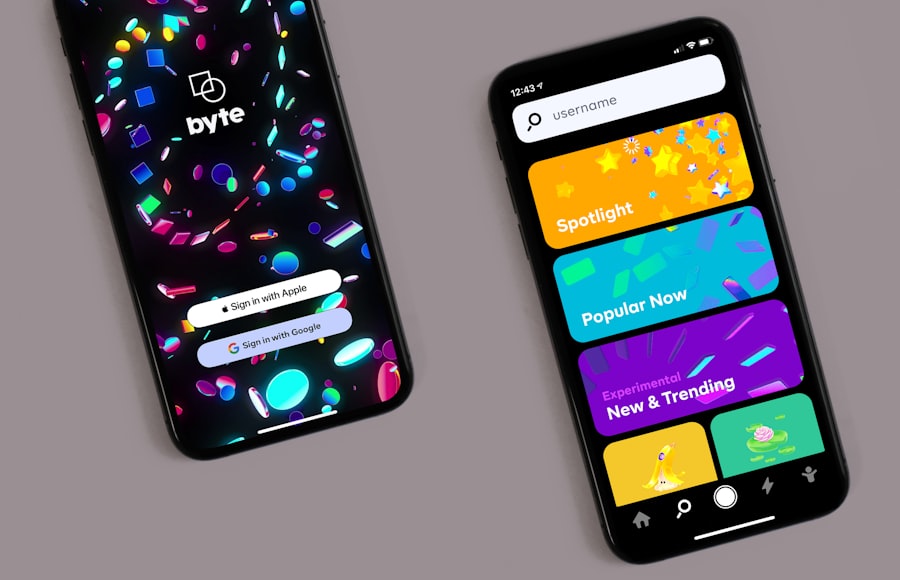
High-fidelity prototypes, on the other hand, are valuable for testing specific interactions and visual designs before implementation. Tools like Figma or Adobe XD enable designers to create interactive prototypes that simulate real user experiences, providing valuable insights into usability and overall satisfaction.
Iterating on Ideas with Prototyping
By using prototypes, designers can refine their ideas based on user feedback, making it an essential step in the interaction design process. Prototyping allows designers to explore different concepts, test assumptions, and validate design decisions, ultimately leading to a better final product.
Evaluating and Testing Interaction Designs
Evaluating and testing interaction designs is essential for ensuring that products meet user needs and expectations effectively. Various methods can be employed during this phase, including usability testing, A/B testing, and heuristic evaluations. Usability testing involves observing real users as they interact with a prototype or product to identify areas of confusion or frustration.
This method provides direct insights into how users navigate an interface and highlights potential improvements. A/B testing is another valuable technique used primarily in web design and digital marketing. It involves comparing two versions of a webpage or interface element to determine which performs better based on specific metrics such as click-through rates or conversion rates.
By analyzing user behavior across different variations, designers can make data-driven decisions about which design elements resonate most with their audience. Heuristic evaluations involve expert reviewers assessing an interface against established usability principles or heuristics. This method can be conducted relatively quickly and provides valuable insights based on best practices in interaction design.
By combining these evaluation methods, designers can gain a comprehensive understanding of how their designs perform in real-world scenarios.
The Future of Interaction Design
The future of interaction design is poised for exciting developments as technology continues to advance at an unprecedented pace. Emerging technologies such as artificial intelligence (AI), virtual reality (VR), and augmented reality (AR) are reshaping how users interact with digital content. AI-driven interfaces are becoming increasingly sophisticated, enabling personalized experiences that adapt to individual user preferences and behaviors.
Moreover, as AR and VR technologies mature, designers will need to rethink traditional interaction paradigms entirely. Immersive environments present unique challenges in terms of navigation and user engagement; designers must create intuitive ways for users to interact with virtual objects while maintaining a sense of presence within these spaces. This shift will require collaboration between interaction designers, developers, and researchers to explore new methodologies for creating effective experiences in these emerging domains.
As we look ahead, ethical considerations will also play a significant role in shaping the future of interaction design. Designers must grapple with issues related to privacy, accessibility, and inclusivity as they create products that cater to diverse audiences. By prioritizing ethical practices in their work, interaction designers can contribute positively to society while fostering innovation in this dynamic field.
If you are interested in exploring more about interaction design, you may want to check out the article “Hello World” on hellread.com. This article could provide additional insights and perspectives on the topic beyond what is covered in the book “Interaction Design: Beyond Human-Computer Interaction” by Jenny Preece, Yvonne Rogers, and Helen Sharp. It is always beneficial to gather information from various sources to deepen your understanding of a subject.
FAQs
What is interaction design?
Interaction design is the design of interactive products and services in which a user interacts with a system to achieve their goals. It focuses on creating meaningful and efficient interactions between users and technology.
What are the key principles of interaction design?
The key principles of interaction design include understanding user needs and behaviors, designing for usability and accessibility, creating a seamless and intuitive user experience, and considering the context in which the interaction takes place.
What are the main goals of interaction design?
The main goals of interaction design are to create products and services that are easy to use, efficient, and enjoyable for the user. It aims to enhance the overall user experience and satisfaction with the technology.
What are some examples of interaction design in everyday life?
Examples of interaction design in everyday life include smartphone apps, websites, smart home devices, ATMs, self-service kiosks, and video game interfaces. These products and services are designed to facilitate user interactions and achieve specific goals.
What are the key considerations in interaction design?
Key considerations in interaction design include understanding user needs and behaviors, designing for different user contexts and environments, ensuring usability and accessibility, and incorporating feedback and iteration into the design process.




