

Drexel Burnham Lambert emerged in the late 20th century as a formidable force on Wall Street, primarily due to its innovative approach to financing through junk bonds. Founded in 1935, the firm initially focused on traditional investment banking but underwent a significant transformation in the 1980s under the leadership of Michael Milken. This transformation was marked by a strategic pivot towards high-yield bonds, commonly referred to as junk bonds, which were seen as risky investments but offered substantial returns.
The firm capitalized on the growing appetite for leveraged buyouts (LBOs) and corporate takeovers, which were often financed through these high-yield instruments. The rise of Drexel Burnham was not merely a product of financial innovation; it was also a reflection of the broader economic landscape of the time. The 1980s were characterized by deregulation and a booming economy, which created fertile ground for aggressive investment strategies.
Drexel’s ability to identify undervalued companies and finance their acquisitions through junk bonds allowed it to dominate the market. The firm became synonymous with the so-called “junk bond raiders,” who would target struggling companies, acquire them, and often restructure them for profit. This aggressive approach not only reshaped corporate America but also redefined the role of investment banks in the financial ecosystem.
Key Takeaways
- Drexel Burnham rose to prominence through the use of junk bonds and aggressive takeover tactics
- Michael Milken was a key figure in the junk bond market, earning the nickname “The King of Junk Bonds”
- “The Predators’ Ball” provides a behind-the-scenes look at the culture and practices of Drexel Burnham
- Drexel Burnham had a significant impact on Wall Street, revolutionizing the bond market and corporate takeovers
- The downfall of Drexel Burnham and Michael Milken was marked by legal troubles and financial collapse
- The legacy of Drexel Burnham and the junk bond era continues to influence financial markets and corporate practices
- The legal and ethical controversies surrounding Drexel Burnham raised questions about the practices of Wall Street
- The Drexel Burnham story offers important lessons about corporate ethics, financial regulation, and the dangers of unchecked ambition
Michael Milken: The King of Junk Bonds
At the heart of Drexel Burnham’s success was Michael Milken, a brilliant financier whose innovative strategies revolutionized the bond market. Milken’s vision was rooted in the belief that high-yield bonds could be a legitimate asset class, despite their reputation for risk. He recognized that many companies with solid business models were overlooked by traditional investors due to their lower credit ratings.
By championing these bonds, Milken opened up new avenues for capital that had previously been inaccessible to many firms. Milken’s approach was not just about selling bonds; it was about creating a marketplace for them. He developed sophisticated financial models that allowed investors to assess the risks and rewards associated with junk bonds more effectively.
His efforts led to an explosion in the issuance of high-yield debt, with Drexel Burnham becoming the leading underwriter in this space. Milken’s influence extended beyond mere numbers; he became a cultural icon of the 1980s, embodying the era’s ethos of risk-taking and financial innovation. His ability to connect with investors and articulate the potential of junk bonds made him a pivotal figure in Wall Street’s transformation during this period.
The Predators’ Ball: A Look Inside Drexel Burnham
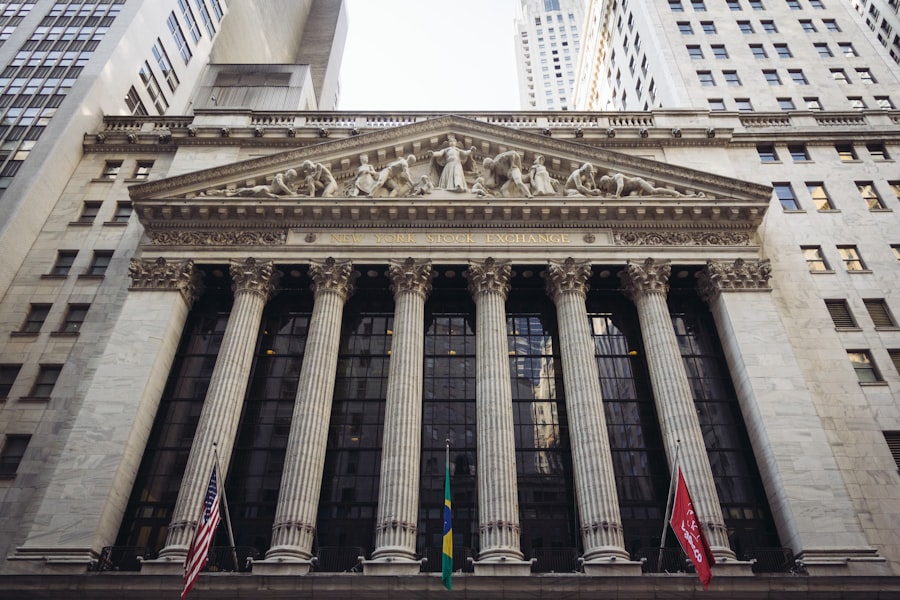
The “Predators’ Ball,” a term coined to describe the lavish annual gatherings hosted by Drexel Burnham, epitomized the firm’s audacious culture and its embrace of high-stakes finance. These events were not merely social gatherings; they were showcases of power, wealth, and influence within the financial world. Attended by corporate raiders, investment bankers, and high-profile investors, the Predators’ Ball celebrated the aggressive tactics that defined the junk bond era.
It was here that deals were brokered, alliances formed, and reputations solidified. Inside Drexel Burnham, a unique corporate culture thrived, characterized by intense competition and a relentless pursuit of profit. Employees were encouraged to take risks and think outside conventional boundaries, fostering an environment where innovation flourished.
The firm’s trading floors buzzed with energy as brokers engaged in frenetic deal-making, often fueled by a sense of urgency and ambition. This atmosphere attracted some of the brightest minds in finance, all eager to capitalize on the burgeoning junk bond market. However, this cutthroat environment also sowed the seeds for ethical dilemmas and questionable practices that would later come to light.
The Impact of Drexel Burnham on Wall Street
Drexel Burnham’s influence on Wall Street was profound and far-reaching. The firm’s pioneering role in popularizing junk bonds fundamentally altered how companies accessed capital. Prior to Drexel’s ascent, many firms relied heavily on traditional bank loans or equity financing.
However, with the introduction of high-yield bonds, companies could tap into a new source of funding that allowed for greater flexibility and creativity in their financial strategies. This shift not only empowered corporations but also democratized access to capital markets for smaller firms that had previously been sidelined. Moreover, Drexel Burnham’s aggressive tactics in corporate takeovers reshaped the landscape of American business.
The firm played a crucial role in facilitating leveraged buyouts that transformed entire industries. Companies that were once considered stagnant or underperforming were revitalized through strategic acquisitions and restructuring efforts funded by junk bonds. This wave of corporate activity led to significant changes in management practices and corporate governance as firms sought to maximize shareholder value in an increasingly competitive environment.
The legacy of Drexel Burnham can be seen in the continued prevalence of LBOs and high-yield debt as essential components of modern finance.
The Downfall of Drexel Burnham and Michael Milken
Despite its meteoric rise, Drexel Burnham’s trajectory was not without turbulence. The very practices that had propelled the firm to success ultimately contributed to its downfall. In the late 1980s, regulatory scrutiny intensified as concerns about insider trading and market manipulation began to surface.
Michael Milken himself became a focal point of these investigations, with allegations of securities fraud and racketeering casting a shadow over his legacy. In 1989, he was indicted on multiple counts, leading to a dramatic fall from grace for both Milken and Drexel Burnham. The collapse of Drexel Burnham was swift and devastating.
In 1990, the firm filed for bankruptcy after being unable to withstand the mounting legal pressures and loss of investor confidence. The once-mighty institution that had redefined Wall Street was reduced to a cautionary tale about excess and ethical lapses in finance. Milken’s conviction and subsequent prison sentence marked a significant turning point in Wall Street’s history, prompting a reevaluation of regulatory practices and ethical standards within the industry.
The Legacy of Drexel Burnham and the Junk Bond Era

The legacy of Drexel Burnham extends far beyond its rise and fall; it fundamentally altered the landscape of finance and corporate America. The junk bond era ushered in a new age of capital markets where risk-taking became more accepted and even celebrated. While many viewed junk bonds as instruments of speculation, they also provided opportunities for companies to innovate and grow in ways that were previously unimaginable.
The ability to access capital through high-yield debt has since become an integral part of corporate finance strategies. Furthermore, Drexel Burnham’s impact can be seen in the evolution of investment banking itself. The firm’s aggressive approach to underwriting and trading set new standards for how deals were structured and executed.
Many practices pioneered by Drexel have been adopted by subsequent generations of investment banks, influencing everything from mergers and acquisitions to private equity investments.
The Legal and Ethical Controversies Surrounding Drexel Burnham
The story of Drexel Burnham is not complete without addressing the legal and ethical controversies that surrounded its operations.
Allegations of insider trading, market manipulation, and conflicts of interest became increasingly common as regulators scrutinized its activities.
The aggressive tactics employed by Milken and his team raised questions about the ethical implications of their strategies, particularly regarding their impact on shareholders and employees at targeted companies. The legal battles culminated in Milken’s indictment and subsequent conviction for securities fraud, which sent shockwaves through Wall Street. This moment served as a wake-up call for regulators who recognized the need for stricter oversight in an industry characterized by rapid innovation and complex financial instruments.
The fallout from these controversies prompted significant changes in regulatory frameworks governing investment banking practices, leading to increased transparency requirements and stricter enforcement mechanisms designed to protect investors.
The Lessons Learned from the Drexel Burnham Story
The saga of Drexel Burnham offers valuable lessons for both investors and financial professionals alike. One key takeaway is the importance of ethical conduct in finance; while innovation can drive growth and create opportunities, it must be balanced with integrity and accountability. The excesses witnessed during the junk bond era serve as a reminder that unchecked ambition can lead to disastrous consequences not only for individuals but also for entire institutions.
Additionally, the story underscores the need for robust regulatory frameworks that can adapt to evolving market conditions while safeguarding investor interests. As financial markets continue to innovate with new products and technologies, regulators must remain vigilant in ensuring that ethical standards are upheld. Ultimately, the legacy of Drexel Burnham serves as both an inspiration for innovation in finance and a cautionary tale about the perils of excess without oversight.
If you enjoyed reading about the rise of junk bond raiders in “The Predators’ Ball” by Connie Bruck, you may also be interested in exploring the article “Hello World” on Hellread.com. This article delves into the world of high finance and the impact of globalization on the economy. It provides a thought-provoking perspective on the interconnectedness of markets and the power dynamics at play in the financial world. Check it out here for a fascinating read.
FAQs
What is The Predators’ Ball: The Inside Story of Drexel Burnham and the Rise of the Junk Bond Raiders by Connie Bruck about?
The Predators’ Ball is a non-fiction book by Connie Bruck that provides an inside look at the rise of Drexel Burnham Lambert and the junk bond market in the 1980s. It explores the personalities and events that shaped the era of corporate raiders and hostile takeovers.
Who is the author of The Predators’ Ball?
The author of The Predators’ Ball is Connie Bruck, an American journalist and staff writer at The New Yorker. She is known for her in-depth reporting on business and politics.
What is Drexel Burnham Lambert?
Drexel Burnham Lambert was a prominent investment bank in the 1980s, known for pioneering the junk bond market and playing a key role in financing corporate takeovers and restructurings. The firm ultimately collapsed in 1990 due to legal and financial troubles.
What are junk bonds?
Junk bonds, also known as high-yield bonds, are debt securities issued by companies with lower credit ratings. They offer higher returns to investors but also carry a higher risk of default. In the 1980s, Drexel Burnham Lambert played a major role in popularizing and trading these high-risk, high-yield bonds.
What is the significance of The Predators’ Ball?
The Predators’ Ball provides a detailed account of the financial and corporate landscape of the 1980s, shedding light on the rise of junk bonds, corporate raiders, and the excesses of Wall Street during that era. It offers valuable insights into the world of high finance and the individuals who shaped it.




