

Elon Musk was born on June 28, 1971, in Pretoria, South Africa. His early life was marked by a keen interest in technology and innovation, which was evident from a young age. Musk’s father, Errol Musk, was an electromechanical engineer, while his mother, Maye Musk, was a model and dietitian.
This unique blend of technical and creative influences shaped Musk’s worldview and aspirations. By the age of 12, he had already developed a video game called Blastar, which he sold for approximately $500. This early entrepreneurial spirit foreshadowed his future endeavors in technology and business.
Musk’s educational journey began at Waterkloof House Preparatory School and later continued at Pretoria Boys High School. His academic prowess was evident, but he often felt like an outsider due to his interests and ambitions. In pursuit of greater opportunities, Musk moved to Canada at the age of 17 to attend Queen’s University in Kingston, Ontario.
After two years, he transferred to the University of Pennsylvania, where he earned dual degrees in physics and economics. This diverse educational background provided him with a solid foundation in both the scientific principles that govern technology and the economic strategies necessary for successful entrepreneurship.
Key Takeaways
- Elon Musk was born in South Africa and moved to the United States to attend college at the University of Pennsylvania.
- Musk co-founded Zip2, X.com (which later became PayPal), and founded SpaceX and Tesla Motors, among other ventures.
- Tesla has revolutionized the automotive industry with its electric vehicles and sustainable energy solutions.
- SpaceX has pioneered space exploration with its reusable rockets and ambitious plans for Mars colonization.
- Musk envisions a future with sustainable energy, interplanetary travel, and artificial intelligence, but faces challenges and controversies along the way.
Entrepreneurial Ventures
Musk’s entrepreneurial journey began in earnest with the founding of Zip2 in 1996, a company that provided online business directories and maps for newspapers. The venture was a significant success, attracting attention from major players in the tech industry. In 1999, Compaq acquired Zip2 for approximately $307 million, providing Musk with his first substantial financial windfall.
This initial success fueled his ambition and set the stage for future ventures. Following the sale of Zip2, Musk co-founded
com in 1999, an online payment company that later became PayPal after a merger with Confinity. Under Musk’s leadership, com evolved into a leading online payment platform, revolutionizing how people conducted financial transactions over the internet. In 2002, eBay acquired PayPal for $1.5 billion in stock, further solidifying Musk’s reputation as a visionary entrepreneur.
These early ventures not only showcased his ability to identify market opportunities but also laid the groundwork for his later successes in the automotive and aerospace industries.
Tesla: Revolutionizing the Automotive Industry
In 2004, Musk joined Tesla Motors as chairman of the board and later became its CEO and product architect. At a time when the automotive industry was dominated by traditional gasoline-powered vehicles, Musk envisioned a future where electric cars could be both sustainable and desirable. Under his leadership, Tesla introduced the Roadster in 2008, which was the first highway-legal electric vehicle to use lithium-ion battery cells.
The Roadster demonstrated that electric cars could offer high performance and long-range capabilities, challenging preconceived notions about electric vehicles. Tesla’s success continued with the launch of the Model S in 2012, which received widespread acclaim for its design, performance, and safety features. The Model S not only won numerous awards but also established Tesla as a serious competitor in the automotive market.
Musk’s relentless pursuit of innovation led to advancements in battery technology and autonomous driving capabilities, positioning Tesla at the forefront of the electric vehicle revolution. The company’s Gigafactories have further expanded production capacity while driving down costs, making electric vehicles more accessible to consumers.
SpaceX: Pioneering Space Exploration
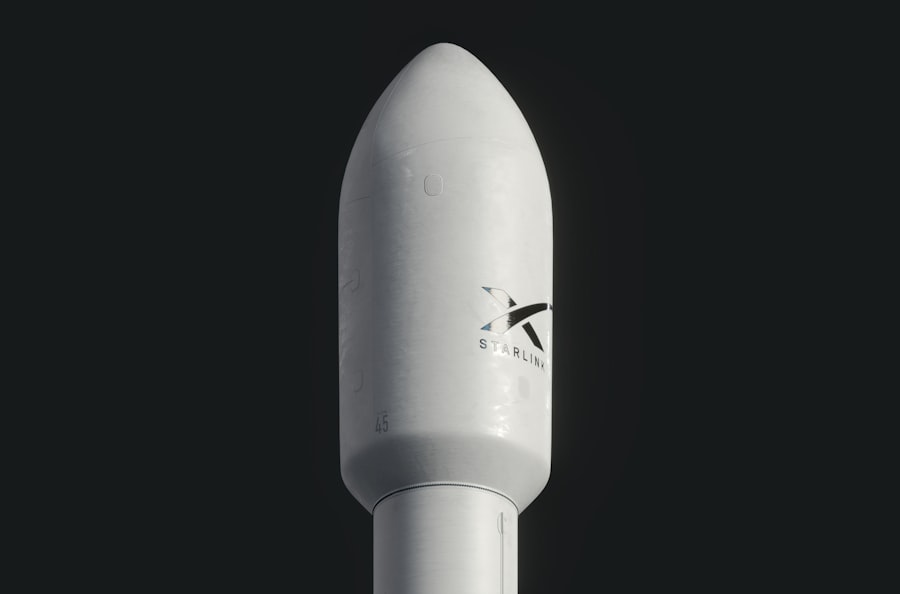
In addition to his work with Tesla, Musk founded SpaceX in 2002 with the ambitious goal of reducing space transportation costs and enabling the colonization of Mars. The company’s first major achievement came in 2008 when its Falcon 1 rocket became the first privately developed liquid-fueled rocket to reach orbit. This milestone marked a significant turning point in the aerospace industry, demonstrating that private companies could successfully compete with government agencies like NASA.
SpaceX continued to push boundaries with the development of the Falcon 9 rocket and the Dragon spacecraft. In 2012, Dragon became the first commercial spacecraft to deliver cargo to the International Space Station (ISS), further solidifying SpaceX’s reputation as a leader in space exploration. The successful launch and landing of the Falcon 9’s first stage marked another groundbreaking achievement, showcasing reusable rocket technology that significantly reduces costs associated with space travel.
Musk’s vision for interplanetary colonization culminated in the development of the Starship spacecraft, designed for missions to Mars and beyond.
The Vision for a Fantastic Future
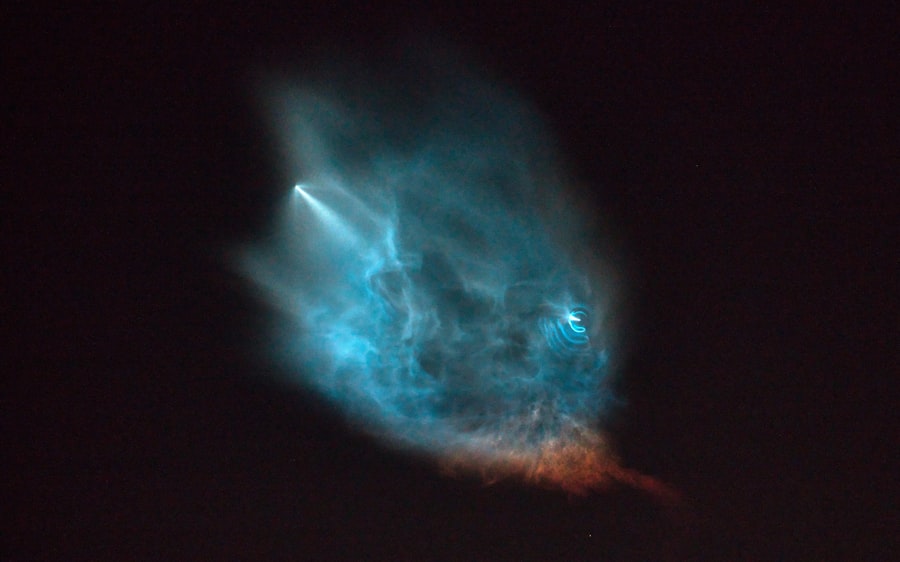
Musk’s vision extends beyond electric vehicles and space exploration; he is also deeply invested in addressing global challenges such as climate change and sustainable energy. His commitment to renewable energy is exemplified by SolarCity, a solar energy services company co-founded by his cousins in 2006. Musk has consistently advocated for a transition to sustainable energy sources, believing that humanity must shift away from fossil fuels to mitigate environmental impacts.
In addition to his work with Tesla and SolarCity, Musk has proposed ambitious projects like the Hyperloop—a high-speed transportation system that could revolutionize travel between cities—and Neuralink, a neurotechnology company focused on developing brain-computer interfaces. These initiatives reflect his belief that technological advancements can lead to a better future for humanity. Musk envisions a world where sustainable energy powers our lives, interplanetary travel is commonplace, and human potential is enhanced through technology.
Challenges and Controversies
Despite his numerous successes, Musk’s journey has not been without challenges and controversies. His management style has often been described as demanding and intense, leading to high employee turnover rates at Tesla and SpaceX. Critics have raised concerns about workplace culture and labor practices within these companies.
Additionally, Musk’s public statements—often made via Twitter—have sparked controversy and legal scrutiny. For instance, his tweet about taking Tesla private at $420 per share led to an investigation by the Securities and Exchange Commission (SEC), resulting in a settlement that required him to step down as chairman for three years. Moreover, Musk has faced criticism regarding his approach to safety regulations and labor rights within Tesla’s factories.
Reports of injuries and unsafe working conditions have raised questions about his commitment to employee welfare. Despite these challenges, Musk has remained undeterred in his pursuit of innovation and progress. His willingness to take risks has often paid off, but it has also drawn scrutiny from regulators and labor advocates alike.
Personal Life and Influence
Elon Musk’s personal life has been as dynamic as his professional endeavors. He has been married three times—twice to Talulah Riley—and has several children from different relationships. His family life often intersects with his work; for instance, he named one of his children X Æ A-Xii, reflecting his affinity for technology and futurism.
Musk’s relationships have garnered media attention not only due to their high-profile nature but also because they often reflect his unconventional approach to life. Musk’s influence extends beyond business; he is regarded as a cultural icon who embodies the spirit of innovation and entrepreneurship. His ability to inspire others is evident through his public speaking engagements and social media presence.
He has amassed millions of followers on platforms like Twitter, where he shares insights about technology, space exploration, and sustainability.
Legacy and Impact
Elon Musk’s legacy is characterized by his relentless pursuit of innovation across multiple industries. He has fundamentally altered perceptions of electric vehicles through Tesla, making them synonymous with performance and desirability rather than compromise. His work with SpaceX has not only revitalized interest in space exploration but has also paved the way for commercial space travel—a concept once thought to be relegated to science fiction.
Musk’s impact on renewable energy cannot be overstated; he has played a pivotal role in popularizing solar energy solutions through SolarCity and advocating for sustainable practices across industries. His vision for a future powered by clean energy sources continues to inspire entrepreneurs and innovators worldwide. As we look ahead, it is clear that Elon Musk’s influence will endure long after his time as a business leader has passed.
His contributions have sparked conversations about what is possible when ambition meets innovation—a legacy that will undoubtedly shape future generations’ approach to technology and sustainability.
If you’re interested in learning more about Elon Musk and his ambitious ventures, you should check out the book “Elon Musk: Tesla, SpaceX, and the Quest for a Fantastic Future” by Ashlee Vance. This biography delves into the life and career of the innovative entrepreneur, providing insights into his successes and challenges. For more intriguing articles on technology and innovation, you can visit hellread.com.
FAQs
What is the book “Elon Musk: Tesla, SpaceX, and the Quest for a Fantastic Future” about?
The book “Elon Musk: Tesla, SpaceX, and the Quest for a Fantastic Future” by Ashlee Vance is a biography of Elon Musk, the entrepreneur and CEO of Tesla, SpaceX, and other companies. It provides an in-depth look at Musk’s life, career, and vision for the future.
Who is the author of “Elon Musk: Tesla, SpaceX, and the Quest for a Fantastic Future”?
The author of “Elon Musk: Tesla, SpaceX, and the Quest for a Fantastic Future” is Ashlee Vance, a technology reporter for Bloomberg Businessweek.
What are some of the key topics covered in the book?
The book covers Elon Musk’s early life, his founding of companies like Zip2, PayPal, Tesla, and SpaceX, as well as his vision for the future of space exploration, renewable energy, and transportation.
Is the book based on interviews with Elon Musk?
Yes, the author conducted numerous interviews with Elon Musk, as well as with Musk’s family members, friends, and colleagues, to provide a comprehensive and balanced portrayal of Musk’s life and work.
What is the overall reception of the book?
The book has received generally positive reviews, with many praising its thorough research and engaging storytelling. It has been lauded for providing insight into Musk’s personality, drive, and ambitious goals.




