

The concept of “The Hungry Brain” delves into the intricate relationship between our neurological processes and our eating behaviors. This term encapsulates the idea that our brains are not merely passive observers of hunger but active participants in the regulation of appetite and food intake.
Understanding this relationship is crucial, especially in an age where obesity and related health issues are on the rise. By exploring how the brain influences our hunger signals, we can better comprehend the challenges many face in managing their weight and making healthier food choices. The study of The Hungry Brain also highlights the evolutionary aspects of our eating behaviors.
Our ancestors developed mechanisms to ensure survival in environments where food was scarce. These mechanisms, while beneficial in the past, can lead to maladaptive behaviors in today’s world, where food is often abundant and easily accessible. The brain’s wiring, designed to promote energy intake and storage, can sometimes work against us, leading to overeating and unhealthy dietary patterns.
This article will explore various dimensions of this topic, including the brain’s role in hunger, the impact of genetics and hormones, and strategies for managing appetite effectively.
Key Takeaways
- The Hungry Brain explores the complex relationship between the brain and hunger, shedding light on the factors that influence our eating behavior.
- Understanding the brain’s role in hunger and eating behavior can help us make more informed choices about our diet and lifestyle.
- The food environment has a significant impact on brain signals related to hunger and appetite, influencing our food choices and consumption.
- Genetics and hormones play a crucial role in regulating hunger and eating, highlighting the importance of individualized approaches to managing appetite.
- Brain inflammation can disrupt appetite regulation, emphasizing the need to address underlying health issues for effective appetite management.
Understanding the Brain’s Role in Hunger and Eating Behavior
At the core of hunger regulation lies a network of brain regions that communicate with each other to balance energy intake and expenditure. The hypothalamus is a critical player in this system, acting as a central hub for processing signals related to hunger and satiety. Within the hypothalamus, specific nuclei such as the arcuate nucleus and the ventromedial nucleus are responsible for integrating hormonal signals from the body that indicate energy status.
For instance, when energy levels are low, hormones like ghrelin are released, stimulating appetite and prompting food-seeking behavior. Conversely, when we eat, hormones such as leptin signal fullness, helping to curb further intake. Neurotransmitters also play a significant role in modulating hunger and eating behavior.
Dopamine, often associated with pleasure and reward, can influence our desire for food, particularly high-calorie options. When we consume foods that are rich in sugar or fat, dopamine levels rise, reinforcing the behavior and making us more likely to seek out similar foods in the future. This reward-driven aspect of eating can create a cycle where individuals find themselves reaching for unhealthy options repeatedly, driven by both biological urges and learned behaviors.
The Influence of Food Environment on Brain Signals
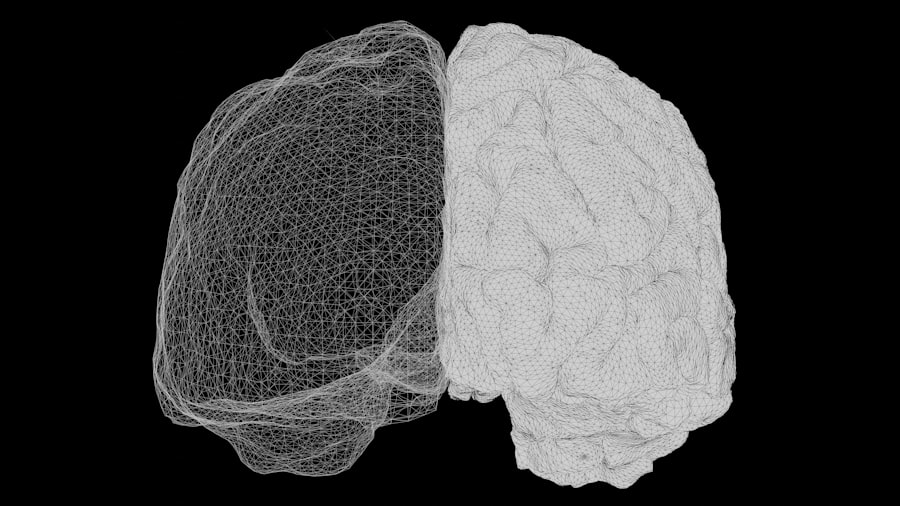
The environment in which we find ourselves significantly impacts our eating behaviors and the signals our brains receive regarding hunger. The modern food landscape is characterized by an abundance of highly palatable foods that are often high in sugar, fat, and salt. These foods are not only readily available but are also marketed aggressively, creating a sensory-rich environment that can overwhelm our natural hunger cues.
Research has shown that exposure to such environments can alter brain activity related to food reward pathways, making it more challenging to resist unhealthy options. Moreover, social factors play a crucial role in shaping our eating habits. For instance, dining with others can lead to increased food consumption due to social norms or peer pressure.
The presence of larger portion sizes or an array of food choices can also trigger overeating by influencing our perception of what constitutes a normal amount to eat. The brain’s response to these environmental cues can override internal signals of hunger and satiety, leading to patterns of eating that may not align with actual energy needs.
How Genetics and Hormones Impact Hunger and Eating
Genetics plays a significant role in determining individual differences in hunger and eating behaviors. Variations in genes related to appetite regulation can influence how we respond to hunger signals and how much we eat. For example, certain genetic polymorphisms have been linked to variations in leptin sensitivity or ghrelin production, which can affect an individual’s propensity to gain weight or their ability to regulate appetite effectively.
Understanding these genetic factors can provide insights into why some individuals struggle more than others with weight management. Hormones are another critical component in the regulation of hunger and eating behavior. Beyond leptin and ghrelin, other hormones such as insulin and peptide YY also play essential roles in signaling satiety and regulating energy balance.
Insulin, for instance, not only helps control blood sugar levels but also influences appetite by acting on brain regions involved in hunger regulation. Disruptions in hormonal signaling can lead to increased appetite and cravings for specific types of foods, further complicating efforts to maintain a healthy diet.
The Role of Brain Inflammation in Appetite Regulation
Emerging research has highlighted the connection between brain inflammation and appetite regulation. Chronic inflammation within the brain can disrupt normal signaling pathways involved in hunger and satiety, leading to altered eating behaviors. This inflammation may be driven by various factors, including obesity, poor diet, and metabolic disorders.
When inflammatory markers are elevated, they can interfere with the brain’s ability to respond appropriately to hormones like leptin, which normally signal fullness. Additionally, inflammation can affect neurotransmitter systems that regulate mood and reward processing. For instance, increased inflammation has been associated with changes in dopamine signaling, which may contribute to cravings for high-calorie foods as a means of seeking comfort or pleasure.
This relationship between brain inflammation and appetite regulation underscores the importance of addressing underlying health issues that may contribute to both obesity and disordered eating patterns.
Strategies for Managing Hunger and Appetite
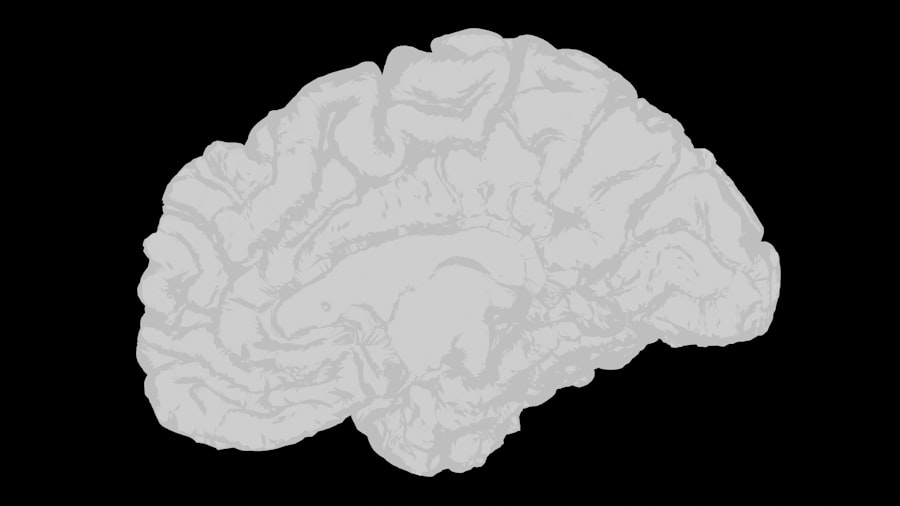
Given the complex interplay between the brain, genetics, hormones, and environmental factors in regulating hunger, developing effective strategies for managing appetite is essential for promoting healthier eating behaviors. One approach is mindful eating, which encourages individuals to pay attention to their hunger cues and make conscious choices about what and how much they eat. By slowing down during meals and savoring each bite, individuals can enhance their awareness of satiety signals and reduce the likelihood of overeating.
Another effective strategy involves creating a supportive food environment that promotes healthier choices. This can include stocking the pantry with nutritious foods while minimizing the availability of highly processed snacks.
Additionally, incorporating regular physical activity into daily routines can help regulate appetite by improving insulin sensitivity and promoting overall metabolic health.
The Connection Between the Brain and Overeating
The relationship between the brain’s signaling mechanisms and overeating is complex and multifaceted. Overeating often occurs when there is a disconnect between physiological hunger signals and psychological factors such as stress or emotional triggers. For many individuals, food serves as a source of comfort or reward during challenging times, leading to patterns of emotional eating that can contribute to weight gain over time.
Moreover, the brain’s reward system plays a pivotal role in reinforcing overeating behaviors. Highly palatable foods activate reward pathways more intensely than healthier options, creating a cycle where individuals seek out these foods repeatedly for their pleasurable effects. This cycle can be particularly challenging to break as it becomes ingrained over time; individuals may find themselves reaching for unhealthy foods even when they are not physically hungry.
Conclusion and Key Takeaways from The Hungry Brain
The exploration of The Hungry Brain reveals a complex interplay between biological mechanisms, environmental influences, genetic predispositions, and psychological factors that shape our eating behaviors. Understanding how these elements interact provides valuable insights into why managing hunger and appetite can be so challenging for many individuals. By recognizing the role of brain signaling in hunger regulation and implementing strategies such as mindful eating and creating supportive food environments, individuals can take proactive steps toward healthier eating habits.
Ultimately, addressing issues related to overeating requires a holistic approach that considers both physiological needs and psychological well-being. As research continues to uncover the intricacies of how our brains influence our relationship with food, it becomes increasingly clear that fostering a healthy connection with eating is essential for long-term health and wellness.
If you enjoyed reading The Hungry Brain by Stephan Guyenet, you may also be interested in checking out the article “Hello World” on Hellread. This article discusses the impact of technology on our brains and how it can influence our eating habits and overall health. To read more about this topic, you can visit this link.
FAQs
What is “The Hungry Brain” by Stephan Guyenet about?
“The Hungry Brain” is a book by Stephan Guyenet that explores the neuroscience and psychology of overeating and obesity. Guyenet delves into the complex interplay of biological, environmental, and psychological factors that contribute to our modern epidemic of overeating and obesity.
Who is Stephan Guyenet?
Stephan Guyenet is a neuroscientist and science writer who has a Ph.D. in neuroscience from the University of Washington. He is known for his research and writing on the topics of obesity, overeating, and the brain’s role in regulating food intake.
What are some key topics covered in “The Hungry Brain”?
Some key topics covered in “The Hungry Brain” include the brain’s regulation of food intake, the impact of modern food environments on eating behavior, the role of genetics and hormones in obesity, and the potential strategies for addressing overeating and obesity.
What are some of the main takeaways from “The Hungry Brain”?
Some main takeaways from “The Hungry Brain” include the idea that overeating and obesity are influenced by a complex interplay of biological, environmental, and psychological factors, and that understanding the brain’s role in regulating food intake is crucial for addressing these issues.
Is “The Hungry Brain” based on scientific research?
Yes, “The Hungry Brain” is based on scientific research, and Stephan Guyenet draws on a wide range of studies from neuroscience, psychology, and other related fields to support his arguments and insights.




