
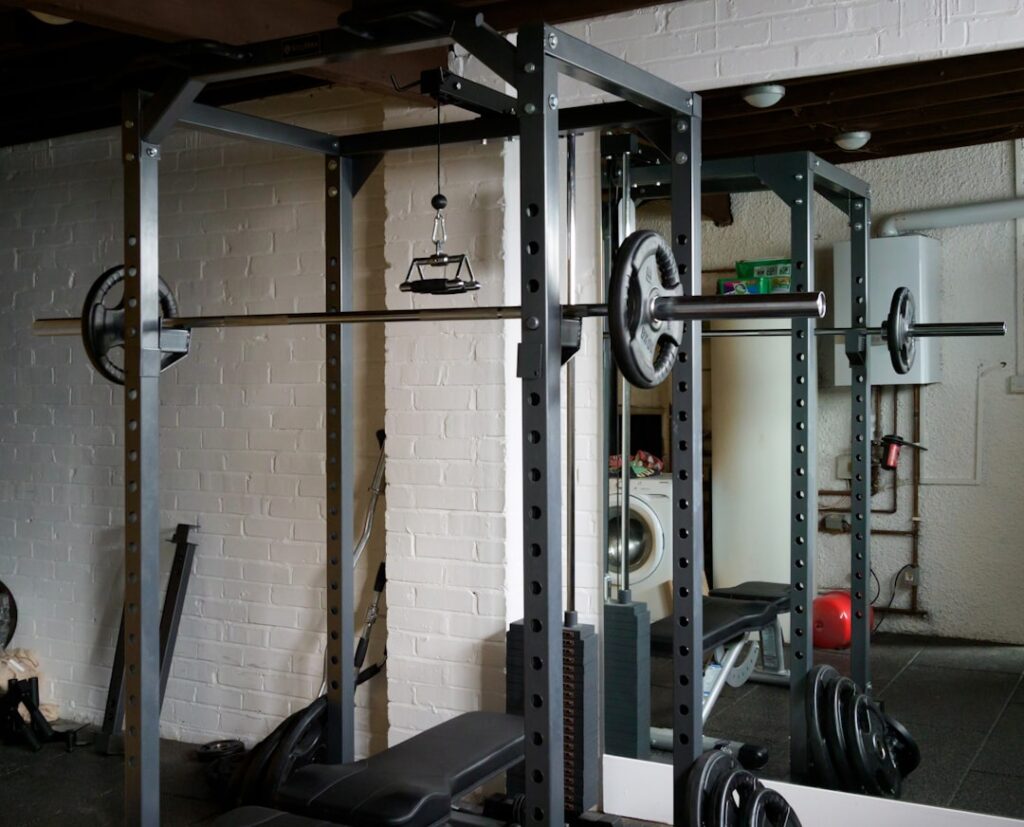
Weight training plays a pivotal role in the development of a wrestler’s physical capabilities. Unlike many other sports, wrestling demands a unique combination of strength, endurance, agility, and flexibility. The physicality of wrestling requires athletes to engage in intense grappling, which can be taxing on the body.
Therefore, a well-structured weight training program is essential for building the necessary muscle mass and strength to withstand the rigors of competition. By focusing on specific muscle groups and functional movements, wrestlers can enhance their performance on the mat, improve their ability to execute techniques, and increase their overall resilience against injuries. Moreover, weight training contributes significantly to a wrestler’s mental toughness.
The discipline required to lift weights and push through physical barriers translates directly to the mental fortitude needed during matches. As wrestlers lift heavier weights and achieve personal bests, they build confidence in their physical abilities. This confidence can be crucial when facing opponents in high-pressure situations.
Additionally, the physiological adaptations that occur from consistent weight training—such as increased muscle fiber recruitment and improved neuromuscular coordination—can lead to enhanced performance during matches, allowing wrestlers to execute techniques with greater efficiency and power.
Key Takeaways
- Weight training is crucial for wrestling as it helps improve strength, power, and endurance, leading to better performance on the mat.
- A well-designed weight training program for wrestling should focus on compound movements, functional strength, and explosive power.
- Key exercises for wrestling-specific strength and power include squats, deadlifts, bench press, and Olympic lifts like clean and snatch.
- Incorporating plyometrics and explosive movements into the training program can help wrestlers improve their speed, agility, and explosive power.
- Nutrition, recovery, injury prevention, mental preparation, and advanced techniques are all important aspects of a comprehensive weight training program for peak performance in wrestling.
Designing a Weight Training Program for Wrestling
Creating an effective weight training program for wrestlers involves understanding the specific demands of the sport and tailoring workouts to meet those needs. A well-rounded program should include exercises that target all major muscle groups while emphasizing functional strength and explosive power. Typically, a wrestling weight training program will incorporate compound movements such as squats, deadlifts, bench presses, and overhead presses.
These exercises engage multiple muscle groups simultaneously, promoting overall strength development that is essential for grappling. In addition to compound lifts, it is crucial to integrate sport-specific movements that mimic the actions performed during wrestling matches. For instance, exercises like kettlebell swings or medicine ball slams can help develop explosive power, while unilateral movements such as single-leg deadlifts can enhance balance and stability—key attributes for any wrestler.
For example, incorporating heavier weights with lower repetitions (3-5 reps) can build maximal strength, while moderate weights with higher repetitions (8-12 reps) can enhance muscular endurance.
Key Exercises for Wrestling-specific Strength and Power
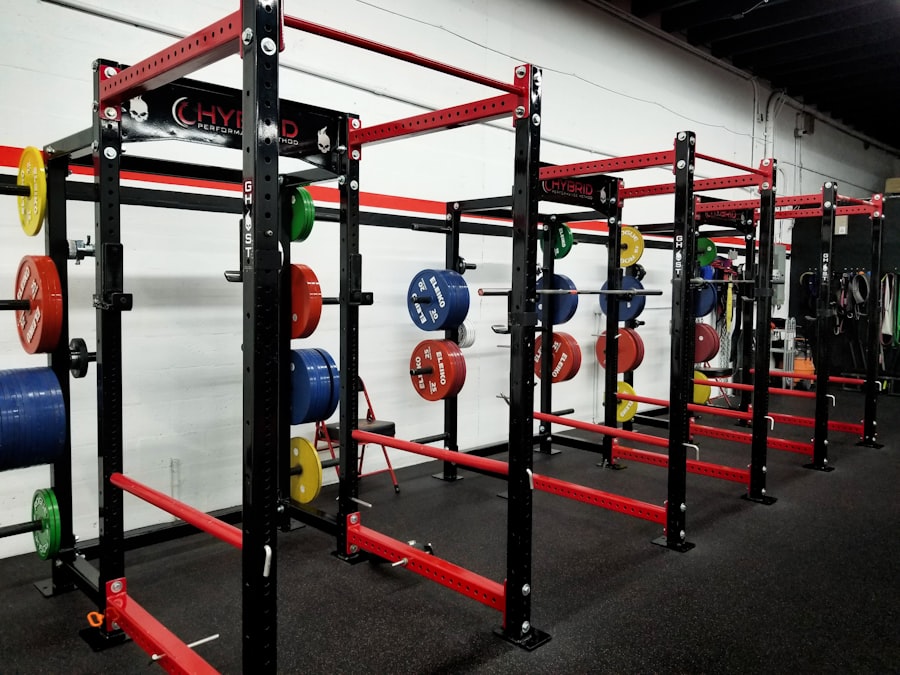
When designing a weight training regimen for wrestlers, certain exercises stand out due to their effectiveness in building wrestling-specific strength and power. The squat is one of the foundational lifts that should be included in any wrestler’s program. It targets the quadriceps, hamstrings, glutes, and core—muscles that are heavily engaged during takedowns and scrambles.
Variations such as front squats or overhead squats can further enhance core stability and functional strength. Another critical exercise is the deadlift, which not only strengthens the posterior chain but also mimics the lifting motions often required in wrestling. The conventional deadlift targets the lower back, glutes, and hamstrings, while variations like the sumo deadlift can help wrestlers develop strength in different positions.
Additionally, Olympic lifts such as the clean and jerk or snatch are excellent for developing explosive power and speed—qualities that are essential for quick takedowns and transitions on the mat. These lifts require coordination and technique, making them beneficial for improving overall athleticism.
Incorporating Plyometrics and Explosive Movements
Plyometric training is an essential component of a comprehensive weight training program for wrestlers. This type of training focuses on explosive movements that enhance power output and speed. Plyometrics involve rapid stretching followed by immediate contraction of muscles, which can significantly improve a wrestler’s ability to generate force quickly—a critical factor during matches when split-second decisions can determine victory or defeat.
Exercises such as box jumps, depth jumps, and plyometric push-ups are particularly effective for wrestlers. Box jumps not only develop leg power but also improve coordination and balance, which are vital when executing takedowns or defending against opponents. Depth jumps train the body to absorb force effectively while enhancing reactive strength.
Nutrition and Recovery for Wrestlers
Nutrition plays a fundamental role in a wrestler’s performance and recovery. Given the intense physical demands of the sport, wrestlers require a well-balanced diet that supports their energy needs while promoting muscle recovery and growth. A diet rich in lean proteins, complex carbohydrates, healthy fats, vitamins, and minerals is essential for optimal performance.
Protein sources such as chicken, fish, eggs, and legumes are crucial for muscle repair after intense training sessions. Carbohydrates serve as the primary fuel source for wrestlers during both training and competition. Foods like whole grains, fruits, and vegetables provide the necessary energy to sustain high-intensity efforts on the mat.
Additionally, hydration cannot be overlooked; maintaining proper fluid levels is vital for performance and recovery. Wrestlers should aim to drink water consistently throughout the day and consider electrolyte-rich beverages during intense training sessions or competitions. Recovery strategies are equally important in a wrestler’s training regimen.
Adequate sleep is essential for muscle recovery and overall well-being; athletes should aim for 7-9 hours of quality sleep each night. Active recovery techniques such as foam rolling, stretching, and low-intensity workouts can help alleviate muscle soreness and improve flexibility. Furthermore, incorporating rest days into a training schedule allows the body to recover fully from strenuous workouts.
Injury Prevention and Rehabilitation

Prevention is Key
A comprehensive warm-up routine that includes dynamic stretching and mobility exercises can prepare the body for the demands of wrestling practice or competition. Focusing on strengthening vulnerable areas—such as the shoulders, knees, and core—can also help mitigate injury risks.
Rehabilitation is Essential
In addition to preventive measures, understanding how to rehabilitate injuries effectively is essential for wrestlers who may find themselves sidelined at some point in their careers. Rehabilitation programs should be tailored to each specific injury but generally include a combination of rest, physical therapy exercises, and gradual reintroduction to activity.
Customized Rehabilitation Programs
For instance, if a wrestler suffers from a shoulder injury, rehabilitation may involve strengthening exercises for the rotator cuff alongside mobility work to restore range of motion.
Mental Preparation and Focus in Weight Training
Mental preparation is often overlooked in weight training programs but is equally important as physical conditioning for wrestlers. The psychological aspect of lifting weights can significantly influence performance on the mat. Developing a strong mindset involves setting clear goals for both weight training and wrestling performance.
Visualization techniques can be particularly effective; athletes can mentally rehearse their lifts or match scenarios to build confidence. Additionally, fostering focus during weight training sessions is crucial for maximizing results. Wrestlers should cultivate an environment that minimizes distractions while they train.
This might involve using music that motivates them or practicing mindfulness techniques to enhance concentration during workouts. The ability to maintain focus not only improves lifting performance but also translates into better mental clarity during matches.
Advanced Techniques for Peak Performance in Wrestling
As wrestlers progress in their training journey, incorporating advanced techniques can help them reach peak performance levels. Periodization is one such technique that involves varying training intensity and volume over specific cycles to optimize performance at key times throughout the season. By strategically planning training phases—such as hypertrophy, strength building, and peaking—wrestlers can ensure they are at their best when it matters most.
Another advanced technique is incorporating advanced lifting methods such as cluster sets or accommodating resistance (using bands or chains). Cluster sets allow athletes to perform multiple sets with short rest intervals between repetitions, promoting both strength gains and muscular endurance. Accommodating resistance provides varying levels of resistance throughout a lift’s range of motion, enhancing strength development at different points in the movement.
In conclusion, weight training is an indispensable component of a wrestler’s preparation regimen that encompasses various aspects—from designing effective programs to focusing on nutrition and mental preparation. By understanding these elements deeply and applying them strategically, wrestlers can enhance their performance on the mat while minimizing injury risks and maximizing recovery potential.
If you’re looking to improve your overall fitness and strength for wrestling, you may also be interested in checking out the article “Hello World” on Hellread.com. This article discusses the importance of setting fitness goals and staying motivated throughout your training journey. By incorporating the tips and advice from both “Hello World” and “The Ultimate Guide to Weight Training for Wrestling” by Rob Price, you can create a well-rounded fitness routine that will help you excel in the sport of wrestling. Check out the article here.
FAQs
What is the purpose of weight training for wrestling?
Weight training for wrestling is designed to improve strength, power, and endurance, which are essential for success in the sport. It can also help prevent injuries and improve overall athletic performance.
What are some key exercises for weight training for wrestling?
Key exercises for weight training for wrestling include squats, deadlifts, bench press, pull-ups, and various core exercises. These exercises target the major muscle groups used in wrestling and help develop functional strength.
How often should wrestlers engage in weight training?
Wrestlers should engage in weight training 2-3 times per week, with a focus on full-body workouts that incorporate compound exercises. It’s important to allow for adequate rest and recovery between sessions.
Are there specific weight training programs designed for wrestlers?
Yes, there are specific weight training programs designed for wrestlers that focus on developing strength, power, and endurance while also addressing the specific demands of the sport. These programs often incorporate periodization to ensure progress and prevent overtraining.
What are the benefits of weight training for wrestling?
The benefits of weight training for wrestling include improved strength, power, endurance, and overall athletic performance. It can also help prevent injuries and contribute to better body composition.
Is it important for wrestlers to maintain flexibility while weight training?
Yes, it is important for wrestlers to maintain flexibility while weight training. Incorporating flexibility exercises and mobility work into a weight training program can help prevent injuries and improve overall athletic performance.




