

The concept of “The Buying Brain” delves into the intricate relationship between neuroscience and consumer behavior, exploring how our brains influence purchasing decisions. As consumers, we often believe that our choices are driven by rational thought processes; however, research in neuroscience reveals that our decisions are significantly affected by subconscious factors. This intersection of brain science and marketing has given rise to a new field known as neuromarketing, which seeks to understand how consumers think, feel, and ultimately decide to buy.
By examining the neural mechanisms behind these processes, marketers can tailor their strategies to align with the innate tendencies of the human brain. Understanding the buying brain is not merely an academic exercise; it has profound implications for businesses seeking to enhance their marketing effectiveness. As competition intensifies across various industries, companies are increasingly turning to neuroscience to gain insights into consumer preferences and behaviors.
By leveraging findings from brain research, marketers can create campaigns that resonate more deeply with their target audiences, leading to increased engagement and higher conversion rates. This article will explore the scientific underpinnings of consumer behavior, the emotional drivers behind purchasing decisions, and the ethical considerations surrounding neuromarketing practices.
Key Takeaways
- The Buying Brain explores the intersection of neuroscience and consumer behavior to understand how the brain makes purchasing decisions.
- Consumer behavior is influenced by subconscious processes and emotions, which can be studied using neuroscientific methods.
- Emotions play a crucial role in driving purchasing decisions, often overshadowing rational considerations.
- Branding and marketing strategies can impact the brain’s perception of products and influence consumer behavior.
- Neuromarketing research can provide valuable insights for improving marketing strategies and predicting consumer behavior.
Understanding the Science Behind Consumer Behavior
The Interplay of Cognitive Processes, Emotional Responses, and Social Influences
At the heart of consumer behavior lies a complex interplay of cognitive processes, emotional responses, and social influences. Recent advances in neuroscience have significantly enhanced our understanding of how different areas of the brain contribute to decision-making. For instance, the prefrontal cortex is primarily responsible for rational thinking and decision-making, while the limbic system governs emotions and instinctual responses.
The Duality of Logical Reasoning and Emotional Impulses
This duality suggests that consumers often oscillate between logical reasoning and emotional impulses when making purchasing decisions. Research has shown that consumers frequently rely on heuristics—mental shortcuts that simplify decision-making—rather than engaging in exhaustive analysis. These heuristics can be influenced by various factors, including social proof, scarcity, and authority.
Understanding Cognitive Shortcuts to Craft Effective Marketing Messages
For example, when consumers see a product endorsed by a celebrity or a trusted figure, their brains may trigger a sense of trust and credibility, leading them to make a purchase without extensive deliberation. Understanding these cognitive shortcuts allows marketers to craft messages that align with how consumers naturally process information.
The Role of Emotions in Purchasing Decisions
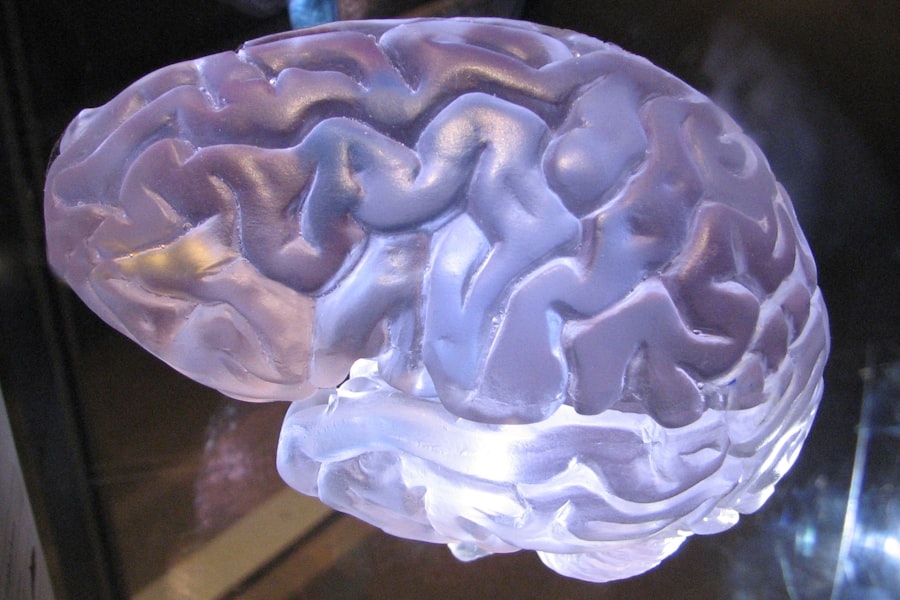
Emotions play a pivotal role in shaping consumer behavior, often outweighing rational considerations in the decision-making process. Neurological studies have demonstrated that emotional responses can significantly influence how consumers perceive products and brands. The amygdala, a key brain region involved in processing emotions, becomes activated when individuals encounter emotionally charged stimuli.
This activation can lead to heightened attention and memory retention, making emotionally resonant advertisements more effective. For instance, consider a marketing campaign that tells a heartfelt story about a family using a particular product. Such narratives can evoke feelings of nostalgia, happiness, or empathy, creating a strong emotional connection between the consumer and the brand.
This emotional engagement not only enhances brand recall but also fosters loyalty, as consumers are more likely to return to brands that resonate with them on an emotional level. Marketers who harness the power of emotions can create compelling narratives that drive consumer action and foster long-term relationships.
The Influence of Branding and Marketing on the Brain
Branding is more than just a logo or a catchy slogan; it is a psychological construct that shapes how consumers perceive products and companies. The brain processes brands similarly to how it processes personal relationships. Familiarity breeds comfort; thus, well-established brands often evoke positive feelings due to their consistent messaging and presence in the market.
The brain’s reward system is activated when consumers encounter familiar brands, leading to feelings of pleasure and satisfaction. Moreover, effective branding can create a sense of identity for consumers. Many individuals choose brands that reflect their values or aspirations, allowing them to express themselves through their purchasing choices.
For example, luxury brands often leverage exclusivity and prestige in their marketing strategies to appeal to consumers’ desires for status and recognition. By understanding how branding influences neural pathways associated with reward and identity, marketers can develop strategies that resonate with consumers on a deeper level.
How Neuroscientific Research Can Improve Marketing Strategies
Neuroscientific research provides valuable insights that can enhance marketing strategies by revealing how consumers respond to various stimuli. Techniques such as functional magnetic resonance imaging (fMRI) and electroencephalography (EEG) allow researchers to observe brain activity in real-time as individuals engage with advertisements or products. These tools enable marketers to identify which elements of their campaigns elicit positive emotional responses or capture attention effectively.
For instance, an fMRI study might reveal that certain colors or images activate specific areas of the brain associated with pleasure or excitement. Armed with this knowledge, marketers can optimize their visual content to align with these findings, creating advertisements that are more likely to resonate with their target audience. Additionally, understanding the timing of emotional responses can help marketers determine when to deliver key messages for maximum impact.
By integrating neuroscientific insights into their strategies, businesses can create more effective campaigns that drive consumer engagement and conversion.
The Power of Neuromarketing in Predicting Consumer Behavior

Neuromarketing has emerged as a powerful tool for predicting consumer behavior by analyzing how individuals respond to marketing stimuli at a neurological level. By examining brain activity patterns associated with different types of advertisements or product placements, marketers can gain insights into what drives consumer preferences and choices. This predictive capability allows businesses to tailor their offerings more precisely to meet consumer needs.
For example, neuromarketing studies have shown that consumers often exhibit stronger preferences for products that evoke positive emotional responses compared to those that do not elicit any emotional reaction. By identifying these preferences through brain imaging techniques, companies can refine their product development processes and marketing strategies accordingly. Furthermore, neuromarketing can help businesses identify potential barriers to purchase by revealing subconscious aversions or negative associations that may not be apparent through traditional market research methods.
Ethical Considerations and Criticisms of Neuromarketing
Despite its potential benefits, neuromarketing raises several ethical considerations and criticisms that warrant careful examination. One primary concern is the potential for manipulation; critics argue that understanding the brain’s vulnerabilities could lead marketers to exploit consumers’ subconscious desires or fears for profit. This raises questions about informed consent and whether consumers are fully aware of how their decisions may be influenced by marketing tactics grounded in neuroscience.
Additionally, there is an ongoing debate about the extent to which neuromarketing should be regulated. As this field continues to evolve, it is crucial for marketers to adhere to ethical guidelines that prioritize transparency and respect for consumer autonomy. Striking a balance between leveraging neuroscientific insights for business success while ensuring ethical practices is essential for maintaining consumer trust and fostering long-term relationships.
Applying The Buying Brain Principles to Drive Sales and Customer Engagement
To effectively apply the principles derived from understanding “The Buying Brain,” businesses must adopt a holistic approach that integrates neuroscience insights into their marketing strategies. This involves creating emotionally resonant content that speaks directly to consumers’ desires and motivations while ensuring brand consistency across all touchpoints. For instance, storytelling can be a powerful tool in crafting narratives that evoke emotions and foster connections with consumers.
Moreover, businesses should prioritize building brand familiarity through consistent messaging and visual identity. By reinforcing brand recognition over time, companies can activate positive emotional responses in consumers’ brains when they encounter their products or services. Additionally, leveraging social proof—such as customer testimonials or user-generated content—can enhance credibility and influence purchasing decisions by tapping into the brain’s social circuitry.
By harnessing the power of neuroscience, businesses can create strategies that resonate deeply with consumers on both emotional and cognitive levels. As this field continues to evolve, it will be essential for marketers to navigate ethical considerations while leveraging scientific insights to drive sales and foster meaningful customer engagement.
If you enjoyed reading The Buying Brain by A.K. Pradeep, you may also be interested in checking out the article Hello World on Hellread.com.
It provides valuable insights into how AI is revolutionizing the way businesses understand and engage with their customers.
FAQs
What is “The Buying Brain” by A.K. Pradeep about?
“The Buying Brain” is a book written by A.K. Pradeep that explores the science of consumer behavior and the role of neuroscience in understanding and influencing purchasing decisions.
What are some key concepts discussed in “The Buying Brain”?
The book delves into topics such as the subconscious factors that drive consumer behavior, the influence of emotions on purchasing decisions, and the use of neuromarketing techniques to better understand and connect with consumers.
How does “The Buying Brain” relate to neuroscience and marketing?
“The Buying Brain” draws on insights from neuroscience to explain how the human brain processes information and makes decisions, and how these insights can be applied to marketing strategies to influence consumer behavior.
Who is the target audience for “The Buying Brain”?
The book is aimed at marketers, advertisers, and anyone interested in understanding the psychological and neurological factors that drive consumer behavior and decision-making.
What are some practical applications of the insights from “The Buying Brain”?
Practical applications include designing more effective advertising campaigns, creating products and packaging that appeal to consumers’ subconscious desires, and optimizing the overall consumer experience to better align with the brain’s decision-making processes.




