
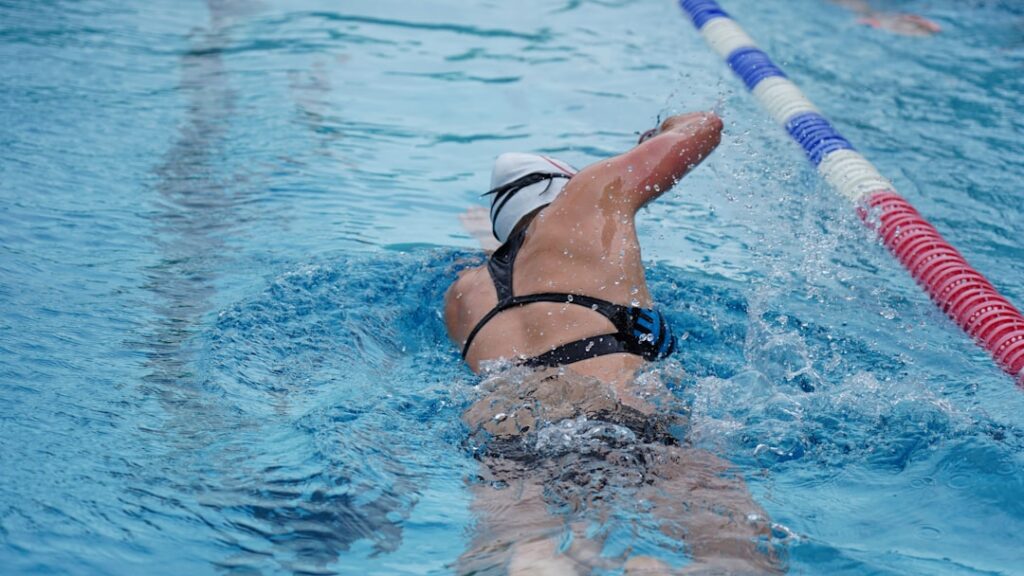
Weight training is often perceived as a secondary component of a swimmer’s training regimen, overshadowed by the more visible aspects of pool work and technique refinement. However, the significance of strength training in swimming cannot be overstated. Engaging in a structured weight training program enhances a swimmer’s overall performance by improving strength, power, and endurance.
The resistance training not only builds muscle but also fortifies the connective tissues, which are crucial for injury prevention. Swimmers who incorporate weight training into their routines often experience improved stroke efficiency, faster starts, and better turns, all of which contribute to enhanced race times. Moreover, weight training can help swimmers develop a more balanced physique.
Swimming predominantly engages the upper body and core, which can lead to muscular imbalances if not countered with strength training for the lower body. By focusing on comprehensive strength development, swimmers can achieve a more symmetrical body composition that supports their aquatic performance. This holistic approach to fitness ensures that swimmers are not only powerful in the water but also resilient against the physical demands of their sport.
Key Takeaways
- Weight training is important for swimmers to improve strength, power, and endurance in the water.
- Swimmers have specific needs such as upper body strength, core stability, and shoulder mobility that should be addressed in their weight training program.
- A well-designed weight training program for swimmers should include a combination of strength, power, and endurance exercises.
- Key exercises for swimmers include squats, deadlifts, pull-ups, and shoulder presses to target the muscles used in swimming.
- Plyometric and core workouts should be incorporated into a swimmer’s training program to improve explosiveness and stability in the water.
Understanding the Specific Needs of Swimmers
Swimmers have unique physiological demands that set them apart from athletes in other sports. The nature of swimming requires a combination of explosive power, endurance, and flexibility. Each stroke—be it freestyle, butterfly, breaststroke, or backstroke—utilizes different muscle groups and energy systems, necessitating a tailored approach to strength training.
For instance, the butterfly stroke relies heavily on upper body strength and core stability, while the freestyle emphasizes a strong kick and streamlined body position. Understanding these nuances is essential for designing an effective weight training program that aligns with the specific needs of each swimmer. Additionally, swimmers must contend with the effects of water resistance, which can lead to muscle fatigue and decreased performance over time.
This is where weight training plays a pivotal role in enhancing muscular endurance and recovery. By incorporating resistance exercises that mimic the movements performed in the water, swimmers can build the necessary strength to maintain their technique throughout longer races. Furthermore, the ability to generate power quickly is crucial for starts and turns; thus, a well-structured weight training program should focus on developing explosive strength alongside endurance.
Designing a Weight Training Program for Swimmers

Creating an effective weight training program for swimmers involves several key considerations. First and foremost, it is essential to assess the swimmer’s current fitness level and specific goals. A novice swimmer may require a different approach than an elite athlete preparing for competition.
The program should include a mix of compound movements that engage multiple muscle groups, as well as isolation exercises that target specific areas of weakness. For example, exercises like squats and deadlifts can build overall strength, while shoulder presses and lat pulldowns can enhance upper body power. The frequency and duration of weight training sessions are also critical factors in program design.
Swimmers typically train multiple times a week in the pool, so it is vital to integrate weight training without causing excessive fatigue or compromising swim performance. A common approach is to schedule two to three weight training sessions per week, focusing on different muscle groups each session to allow for adequate recovery. Additionally, incorporating periodization—where the intensity and volume of workouts are systematically varied—can help swimmers peak at the right time for competitions while minimizing the risk of overtraining.
Key Exercises for Swimmers
When it comes to selecting exercises for swimmers, certain movements stand out due to their effectiveness in building strength and power relevant to swimming performance. One foundational exercise is the squat, which targets the lower body muscles essential for a strong kick and explosive starts. Variations such as front squats or single-leg squats can further enhance balance and stability, which are crucial for maintaining proper body position in the water.
Another critical exercise is the bench press or its variations, which develop upper body strength necessary for powerful strokes. The bench press engages the chest, shoulders, and triceps—muscles that are heavily utilized during swimming. Additionally, incorporating pull-ups or chin-ups can significantly improve upper back strength and grip endurance, both vital for effective pulling through the water.
Core exercises such as planks and medicine ball rotations should not be overlooked either; a strong core stabilizes the body during swimming strokes and contributes to overall efficiency.
Incorporating Plyometric and Core Workouts
Plyometric exercises are an excellent addition to a swimmer’s weight training program due to their ability to develop explosive power and speed. Movements such as box jumps, depth jumps, and plyometric push-ups can enhance a swimmer’s ability to generate force quickly—an essential quality for starts and turns. These exercises train fast-twitch muscle fibers, which are crucial for short bursts of speed in competitive swimming scenarios.
Core workouts are equally important as they provide stability and support for all swimming movements. A strong core allows swimmers to maintain proper body alignment while reducing drag in the water. Incorporating exercises like Russian twists, hanging leg raises, and stability ball rollouts can significantly enhance core strength.
Furthermore, integrating dynamic movements that engage both the upper and lower body—such as medicine ball slams—can improve coordination and functional strength that translates directly to swimming performance.
Nutrition and Recovery for Swimmers
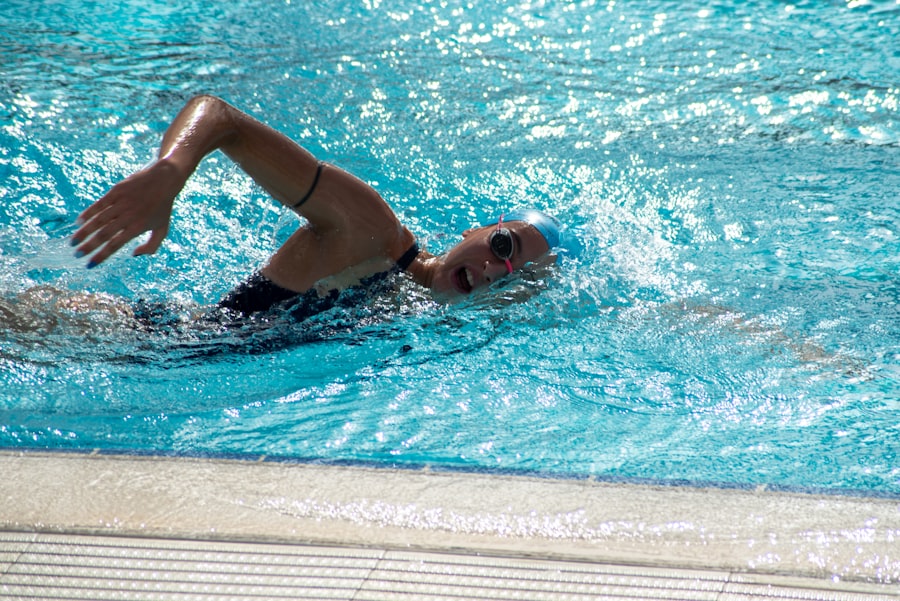
Nutrition plays a pivotal role in supporting a swimmer’s training regimen and overall performance. A well-balanced diet rich in carbohydrates, proteins, healthy fats, vitamins, and minerals is essential for fueling workouts and aiding recovery. Carbohydrates serve as the primary energy source during high-intensity swim sessions; thus, swimmers should prioritize complex carbohydrates such as whole grains, fruits, and vegetables in their meals.
Protein intake is equally important for muscle repair and growth; swimmers should aim to consume lean protein sources like chicken, fish, eggs, or plant-based alternatives after workouts. Recovery strategies are also crucial for optimizing performance and preventing injuries. Adequate hydration is vital; swimmers should ensure they are replenishing fluids lost during training sessions.
Additionally, incorporating rest days into their training schedule allows muscles to recover and adapt to the stresses of both swimming and weight training. Techniques such as foam rolling, stretching, and even massage therapy can aid in recovery by alleviating muscle soreness and improving flexibility.
Avoiding Common Mistakes in Weight Training for Swimmers
Despite the benefits of weight training for swimmers, several common pitfalls can hinder progress or lead to injury. One prevalent mistake is neglecting proper form in favor of lifting heavier weights. Poor technique can result in imbalances or injuries that may sideline a swimmer from both weight training and swimming practices.
It is crucial for swimmers to prioritize form over weight lifted; working with a knowledgeable coach or trainer can help ensure that exercises are performed correctly. Another common error is failing to balance strength training with swim practice. Overemphasis on weight training at the expense of swim technique can lead to decreased performance in the water.
Swimmers must find a harmonious balance between both disciplines; integrating strength work that complements swim training rather than detracting from it is essential for overall success.
Adapting the Program for Different Levels of Swimmers
Weight training programs should be adaptable to accommodate swimmers at various skill levels—from beginners to elite competitors.
Emphasizing proper technique during this stage lays the groundwork for more advanced training later on.
As swimmers progress in their abilities and experience levels increase, their weight training programs can become more specialized. Elite athletes may require more complex periodization strategies that align with their competitive schedule while incorporating advanced techniques such as Olympic lifts or sport-specific drills tailored to their stroke mechanics. Regardless of skill level, it is essential that all swimmers receive individualized attention in their training programs to ensure they meet their unique needs while maximizing their potential in the water.
If you’re looking to improve your swimming performance, you may also be interested in reading the article “Hello World” on Hellread.com. This article discusses the importance of mental preparation and visualization techniques in sports training, which can complement the physical training outlined in Rob Price’s guide. Check it out here.
FAQs
What is weight training for swimming?
Weight training for swimming is a form of strength training that focuses on improving the strength, power, and endurance of the muscles used in swimming. It involves using resistance exercises to target specific muscle groups that are essential for swimming performance.
What are the benefits of weight training for swimming?
Weight training for swimming can help swimmers improve their power, speed, and endurance in the water. It can also help prevent injuries by strengthening the muscles and improving overall body stability. Additionally, weight training can enhance a swimmer’s overall physical conditioning and performance.
What are some key exercises for weight training for swimming?
Key exercises for weight training for swimming include squats, deadlifts, lunges, pull-ups, lat pulldowns, bench presses, and shoulder presses. These exercises target the major muscle groups used in swimming, such as the legs, back, chest, and shoulders.
How often should swimmers incorporate weight training into their training regimen?
Swimmers can benefit from incorporating weight training into their training regimen 2-3 times per week. It is important to allow for adequate rest and recovery between weight training sessions to avoid overtraining and potential injury.
Are there any specific considerations for weight training for swimmers?
Swimmers should focus on exercises that target the muscles used in swimming, such as the core, back, shoulders, and legs. It is also important to maintain proper form and technique to prevent injury. Additionally, swimmers should work with a qualified coach or trainer to develop a weight training program tailored to their specific needs and goals.




