

The 30-Day Fitness Challenge has emerged as a popular trend among fitness enthusiasts and novices alike, offering a structured yet flexible approach to improving physical health and well-being. This challenge typically involves committing to a specific set of exercises or activities over a month-long period, designed to enhance strength, endurance, flexibility, and overall fitness levels. The appeal of such a challenge lies in its accessibility; it can be tailored to fit individual fitness levels and can be performed at home or in a gym setting.
The idea is simple: dedicate yourself to a consistent routine for 30 days, and witness the transformative effects on your body and mind. Engaging in a 30-day challenge can serve as a powerful catalyst for change. It provides a clear timeframe that encourages participants to push their limits while fostering a sense of accountability.
Many individuals find that the structured nature of the challenge helps them establish a routine, which is often one of the most significant barriers to maintaining a fitness regimen. By committing to just 30 days, participants can experience noticeable improvements in their physical capabilities, mental resilience, and overall lifestyle habits. This article will delve into various aspects of the 30-Day Fitness Challenge, from setting realistic goals to tracking progress and overcoming obstacles.
Key Takeaways
- The 30-Day Fitness Challenge is a great way to kickstart a healthier lifestyle and improve overall fitness.
- Setting realistic goals for the challenge is important to avoid burnout and stay motivated throughout the 30 days.
- Creating a balanced workout plan that includes cardio, strength training, and flexibility exercises is key to seeing results and preventing injury.
- Incorporating nutrition into the challenge by focusing on whole foods, proper hydration, and balanced meals will support your fitness goals.
- Staying motivated throughout the 30 days can be achieved by finding a workout buddy, setting reminders, and rewarding yourself for reaching milestones.
Setting Realistic Goals for the Challenge
Setting realistic goals is a crucial first step in embarking on any fitness journey, particularly when participating in a 30-Day Fitness Challenge. Goals should be specific, measurable, achievable, relevant, and time-bound (SMART). For instance, rather than simply stating the desire to “get fit,” a more effective goal might be “to complete three workouts per week for the next four weeks.” This specificity not only clarifies the objective but also allows for easier tracking of progress.
Additionally, it is essential to consider one’s current fitness level when establishing these goals. A beginner may aim for shorter workout sessions or fewer repetitions, while someone with more experience might set higher targets. Moreover, it is vital to recognize that fitness is not solely about physical appearance or performance metrics; it encompasses mental and emotional well-being as well.
Therefore, incorporating goals that focus on improving mental health—such as practicing mindfulness during workouts or committing to daily gratitude journaling—can enhance the overall experience of the challenge. By balancing physical and mental objectives, participants can create a more holistic approach to their fitness journey, ensuring that they remain engaged and motivated throughout the 30 days.
Creating a Balanced Workout Plan

A well-structured workout plan is essential for maximizing the benefits of a 30-Day Fitness Challenge. This plan should encompass various types of exercises to ensure a balanced approach that targets different muscle groups and promotes overall fitness. A typical week might include strength training sessions, cardiovascular workouts, flexibility exercises, and rest days to allow for recovery.
For example, one could alternate between upper body strength training on Mondays and Thursdays, lower body workouts on Tuesdays and Fridays, and cardio sessions on Wednesdays and Saturdays. Sundays could be reserved for active recovery activities like yoga or light stretching. In addition to variety, it is crucial to consider the intensity of workouts.
Gradually increasing the difficulty level over the course of the month can help prevent plateaus and keep participants engaged. For instance, one might start with bodyweight exercises such as squats and push-ups in the first week and then progress to incorporating weights or resistance bands in subsequent weeks. This progressive overload principle not only enhances physical strength but also builds confidence as participants witness their capabilities expand.
Furthermore, integrating functional movements that mimic everyday activities can improve overall functional fitness, making daily tasks easier and more enjoyable.
Incorporating Nutrition into the Challenge
Nutrition plays an integral role in any fitness endeavor, and the 30-Day Fitness Challenge is no exception. A well-rounded diet can significantly enhance performance during workouts and aid in recovery afterward. Participants should aim to consume a variety of whole foods, including lean proteins, whole grains, healthy fats, fruits, and vegetables.
For example, incorporating sources of protein such as chicken, fish, beans, or tofu can support muscle repair and growth after strength training sessions. Similarly, complex carbohydrates like quinoa or brown rice provide sustained energy for more intense workouts. Hydration is another critical aspect of nutrition that should not be overlooked during the challenge.
Drinking adequate water throughout the day helps maintain optimal performance levels and supports recovery processes. Participants might consider setting reminders to drink water regularly or using apps that track hydration levels. Additionally, meal prepping can be an effective strategy for ensuring that nutritious options are readily available throughout the challenge.
By planning meals in advance, individuals can avoid the temptation of unhealthy convenience foods that may derail their progress.
Staying Motivated Throughout the 30 Days
Maintaining motivation over the course of 30 days can be challenging, especially when faced with fatigue or busy schedules. To combat this potential decline in enthusiasm, participants should establish a support system that encourages accountability and camaraderie. This could involve joining a local fitness group or enlisting friends or family members to join in on the challenge.
Sharing progress on social media platforms can also foster a sense of community and provide additional motivation through positive reinforcement from others.
Trying new exercises or workout formats—such as dance classes, outdoor runs, or high-intensity interval training (HIIT)—can break up monotony and keep participants engaged.
Tracking Progress and Celebrating Achievements
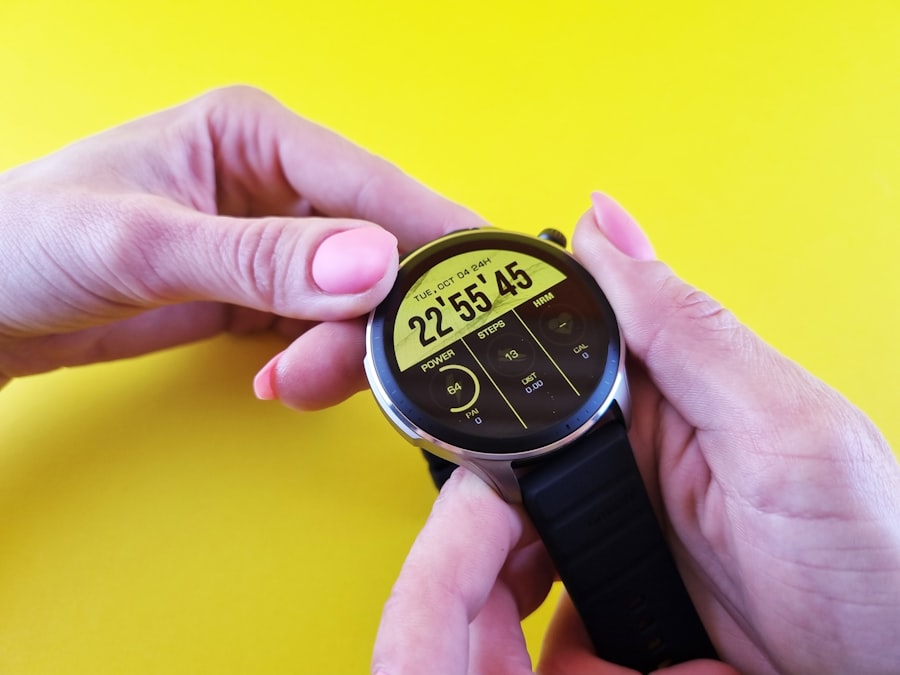
Tracking progress is an essential component of any fitness challenge as it provides tangible evidence of improvement and helps maintain motivation. Participants can utilize various methods to monitor their advancements throughout the 30 days. Keeping a workout journal can be an effective way to log exercises completed, weights lifted, and personal reflections on each session.
Additionally, taking measurements—such as body weight, body fat percentage, or circumferences—at the beginning and end of the challenge can offer insights into physical changes that may not be immediately visible. Celebrating achievements is equally important in reinforcing positive behaviors and maintaining motivation. Recognizing milestones—whether big or small—can create a sense of accomplishment that encourages continued effort.
This could involve treating oneself to new workout gear after completing two weeks of consistent exercise or sharing progress updates with friends or family members who have supported the journey. By celebrating these achievements, participants can cultivate a positive mindset that fosters resilience and determination throughout the challenge.
Overcoming Challenges and Setbacks
Despite best intentions, participants may encounter challenges or setbacks during their 30-Day Fitness Challenge. These obstacles could range from time constraints due to work or family commitments to physical fatigue or minor injuries that hinder performance. It is essential to approach these challenges with a mindset focused on problem-solving rather than defeatism.
For instance, if time becomes an issue, individuals might consider shorter but more intense workouts that fit into their schedules without sacrificing quality. Moreover, understanding that setbacks are a natural part of any fitness journey can help participants maintain perspective during difficult times. Instead of viewing missed workouts as failures, they can be reframed as opportunities for growth and learning.
For example, if an individual experiences fatigue after several consecutive workout days, it may signal the need for additional rest or recovery strategies such as stretching or foam rolling. By adopting a flexible approach and being willing to adjust plans as needed, participants can navigate challenges while remaining committed to their overall goals.
Continuing the Fitness Journey Beyond the 30 Days
Completing a 30-Day Fitness Challenge is just one step in an ongoing journey toward improved health and wellness. To ensure lasting results and continued progress beyond this initial commitment, participants should consider how they can integrate newfound habits into their daily lives. This might involve setting new fitness goals that build upon what was achieved during the challenge or exploring different types of physical activities that spark interest and enjoyment.
Additionally, maintaining a focus on nutrition and self-care practices will be vital in sustaining momentum after the challenge concludes. Participants may choose to continue meal prepping or experimenting with new recipes that align with their health objectives. Engaging in regular check-ins with oneself—reflecting on what worked well during the challenge and what could be improved—can also provide valuable insights for future endeavors.
Ultimately, embracing fitness as a lifelong journey rather than a temporary endeavor will foster resilience and adaptability in navigating both successes and challenges along the way.
If you’re looking for more fitness inspiration, check out this article on hellread.com that discusses the benefits of incorporating HIIT workouts into your routine. High-intensity interval training is a great way to challenge yourself and see results in a short amount of time. Pairing this with Tessa H.’s 30-Day Fitness Challenge could be a powerful combination to help you reach your fitness goals.
FAQs
What is the 30-Day Fitness Challenge?
The 30-Day Fitness Challenge is a program designed to help individuals improve their fitness levels over the course of 30 days through a series of daily exercises and workouts.
How does the 30-Day Fitness Challenge work?
Participants in the 30-Day Fitness Challenge are provided with a daily workout plan that includes a variety of exercises targeting different muscle groups. The challenge typically increases in intensity as the days progress.
What are the benefits of the 30-Day Fitness Challenge?
The 30-Day Fitness Challenge can help individuals improve their strength, endurance, and overall fitness levels. It can also provide a sense of accomplishment and motivation to continue with a regular exercise routine.
Is the 30-Day Fitness Challenge suitable for beginners?
The 30-Day Fitness Challenge can be adapted to different fitness levels, including beginners. It’s important for individuals to listen to their bodies and modify exercises as needed to prevent injury.
Are there any risks associated with the 30-Day Fitness Challenge?
As with any exercise program, there is a risk of injury if proper form is not maintained or if the intensity is too high for an individual’s current fitness level. It’s important to consult with a healthcare professional before starting any new fitness program.




