
Strength training is a cornerstone of athletic performance, particularly in a sport as physically demanding as baseball. The game requires a unique combination of power, speed, and endurance, all of which can be significantly enhanced through a well-structured strength training regimen. For baseball players, the ability to generate explosive power during batting, throwing, and sprinting is crucial.
Strength training not only improves these physical attributes but also contributes to overall athleticism, allowing players to perform at their peak during games. Moreover, strength training plays a vital role in injury prevention. Baseball players are often susceptible to injuries due to the repetitive nature of their movements, such as pitching and swinging.
By developing stronger muscles, tendons, and ligaments through targeted strength training, players can better withstand the physical demands of the sport. This not only helps in reducing the risk of acute injuries but also mitigates the chances of chronic issues that can arise from overuse. Thus, incorporating strength training into a baseball player’s routine is essential for both performance enhancement and long-term health.
Key Takeaways
- Strength training is crucial for baseball players to improve performance and reduce the risk of injury.
- Baseball players have specific needs in the weight room, including focusing on rotational power, core strength, and shoulder stability.
- Customized weight training programs for baseball players should include a combination of strength, power, speed, and agility exercises.
- Key exercises for baseball players should focus on improving power, speed, and agility, including squats, deadlifts, and plyometric drills.
- Nutritional guidelines for baseball players engaged in weight training should emphasize proper hydration, balanced macronutrients, and adequate recovery nutrition.
Understanding the Specific Needs of Baseball Players in the Weight Room
Baseball players have distinct physiological demands that must be addressed in the weight room. Unlike athletes in sports that require continuous movement, baseball involves short bursts of intense activity followed by periods of rest. This necessitates a focus on developing both maximal strength and explosive power.
Players need to engage in exercises that enhance their ability to generate force quickly, which is critical for actions like hitting a fastball or throwing a pitch with precision. Additionally, the biomechanics of baseball require a strong emphasis on core stability and rotational strength. The ability to generate power from the lower body and transfer it through the core to the upper body is essential for effective hitting and pitching.
Understanding these specific needs allows coaches and trainers to tailor programs that not only improve performance but also align with the unique demands of the sport.
Designing a Customized Weight Training Program for Baseball Players
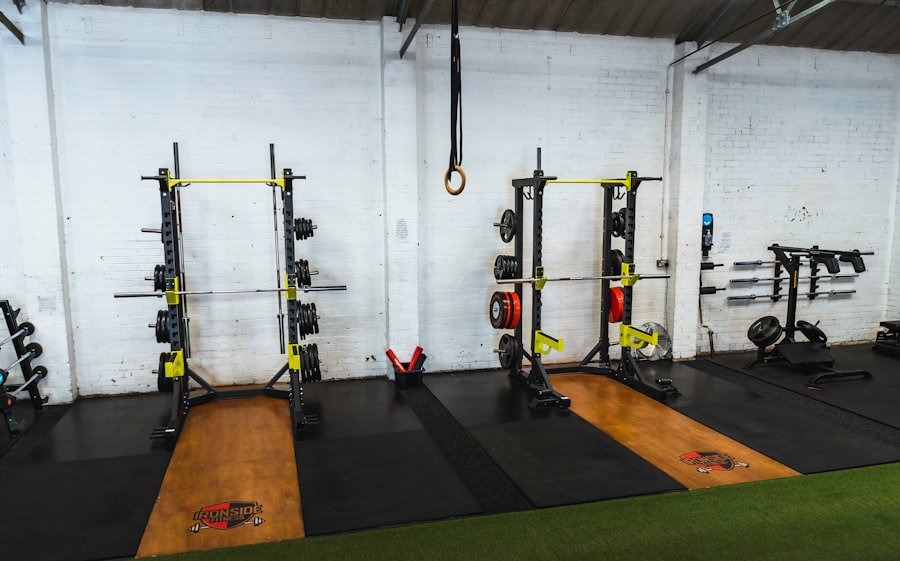
Creating a customized weight training program for baseball players involves several key considerations. First, it is essential to assess the individual player’s strengths, weaknesses, and specific positional demands. For instance, pitchers may require more emphasis on shoulder stability and arm strength, while position players might focus on lower body power and agility.
Conducting thorough assessments can help identify areas that need improvement and inform the design of an effective program. The program should incorporate a variety of training modalities, including compound lifts, Olympic lifts, and sport-specific exercises. Compound movements like squats and deadlifts build foundational strength, while Olympic lifts such as cleans and snatches develop explosive power.
Additionally, incorporating unilateral exercises can help address any imbalances that may exist between limbs, which is particularly important for athletes who rely heavily on one side of their body during play. A well-rounded program will also include flexibility and mobility work to ensure that players maintain optimal range of motion and reduce the risk of injury.
Key Exercises for Improving Power, Speed, and Agility on the Baseball Field
To enhance performance on the baseball field, certain exercises stand out as particularly beneficial for developing power, speed, and agility. Olympic lifts like the clean and jerk or snatch are excellent for building explosive strength due to their dynamic nature. These lifts require coordination and speed, making them ideal for athletes who need to generate force quickly during gameplay.
In addition to Olympic lifts, plyometric exercises such as box jumps and medicine ball throws can significantly improve an athlete’s explosiveness. These movements train the fast-twitch muscle fibers that are crucial for sprinting and quick directional changes on the field. Agility drills like ladder drills or cone drills should also be integrated into training sessions to enhance foot speed and coordination.
By focusing on these key exercises, baseball players can develop the physical attributes necessary to excel in their sport.
Nutritional Guidelines for Baseball Players Engaged in Weight Training
Nutrition plays a pivotal role in supporting the demands of weight training for baseball players. A well-balanced diet rich in macronutrients—proteins, carbohydrates, and fats—is essential for fueling workouts and promoting recovery. Protein is particularly important for muscle repair and growth; therefore, players should aim to consume high-quality protein sources such as lean meats, fish, eggs, and plant-based proteins after training sessions.
Carbohydrates are equally crucial as they provide the energy needed for intense workouts and game performance. Players should focus on complex carbohydrates like whole grains, fruits, and vegetables to sustain energy levels throughout the day. Additionally, healthy fats from sources like avocados, nuts, and olive oil can support overall health and hormone production.
Hydration is another critical aspect; players must ensure they are adequately hydrated before, during, and after workouts to optimize performance and recovery.
Injury Prevention and Recovery Strategies for Baseball Players

Injury prevention is a top priority for baseball players engaged in rigorous weight training programs. Implementing a comprehensive warm-up routine that includes dynamic stretching and mobility exercises can prepare the body for the demands of lifting and playing. Additionally, focusing on proper lifting techniques is essential to avoid injuries related to poor form or overexertion.
Recovery strategies are equally important in maintaining an athlete’s longevity in the sport. Incorporating rest days into training schedules allows muscles to recover and adapt to stressors placed upon them during workouts. Active recovery techniques such as foam rolling or light aerobic activity can also aid in reducing muscle soreness and improving circulation.
Furthermore, utilizing modalities like ice baths or contrast baths post-training can help alleviate inflammation and expedite recovery times.
Incorporating Plyometric and Speed Training into a Baseball Weight Training Program
Plyometric training is an invaluable component of a comprehensive weight training program for baseball players. These explosive movements not only enhance power but also improve overall athleticism by training the neuromuscular system to respond quickly to stimuli. Exercises such as depth jumps or bounding can be integrated into training sessions to develop fast-twitch muscle fibers essential for sprinting and explosive movements on the field.
Speed training should also be a focal point within a baseball player’s weight training regimen. Sprinting drills that emphasize acceleration and deceleration can improve overall speed while enhancing agility during gameplay. Incorporating resisted sprints using sleds or resistance bands can further develop explosive speed by forcing players to exert more effort against resistance.
By combining plyometric exercises with speed training, baseball players can create a well-rounded program that addresses all aspects of athletic performance.
The Mental Aspect of Weight Training for Baseball Players
The mental component of weight training is often overlooked but is crucial for success in both the gym and on the field. Developing mental toughness through weight training can translate into improved performance during games. The discipline required to adhere to a rigorous training schedule fosters resilience and determination—qualities that are essential when facing challenges in competition.
Visualization techniques can also play a significant role in enhancing performance. Athletes who mentally rehearse their lifts or visualize successful outcomes during games often experience improved focus and confidence. Additionally, setting specific goals within their weight training program can provide motivation and a sense of accomplishment as players track their progress over time.
If you’re looking to improve your baseball skills, you may also be interested in checking out an article on hellread.com that discusses the importance of mental toughness in sports. Developing mental toughness can greatly benefit athletes in all aspects of their game, including weight training. By combining physical strength with mental resilience, players can enhance their performance on the field and reach their full potential.
FAQs
What is the importance of weight training for baseball players?
Weight training is important for baseball players as it helps improve strength, power, speed, and overall athletic performance. It can also help prevent injuries and improve endurance during long games and seasons.
What are some key exercises for baseball players in a weight training program?
Key exercises for baseball players in a weight training program include squats, deadlifts, lunges, bench press, shoulder press, rows, and core exercises. These exercises help improve overall strength, power, and stability.
How often should baseball players engage in weight training?
Baseball players should engage in weight training 2-4 times per week, depending on their schedule and the specific phase of their training program. It’s important to allow for adequate rest and recovery between sessions.
Are there any specific considerations for weight training for baseball players?
Yes, baseball players should focus on exercises that improve rotational power, core strength, and shoulder stability. It’s also important to incorporate exercises that mimic the movements and demands of the sport, such as throwing, hitting, and running.
What are the potential benefits of weight training for baseball players?
The potential benefits of weight training for baseball players include improved strength, power, speed, agility, endurance, and overall athletic performance. It can also help reduce the risk of injuries and contribute to long-term health and fitness.




