

Mindfulness is a mental practice that emphasizes the importance of being present in the moment, fully engaging with one’s thoughts, feelings, and surroundings without judgment. Rooted in ancient contemplative traditions, particularly Buddhism, mindfulness has gained significant traction in contemporary psychology and wellness practices. At its core, mindfulness encourages individuals to observe their experiences with a sense of curiosity and acceptance, fostering a deeper connection to oneself and the environment.
This practice can be cultivated through various techniques, including meditation, breathing exercises, and mindful movement. The benefits of mindfulness are extensive and well-documented. Research has shown that regular mindfulness practice can lead to reduced stress levels, improved emotional regulation, and enhanced focus.
For instance, a study published in the journal “Psychological Science” found that participants who engaged in mindfulness meditation exhibited greater cognitive flexibility and improved attention spans compared to those who did not practice mindfulness. Additionally, mindfulness has been linked to better physical health outcomes, such as lower blood pressure and improved immune function. By fostering a non-reactive awareness of thoughts and feelings, individuals can develop resilience against the challenges of daily life, leading to a more balanced and fulfilling existence.
Key Takeaways
- Mindfulness can help reduce stress, improve focus, and enhance overall well-being.
- Yoga and mindfulness are closely connected, as yoga can be a form of moving meditation.
- Practicing mindful yoga involves paying attention to the present moment and being aware of your body and breath.
- Techniques for cultivating mindfulness in yoga include deep breathing, body scanning, and mindful movement.
- Mindfulness has been shown to have a positive impact on mental health, reducing symptoms of anxiety and depression.
The Connection Between Yoga and Mindfulness
Yoga and mindfulness share a profound connection that transcends mere physical practice. While yoga is often perceived as a series of postures designed to enhance flexibility and strength, it is fundamentally rooted in the principles of mindfulness. The practice of yoga encourages individuals to cultivate awareness of their bodies, breath, and mental states, creating a holistic approach to well-being.
This integration of mindfulness into yoga allows practitioners to experience a deeper sense of presence during their practice, transforming it into a meditative experience. The historical roots of yoga are intertwined with mindfulness practices. Traditional yogic texts, such as the Yoga Sutras of Patanjali, emphasize the importance of mental discipline and self-awareness as essential components of the path to enlightenment.
In this context, mindfulness serves as a bridge between the physical postures (asanas) and the meditative aspects of yoga (dhyana). By focusing on the breath and bodily sensations during yoga practice, individuals can cultivate a heightened sense of awareness that extends beyond the mat and into their daily lives.
The Practice of Mindful Yoga
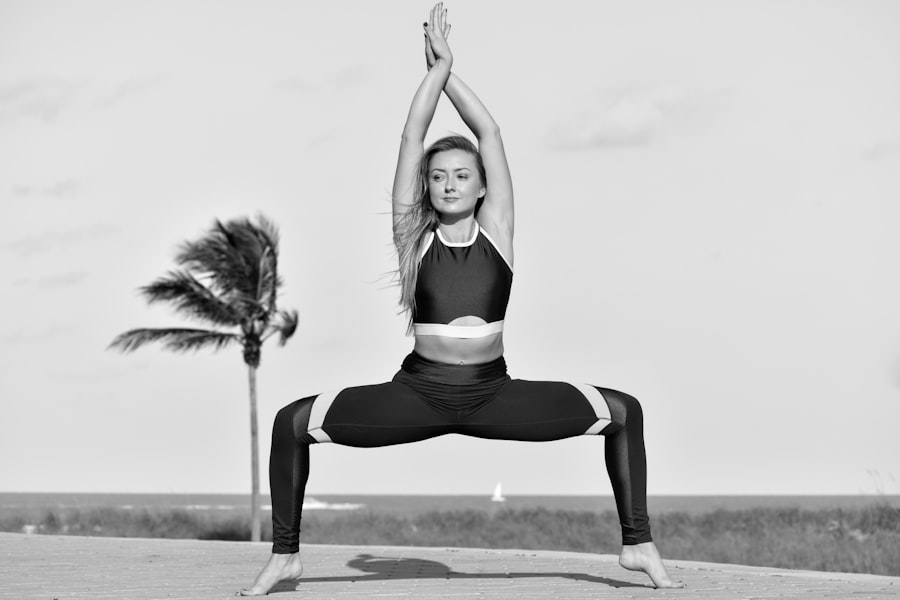
Mindful yoga is an approach that combines the physical aspects of yoga with the principles of mindfulness. This practice encourages individuals to engage fully with each movement, breath, and sensation, fostering a deeper connection to both body and mind. Unlike traditional yoga classes that may prioritize alignment or intensity, mindful yoga emphasizes the quality of awareness brought to each pose.
Practitioners are encouraged to observe their thoughts and feelings without judgment, allowing for a more profound exploration of their inner landscape. In a typical mindful yoga session, practitioners may begin with gentle breathing exercises to center themselves before transitioning into asanas. Each pose is approached with curiosity and attention, inviting individuals to notice how their bodies feel in different positions.
For example, while practicing downward-facing dog, one might focus on the sensations in their shoulders, the stretch in their hamstrings, or the rhythm of their breath. This heightened awareness not only enhances the physical benefits of yoga but also cultivates a sense of peace and acceptance that can permeate other areas of life.
Techniques for Cultivating Mindfulness in Yoga
There are several techniques that can be employed to cultivate mindfulness during yoga practice. One effective method is to focus on the breath as an anchor for awareness. By paying attention to the inhalation and exhalation, practitioners can ground themselves in the present moment.
This technique can be particularly useful during challenging poses or when distractions arise. For instance, if a practitioner finds their mind wandering during a difficult balance pose like tree pose, returning to the breath can help refocus their attention and maintain stability. Another technique involves body scanning, where practitioners systematically bring awareness to different parts of their bodies throughout the practice.
This can be done by mentally checking in with each area—from the tips of the toes to the crown of the head—acknowledging any sensations or tensions without trying to change them. This practice not only enhances body awareness but also fosters self-acceptance and compassion towards oneself. By recognizing areas of discomfort or tension without judgment, individuals can cultivate a more profound sense of connection with their bodies.
The Impact of Mindfulness on Mental Health
The impact of mindfulness on mental health has been extensively studied in recent years, revealing its potential as a powerful tool for managing various psychological conditions. Mindfulness practices have been shown to reduce symptoms of anxiety and depression by promoting emotional regulation and decreasing rumination—an unproductive cycle of negative thinking that often exacerbates mental health issues. For example, a meta-analysis published in “JAMA Internal Medicine” found that mindfulness meditation significantly improved anxiety levels across diverse populations.
Moreover, mindfulness fosters resilience by encouraging individuals to develop a non-judgmental attitude towards their thoughts and feelings. This shift in perspective allows individuals to observe their mental states without becoming overwhelmed by them. As a result, practitioners often report increased emotional stability and an enhanced ability to cope with stressors.
Incorporating Mindfulness into Daily Life

Incorporating mindfulness into daily life extends beyond formal meditation or yoga practices; it involves weaving moments of awareness into everyday activities. Simple actions such as eating, walking, or even washing dishes can become opportunities for mindfulness practice. For instance, during meals, one can focus on the flavors, textures, and aromas of food rather than eating mindlessly while distracted by screens or conversations.
This practice not only enhances the enjoyment of food but also promotes healthier eating habits. Another effective way to cultivate mindfulness in daily life is through mindful walking. Instead of rushing from one place to another, individuals can take a few moments to walk slowly and deliberately, paying attention to each step and the sensations in their feet as they connect with the ground.
This practice encourages individuals to engage with their surroundings—observing sights, sounds, and smells—thereby fostering a deeper appreciation for the present moment. By integrating these small moments of mindfulness into daily routines, individuals can create a more balanced and fulfilling life.
Overcoming Challenges in Mindful Yoga Practice
While mindful yoga offers numerous benefits, practitioners may encounter challenges along their journey. One common obstacle is the tendency for the mind to wander during practice. It is natural for thoughts to arise; however, learning how to gently redirect focus back to the breath or bodily sensations is crucial for cultivating mindfulness.
Practitioners can remind themselves that wandering thoughts are part of the process and that each return to awareness is an opportunity for growth. Physical discomfort can also pose challenges during mindful yoga practice. Individuals may find certain poses uncomfortable or challenging due to limitations in flexibility or strength.
In these instances, it is essential to approach the practice with self-compassion and patience. Modifications can be made to accommodate individual needs; for example, using props such as blocks or straps can help facilitate poses without strain. By listening to their bodies and honoring their limits, practitioners can create a more sustainable and enjoyable yoga experience.
Resources for Furthering Your Mindfulness and Yoga Journey
For those interested in deepening their understanding of mindfulness and yoga, numerous resources are available across various mediums. Books such as “The Miracle of Mindfulness” by Thich Nhat Hanh provide insightful guidance on integrating mindfulness into daily life through practical exercises and reflections. Additionally, “The Heart of Yoga” by T.
Online platforms also offer a wealth of resources for practitioners at all levels. Websites like Insight Timer provide access to guided meditations specifically designed for mindful yoga practices. Furthermore, many yoga studios now offer classes that focus on mindful movement and meditation techniques, allowing practitioners to explore these concepts in a supportive environment.
Engaging with community workshops or retreats can also enhance one’s journey by providing opportunities for immersive experiences in both mindfulness and yoga practices. By exploring these resources and remaining open to new experiences within mindful yoga practice, individuals can cultivate a deeper connection with themselves and foster lasting well-being in their lives.
If you are interested in exploring more about mindfulness and its benefits, you may want to check out the article “Hello World” on Hellread.com. This article delves into the importance of self-reflection and finding inner peace in a chaotic world. By incorporating mindfulness practices such as yoga, individuals can cultivate a sense of calm and clarity in their daily lives. To read more about this topic, visit this article.
FAQs
What is mindfulness?
Mindfulness is the practice of being fully present and engaged in the current moment, without judgment or distraction. It involves paying attention to thoughts, feelings, bodily sensations, and the surrounding environment.
What is yoga?
Yoga is a physical, mental, and spiritual practice that originated in ancient India. It involves a combination of physical postures, breathing exercises, and meditation to promote overall health and well-being.
How does yoga help with mindfulness?
Yoga helps with mindfulness by encouraging practitioners to focus on their breath, body sensations, and the present moment during the practice. This cultivates a sense of awareness and presence that can be carried into everyday life.
What are the benefits of practicing yoga for mindfulness?
Practicing yoga for mindfulness can help reduce stress, improve concentration, enhance self-awareness, and promote emotional well-being. It can also help individuals develop a greater sense of calm and inner peace.
Are there specific yoga poses or practices that are particularly beneficial for mindfulness?
Certain yoga poses, such as seated meditation, gentle stretching, and restorative poses, are particularly beneficial for cultivating mindfulness. Additionally, practices such as breath-focused meditation and body scan exercises can also enhance mindfulness during yoga.




