
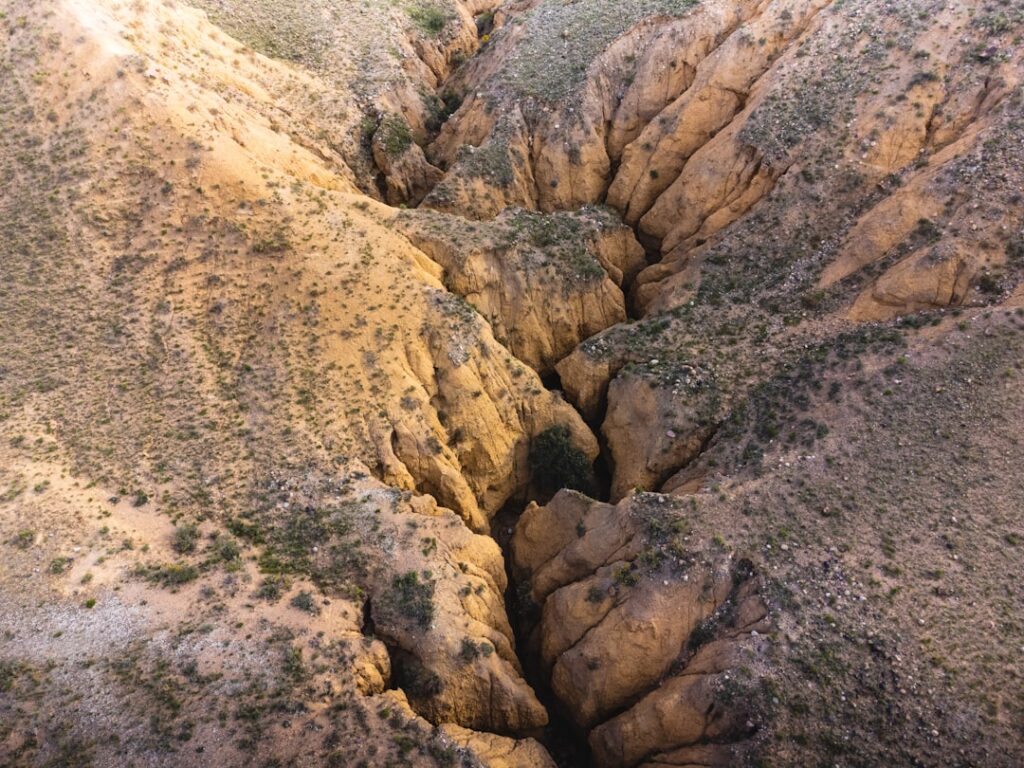
Aron Ralston is a name that resonates with resilience and the indomitable human spirit. Born on October 27, 1975, in Marion, Ohio, Ralston grew up with a passion for the outdoors, which eventually led him to become an accomplished mountaineer and adventurer. His story is not just one of survival; it is a profound exploration of the human condition when faced with life-threatening circumstances.
Ralston’s journey took a harrowing turn in April 2003 when he embarked on a solo hiking trip in Utah’s Blue John Canyon. This seemingly routine adventure would soon transform into a fight for survival that would test the limits of his physical and mental endurance. The events that unfolded during that fateful trip have been chronicled in Ralston’s memoir, “Between a Rock and a Hard Place,” which details the harrowing experience of being trapped by a boulder and the extraordinary measures he took to escape.
His story has captivated audiences worldwide, not only for its dramatic elements but also for the profound insights it offers into human resilience, decision-making under duress, and the will to live. Ralston’s experience serves as a stark reminder of the unpredictability of nature and the importance of preparation and awareness when venturing into the wilderness.
Key Takeaways
- Aron Ralston’s harrowing experience of being trapped in a canyon for days captured the world’s attention.
- Ralston’s incredible will to survive led him to make difficult decisions, including amputating his own arm to free himself.
- The physical and emotional toll of being trapped in the canyon took a significant toll on Ralston’s body and mind.
- Ralston’s rescue and recovery marked the end of his ordeal and the beginning of a new chapter in his life.
- The experience had a profound impact on Ralston’s life and perspective, leading him to reevaluate his priorities and approach to life.
The harrowing experience of being trapped in a canyon
On April 26, 2003, Aron Ralston set out for a day of adventure in the remote canyons of Utah, eager to explore the rugged terrain that had long captivated him. As he navigated through the narrow passages of Blue John Canyon, he encountered a precarious situation that would change his life forever. While climbing down a rock face, a boulder unexpectedly dislodged, pinning his right arm against the canyon wall.
In an instant, Ralston found himself trapped in a desolate landscape, isolated from any hope of immediate rescue. The sheer weight of the boulder was not only a physical barrier but also a psychological one, as he grappled with the reality of his predicament. Ralston’s initial reaction was one of disbelief and denial.
He attempted to free himself by leveraging his body weight against the boulder, but each effort only deepened his sense of entrapment. As hours turned into days, he faced the grim realization that no one knew his location or was aware of his plight. With limited supplies—just a small amount of water and some snacks—he was forced to confront the stark reality of his situation.
The isolation was suffocating; the canyon walls loomed around him like sentinels, indifferent to his suffering. The vastness of the wilderness contrasted sharply with his confinement, amplifying his sense of vulnerability.
Ralston’s incredible will to survive and the decisions he had to make
As the days passed, Ralston’s will to survive became increasingly evident. He began to assess his options with a clarity that only desperation can bring. The first few days were marked by attempts to free himself through sheer physical effort, but as time wore on, he realized that traditional methods were futile.
It was during this period of intense reflection that he began to contemplate more drastic measures. The decision-making process was fraught with emotional turmoil; he weighed the value of his life against the pain and suffering he would have to endure to escape. Ralston’s resolve was tested as he faced the prospect of amputation.
He meticulously calculated the risks involved, considering not only the physical pain but also the psychological implications of such an act. Ultimately, it was his desire to live that propelled him toward this unimaginable choice.
Armed with a multi-tool that included a dull blade, he prepared himself for what would be one of the most excruciating experiences imaginable. The moment he made the decision to amputate was not just an act of survival; it was a testament to his unwavering spirit and determination.
The physical and emotional toll of being trapped for days
The physical toll of being trapped in Blue John Canyon was immense. Ralston endured extreme dehydration as he rationed his limited water supply, which dwindled rapidly under the relentless sun. His body weakened with each passing hour, and he experienced severe muscle cramps and fatigue.
The pain from his trapped arm intensified as time went on, exacerbated by the psychological strain of isolation and despair. Each day felt like an eternity as he battled not only his physical limitations but also the haunting thoughts of what might happen if he did not escape. Emotionally, Ralston faced an equally daunting challenge.
The solitude forced him into deep introspection, where he grappled with memories of loved ones and unfulfilled dreams. He reflected on his life choices, relationships, and aspirations, all while confronting the very real possibility of death. The canyon became both a prison and a crucible for self-discovery; it stripped away distractions and forced him to confront his innermost fears and desires.
In those moments of solitude, he found clarity about what truly mattered to him—a realization that would shape his perspective long after his ordeal ended.
Ralston’s rescue and recovery
After enduring five harrowing days trapped in the canyon, Aron Ralston finally executed his plan for escape. With immense courage and determination, he amputated his right arm just below the elbow using his multi-tool. The act itself was excruciatingly painful, but it was also liberating; it allowed him to free himself from the boulder that had held him captive for so long.
With blood loss threatening his life, Ralston managed to rappel down a sheer wall and hike several miles until he encountered a family who helped him summon medical assistance. His rescue marked the end of one chapter and the beginning of another filled with challenges related to recovery and rehabilitation. Ralston underwent multiple surgeries to treat his injuries and prevent infection.
The physical healing process was arduous; he had to relearn how to perform everyday tasks without his dominant hand. However, it was not just his body that needed healing; Ralston also faced emotional hurdles as he processed the trauma of his experience. Support from family, friends, and therapists played a crucial role in helping him navigate this difficult journey.
The impact of the experience on Ralston’s life and perspective
The experience in Blue John Canyon profoundly altered Aron Ralston’s outlook on life. He emerged from his ordeal with a renewed appreciation for existence itself—a perspective shaped by both gratitude and humility. The near-death experience forced him to confront what it means to truly live; he became acutely aware of how easily life can be taken for granted.
This newfound awareness led him to embrace life with vigor, seeking out new adventures while also cherishing relationships with family and friends. Ralston’s story became a source of inspiration for many who heard it. He began sharing his experiences through public speaking engagements and media appearances, emphasizing themes of resilience, determination, and the importance of making conscious choices in life.
His journey resonated with individuals facing their own challenges, serving as a reminder that even in the darkest moments, there is hope and strength within us all.
Lessons learned from Ralston’s ordeal
Aron Ralston’s harrowing experience offers several valuable lessons about survival, decision-making, and human resilience. One key takeaway is the importance of preparation when engaging in outdoor activities. Ralston’s story underscores the necessity of informing others about your plans before venturing into remote areas—a simple yet crucial step that could have potentially saved him from such dire circumstances.
Additionally, it highlights the need for proper gear and knowledge about wilderness safety. Another significant lesson is the power of mental fortitude in overcoming adversity. Ralston’s ability to maintain focus on survival despite overwhelming odds exemplifies how mindset can influence outcomes in life-threatening situations.
His journey illustrates that even when faced with seemingly insurmountable challenges, individuals can tap into their inner strength to make critical decisions that can lead to survival.
The enduring legacy of Between a Rock and a Hard Place
“Between a Rock and a Hard Place” has transcended its initial narrative as merely an account of survival; it has become a cultural touchstone that continues to resonate with audiences around the world. The memoir has been adapted into various formats, including a feature film titled “127 Hours,” directed by Danny Boyle, which brought Ralston’s story to an even wider audience. Through these adaptations, Ralston’s experience has sparked conversations about human resilience, ethical dilemmas in survival situations, and the complexities of life choices.
The legacy of Ralston’s ordeal extends beyond entertainment; it serves as an enduring reminder of our capacity for survival in the face of adversity. His story encourages individuals to reflect on their own lives—challenging them to confront fears, embrace challenges, and appreciate every moment they have. Aron Ralston’s journey is not just about surviving against all odds; it is about living fully and authentically in a world where every moment counts.
If you enjoyed reading “Between a Rock and a Hard Place” by Aron Ralston, you may also be interested in checking out this article on Hellread titled com/2024/12/04/hello-world/’>Hello World.
This article explores the concept of new beginnings and embracing change, much like Ralston’s journey of survival and self-discovery in the face of adversity. It offers a fresh perspective on overcoming challenges and finding the strength to move forward.
FAQs
What is the article “Between a Rock and a Hard Place” by Aron Ralston about?
The article “Between a Rock and a Hard Place” by Aron Ralston is about his harrowing experience of being trapped by a boulder while hiking in Utah’s Blue John Canyon and his subsequent struggle for survival.
Who is Aron Ralston?
Aron Ralston is an American outdoorsman, engineer, and motivational speaker who gained international attention in 2003 when he was forced to amputate his own right arm in order to free himself after being trapped by a boulder while hiking in Utah.
What are some of the themes explored in “Between a Rock and a Hard Place”?
Some of the themes explored in “Between a Rock and a Hard Place” include survival, resilience, the human spirit, and the will to live in the face of extreme adversity.
What impact did Aron Ralston’s experience have on him?
Aron Ralston’s experience of being trapped and having to amputate his own arm had a profound impact on him, leading him to reevaluate his life and priorities. He has since become a motivational speaker and advocate for outdoor safety and responsible adventure.
What lessons can be learned from “Between a Rock and a Hard Place”?
“Between a Rock and a Hard Place” offers lessons about the importance of preparation, self-reliance, and the will to survive in challenging and life-threatening situations. It also emphasizes the value of human connection and the impact of personal choices on one’s life.




