
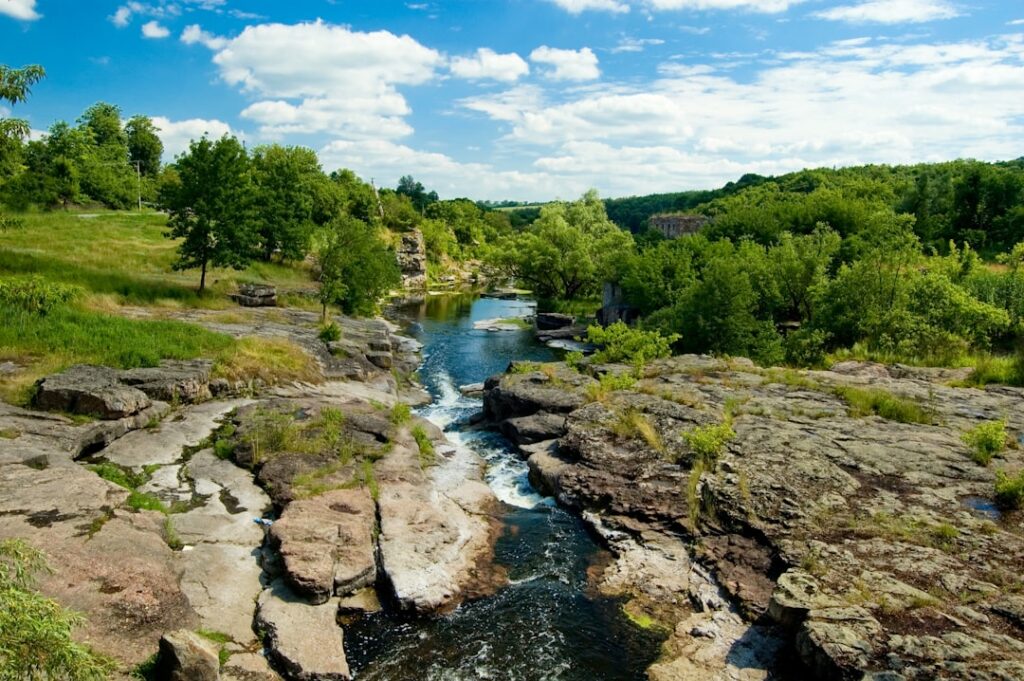
“River-Horse: A Voyage Across America” is a compelling narrative penned by William Least Heat-Moon, an author renowned for his deep appreciation of the American landscape and its cultural tapestry. In this work, he embarks on an ambitious journey, navigating the intricate waterways that crisscross the United States. The book is not merely a travelogue; it is a profound exploration of the relationship between humans and nature, as well as a meditation on the significance of rivers in shaping both geography and identity.
Least Heat-Moon’s prose is rich and evocative, drawing readers into the sights, sounds, and stories that unfold along the banks of America’s rivers. The title “River-Horse” itself is a nod to the historical term for the river horse, or hippopotamus, which symbolizes the fluidity and power of water. This metaphor serves as a backdrop for Least Heat-Moon’s journey, as he seeks to understand the rivers not just as physical entities but as living narratives that connect people, places, and histories.
His quest is both personal and universal, inviting readers to reflect on their own connections to water and the landscapes that define their lives. Through his eyes, we are invited to witness the beauty and complexity of America’s waterways, making this book a significant contribution to the genre of nature writing.
Key Takeaways
- “River-Horse” by William Least Heat-Moon is a captivating exploration of America’s waterways and the people, nature, and history that surround them.
- The journey along the waterways provides insight into the diverse characters and communities that live along the rivers, offering a unique perspective on American culture.
- The book also delves into the ecological diversity and wildlife that can be observed along the rivers, highlighting the importance of preserving these natural habitats.
- Through historical and cultural insights, readers gain a deeper understanding of the impact that rivers have had on society and the development of the country.
- The challenges and triumphs faced along the way, as well as the reflections and connections made, contribute to the meaningful legacy of “River-Horse” and its impact on readers.
The Journey: Exploring America’s Waterways
A Journey of Discovery
Least Heat-Moon sets out on an extraordinary adventure, traversing America’s waterways from coast to coast in a small boat, equipped with minimal supplies and an insatiable curiosity about the world around him. As he navigates through rivers, lakes, and canals, each segment of his journey reveals new landscapes and experiences.
Along the way, he encounters a diverse array of environments, from bustling urban centers to serene rural landscapes. Each location offers its own unique character and charm, contributing to the overall tapestry of his journey.
A Journey of Intellectual Discovery
The author’s keen observations allow readers to visualize the changing scenery, from the lush greenery of riverbanks to the stark beauty of industrial areas. His descriptions are often infused with historical context, providing insight into how these waterways have shaped human settlement and activity over time. This exploration is not just about physical navigation; it is also an intellectual journey that prompts readers to consider the significance of these waterways in American history and culture.
The Characters: Meeting the People Along the River

One of the most enriching aspects of “River-Horse” is Least Heat-Moon’s encounters with the myriad individuals who inhabit the riverbanks. As he travels, he meets fishermen, boaters, historians, and everyday people whose lives are intertwined with the rivers. Each character adds depth to the narrative, offering personal stories that reflect broader themes of resilience, connection, and community.
For instance, he might meet an elderly fisherman who shares tales of his youth spent on the river, illustrating how these waters have been a source of sustenance and joy for generations. These interactions are not merely anecdotal; they serve as a lens through which readers can understand the diverse cultural fabric of America. Each person he meets has a unique relationship with the river—some view it as a livelihood, while others see it as a place for recreation or spiritual reflection.
Through their stories, Least Heat-Moon captures the essence of American life along the waterways, highlighting how rivers serve as both physical routes and metaphorical pathways for human connection. The characters he encounters become integral to his journey, enriching his understanding of the land and its people.
Nature and Wildlife: Observing the Ecological Diversity
As Least Heat-Moon navigates America’s waterways, he becomes acutely aware of the ecological diversity that thrives in these environments. The rivers are not just channels of water; they are vibrant ecosystems teeming with life. He takes time to observe various species of fish, birds, and other wildlife that inhabit these areas.
His detailed descriptions bring to life the sights and sounds of nature—whether it’s the call of a heron taking flight or the ripple of fish breaking the surface. The author’s observations extend beyond mere identification; he reflects on the interconnectedness of these ecosystems and their importance in maintaining biodiversity. For example, he discusses how certain species rely on specific habitats along the riverbanks for breeding or feeding.
This ecological awareness is woven throughout his narrative, emphasizing that rivers are not only vital for human activity but also serve as lifelines for countless species. Least Heat-Moon’s reverence for nature is palpable; he encourages readers to appreciate the delicate balance that sustains these ecosystems and to recognize their role in our collective responsibility toward environmental stewardship.
Historical and Cultural Insights: Discovering the River’s Impact on Society
The historical significance of rivers in shaping American society is a recurring theme in “River-Horse.” Least Heat-Moon delves into how these waterways have influenced settlement patterns, trade routes, and cultural exchanges throughout history. He explores how indigenous peoples utilized rivers long before European settlers arrived, relying on them for transportation, sustenance, and spiritual practices. This historical context enriches readers’ understanding of how deeply rooted rivers are in American identity.
As he travels through various towns and cities along his route, Least Heat-Moon uncovers stories that reveal how rivers have been central to economic development. He discusses how industries have flourished along riverbanks—shipping companies capitalizing on water routes for trade and commerce. However, he also addresses the darker aspects of this history, such as pollution and habitat destruction resulting from industrialization.
By juxtaposing historical narratives with contemporary realities, he invites readers to reflect on how society’s relationship with rivers has evolved over time and what it means for future generations.
Challenges and Triumphs: Overcoming Obstacles Along the Way
The journey undertaken by Least Heat-Moon is fraught with challenges that test his resolve and adaptability. Navigating unpredictable waters can be perilous; he encounters rough currents, inclement weather, and mechanical failures that threaten to derail his expedition. These obstacles serve as metaphors for life’s unpredictability and highlight the importance of perseverance in overcoming adversity.
Throughout his travels, Least Heat-Moon demonstrates resourcefulness in addressing these challenges. Whether it’s repairing his boat or seeking shelter from a storm, his experiences underscore a broader theme of resilience—both in nature and in human spirit. Each triumph over adversity becomes a moment of reflection for him; he learns valuable lessons about patience, humility, and respect for nature’s power.
These experiences resonate with readers who may find parallels in their own lives when faced with obstacles.
Reflection and Connection: Finding Meaning in the Journey
As “River-Horse” progresses, Least Heat-Moon engages in deep reflection about what his journey means on both personal and philosophical levels. The act of traveling along these waterways becomes a form of meditation; he contemplates not only the landscapes around him but also his place within them. The rivers serve as conduits for introspection, prompting him to consider themes such as identity, belonging, and interconnectedness.
His reflections often lead him to ponder larger existential questions about humanity’s relationship with nature. He grapples with feelings of solitude while simultaneously feeling connected to a broader community through shared experiences along the riverbanks. This duality enriches his narrative; it illustrates how journeys can be both solitary and communal experiences that foster deeper connections with oneself and others.
Through his introspective lens, readers are encouraged to explore their own relationships with nature and consider how these connections shape their identities.
The Legacy of River-Horse
“River-Horse” stands as a testament to William Least Heat-Moon’s profound understanding of America’s waterways and their significance in shaping human experience. His journey is not just about traversing physical landscapes; it is an exploration of cultural narratives, ecological diversity, and personal reflection that resonates deeply with readers.
Through his eloquent prose and vivid storytelling, Least Heat-Moon invites us to recognize our shared responsibility toward preserving these precious resources for future generations. “River-Horse” serves as a reminder that every river has its own story—a story worth telling and worth protecting. As we navigate our own lives alongside these waterways, we are encouraged to reflect on our connections to them and consider how we can contribute to their legacy in meaningful ways.
If you enjoyed reading “River-Horse” by William Least Heat-Moon, you may also be interested in checking out this article on Hellread titled


