
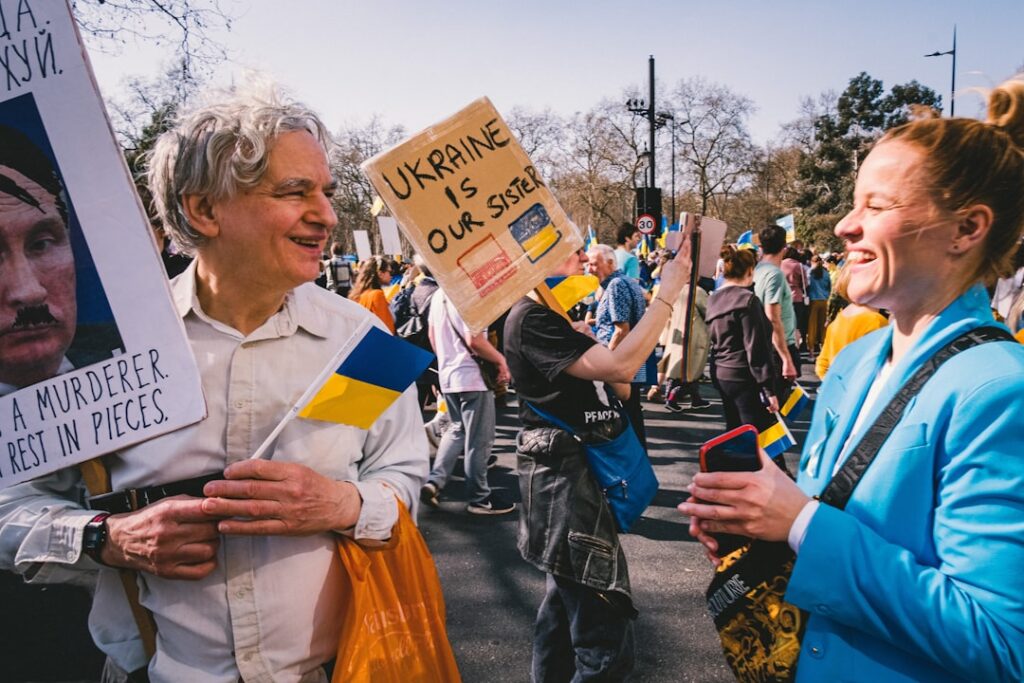
In recent years, the concept of democracy has faced unprecedented challenges, leading to a growing discourse around the tensions between populism and democratic governance. The book “The People vs. Democracy” by Yascha Mounk delves into these complexities, exploring how populist movements have emerged as a formidable force against established democratic norms.
Mounk argues that while populism can be seen as a response to the failures of traditional political systems, it simultaneously poses significant risks to the very foundations of democracy itself. This dichotomy raises critical questions about the future of democratic institutions and the role of citizens in shaping their political landscapes. Mounk’s analysis is particularly relevant in an era marked by increasing polarization and disillusionment with political elites.
He posits that the rise of populism is not merely a reaction to economic grievances but also a symptom of deeper societal rifts. As citizens feel alienated from the political process, they often turn to populist leaders who promise to restore power to “the people.” However, this shift can lead to the erosion of democratic principles, as populist leaders frequently undermine checks and balances in favor of consolidating their own power. The interplay between populism and democracy thus becomes a central theme in understanding contemporary political dynamics.
Key Takeaways
- The rise of populism poses a significant threat to democracy, as it undermines the principles of inclusivity and equality.
- The erosion of democratic norms and institutions weakens the foundation of democracy, leading to a decline in trust and legitimacy.
- Social media and technology play a significant role in undermining democracy by spreading misinformation and polarizing societies.
- The global spread of authoritarianism has a detrimental impact on democracy, as it promotes autocratic rule and suppresses individual freedoms.
- Strategies for strengthening democracy in the face of populism include promoting transparency, accountability, and civic education to empower citizens.
Populism has surged across various regions, manifesting in different forms but sharing a common thread: a charismatic leader who claims to represent the “true” voice of the people against a corrupt elite. This phenomenon has been particularly evident in countries like Hungary, where Viktor Orbán’s government has systematically dismantled democratic institutions under the guise of popular sovereignty. Orbán’s rhetoric emphasizes a dichotomy between the “real” Hungarian people and the so-called elites, fostering an environment where dissent is often labeled as unpatriotic or elitist.
In the United States, the election of Donald Trump marked a significant moment in the rise of populism, characterized by a rejection of established political norms and an embrace of a more confrontational style of governance. Trump’s appeal lay in his ability to connect with disenchanted voters who felt overlooked by traditional politicians. However, his presidency also highlighted the dangers of populism, as he frequently attacked the media, judiciary, and other institutions that serve as checks on executive power.
This trend raises alarms about the potential for populist leaders to erode democratic accountability and undermine the rule of law.
The Erosion of Democratic Norms and Institutions
The erosion of democratic norms is often insidious, occurring gradually as populist leaders chip away at the foundations of governance. One of the most concerning aspects of this trend is the normalization of anti-democratic rhetoric and behavior. Leaders like Jair Bolsonaro in Brazil have openly expressed disdain for democratic institutions, suggesting that they are impediments to effective governance.
Such statements can embolden supporters to view dissent as illegitimate, further polarizing society and undermining the principles of pluralism that are essential for democracy. Moreover, the manipulation of electoral processes has become a hallmark of populist regimes.
These actions not only compromise the integrity of elections but also create an environment where citizens may feel that their votes do not matter. As trust in democratic institutions wanes, the cycle of disillusionment perpetuates itself, making it increasingly difficult for citizens to engage meaningfully in the political process.
The Role of Social Media and Technology in Undermining Democracy
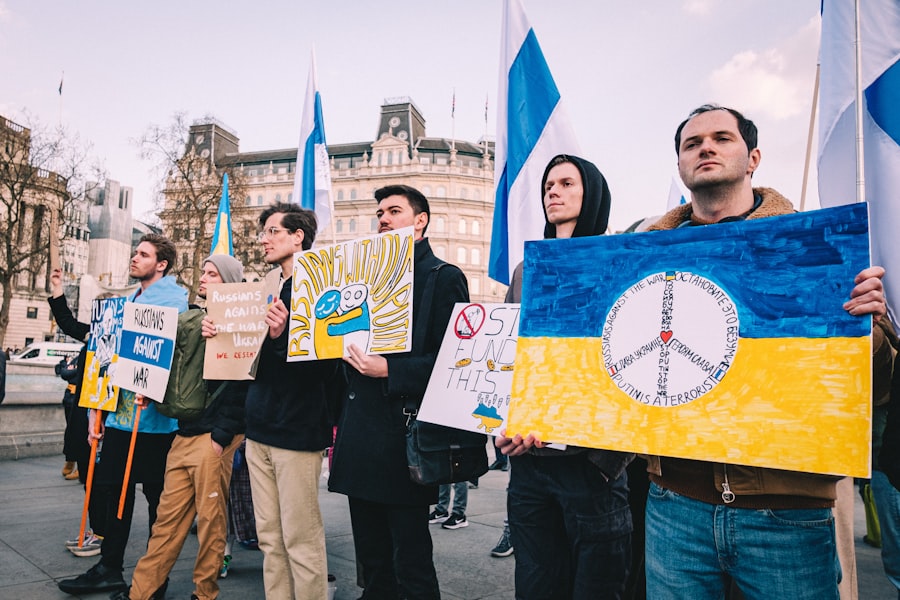
The advent of social media has transformed political communication, providing new platforms for both engagement and manipulation. While these technologies have democratized information dissemination, they have also facilitated the spread of misinformation and extremist ideologies. Populist leaders have adeptly harnessed social media to amplify their messages, often bypassing traditional media gatekeepers who might challenge their narratives.
This direct line to constituents allows them to cultivate a loyal base while simultaneously discrediting dissenting voices. The algorithms that govern social media platforms often prioritize sensational content over factual reporting, creating echo chambers that reinforce existing beliefs. This phenomenon can lead to increased polarization, as individuals become more entrenched in their views and less willing to engage with opposing perspectives.
The impact on democracy is profound; when citizens are exposed primarily to information that aligns with their preconceptions, it becomes increasingly challenging to foster constructive dialogue or build consensus on critical issues.
The Global Spread of Authoritarianism and its Impact on Democracy
The rise of populism is not confined to any single nation; rather, it reflects a broader global trend toward authoritarianism. Countries such as Russia and China have embraced authoritarian practices while simultaneously promoting narratives that challenge liberal democratic values. In Russia, President Vladimir Putin has utilized state-controlled media to cultivate a cult of personality while suppressing dissent through legal and extralegal means.
This model serves as both a warning and an inspiration for populist leaders elsewhere who seek to consolidate power. The implications for global democracy are dire. As authoritarian regimes gain traction, they often export their strategies to other nations, undermining democratic movements worldwide.
For instance, China’s Belt and Road Initiative has been criticized for fostering dependency among participating countries while promoting authoritarian governance models. This global shift poses significant challenges for democracies striving to maintain their values in an increasingly interconnected world where authoritarianism appears to be on the rise.
Strategies for Strengthening Democracy in the Face of Populism
In light of these challenges, it is imperative for democracies to adopt proactive strategies aimed at reinforcing their institutions and norms. One effective approach is to enhance civic education, ensuring that citizens understand their rights and responsibilities within a democratic framework. By fostering a culture of informed engagement, individuals are better equipped to critically evaluate political rhetoric and resist divisive narratives propagated by populist leaders.
Additionally, strengthening electoral integrity is crucial in countering populist threats. Implementing measures such as independent electoral commissions, transparent voting processes, and robust campaign finance regulations can help restore public confidence in electoral outcomes. Furthermore, promoting inclusive political participation—particularly among marginalized groups—can mitigate feelings of disenfranchisement that often fuel populist sentiments.
The Importance of Civic Engagement and Political Participation
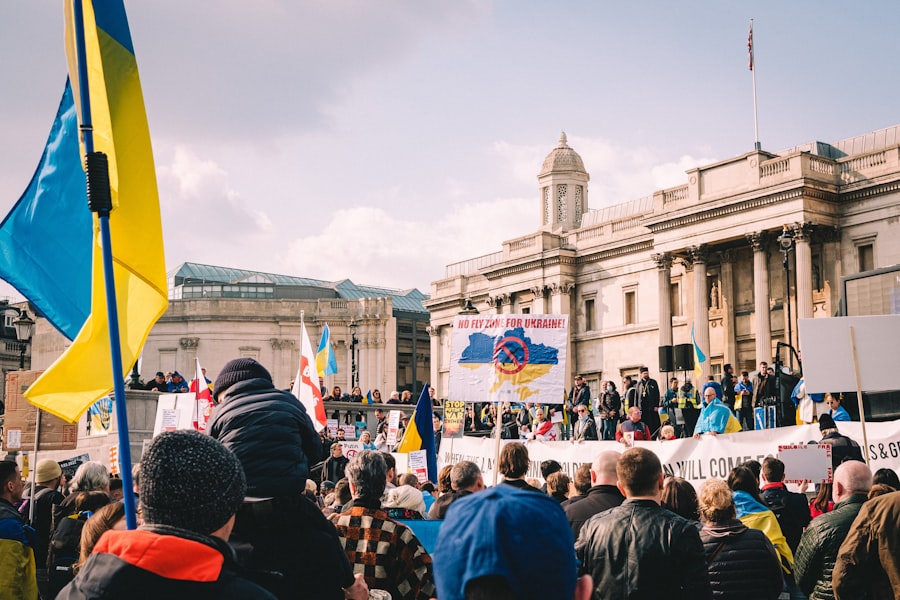
Civic engagement plays a pivotal role in sustaining democracy amidst rising populism. When citizens actively participate in political processes—whether through voting, advocacy, or community organizing—they contribute to a vibrant democratic culture that resists authoritarian tendencies. Grassroots movements have historically been instrumental in challenging oppressive regimes and advocating for social change; thus, fostering civic engagement is essential for empowering individuals to hold their leaders accountable.
Moreover, political participation extends beyond mere voting; it encompasses various forms of activism that can influence policy decisions and public discourse. Engaging in local governance, attending town hall meetings, or participating in peaceful protests are all avenues through which citizens can express their views and demand accountability from elected officials. By cultivating a sense of agency among citizens, democracies can counteract the allure of populist rhetoric that often seeks to diminish individual voices.
The Future of Democracy in the 21st Century
As we navigate the complexities of the 21st century, the future of democracy remains uncertain amid rising populism and authoritarianism. The challenges posed by these trends necessitate a concerted effort from citizens, civil society organizations, and political leaders alike to safeguard democratic values. By prioritizing civic engagement, enhancing electoral integrity, and fostering inclusive political participation, democracies can build resilience against the forces that seek to undermine them.
Ultimately, the struggle for democracy is ongoing; it requires vigilance and commitment from all sectors of society. As history has shown, democracies are not guaranteed—they must be actively nurtured and defended against threats both internal and external. The path forward will undoubtedly be fraught with challenges, but through collective action and unwavering dedication to democratic principles, there remains hope for a more equitable and just political future.
In a related article to Yascha Mounk’s “The People vs. Democracy,” readers can explore the concept of democracy in a futuristic setting in the article “Hello World” on Hellread. This thought-provoking piece delves into the potential challenges and advancements that democracy may face in the year 2024. To read more about this intriguing topic, check out the article here.
FAQs
What is the book “The People vs. Democracy” about?
The book “The People vs. Democracy” by Yascha Mounk explores the challenges that liberal democracies are facing in the 21st century, including the rise of populism, the erosion of political norms, and the threat to individual rights and freedoms.
Who is the author of “The People vs. Democracy”?
The author of “The People vs. Democracy” is Yascha Mounk, a political scientist, author, and lecturer known for his work on the rise of populism and the challenges to liberal democracy.
What are some of the key themes discussed in “The People vs. Democracy”?
Some of the key themes discussed in “The People vs. Democracy” include the rise of populism, the erosion of political norms, the challenges to liberal democracy, and the ways in which these trends are impacting individual rights and freedoms.
What are some of the solutions proposed in “The People vs. Democracy”?
In “The People vs. Democracy,” Yascha Mounk proposes several solutions to the challenges facing liberal democracies, including strengthening political institutions, defending individual rights and freedoms, and fostering a sense of shared national identity.
What are some of the criticisms of “The People vs. Democracy”?
Some critics of “The People vs. Democracy” argue that Mounk’s analysis is overly pessimistic and that he underestimates the resilience of liberal democracies. Others have criticized his proposed solutions as being too focused on elite-driven reforms.




