
The landscape of fitness has evolved significantly over the past few decades, particularly regarding women’s strength training. “The New Rules of Lifting for Women,” authored by Lou Schuler and Alwyn Cosgrove, serves as a pivotal guide that challenges traditional notions about women and weightlifting. This book emphasizes that strength training is not merely a means to an aesthetic end but a powerful tool for enhancing overall health, functional fitness, and self-esteem.
It encourages women to embrace lifting weights as a fundamental component of their fitness journey, rather than shying away from it due to societal pressures or misconceptions. This paradigm shift is crucial, as it empowers women to take control of their fitness narratives. The New Rules of Lifting for Women advocates for a comprehensive approach that includes not only lifting weights but also understanding the science behind strength training, nutrition, and the psychological benefits that come with it.
By breaking down barriers and providing practical guidance, this book aims to inspire women to redefine their relationship with strength training and to recognize its myriad benefits beyond mere physical appearance.
Key Takeaways
- The New Rules of Lifting for Women offers a comprehensive approach to strength training specifically designed for women.
- Strength training can help women build lean muscle, increase metabolism, and improve overall health and fitness.
- Women should not fear weightlifting as it will not make them bulky, but rather help them achieve a toned and strong physique.
- Proper nutrition is essential for women’s strength training, including adequate protein intake and balanced macronutrients.
- Designing a personalized workout program for women involves considering individual goals, fitness level, and any potential barriers or challenges.
The Science Behind Strength Training for Women
Understanding the science behind strength training is essential for women who wish to engage in this form of exercise effectively. Strength training involves the use of resistance to induce muscular contraction, which leads to increased strength, endurance, and muscle mass. For women, this process is influenced by hormonal differences, particularly the levels of estrogen and testosterone.
While testosterone is often associated with muscle growth, women produce it in lower quantities, which means they can still gain strength and muscle without the bulk that many fear. Research has shown that strength training can lead to significant improvements in bone density, which is particularly important for women as they age. Osteoporosis is a prevalent concern among women, especially post-menopause when estrogen levels drop.
Additionally, studies indicate that strength training can enhance metabolic rate, leading to more efficient calorie burning even at rest. This metabolic boost is beneficial for weight management and overall health.
Dispelling Myths about Women and Weightlifting

Despite the growing acceptance of women in strength training, several myths persist that deter many from embracing this empowering form of exercise. One common misconception is that lifting weights will lead to an overly muscular physique. This fear often stems from a misunderstanding of how muscle growth occurs.
Women typically lack the testosterone levels necessary to develop large muscles like men do. Instead, strength training can lead to a toned and defined appearance, enhancing femininity rather than detracting from it. Another myth is that women should focus solely on cardio for weight loss and overall fitness.
While cardiovascular exercise is undoubtedly beneficial, it should not be the sole focus of a fitness regimen. Strength training complements cardio by building lean muscle mass, which in turn increases resting metabolic rate. This means that women who incorporate weightlifting into their routines can achieve better weight management results than those who rely on cardio alone.
By dispelling these myths, women can approach strength training with confidence and clarity, understanding its true benefits.
The Importance of Nutrition in Women’s Strength Training
Nutrition plays a critical role in the effectiveness of any strength training program, particularly for women who are looking to optimize their performance and recovery.
Protein is particularly important for women engaged in strength training, as it provides the building blocks necessary for muscle growth and recovery.
Sources such as lean meats, fish, dairy products, legumes, and plant-based proteins should be prioritized. Carbohydrates also play a vital role in providing energy for workouts. Women often underestimate their carbohydrate needs, especially when engaging in intense strength training sessions.
Consuming adequate carbohydrates ensures that glycogen stores are replenished, allowing for sustained energy during workouts. Additionally, healthy fats are crucial for hormone production and overall health. Incorporating sources like avocados, nuts, seeds, and olive oil can support hormonal balance and enhance recovery.
Designing a Personalized Workout Program for Women
Creating a personalized workout program is essential for maximizing the benefits of strength training while accommodating individual goals and preferences. The New Rules of Lifting for Women emphasizes the importance of tailoring workouts to fit one’s unique needs rather than adhering to a one-size-fits-all approach. Factors such as fitness level, available equipment, time constraints, and personal goals should all be considered when designing a program.
A well-rounded program typically includes compound movements that engage multiple muscle groups simultaneously. Exercises such as squats, deadlifts, bench presses, and rows are foundational movements that promote overall strength development. Additionally, incorporating variations and accessory exercises can help target specific areas of concern or interest.
For instance, if a woman wishes to strengthen her core or improve her upper body strength, she can include exercises like planks or push-ups in her routine. Regularly reassessing goals and progress is also crucial; as strength increases or goals evolve, adjustments to the program may be necessary to continue challenging the body effectively.
Overcoming Barriers and Challenges in Women’s Strength Training
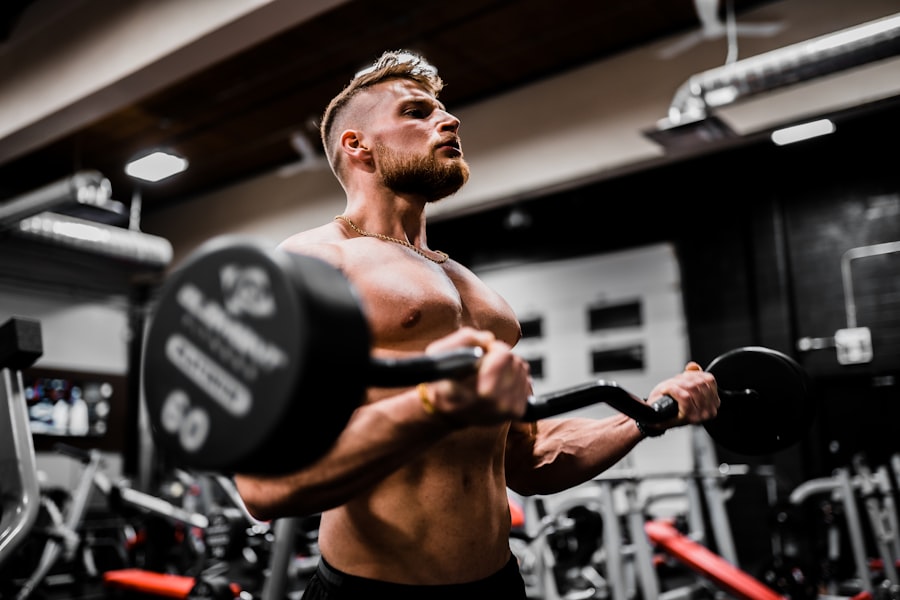
Despite the numerous benefits of strength training, many women face barriers that hinder their ability to engage fully in this form of exercise. One significant challenge is the intimidation factor often associated with weightlifting environments such as gyms. Many women report feeling self-conscious or out of place when surrounded by predominantly male lifters or advanced athletes.
To overcome this barrier, it can be helpful to seek out supportive communities or female-focused gyms where encouragement and camaraderie are prioritized. Another challenge is the misconception that strength training requires extensive knowledge or experience. Many women may feel overwhelmed by the prospect of learning proper techniques or understanding complex workout programs.
However, resources such as personal trainers or group classes can provide valuable guidance and support. Additionally, online platforms offer a wealth of information through instructional videos and forums where women can connect with others on similar journeys. By addressing these barriers head-on and seeking out supportive environments, women can cultivate confidence in their strength training endeavors.
The Mental and Emotional Benefits of Strength Training for Women
The mental and emotional benefits of strength training are profound yet often overlooked aspects of this form of exercise. Engaging in regular strength training can lead to increased self-esteem and body confidence as women witness their physical capabilities grow over time. The sense of accomplishment that comes from lifting heavier weights or mastering new exercises fosters a positive self-image and reinforces the idea that they are capable of achieving their goals.
Moreover, strength training has been shown to have positive effects on mental health by reducing symptoms of anxiety and depression. The release of endorphins during exercise contributes to improved mood and overall well-being. For many women, the gym becomes a sanctuary—a place where they can focus on themselves and channel their energy into something productive and empowering.
This mental clarity gained through physical exertion can translate into other areas of life, enhancing resilience and coping skills when faced with challenges outside the gym.
Success Stories and Testimonials from Women Who Have Embraced The New Rules of Lifting
The transformative power of “The New Rules of Lifting for Women” is best illustrated through the success stories of those who have embraced its principles. Many women have shared their journeys from feeling intimidated by weights to becoming confident lifters who celebrate their progress both physically and mentally. For instance, one woman recounted her experience of starting with light weights due to self-doubt but gradually increasing her load as she gained confidence in her abilities.
She described how lifting not only changed her physique but also empowered her in her personal life—leading her to pursue new challenges outside the gym. Another inspiring testimonial comes from a woman who struggled with body image issues for years before discovering strength training. Initially drawn to weightlifting as a means to lose weight, she soon realized that her focus shifted from aesthetics to performance and health.
As she learned more about her body’s capabilities through lifting heavier weights, she developed a newfound appreciation for her strength rather than fixating on appearance alone. These stories exemplify how embracing the principles outlined in “The New Rules of Lifting for Women” can lead to profound changes in both physical health and mental well-being. Through these narratives, it becomes evident that strength training is not just about building muscle; it’s about building resilience, confidence, and community among women who support one another on their journeys toward empowerment through fitness.
If you’re looking to dive deeper into the world of weightlifting and fitness, be sure to check out this article on hellread.com. This article provides valuable insights and tips on how to maximize your workouts and achieve your fitness goals. It complements the principles outlined in The New Rules of Lifting for Women by Lou Schuler and Alwyn Cosgrove, offering readers a comprehensive guide to strength training and overall wellness.
FAQs
What is “The New Rules of Lifting for Women” about?
“The New Rules of Lifting for Women” is a book written by Lou Schuler and Alwyn Cosgrove that provides a comprehensive guide to strength training for women. It focuses on debunking myths about women and weightlifting and provides a practical approach to building strength and achieving fitness goals.
Who are the authors of “The New Rules of Lifting for Women”?
The book “The New Rules of Lifting for Women” is written by Lou Schuler, a certified strength and conditioning specialist, and Alwyn Cosgrove, a fitness expert and owner of Results Fitness.
What are some of the key concepts discussed in “The New Rules of Lifting for Women”?
The book covers topics such as the benefits of strength training for women, debunking myths about women and weightlifting, designing effective workout programs, and nutrition for strength training. It also provides practical advice and guidance for women looking to improve their strength and fitness.
Is “The New Rules of Lifting for Women” suitable for beginners?
Yes, “The New Rules of Lifting for Women” is suitable for beginners as it provides a comprehensive guide to strength training, including step-by-step instructions for exercises and workout programs designed for all fitness levels.
Where can I find “The New Rules of Lifting for Women”?
“The New Rules of Lifting for Women” is available for purchase online and at bookstores. It may also be available at local libraries for borrowing.




