

In the fast-paced world of startups, where resources are often limited and competition is fierce, the importance of user experience (UX) design cannot be overstated. A well-crafted UX design can be the difference between a product that thrives and one that fails to gain traction. Startups must recognize that their success hinges not only on the quality of their product or service but also on how users interact with it.
A positive user experience fosters customer satisfaction, encourages repeat business, and ultimately drives growth. In an era where consumers have countless options at their fingertips, a startup that prioritizes UX design is more likely to stand out in a crowded marketplace. Moreover, effective UX design can significantly reduce customer acquisition costs.
When users find a product intuitive and enjoyable to use, they are more likely to recommend it to others, leading to organic growth through word-of-mouth marketing. This is particularly crucial for startups that may not have the budget for extensive advertising campaigns. By investing in UX design from the outset, startups can create a loyal customer base that not only returns for future purchases but also acts as brand ambassadors, spreading the word about their positive experiences.
Thus, the strategic implementation of UX design is not merely an aesthetic choice; it is a fundamental business strategy that can propel startups toward long-term success.
Key Takeaways
- UX design is crucial for startups as it directly impacts user satisfaction, retention, and ultimately the success of the business.
- Understanding user needs and behavior is essential for creating a user-centric design that meets the expectations and preferences of the target audience.
- A seamless user experience can be achieved by focusing on intuitive navigation, clear communication, and efficient task completion.
- Incorporating feedback and iteration allows startups to continuously improve their product or service based on user input and evolving market trends.
- Balancing design and functionality is key to creating a visually appealing product that also delivers on its intended purpose.
Understanding User Needs and Behavior
Conducting Qualitative Research
Techniques such as surveys, interviews, and focus groups can provide valuable insights into what users expect from a product or service. For instance, a startup developing a fitness app, conducting interviews with potential users can help learn about their workout habits, motivations, and frustrations with existing solutions. This qualitative data can inform design decisions and help ensure that the final product resonates with its intended audience.
Analyzing User Behavior
In addition to qualitative research, analyzing user behavior through quantitative methods is equally important. Tools like Google Analytics can track how users interact with a website or application, revealing patterns in navigation, engagement, and conversion rates. By examining this data, startups can identify which features are most popular and which may need improvement. For example, if analytics show that users frequently abandon their shopping carts at a specific point in the checkout process, it may indicate a need for simplification or clarification in that area.
Creating a Satisfying User Experience
Understanding both the emotional and behavioral aspects of users allows startups to tailor their offerings more effectively, ultimately leading to a more satisfying user experience.
Creating a Seamless User Experience
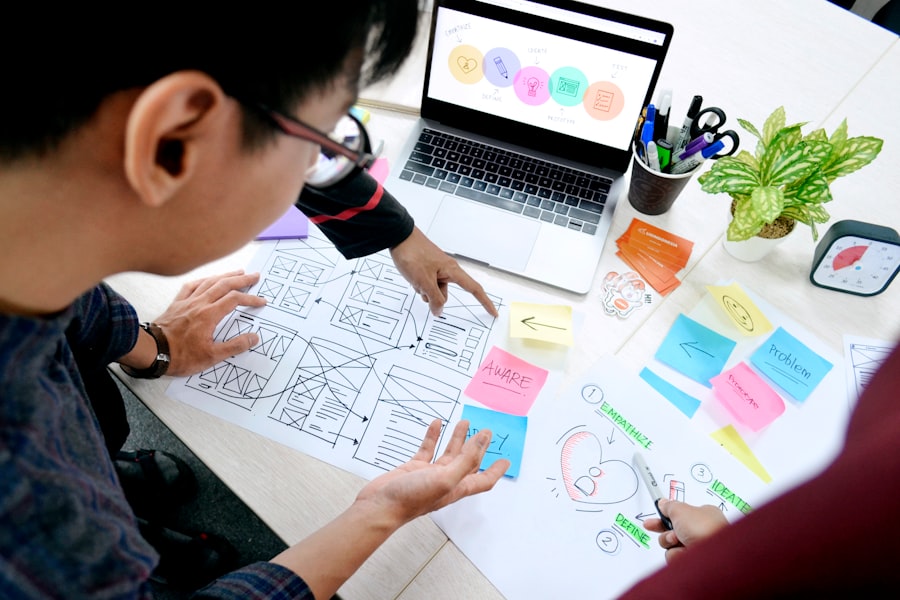
A seamless user experience is characterized by intuitive navigation, clear communication, and an aesthetically pleasing interface. Startups should prioritize simplicity in their design to ensure that users can easily accomplish their goals without unnecessary obstacles. This means creating a logical flow throughout the product or service, where each step naturally leads to the next.
For example, an e-commerce startup should ensure that users can effortlessly browse products, add items to their cart, and complete the checkout process without confusion or frustration. In addition to navigation, visual design plays a crucial role in creating a seamless experience. Consistent branding elements such as color schemes, typography, and imagery help establish a cohesive identity that users can easily recognize.
Furthermore, attention to detail in micro-interactions—such as button animations or loading indicators—can enhance the overall experience by providing feedback and making interactions feel more engaging. A startup that invests in these aspects of UX design will not only improve usability but also create an emotional connection with users, encouraging them to return.
Incorporating Feedback and Iteration
The process of designing a user experience is not static; it requires continuous feedback and iteration. Startups should adopt an agile approach to UX design, where they regularly test their products with real users and gather insights on what works and what doesn’t. This iterative process allows for rapid adjustments based on user feedback, ensuring that the final product aligns closely with user expectations.
For instance, after launching a minimum viable product (MVP), a startup might conduct usability testing sessions to observe how users interact with the app and identify any pain points. Incorporating feedback can take many forms, from formal usability tests to informal conversations with users. Startups should create channels for ongoing communication with their audience, whether through social media, customer support interactions, or dedicated feedback forms within their product.
By actively seeking input from users and demonstrating a willingness to adapt based on their suggestions, startups can foster a sense of community and loyalty among their customer base. This commitment to improvement not only enhances the user experience but also positions the startup as responsive and customer-centric.
Balancing Design and Functionality
While aesthetics are important in UX design, functionality must never be compromised for the sake of visual appeal. Startups face the challenge of striking a balance between creating an attractive interface and ensuring that all features work seamlessly together. A beautifully designed app that is difficult to navigate or lacks essential functionality will frustrate users and lead to abandonment.
Therefore, startups should prioritize usability alongside visual design principles. One effective strategy for achieving this balance is to adopt a user-centered design approach. This involves involving users in the design process from the beginning and continuously validating design choices against their needs and expectations.
For example, when designing a project management tool, a startup might prioritize features that enhance collaboration and task tracking while ensuring that the interface remains clean and uncluttered.
Utilizing UX Design to Gain a Competitive Edge
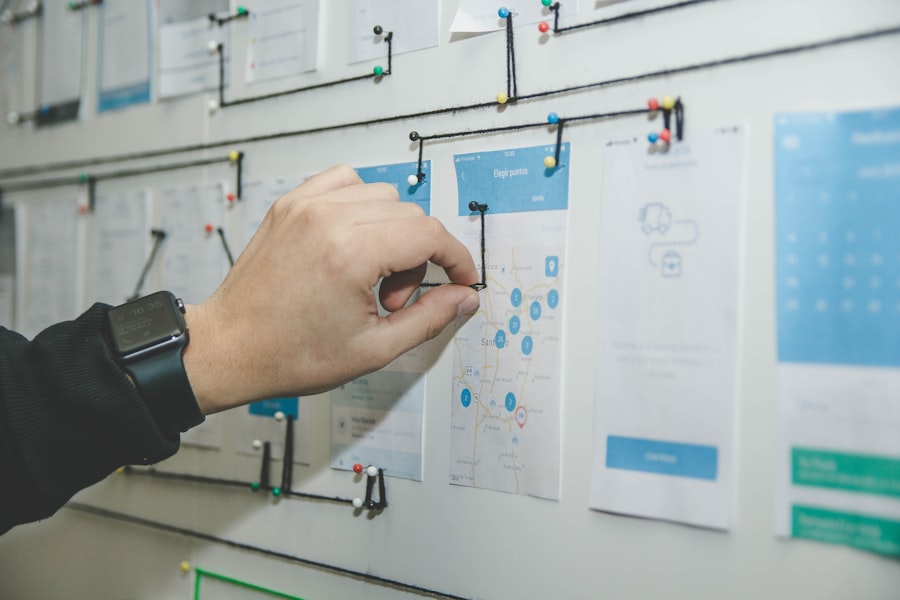
In today’s competitive landscape, startups must leverage every advantage they can find to differentiate themselves from established players in their industry. A strong focus on UX design can serve as a powerful differentiator that sets a startup apart from its competitors. When users encounter products that offer superior usability and satisfaction, they are more likely to choose them over alternatives—even if those alternatives are more established or have greater brand recognition.
For instance, consider the rise of companies like Airbnb and Uber, which disrupted traditional industries by prioritizing user experience in their platforms. Both companies recognized that providing an intuitive interface and seamless interactions would attract users who were frustrated with existing options. By focusing on UX design as a core component of their business strategy, these startups were able to carve out significant market share and establish themselves as leaders in their respective fields.
Startups that embrace this mindset can similarly position themselves for success by making UX design an integral part of their value proposition.
The Role of UX Design in Building Brand Loyalty
Brand loyalty is often built on positive user experiences that create emotional connections between consumers and products or services. Startups have the unique opportunity to cultivate this loyalty from the outset by prioritizing UX design in their offerings. When users feel valued through thoughtful design—such as personalized experiences or responsive customer support—they are more likely to develop an attachment to the brand.
Moreover, consistent positive experiences reinforce brand trust over time. A startup that consistently delivers an exceptional user experience will encourage customers to return for future purchases and recommend the brand to others. For example, companies like Apple have built strong brand loyalty through their commitment to high-quality design and user experience across all products.
Startups can learn from this approach by ensuring that every interaction—whether through a website, app, or customer service—reflects their dedication to providing value to users.
Resources and Tools for Implementing UX Design in Startups
Implementing effective UX design requires access to various resources and tools that can streamline the process and enhance collaboration among team members. Startups can benefit from utilizing prototyping tools such as Figma or Adobe XD, which allow designers to create interactive mockups of their products for testing purposes. These tools enable teams to visualize ideas quickly and gather feedback before moving into development.
Additionally, analytics platforms like Hotjar or Mixpanel provide valuable insights into user behavior by tracking interactions within applications or websites. These insights can inform design decisions by highlighting areas where users may struggle or lose interest. Furthermore, resources such as Nielsen Norman Group offer extensive research on usability principles and best practices in UX design, serving as valuable references for startups looking to enhance their understanding of user-centered design.
By leveraging these tools and resources effectively, startups can create robust UX designs that resonate with users while fostering innovation within their teams. The combination of research-driven insights and practical tools empowers startups to navigate the complexities of UX design successfully while remaining agile in response to user needs.
If you’re interested in learning more about UX design for startups, you may want to check out this article on com/2024/12/04/hello-world/’>hellread.
com. This article provides valuable insights and tips on how startups can improve their user experience design to attract and retain customers. David Farkas’ article on UX design for startups is a great resource for entrepreneurs looking to create a user-friendly and engaging product.
FAQs
What is UX design?
UX design, or user experience design, is the process of creating products that provide meaningful and relevant experiences to users. This involves understanding the needs and behaviors of users and designing the product to meet those needs.
Why is UX design important for startups?
UX design is important for startups because it helps them create products that are user-friendly and intuitive, which can lead to increased user satisfaction and loyalty. A well-designed user experience can also differentiate a startup’s product from competitors and attract more users.
What are the key principles of UX design for startups?
Key principles of UX design for startups include understanding the target audience, conducting user research, creating user personas, designing intuitive and easy-to-use interfaces, and continuously testing and iterating on the product based on user feedback.
How can startups incorporate UX design into their product development process?
Startups can incorporate UX design into their product development process by involving UX designers from the early stages of product ideation, conducting user research and testing, creating prototypes to gather feedback, and iterating on the design based on user insights.
What are some common UX design mistakes that startups should avoid?
Common UX design mistakes that startups should avoid include neglecting user research, designing for the “average” user instead of specific user personas, overcomplicating the user interface, and not prioritizing usability and accessibility.




