
Travel photography is a captivating genre that transcends mere documentation; it is an art form that encapsulates the essence of a place, its culture, and the experiences that unfold within its landscapes. This discipline invites photographers to explore the world, capturing not just the sights but also the stories that breathe life into each destination. From bustling city streets to serene natural vistas, travel photography serves as a visual diary, allowing both the photographer and the viewer to embark on a journey through images.
The allure of travel photography lies in its ability to evoke emotions, inspire wanderlust, and foster a deeper understanding of diverse cultures. The significance of travel photography extends beyond personal enjoyment; it plays a crucial role in cultural exchange and awareness. By sharing images from different corners of the globe, photographers can bridge gaps between cultures, fostering empathy and appreciation for the uniqueness of each locale.
Whether it’s the vibrant colors of a local market or the quiet dignity of a rural landscape, these photographs tell stories that resonate with viewers, encouraging them to explore and connect with the world around them. As such, travel photography is not merely about capturing beautiful images; it is about creating a narrative that invites others to experience the journey alongside the photographer.
Key Takeaways
- Travel photography is about capturing the essence of a place and its people, telling a story through images.
- Understanding your camera equipment and settings is crucial for getting the best shots in different lighting and environmental conditions.
- Composition and framing techniques help create visually appealing and impactful photographs.
- Lighting and exposure tips are essential for achieving the right mood and atmosphere in your travel photos.
- Capturing authentic moments and emotions is key to creating compelling and memorable travel images.
Understanding Camera Equipment and Settings
Camera Selection: Balancing Portability and Performance
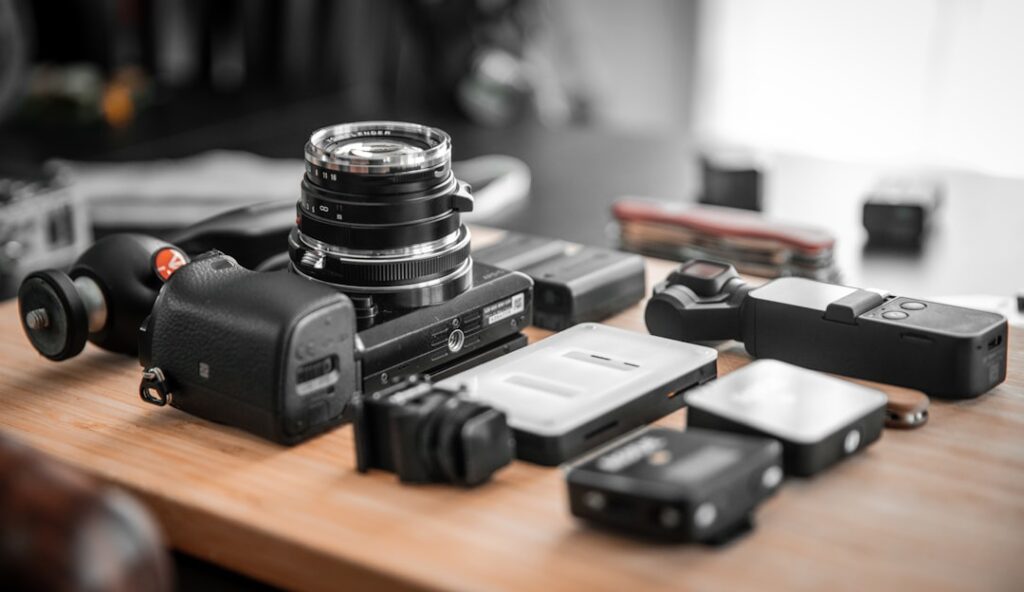
While professional DSLRs and mirrorless cameras offer advanced features and superior image quality, many travel photographers find that high-quality compact cameras or even smartphones can suffice for capturing stunning images on the go. The key is to select equipment that balances portability with performance, allowing for spontaneous shooting without compromising on quality.
Mastering Camera Settings for Desired Results
Understanding camera settings is equally essential for achieving desired results. Familiarity with exposure triangle—aperture, shutter speed, and ISO—enables photographers to manipulate light effectively. For instance, a wide aperture (low f-stop number) can create a shallow depth of field, isolating subjects against a beautifully blurred background, which is particularly effective in portraiture or when highlighting details in busy environments.
Adapting to Varying Lighting Conditions and Creative Intentions
Conversely, a higher f-stop can ensure greater depth of field, making it ideal for landscape photography where sharpness across the entire frame is desired. Mastery of these settings allows photographers to adapt to varying lighting conditions and creative intentions, ultimately enhancing their travel photography skills.
Composition and Framing Techniques
Composition is a fundamental aspect of photography that can elevate an image from ordinary to extraordinary. The rule of thirds is one of the most widely recognized compositional techniques, where an image is divided into nine equal parts by two horizontal and two vertical lines. Placing key elements along these lines or at their intersections creates balance and draws the viewer’s eye into the photograph.
For example, when photographing a sunset over a beach, positioning the horizon along the top third line can emphasize the vibrant colors in the sky while still showcasing the foreground. Beyond the rule of thirds, other techniques such as leading lines, framing, and symmetry can enhance visual storytelling.
A winding road or a river can serve as an effective leading line in landscape photography. Framing involves using elements within the scene to create a “frame” around the subject, which can add context and focus. For instance, shooting through an archway or between trees can create an immersive experience for viewers.
Symmetry can evoke harmony and balance in an image; capturing reflections in water or architectural features often yields striking results. By experimenting with these compositional techniques, photographers can develop their unique style while effectively conveying their vision.
Lighting and Exposure Tips
Lighting is one of the most critical elements in photography, influencing mood, texture, and overall image quality. Natural light varies throughout the day, with golden hour—the period shortly after sunrise or before sunset—offering soft, warm tones that enhance landscapes and portraits alike. Photographers often seek out this magical light for its ability to create depth and dimension in their images.
Conversely, harsh midday sunlight can lead to unflattering shadows and overexposed highlights; thus, understanding how to work with different lighting conditions is essential for capturing compelling photographs. In addition to natural light, artificial lighting can also play a significant role in travel photography. Portable flash units or reflectors can help illuminate subjects in low-light situations or when shooting indoors.
When photographing people in markets or festivals, for instance, using a flash can help bring out details in their expressions while maintaining the vibrancy of surrounding colors. Moreover, mastering exposure settings—such as bracketing exposures for high dynamic range (HDR) images—can help capture scenes with significant contrast between light and dark areas. By being mindful of lighting conditions and employing various techniques to manage exposure, photographers can create images that resonate with viewers on an emotional level.
Capturing Authentic Moments and Emotions
One of the hallmarks of exceptional travel photography is its ability to capture authentic moments that convey genuine emotions. Rather than merely staging scenes or relying on posed shots, skilled photographers immerse themselves in their surroundings, waiting for spontaneous interactions or fleeting expressions that tell a story. This approach often requires patience and keen observation; for example, capturing a child’s laughter during a local festival or an elderly couple sharing a quiet moment in a bustling market can evoke powerful emotions in viewers.
To enhance the authenticity of captured moments, photographers should strive to engage with their subjects respectfully. Building rapport with locals can lead to more intimate portraits and candid shots that reflect true cultural experiences. For instance, when photographing artisans at work or families during traditional celebrations, taking time to converse and understand their stories can result in more meaningful images.
Additionally, being present in the moment allows photographers to anticipate action—whether it’s a dancer mid-performance or wildlife in motion—ensuring they are ready to capture those fleeting instances that define travel experiences.
Editing and Post-Processing
Editing and post-processing are integral components of modern travel photography that allow photographers to refine their images and enhance their visual storytelling. Software such as Adobe Lightroom and Photoshop provides tools for adjusting exposure, contrast, color balance, and sharpness, enabling photographers to bring their creative vision to life. While some may argue that editing detracts from authenticity, when done thoughtfully, it can elevate an image by emphasizing its strengths while minimizing distractions.
One common editing technique involves adjusting white balance to ensure colors appear true to life; this is particularly important when shooting in varied lighting conditions or under artificial lights. Additionally, cropping can help improve composition by removing extraneous elements that detract from the main subject. Photographers often use presets or filters to achieve specific looks or moods; however, it’s essential to strike a balance between enhancing an image and maintaining its natural essence.
Ultimately, post-processing should serve as a tool for expression rather than a means of altering reality excessively.
Overcoming Challenges and Obstacles
Travel photography is not without its challenges; photographers often encounter obstacles ranging from unpredictable weather conditions to cultural sensitivities when capturing images in foreign lands. Adverse weather can affect lighting and visibility; however, it also presents unique opportunities for creativity. For instance, shooting during rain can yield dramatic landscapes with rich colors and reflections that would be absent on a clear day.
Embracing these challenges often leads to unexpected results that enrich a photographer’s portfolio. Cultural sensitivities also pose challenges when photographing people or sacred sites. It is crucial for photographers to approach subjects with respect and awareness of local customs.
Seeking permission before taking portraits or being mindful of restrictions at religious sites demonstrates cultural sensitivity and fosters positive interactions with locals. Additionally, being adaptable is vital; plans may change due to unforeseen circumstances such as closures or events not aligning with expectations. Flexibility allows photographers to pivot creatively and discover new opportunities for compelling imagery.
Building a Portfolio and Sharing Your Work
Creating a cohesive portfolio is essential for any travel photographer looking to showcase their work effectively. A well-curated portfolio should reflect not only technical skills but also personal style and storytelling ability. Selecting images that resonate with one’s artistic vision while demonstrating versatility across different subjects—landscapes, portraits, street scenes—can attract potential clients or followers who appreciate diverse perspectives.
In today’s digital age, sharing work has never been easier thanks to social media platforms like Instagram and photography websites like 500px or Flickr. These platforms provide opportunities for photographers to connect with audiences worldwide while receiving feedback on their work. Engaging with fellow photographers through comments or collaborations can foster community and inspire growth within one’s craft.
Additionally, participating in photography contests or exhibitions can further enhance visibility and credibility within the industry. By actively sharing their journey through captivating imagery and engaging narratives, travel photographers can inspire others while building a lasting legacy through their art.
If you enjoyed reading Photography Demystified—Your Guide to the World of Travel Photography by David McKay, you may also be interested in checking out this article on hellread.com that discusses the importance of capturing authentic moments while traveling. This article provides valuable insights and tips on how to truly capture the essence of a destination through photography.
FAQs
What is travel photography?
Travel photography is the act of capturing images that represent the people, landscapes, cultures, and customs of a particular destination. It involves documenting the essence of a place and its people through photographs.
What equipment do I need for travel photography?
The essential equipment for travel photography includes a camera (DSLR or mirrorless), a variety of lenses (wide-angle, telephoto, and prime), a sturdy tripod, extra batteries and memory cards, lens cleaning kit, and a camera bag for easy transportation.
What are some tips for taking better travel photographs?
Some tips for taking better travel photographs include researching the destination beforehand, capturing the local culture and people, using natural light to your advantage, experimenting with different angles and perspectives, and being patient and observant to capture authentic moments.
How can I improve my photography skills while traveling?
Improving your photography skills while traveling can be achieved by practicing regularly, experimenting with different techniques and settings, seeking inspiration from other photographers, taking photography workshops or courses, and learning to edit and post-process your images effectively.
What are some common challenges in travel photography?
Common challenges in travel photography include dealing with unpredictable weather conditions, navigating cultural sensitivities and permissions for photographing people, managing and protecting your equipment while on the move, and finding unique perspectives in popular tourist destinations.




