
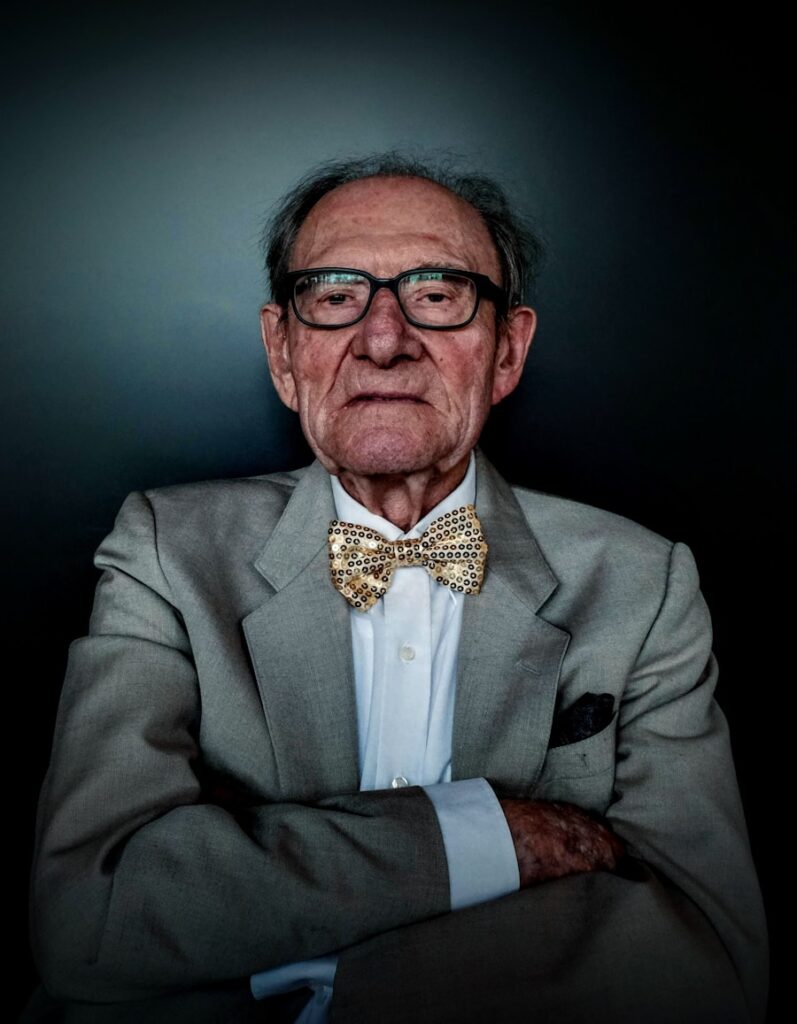
Robert Caro, born on October 30, 1935, in New York City, is a distinguished American author and biographer, renowned for his meticulous research and compelling narrative style. Caro’s early life was marked by a deep interest in storytelling, which was nurtured during his formative years in the vibrant cultural milieu of New York. He attended Princeton University, where he honed his writing skills and developed a keen interest in politics and history.
After graduating in 1957, Caro began his career as a reporter for the New York City newspaper, The Long Island Press. His journalistic endeavors provided him with a solid foundation in investigative reporting, which would later inform his approach to biography and historical writing. Caro’s breakthrough came with the publication of “The Power Broker: Robert Moses and the Fall of New York” in 1974.
This monumental work not only established him as a leading biographer but also transformed the landscape of political writing. Caro’s exhaustive research into the life of Robert Moses, a powerful urban planner and public official, revealed the intricate connections between power, politics, and urban development. Over the years, Caro has continued to explore themes of power and its implications through his biographies of Lyndon Johnson, including “The Years of Lyndon Johnson” series.
His dedication to uncovering the truth behind political machinations has earned him numerous accolades, including two Pulitzer Prizes and the National Book Award.
Key Takeaways
- Robert A. Caro is a renowned biographer and author known for his in-depth research and writing on political figures and urban planning.
- “The Power Broker” had a significant impact on the way urban planning and political power are understood and analyzed.
- Robert Moses left a lasting legacy in political and urban planning, shaping the landscape of New York City and beyond.
- Caro’s writing style and research methods are characterized by meticulous attention to detail and extensive interviews with key figures.
- “The Power Broker” continues to influence urban planning and political discourse, shedding light on the complexities of power and its impact on communities.
The Impact of The Power Broker
The Visionary and the Tyrant
Through extensive interviews, archival research, and a keen understanding of political dynamics, Caro paints a vivid portrait of Moses as both a visionary and a tyrant, delving into how Moses’s vision for urban development often came at the expense of marginalized communities, revealing the darker side of his legacy.
A Seminal Text
The impact of “The Power Broker” extends beyond its immediate subject matter, influencing generations of scholars, planners, and activists. It has become a seminal text in urban studies and political science.
The book serves as a cautionary tale about the unchecked authority that can arise when individuals are allowed to operate without oversight or public scrutiny. Its insights into the intersection of politics and urban planning have made it an essential reading for anyone interested in understanding the complexities of city governance.
The Political and Urban Planning Legacy of Robert Moses

Robert Moses’s legacy is one of both monumental achievements and profound controversies. As an urban planner, he was responsible for the construction of numerous bridges, highways, parks, and public housing projects that shaped New York City’s infrastructure. His vision for modernizing the city included ambitious projects like the Triborough Bridge and the West Side Highway, which transformed transportation in the region.
However, Moses’s approach often prioritized automobile traffic over public transit and community needs, leading to significant displacement and disruption for many neighborhoods. Moses’s influence extended beyond mere construction; he fundamentally altered the relationship between government and urban planning. His ability to navigate political landscapes allowed him to amass unprecedented power, often sidelining elected officials and community voices in favor of his vision.
This concentration of power raised critical questions about democratic governance and public accountability. Caro’s examination of Moses’s methods reveals how urban planning can be both a tool for progress and a mechanism for oppression, highlighting the need for inclusive decision-making processes that consider the voices of all stakeholders.
Caro’s Writing Style and Research Methods
Caro’s writing style is characterized by its vivid detail and narrative drive, which brings historical figures to life in a way that captivates readers. He employs a journalistic approach that combines rigorous research with storytelling techniques typically found in fiction. This blend allows him to create compelling narratives that not only inform but also engage readers emotionally.
Caro’s ability to weave together personal anecdotes with broader historical contexts makes his biographies resonate on multiple levels. His research methods are equally impressive; Caro is known for his exhaustive approach to gathering information. He spends years conducting interviews with primary sources, poring over archival documents, and analyzing public records to construct a comprehensive picture of his subjects.
For “The Power Broker,” he interviewed over 500 people and sifted through thousands of documents to uncover the intricacies of Robert Moses’s life and career. This commitment to thoroughness ensures that his narratives are not only well-informed but also nuanced, allowing readers to grasp the complexities of power dynamics in American politics.
The Influence of The Power Broker on Urban Planning
“The Power Broker” has had a profound influence on the field of urban planning, reshaping how planners and policymakers approach their work. Caro’s exploration of Robert Moses’s methods has prompted critical reflections on the ethical implications of urban development decisions. The book has become a foundational text in urban studies courses across universities, serving as a case study on the consequences of prioritizing certain interests over others in city planning.
Moreover, Caro’s work has inspired a generation of urban planners to advocate for more equitable practices that consider the needs of all community members. The lessons drawn from Moses’s legacy have led to increased awareness about the importance of public participation in planning processes. Planners today are more likely to engage with local communities to ensure that development projects reflect their needs and aspirations rather than imposing top-down solutions that may exacerbate existing inequalities.
The Controversies Surrounding Robert Moses
Robert Moses remains a polarizing figure in American history, with his legacy marred by controversies surrounding his methods and decisions. Critics argue that his approach to urban planning often disregarded the needs of vulnerable populations, leading to significant displacement and social upheaval. For instance, his plans for highways frequently cut through established neighborhoods, displacing thousands of residents—many from low-income communities—without adequate compensation or consideration for their needs.
Additionally, Moses’s relationships with various political figures have raised questions about corruption and favoritism in urban development. His ability to secure funding and support for his projects often relied on backroom deals and political maneuvering that sidelined public input. This concentration of power not only fostered resentment among those affected by his projects but also highlighted systemic issues within urban governance that continue to resonate today.
The Critical Reception of The Power Broker
Upon its release, “The Power Broker” received widespread acclaim from critics and scholars alike, who praised Caro’s thorough research and engaging narrative style. The book was lauded for its ability to illuminate complex political dynamics while remaining accessible to general readers. Critics noted that Caro’s portrayal of Robert Moses was both sympathetic and critical, capturing the duality of a man who was both an innovator and an autocrat.
Over time, “The Power Broker” has been recognized as one of the most important works of non-fiction in American literature. It won the Pulitzer Prize for Biography or Autobiography in 1975 and has been cited as an essential text in discussions about power dynamics in urban planning and governance. Scholars have continued to reference Caro’s insights into the nature of power as they analyze contemporary political issues, further solidifying the book’s place in academic discourse.
The Continued Relevance of The Power Broker
Even decades after its publication, “The Power Broker” remains relevant in contemporary discussions about urban planning and political power. As cities grapple with issues such as gentrification, displacement, and environmental justice, Caro’s insights into the consequences of unchecked authority resonate strongly with current debates. The book serves as a reminder that urban development must be approached with caution and inclusivity to avoid repeating past mistakes.
Moreover, Caro’s exploration of power dynamics continues to inform discussions about governance at all levels. In an era where transparency and accountability are increasingly demanded by citizens, “The Power Broker” provides valuable lessons about the importance of public engagement in decision-making processes. As urban planners strive to create more equitable cities, Caro’s work serves as both a cautionary tale and an inspiration for those committed to fostering inclusive communities that prioritize the needs of all residents.
If you enjoyed reading The Power Broker by Robert A. Caro, you may also be interested in checking out this article on hellread.com that delves into the impact of urban planning on communities. The article discusses how decisions made by powerful figures can shape the development of cities and influence the lives of their residents. It provides a thought-provoking analysis that complements the themes explored in Caro’s book.
FAQs
What is “The Power Broker” by Robert A. Caro about?
“The Power Broker” is a biography of Robert Moses, a highly influential figure in shaping the infrastructure of New York City and the surrounding region. The book explores Moses’ rise to power, his impact on urban planning, and the consequences of his actions.
When was “The Power Broker” by Robert A. Caro published?
“The Power Broker” was first published in 1974.
What is the significance of “The Power Broker” by Robert A. Caro?
“The Power Broker” is considered a seminal work in the field of urban planning and political biography. It has been praised for its in-depth research and analysis of power dynamics in city planning and government.
How long is “The Power Broker” by Robert A. Caro?
The book is approximately 1,162 pages long in its most recent edition.
Has “The Power Broker” by Robert A. Caro won any awards?
Yes, “The Power Broker” won the Pulitzer Prize for Biography or Autobiography in 1975.




