
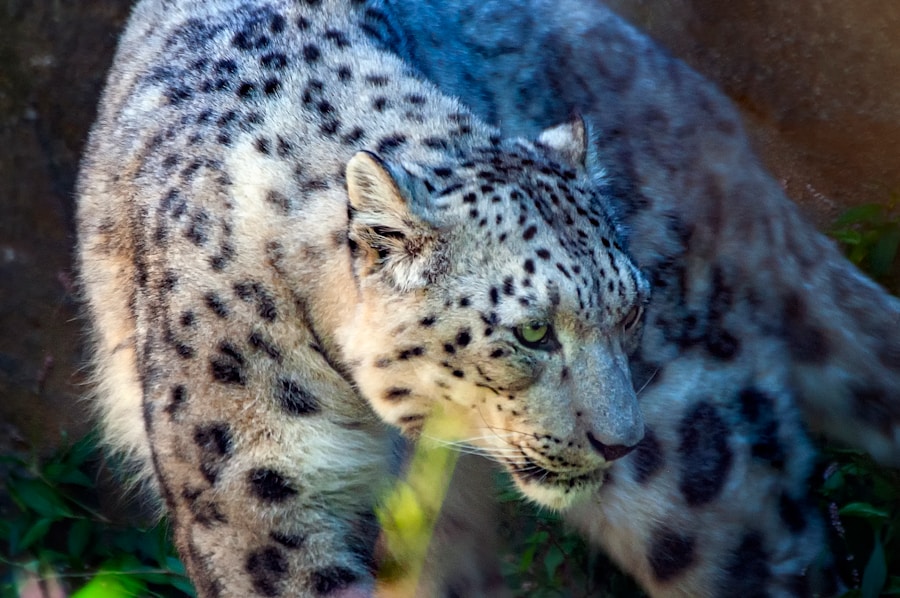
“The Snow Leopard,” published in 1978, is a profound narrative that intertwines the themes of nature, spirituality, and the quest for understanding. Written by Peter Matthiessen, this work is not merely a travelogue; it is a deep exploration of the human spirit against the backdrop of one of the most majestic and remote regions on Earth. The book chronicles Matthiessen’s journey into the heart of the Himalayas, where he seeks to observe the elusive snow leopard, a creature that symbolizes both the beauty and fragility of nature.
Through his vivid descriptions and introspective reflections, Matthiessen invites readers to contemplate their own relationship with the natural world and the mysteries that lie within it. Matthiessen’s narrative is rich with detail, capturing not only the physical landscape but also the emotional terrain he traverses. The snow leopard itself becomes a metaphor for the deeper truths that elude us, representing the intersection of the tangible and the intangible.
As Matthiessen embarks on this expedition, he grapples with questions of existence, purpose, and the interconnectedness of all living beings. The book serves as a reminder of the delicate balance between humanity and nature, urging readers to reflect on their place within this intricate web of life.
Key Takeaways
- “The Snow Leopard” is a book written by Peter Matthiessen about his journey to the Himalayas in search of the elusive snow leopard.
- Peter Matthiessen was a renowned American author, naturalist, and environmental activist, known for his deep connection to nature and spirituality.
- The Himalayas, with their breathtaking beauty and diverse wildlife, serve as the awe-inspiring backdrop for Matthiessen’s spiritual and physical journey.
- The search for the snow leopard becomes a metaphor for Matthiessen’s inner quest for self-discovery and enlightenment.
- “The Snow Leopard” has had a lasting impact on readers, inspiring them to connect with nature, embark on their own spiritual journeys, and advocate for wildlife conservation.
Peter Matthiessen: The Author
Peter Matthiessen was not only an accomplished author but also a naturalist and environmental activist whose life experiences profoundly shaped his writing. Born in 1927 in New York City, Matthiessen’s early years were marked by a love for nature and adventure. He served in the U.S. Navy during World War II and later attended Yale University, where he developed a passion for literature and writing. His diverse career included stints as a journalist, editor, and co-founder of the literary magazine “The Paris Review.” This eclectic background provided him with a unique perspective that would inform his later works. Matthiessen’s literary contributions extend beyond “The Snow Leopard.” He authored numerous novels, essays, and non-fiction works that often reflect his deep concern for environmental issues and indigenous cultures. His writing is characterized by a lyrical style that captures the essence of the natural world while delving into philosophical inquiries. In “The Snow Leopard,” Matthiessen’s voice resonates with authenticity as he shares his personal journey, revealing not only his quest for the snow leopard but also his search for meaning in a rapidly changing world. His ability to weave together narrative and reflection has left an indelible mark on American literature.
The Himalayas: The Setting of the Book
The Himalayas, often referred to as the “Roof of the World,” provide a breathtaking backdrop for Matthiessen’s journey in “The Snow Leopard.” This vast mountain range stretches across five countries—India, Nepal, Bhutan, China, and Pakistan—encompassing some of the highest peaks on Earth, including Mount Everest. The region is characterized by its dramatic landscapes, ranging from lush valleys to towering snow-capped mountains, creating an environment that is both awe-inspiring and formidable. Matthiessen’s descriptions of the Himalayas are vivid and evocative, capturing the stark beauty of its terrain.
The harsh climate and challenging conditions serve as both a physical challenge and a metaphor for the inner struggles he faces during his expedition. The isolation of the mountains allows for moments of introspection, where Matthiessen contemplates not only his quest for the snow leopard but also his own place in the universe.
The Himalayas become more than just a setting; they transform into a character in their own right, shaping the narrative and influencing Matthiessen’s spiritual journey.
The Search for the Snow Leopard
The search for the snow leopard is central to Matthiessen’s narrative, representing both a literal quest for an elusive animal and a metaphorical pursuit of deeper understanding. The snow leopard, known scientifically as Panthera uncia, is a solitary and elusive big cat that inhabits the mountainous regions of Central and South Asia. Its elusive nature makes it a symbol of mystery and beauty in the wild.
Matthiessen’s determination to observe this magnificent creature drives much of the narrative, as he embarks on treacherous treks through rugged terrain in search of signs of its presence. Throughout his journey, Matthiessen encounters various challenges that test his resolve. The harsh weather conditions, difficult terrain, and physical exhaustion serve as obstacles that mirror his internal struggles.
He reflects on the significance of patience and perseverance in both nature observation and life itself. As he traverses remote valleys and ascends steep mountain passes, he becomes acutely aware of the interconnectedness of all living beings.
The Spiritual Journey
Beyond its exploration of wildlife, “The Snow Leopard” delves deeply into themes of spirituality and self-discovery. Matthiessen’s journey is not solely about observing nature; it is also an inward exploration of his own beliefs and values. As he navigates the breathtaking landscapes of the Himalayas, he grapples with existential questions about life, death, and the nature of reality.
His encounters with Buddhist monks and local villagers provide insights into different ways of understanding existence, emphasizing concepts such as impermanence and interconnectedness. Matthiessen’s reflections often draw upon Buddhist philosophy, which resonates throughout his narrative. He contemplates the idea of mindfulness—the practice of being present in each moment—and how it can lead to a deeper appreciation for life’s fleeting beauty.
The spiritual journey becomes intertwined with his physical expedition as he learns to embrace uncertainty and find solace in nature’s rhythms. This duality enriches the narrative, allowing readers to engage with both the external landscape and Matthiessen’s internal transformation.
The Wildlife of the Himalayas
The Himalayas are home to an astonishing array of wildlife, making them one of the most biodiverse regions on Earth. In addition to the elusive snow leopard, Matthiessen encounters various species that inhabit this rugged terrain. From ibexes scaling steep cliffs to colorful pheasants flitting through alpine meadows, each animal plays a role in the intricate ecosystem that thrives in these high-altitude environments.
Matthiessen’s keen observations highlight not only their beauty but also their vulnerability in an increasingly changing world. The book serves as an important reminder of the delicate balance that exists within these ecosystems. As human activities encroach upon natural habitats, many species face threats from habitat loss and climate change.
Matthiessen’s encounters with wildlife evoke a sense of urgency regarding conservation efforts in these fragile environments. By sharing these experiences with readers, he fosters a greater appreciation for biodiversity and encourages a sense of responsibility toward protecting these remarkable creatures and their habitats.
The Impact of The Snow Leopard
“The Snow Leopard” has had a lasting impact on both literature and environmental awareness since its publication. It has been celebrated not only for its lyrical prose but also for its ability to bridge the gap between nature writing and philosophical inquiry. Matthiessen’s exploration of spirituality within the context of nature has resonated with readers seeking deeper connections to both themselves and the world around them.
The book has inspired countless individuals to embark on their own journeys into nature, fostering a sense of wonder and curiosity about the natural world. Moreover, Matthiessen’s work has contributed significantly to discussions surrounding conservation efforts in Himalayan regions. By shedding light on the challenges faced by wildlife in these areas, he has raised awareness about environmental issues that continue to persist today.
The snow leopard itself has become an emblematic figure in conservation circles, symbolizing not only the beauty of nature but also its fragility. Organizations dedicated to protecting this magnificent species have emerged in response to Matthiessen’s poignant narrative, highlighting how literature can inspire action toward preserving our planet’s biodiversity.
The Legacy of The Snow Leopard
The legacy of “The Snow Leopard” extends far beyond its pages; it continues to resonate with readers and environmentalists alike. Peter Matthiessen’s masterful storytelling invites us to reflect on our relationship with nature while encouraging us to seek deeper understanding within ourselves. His journey through the Himalayas serves as both an adventure into uncharted territories and an exploration of profound existential questions that remain relevant today.
As we navigate an increasingly complex world marked by environmental challenges, Matthiessen’s insights remind us of our interconnectedness with all living beings. “The Snow Leopard” stands as a testament to the power of literature to inspire change and foster appreciation for our planet’s wonders. Through its exploration of wildlife, spirituality, and human experience, it encourages us to embark on our own journeys—both outward into nature and inward into our hearts—seeking connection, understanding, and ultimately, harmony with the world around us.
If you enjoyed reading The Snow Leopard by Peter Matthiessen, you may also be interested in checking out this article on Hellread titled Hello World. This article explores the concept of new beginnings and the excitement of starting fresh in a world full of possibilities. It may provide a refreshing perspective on life and inspire you to embrace change and growth just like Matthiessen did during his journey in the Himalayas.
FAQs
What is “The Snow Leopard” by Peter Matthiessen about?
“The Snow Leopard” is a non-fiction book written by Peter Matthiessen. It recounts the author’s journey to the Himalayas in search of the elusive snow leopard, as well as his spiritual and personal reflections during the expedition.
When was “The Snow Leopard” published?
“The Snow Leopard” was first published in 1978.
Is “The Snow Leopard” a work of fiction or non-fiction?
“The Snow Leopard” is a work of non-fiction, specifically a travel memoir.
What is the significance of the snow leopard in the book?
The snow leopard serves as a central symbol in the book, representing the elusive and mysterious nature of the natural world, as well as the spiritual journey of the author.
Has “The Snow Leopard” received any awards or recognition?
Yes, “The Snow Leopard” won the National Book Award for Contemporary Thought in 1979.
Is “The Snow Leopard” available in multiple languages?
Yes, “The Snow Leopard” has been translated into several languages and is available for readers worldwide.




