
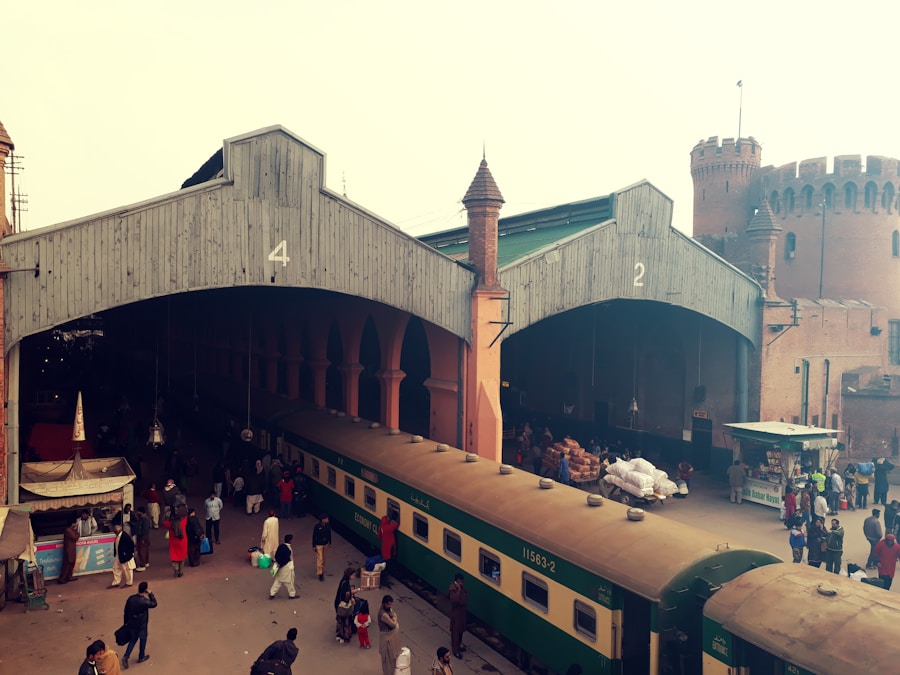
Published in 1975, “The Great Railway Bazaar” is a seminal travelogue that captures the essence of train travel across Asia. Paul Theroux, the author, embarks on an ambitious journey that spans over 40,000 miles, traversing a multitude of countries and cultures. The book is not merely a recounting of his travels; it serves as a vivid tapestry woven from the threads of his experiences, observations, and reflections.
Theroux’s narrative is rich with detail, offering readers a glimpse into the landscapes, people, and social dynamics he encounters along the way. The journey begins in London and extends through various countries, including India, Pakistan, and Japan, ultimately returning to the starting point. The allure of train travel is central to Theroux’s narrative.
Trains are not just modes of transportation; they are vessels of connection, linking disparate regions and cultures. The rhythmic clatter of wheels on tracks becomes a metaphor for the journey itself—an exploration of both the external world and the internal landscape of the traveler. As Theroux navigates through bustling cities and serene countrysides, he reflects on the nature of travel and its ability to transform one’s perspective.
The book invites readers to consider the significance of movement and the stories that unfold within the confines of a train carriage.
Key Takeaways
- The Great Railway Bazaar is a travelogue written by Paul Theroux, detailing his journey through Asia by train.
- Paul Theroux is an American travel writer known for his immersive and insightful travel narratives.
- The journey in The Great Railway Bazaar takes readers through diverse landscapes and introduces them to a wide range of people and cultures.
- The book explores the impact of modernization and globalization on the traditional ways of life in the regions visited.
- The Great Railway Bazaar is celebrated for its vivid descriptions, engaging storytelling, and thought-provoking exploration of cultural and social themes.
The Author: Paul Theroux
A Master of Blending Genres
“The Great Railway Bazaar” stands as one of his most iconic works, showcasing his ability to blend personal narrative with cultural commentary. Theroux’s background as a novelist informs his travel writing, allowing him to craft compelling narratives that resonate with readers on multiple levels.
Vivid Descriptions and Immersive Storytelling
His keen eye for detail and his ability to evoke vivid imagery make his descriptions of landscapes and people come alive. In “The Great Railway Bazaar,” he employs a conversational tone that invites readers into his world, making them feel as though they are journeying alongside him.
A Hallmark of Theroux’s Writing Style
This immersive quality is a hallmark of Theroux’s writing, drawing readers into the complexities of the places he visits and the individuals he encounters.
The Journey: Exploring Asia by Train
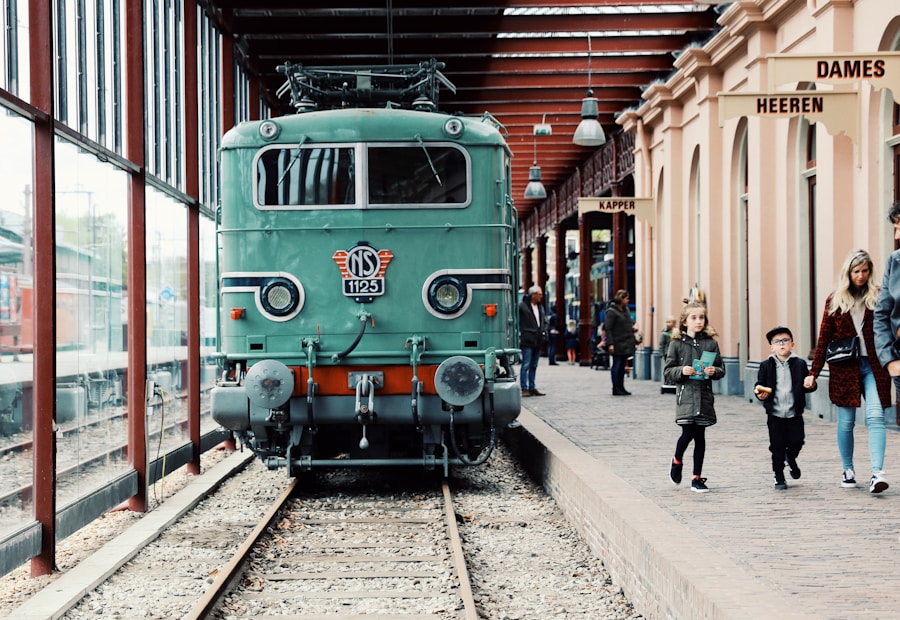
The journey depicted in “The Great Railway Bazaar” is as much about the physical act of traveling by train as it is about the exploration of diverse cultures and landscapes. Theroux’s route takes him through some of Asia’s most iconic railways, including the Trans-Siberian Railway and the Indian Railways. Each leg of the journey presents unique challenges and experiences that shape his understanding of the regions he traverses.
For instance, traveling through India offers a sensory overload—vibrant colors, cacophonous sounds, and an array of aromas that define the subcontinent. As Theroux boards various trains, he encounters a microcosm of society within each carriage. The interactions with fellow passengers provide insight into the social fabric of each country.
In India, he meets a diverse array of individuals—from wealthy businessmen to impoverished farmers—each with their own stories and perspectives. These encounters serve to humanize the vast landscapes he traverses, illustrating how interconnected lives can be despite geographical distances. The trains become conduits for these stories, allowing Theroux to weave together a narrative that is both personal and universal.
The People and Cultures Encountered
Throughout “The Great Railway Bazaar,” Theroux’s interactions with people from different cultures are central to his narrative. He captures the essence of each region not only through its landscapes but also through its inhabitants.
This juxtaposition highlights the complexity of human experience—how kindness can exist alongside conflict. In Japan, Theroux’s observations take on a different tone as he navigates a society marked by both tradition and modernity. He reflects on the meticulousness of Japanese culture, from the punctuality of trains to the precision in cuisine.
These cultural nuances are not merely background details; they shape Theroux’s understanding of identity and belonging in each place he visits. His encounters with locals often lead to deeper reflections on cultural differences and similarities, prompting readers to consider their own perceptions of foreign lands.
The Impact of The Great Railway Bazaar
“The Great Railway Bazaar” has had a lasting impact on both travel literature and popular perceptions of train travel. It has inspired countless travelers to embark on their own journeys by rail, highlighting the unique experiences that can only be found on trains. Theroux’s vivid storytelling encourages readers to embrace the unpredictability of travel and to seek out authentic encounters with people from different backgrounds.
Moreover, the book has contributed to a broader understanding of Asia during a time when Western perceptions were often shaped by stereotypes or limited narratives. By presenting a nuanced portrayal of various cultures, Theroux challenges readers to reconsider their assumptions about these regions. His work has paved the way for future travel writers to adopt a more introspective approach, emphasizing personal growth alongside cultural exploration.
Literary Style and Themes
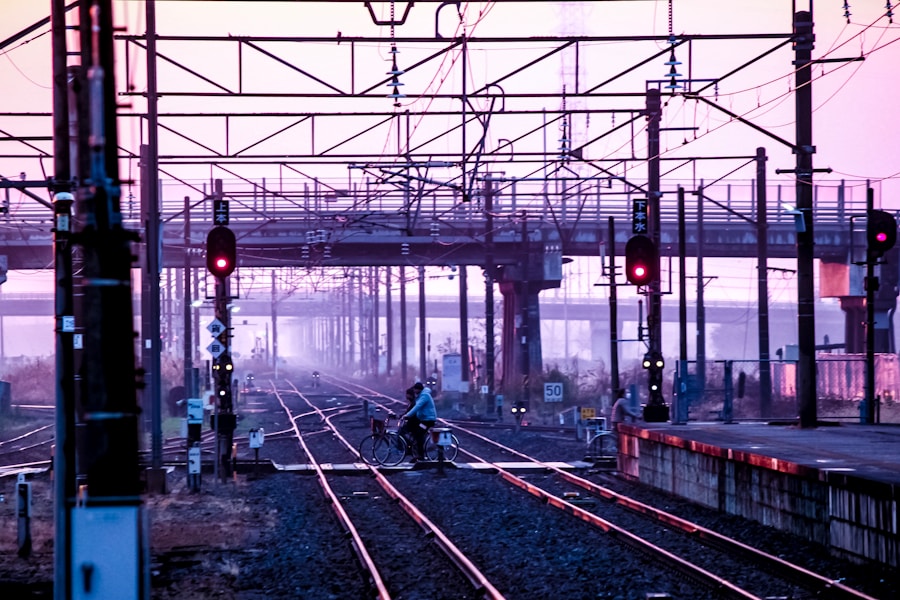
The Intimacy of Travel
He employs a first-person narrative that allows readers to experience his thoughts and emotions as he navigates through unfamiliar territories. This intimate perspective creates a sense of immediacy, drawing readers into his world as he grapples with both external challenges and internal reflections.
Human Connections on the Move
Themes of isolation and connection permeate the narrative. While traveling alone on trains often evokes feelings of solitude, it also fosters connections with fellow travelers and locals alike. Theroux explores how these fleeting interactions can leave lasting impressions, shaping one’s understanding of humanity.
Cultural Reflections
Additionally, themes of cultural contrast are prevalent throughout the book; Theroux juxtaposes different societies’ values, traditions, and ways of life against one another, prompting readers to reflect on their own cultural biases.
Criticisms and Controversies
Despite its acclaim, “The Great Railway Bazaar” has not been without its criticisms. Some reviewers have pointed out that Theroux’s perspective can occasionally veer into cynicism or elitism, particularly in his portrayals of certain cultures or individuals. Critics argue that his observations may sometimes lack empathy or nuance, reducing complex societies to simplistic stereotypes.
This has led to discussions about the responsibilities of travel writers in representing cultures authentically. Additionally, some have questioned Theroux’s authenticity as a traveler. His privileged background and Western perspective may color his interpretations of the places he visits.
Such critiques raise important questions about representation in travel literature—who gets to tell these stories and how do their backgrounds influence their narratives?
The Legacy of The Great Railway Bazaar
“The Great Railway Bazaar” remains a cornerstone in travel literature, influencing generations of writers and travelers alike. Its impact extends beyond its immediate popularity; it has shaped how subsequent authors approach travel writing by emphasizing personal experience alongside cultural exploration. The book has inspired adaptations in various forms, including documentaries and articles that seek to capture the spirit of train travel.
Theroux’s work continues to resonate with readers who seek adventure and connection through travel. It serves as a reminder that journeys are not solely about reaching destinations but about engaging with the world in meaningful ways. As train travel experiences a resurgence in popularity due to its environmental benefits and unique charm, “The Great Railway Bazaar” stands as a testament to the enduring allure of exploring new horizons by rail—a legacy that will likely inspire future generations to embark on their own journeys across continents and cultures.
If you enjoyed reading The Great Railway Bazaar by Paul Theroux, you may also be interested in checking out this article on Hellread titled


