

The Non-Aligned Movement (NAM) emerged in the mid-20th century as a response to the geopolitical tensions of the Cold War. Its origins can be traced back to the post-World War II era, a time when many newly independent nations sought to assert their sovereignty and avoid being drawn into the ideological conflict between the United States and the Soviet Union. The movement was formally established during the first conference of non-aligned countries held in Belgrade, Yugoslavia, in 1961, which was attended by leaders from 25 nations.
This gathering marked a significant moment in international relations, as it provided a platform for countries that did not wish to align themselves with either of the two superpowers. The founders of the Non-Aligned Movement, including prominent figures such as Josip Broz Tito of Yugoslavia, Jawaharlal Nehru of India, and Gamal Abdel Nasser of Egypt, shared a vision of a world where nations could pursue their own paths without external interference. They recognized that many countries in Africa, Asia, and Latin America were grappling with the legacies of colonialism and imperialism, and they sought to create a collective voice for these nations on the global stage.
The movement was not merely about neutrality; it was about affirming the right of nations to choose their own destinies and to promote peace, cooperation, and development.
Key Takeaways
- The Non-Aligned Movement (NAM) was founded in 1961 by countries that did not want to align with either the United States or the Soviet Union during the Cold War.
- NAM operates on the principles of mutual respect, sovereignty, and non-interference in the internal affairs of other countries.
- NAM has played a significant role in advocating for the rights of developing countries and promoting global peace and security.
- Critics argue that NAM has become less relevant in today’s multipolar world and has struggled to address modern global challenges.
- NAM has taken positions on key international issues such as nuclear disarmament, climate change, and economic development, advocating for the interests of developing countries.
The Formation and Structure of the Non-Aligned Movement
Expansion and Growth
By the 1970s, the Non-Aligned Movement had grown to include over 100 member states, representing a significant portion of the world’s population and landmass.
Structure and Functioning
Structurally, the Non-Aligned Movement operates through a series of summits and ministerial meetings where member states convene to discuss pressing global issues. The movement does not have a permanent secretariat or headquarters; instead, it relies on a rotating presidency held by member states.
International Engagement and Advocacy
This decentralized structure allows for flexibility and adaptability in addressing the diverse needs and concerns of its members. The Non-Aligned Movement also engages with other international organizations, such as the United Nations, to amplify its voice on global issues and advocate for the interests of developing countries.
The Political Ideology of the Non-Aligned Movement
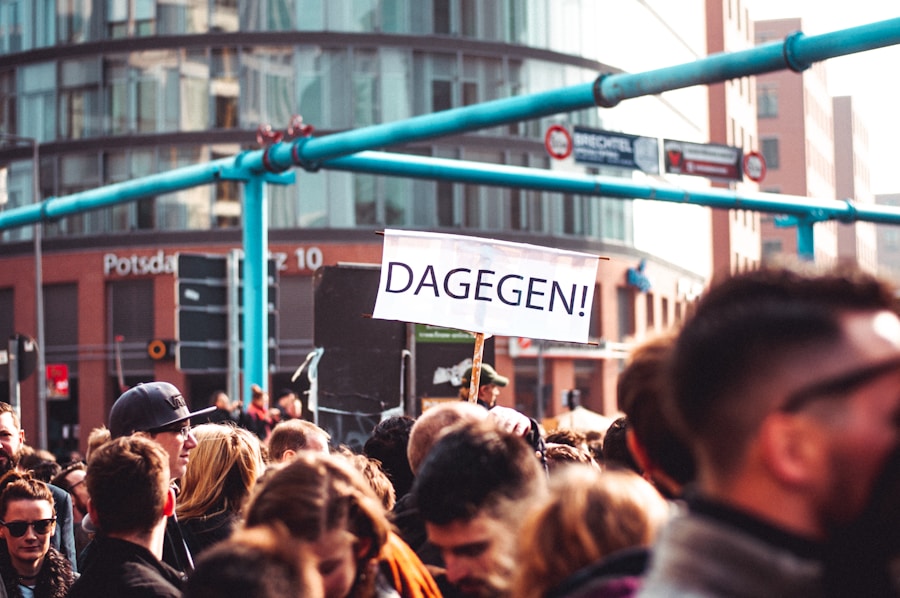
At its core, the political ideology of the Non-Aligned Movement is rooted in principles of independence, self-determination, and mutual respect among nations. The movement advocates for a multipolar world order where power is not concentrated in the hands of a few dominant states but is distributed more equitably among all nations. This ideology reflects a deep-seated belief that every country has the right to chart its own course without external coercion or influence.
The NAM’s political philosophy also emphasizes social justice and economic development. Many member states are developing countries that face significant challenges related to poverty, inequality, and underdevelopment. As such, the movement seeks to promote policies that foster sustainable development, equitable trade relations, and technological cooperation among its members.
This focus on development is not merely an economic imperative; it is also seen as a moral obligation to rectify historical injustices stemming from colonialism and exploitation.
The Role of the Non-Aligned Movement in Global Politics
The Non-Aligned Movement has played a significant role in shaping global politics since its inception. By providing a platform for dialogue among developing nations, NAM has facilitated cooperation on various issues ranging from disarmament to climate change. The movement has been instrumental in advocating for the rights of developing countries within international forums, ensuring that their voices are heard in discussions dominated by more powerful states.
One notable example of NAM’s influence is its stance on nuclear disarmament. The movement has consistently called for a world free of nuclear weapons and has advocated for disarmament negotiations that include all states, regardless of their nuclear status. This position reflects NAM’s commitment to global peace and security while addressing the disproportionate impact that nuclear weapons have on developing nations.
Additionally, NAM has been active in promoting South-South cooperation, encouraging member states to collaborate on economic and social initiatives that enhance their collective bargaining power in international negotiations.
Challenges and Criticisms of the Non-Aligned Movement
Despite its noble ideals and significant achievements, the Non-Aligned Movement has faced numerous challenges and criticisms over the years. One major challenge is maintaining unity among its diverse membership. With over 120 member states representing various political systems, economic conditions, and cultural backgrounds, achieving consensus on key issues can be difficult.
Disparities in national interests often lead to disagreements that can undermine the effectiveness of the movement. Critics have also pointed out that NAM’s relevance has diminished in recent years due to changing global dynamics. The rise of new powers such as China and India has shifted the geopolitical landscape, leading some to question whether NAM can still effectively represent the interests of developing countries in an increasingly multipolar world.
Furthermore, some argue that NAM has struggled to address pressing contemporary issues such as terrorism, climate change, and human rights violations adequately. These criticisms highlight the need for the movement to adapt and evolve in response to new challenges while remaining true to its founding principles.
The Non-Aligned Movement’s Position on Key International Issues

The Non-Aligned Movement has consistently taken positions on various key international issues that reflect its commitment to peace, justice, and development. One prominent area of focus has been decolonization. NAM has historically supported liberation movements in colonized territories and advocated for self-determination for all peoples.
This commitment is rooted in the experiences of many member states that emerged from colonial rule and sought to assert their independence on the global stage. Another critical issue for NAM is economic inequality and development. The movement has called for reforms in international financial institutions such as the International Monetary Fund (IMF) and World Bank to ensure that they better serve the interests of developing countries.
NAM advocates for fair trade practices that do not exploit poorer nations while promoting sustainable development initiatives that address poverty and environmental degradation. By positioning itself as a champion for economic justice, NAM seeks to create a more equitable global economic system that benefits all nations.
The Non-Aligned Movement’s Influence on Developing Countries
The Non-Aligned Movement has had a profound influence on developing countries by providing them with a collective platform to voice their concerns and aspirations. Through NAM, these nations have been able to engage in dialogue with one another and collaborate on various initiatives aimed at addressing common challenges. This solidarity has fostered a sense of empowerment among member states, enabling them to advocate more effectively for their interests in international forums.
Moreover, NAM has facilitated South-South cooperation by encouraging member states to share resources, knowledge, and expertise. Initiatives such as technology transfer agreements and joint ventures have emerged from this collaboration, allowing developing countries to leverage their strengths collectively. For instance, during times of crisis such as natural disasters or health emergencies like the COVID-19 pandemic, NAM members have often rallied together to provide support and assistance to one another.
This spirit of cooperation underscores NAM’s role as a vital network for fostering resilience among developing nations.
The Future of the Non-Aligned Movement
As we look toward the future, the Non-Aligned Movement faces both opportunities and challenges that will shape its trajectory in global politics.
By forging partnerships with countries outside its traditional membership base, NAM can enhance its relevance in an increasingly interconnected world where new alliances are forming.
Additionally, addressing contemporary global issues such as climate change will be crucial for NAM’s future relevance. As developing countries are disproportionately affected by environmental degradation and climate-related disasters, NAM can play a pivotal role in advocating for sustainable development practices that prioritize ecological preservation while promoting economic growth. By positioning itself at the forefront of climate diplomacy, NAM can reaffirm its commitment to social justice while addressing one of the most pressing challenges facing humanity today.
In conclusion, while the Non-Aligned Movement has faced criticism regarding its effectiveness and relevance in modern geopolitics, it remains an essential platform for promoting cooperation among developing nations. Its foundational principles continue to resonate with many countries seeking autonomy in an increasingly complex world order. As global dynamics evolve, so too must NAM adapt its strategies to ensure it remains a vital force for peace, development, and justice on the international stage.


