

The concept of a “Post-American World” has emerged as a significant theme in contemporary international relations, particularly in the wake of the 21st century’s geopolitical shifts. This term encapsulates the idea that the United States, once the unchallenged global hegemon, is witnessing a gradual decline in its relative power and influence. The rise of other nations, particularly in Asia and Africa, is reshaping the global landscape, leading to a multipolar world where power is distributed among various actors rather than concentrated in a single superpower.
This transformation is not merely a reaction to American policies but is also driven by the internal dynamics of emerging economies and their aspirations for greater roles on the world stage. The implications of this shift are profound, affecting everything from international trade to security alliances. As countries like China and India assert themselves economically and politically, the traditional frameworks that have governed international relations since World War II are being challenged.
The Post-American World is characterized by a complex interplay of cooperation and competition among nations, where the United States must navigate a landscape that is increasingly crowded with influential players. Understanding this new order requires a nuanced analysis of the factors contributing to this shift and the potential consequences for global governance.
Key Takeaways
- The Post-American World signifies a shift in global power dynamics away from American dominance.
- Fareed Zakaria’s analysis highlights the rise of non-Western powers and the need for a new approach to foreign policy.
- The rise of non-Western powers, such as China and India, has significant implications for American foreign policy and global relations.
- Technology and globalization play a crucial role in shaping the new global order and require a reevaluation of traditional diplomatic strategies.
- Diplomacy and multilateralism are essential in navigating the challenges and opportunities presented in the Post-American World.
Fareed Zakaria’s Analysis of the Global Shift in Power
Fareed Zakaria, a prominent political commentator and author, has been instrumental in articulating the dynamics of the Post-American World. In his influential book, “The Post-American World,” Zakaria argues that the rise of non-Western powers is not merely a challenge to American dominance but represents a broader trend towards globalization and the diffusion of power. He posits that this shift is characterized by the emergence of countries that are not only economically robust but also culturally influential, thereby reshaping global norms and values.
Zakaria emphasizes that this transition is not a zero-sum game; rather, it presents opportunities for collaboration and innovation. He highlights how countries like China and India are not just rising in economic terms but are also developing their own models of governance and social organization. This diversification of power dynamics means that the United States must adapt its strategies to engage with a more complex international environment.
Zakaria’s analysis underscores the importance of understanding these emerging powers not as adversaries but as partners in addressing global challenges such as climate change, terrorism, and economic inequality.
The Rise of Non-Western Powers

The rise of non-Western powers is perhaps one of the most significant developments in contemporary geopolitics. Countries such as China, India, Brazil, and several nations in Africa are increasingly asserting their influence on the global stage. China’s rapid economic growth has positioned it as a formidable competitor to the United States, with its Belt and Road Initiative exemplifying its ambition to expand its economic reach and political influence across Asia, Europe, and Africa.
This initiative not only enhances China’s trade networks but also allows it to establish strategic partnerships that challenge Western dominance. India, with its burgeoning population and economy, is also playing a crucial role in this new world order. The country’s democratic framework and youthful demographic provide it with unique advantages as it seeks to enhance its global standing.
India’s participation in multilateral organizations such as BRICS (Brazil, Russia, India, China, South Africa) reflects its commitment to fostering cooperation among emerging economies. Additionally, African nations are increasingly asserting their agency in international affairs, driven by economic growth and a desire for greater representation in global governance structures. This collective rise of non-Western powers signifies a shift towards a more inclusive international system where diverse voices contribute to shaping global policies.
Implications for American Foreign Policy
The implications of this shifting power dynamic for American foreign policy are profound and multifaceted. As non-Western powers gain prominence, the United States must reassess its traditional approaches to diplomacy and international engagement. The unilateralism that characterized much of American foreign policy in the early 21st century may no longer be viable in a world where multiple actors wield significant influence.
Instead, there is a growing recognition that multilateralism and coalition-building will be essential for addressing global challenges effectively. Moreover, American policymakers must grapple with the reality that their decisions are now made in a more competitive environment. The U.S.
can no longer assume that its interests will automatically prevail; instead, it must engage in strategic partnerships that recognize the aspirations of other nations. This may involve recalibrating alliances and fostering relationships based on mutual respect rather than dominance. For instance, the U.S.
has begun to strengthen ties with India as a counterbalance to China’s influence in Asia, recognizing India’s potential as a key partner in promoting stability and security in the region.
The Role of Technology and Globalization
Technology and globalization are pivotal forces driving the changes associated with the Post-American World. The rapid advancement of technology has not only transformed economies but has also altered how nations interact with one another. The digital revolution has enabled emerging powers to leapfrog traditional development pathways, allowing them to innovate and compete on a global scale.
For instance, countries like India have become leaders in information technology and software development, showcasing their ability to harness technology for economic growth. Globalization has further accelerated this trend by facilitating the flow of goods, services, and ideas across borders. As supply chains become increasingly interconnected, nations are finding themselves more reliant on one another for economic stability.
The COVID-19 pandemic highlighted these complexities, as countries grappled with supply chain disruptions while also seeking to assert their sovereignty over critical resources such as vaccines. In this context, technology serves as both a tool for empowerment and a source of contention as nations navigate their interests in an interconnected world.
The Importance of Diplomacy and Multilateralism
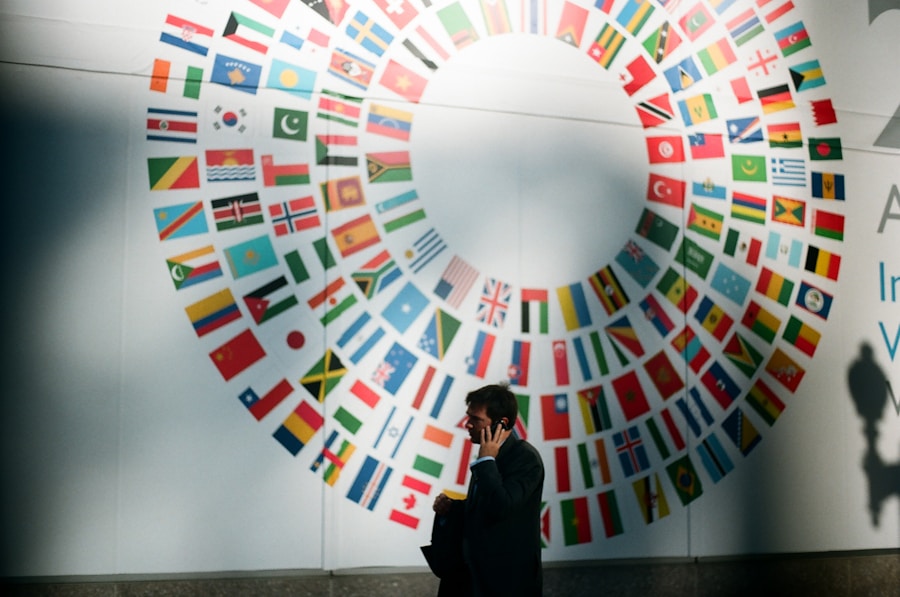
In navigating the complexities of the Post-American World, diplomacy and multilateralism emerge as essential tools for fostering cooperation among nations. As power becomes more diffuse, traditional diplomatic approaches may need to evolve to accommodate diverse perspectives and interests. Engaging in dialogue with emerging powers requires an understanding of their historical contexts, cultural values, and aspirations for global leadership.
Multilateral institutions such as the United Nations, World Trade Organization, and regional organizations play a crucial role in facilitating dialogue and cooperation among nations. These platforms provide opportunities for countries to address shared challenges collectively while promoting norms that reflect a broader range of interests. For example, climate change negotiations have underscored the necessity for multilateral cooperation as countries grapple with environmental issues that transcend national borders.
The Paris Agreement exemplifies how nations can come together to set common goals while respecting their individual circumstances.
Challenges and Opportunities in the Post-American World
While the Post-American World presents numerous opportunities for collaboration and innovation, it also poses significant challenges that require careful navigation. One major challenge is the potential for increased geopolitical tensions as rising powers assert their interests more aggressively. The South China Sea disputes illustrate how territorial claims can lead to confrontations between established powers like the United States and emerging ones like China.
Such tensions necessitate diplomatic efforts to prevent conflicts from escalating into military confrontations. Additionally, economic competition can lead to protectionist tendencies as nations prioritize their interests over global cooperation. The rise of populism in various countries has fueled skepticism towards globalization, prompting some leaders to adopt isolationist policies that undermine international collaboration.
However, these challenges also present opportunities for creative diplomacy and innovative solutions that can address shared concerns while fostering mutual respect among nations.
Navigating the New Global Order
As we move further into the 21st century, navigating the complexities of the Post-American World will require adaptability and foresight from policymakers around the globe. The emergence of non-Western powers signifies a transformative moment in international relations where collaboration will be essential for addressing pressing global issues. By embracing diplomacy and multilateralism while recognizing the diverse aspirations of emerging nations, the United States can play a constructive role in shaping a more inclusive global order.
In this evolving landscape, technology will continue to be both an enabler and a disruptor, influencing how nations interact with one another. As countries grapple with challenges ranging from climate change to economic inequality, fostering dialogue and cooperation will be paramount in building a sustainable future for all. Ultimately, understanding the dynamics of this new world order will be crucial for ensuring stability and prosperity in an increasingly interconnected global community.


