

In the realm of contemporary nutrition discourse, Michael Pollan’s “In Defense of Food” stands as a pivotal work that challenges the prevailing paradigms surrounding diet and health. Pollan’s central thesis is deceptively simple yet profoundly impactful: “Eat food, not much, mostly plants.” This mantra encapsulates a philosophy that advocates for a return to whole, unprocessed foods while critiquing the reductionist approach that has dominated nutritional science for decades. Pollan’s exploration is not merely an indictment of modern dietary practices; it is a clarion call to reconnect with the fundamental essence of food and its role in our lives.
Pollan’s narrative is woven with personal anecdotes, cultural observations, and scientific insights, making it accessible to a broad audience. He delves into the complexities of food choices in a world inundated with processed options and nutritional claims. By examining the historical context of our eating habits and the evolution of food production, Pollan invites readers to reconsider their relationship with food.
The book serves as both a guide and a manifesto, urging individuals to reclaim their dietary autonomy and embrace a more holistic approach to nourishment.
Key Takeaways
- “In Defense of Food” explores the impact of the Western diet on health and the rise of nutritionism.
- The Western diet, high in processed foods and low in nutrients, has been linked to various health issues such as obesity and chronic diseases.
- Nutritionism, the reduction of food to its nutrient components, has led to a focus on individual nutrients rather than whole foods.
- Eating real, whole foods is important for overall health and well-being, as they provide essential nutrients and are less processed.
- Embracing food culture and tradition, as well as considering the environmental and social implications of food choices, can lead to a more wholesome approach to food.
The Western Diet and its Impact on Health
The Western diet, characterized by high consumption of processed foods, sugars, and unhealthy fats, has been linked to a myriad of health issues. This dietary pattern is not merely a matter of personal choice; it reflects broader societal trends that prioritize convenience over nutrition. The prevalence of fast food, sugary beverages, and pre-packaged meals has contributed to alarming rates of obesity, diabetes, heart disease, and other chronic conditions.
Pollan emphasizes that these health crises are not isolated phenomena but rather symptoms of a systemic problem rooted in how we produce and consume food. Research has shown that the Western diet is associated with inflammation, insulin resistance, and dysbiosis in the gut microbiome, all of which can lead to serious health complications. For instance, a study published in the journal “Circulation” found that individuals adhering to a diet high in processed foods had a significantly increased risk of cardiovascular disease.
Furthermore, the World Health Organization has classified processed meats as carcinogenic, underscoring the urgent need for dietary reevaluation. Pollan’s critique of the Western diet serves as a wake-up call, urging individuals to recognize the profound impact their food choices have on their health and well-being.
The Rise of Nutritionism

Nutritionism, a term coined by Pollan himself, refers to the reductionist view of food that focuses on individual nutrients rather than whole foods. This perspective has gained traction over the past few decades, leading to an obsession with macronutrients, vitamins, and minerals at the expense of understanding food in its entirety. The rise of nutritionism has been fueled by an explosion of dietary guidelines, health claims, and marketing strategies that often mislead consumers into believing that they can achieve optimal health through supplements or fortified foods.
Pollan argues that this fixation on nutrients has led to a disconnection from the cultural and social aspects of eating. Instead of enjoying meals as communal experiences or sources of pleasure, many individuals have become preoccupied with counting calories or tracking macronutrient ratios. This shift has not only diminished the joy of eating but has also contributed to an unhealthy relationship with food.
For example, the popularity of low-fat diets in the 1980s and 1990s led to an increase in sugar-laden products marketed as “healthy,” ultimately resulting in unintended consequences for public health.
The Importance of Eating Real Food
At the heart of Pollan’s philosophy is the concept of “real food,” which he defines as whole, minimally processed items that are recognizable as food. This includes fruits, vegetables, whole grains, nuts, seeds, and animal products that have not been stripped of their natural nutrients or altered through industrial processes. Pollan advocates for a diet rich in these foods as a means to combat the negative effects of nutritionism and the Western diet.
Eating real food not only nourishes the body but also fosters a deeper connection to our culinary heritage and local ecosystems. For instance, seasonal eating encourages individuals to consume produce at its peak freshness while supporting local farmers and reducing carbon footprints associated with transportation. Pollan highlights that when we prioritize real food over processed alternatives, we are more likely to consume a diverse array of nutrients that promote overall health.
Moreover, embracing real food can lead to improved mental well-being; studies have shown that diets rich in whole foods are associated with lower rates of depression and anxiety.
The Role of Food Culture and Tradition
Food is inherently tied to culture and tradition, serving as a medium through which communities express their identities and values. Pollan emphasizes that understanding the cultural significance of food can enhance our appreciation for what we eat and how we prepare it. Traditional diets often reflect centuries of knowledge about local ingredients and cooking methods that have been passed down through generations.
These practices not only promote health but also foster community bonds and social cohesion. For example, Mediterranean cuisine is celebrated for its emphasis on fresh vegetables, healthy fats like olive oil, and moderate consumption of fish and poultry. This dietary pattern is not merely about nutrition; it embodies a lifestyle that values communal meals and leisurely dining experiences.
In contrast, the fast-paced nature of modern life often leads to the erosion of these traditions, resulting in meals consumed in isolation or on-the-go. Pollan argues that by reclaiming our culinary heritage and embracing traditional cooking methods, we can cultivate a more meaningful relationship with food that transcends mere sustenance.
The Environmental and Social Implications of Food Choices
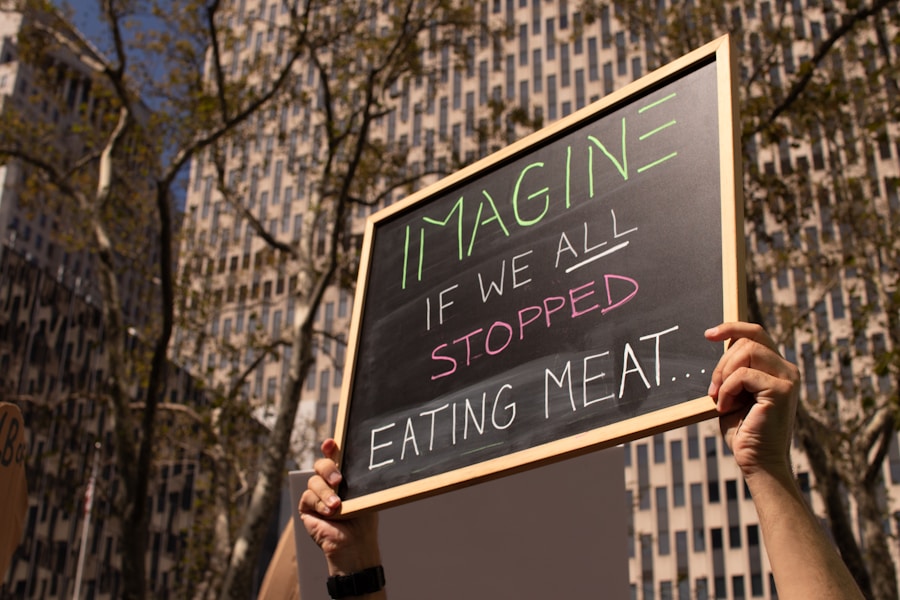
The Environmental Impact of Industrial Agriculture
Industrial agriculture practices are a significant contributor to climate change through greenhouse gas emissions, deforestation, and soil degradation. Michael Pollan emphasizes the importance of sustainable practices that promote biodiversity and ecological balance.
The Social Justice of Food Access
Our food choices are closely tied to social justice issues such as access to healthy foods and fair labor practices. Many communities lack access to fresh produce due to food deserts, areas where grocery stores are scarce or non-existent.
Towards a More Sustainable Food System
By making conscious decisions about what we eat, we can contribute to a more just and sustainable food system that benefits both people and the planet. Pollan advocates for policies that promote equitable access to nutritious foods while supporting small-scale farmers who prioritize sustainable practices.
Practical Tips for Eating Well
Transitioning to a healthier way of eating may seem daunting, but Pollan offers practical tips that can help individuals navigate this journey with ease. One fundamental principle is to prioritize cooking at home whenever possible. Preparing meals from scratch allows individuals to control ingredients while fostering creativity in the kitchen.
Simple recipes using whole foods can be both nutritious and delicious without requiring extensive culinary skills. Another key strategy is to shop the perimeter of grocery stores where fresh produce, meats, and dairy products are typically located. This approach encourages consumers to fill their carts with real foods while minimizing processed items found in the center aisles.
Engaging in community-supported agriculture (CSA) programs or farmers’ markets can also provide access to fresh produce while fostering connections with local growers.
Embracing a More Wholesome Approach to Food
In “In Defense of Food,” Michael Pollan challenges readers to rethink their relationship with food by advocating for a return to real eating practices rooted in culture and sustainability. By understanding the implications of our dietary choices on health, environment, and society, we can cultivate a more mindful approach to nourishment. Embracing whole foods not only enhances personal well-being but also contributes to a more equitable and sustainable food system.
As individuals navigate an increasingly complex food landscape filled with conflicting messages about nutrition, Pollan’s insights serve as a guiding light toward healthier choices grounded in tradition and authenticity. By prioritizing real food over processed alternatives and engaging with our culinary heritage, we can reclaim our power as consumers while fostering a deeper connection to the world around us. Ultimately, embracing this wholesome approach to food can lead to transformative changes in both individual health and collective well-being.
If you enjoyed reading “In Defense of Food” by Michael Pollan, you may also be interested in checking out this article on Hellread titled Hello World. This article delves into the importance of connecting with nature and the impact it can have on our overall well-being, which aligns with Pollan’s message of the benefits of consuming whole, unprocessed foods. It offers a fresh perspective on the relationship between humans and the environment, making it a thought-provoking read for those interested in sustainable living and holistic health.
FAQs
What is “In Defense of Food” by Michael Pollan about?
“In Defense of Food” is a book by Michael Pollan that explores the relationship between humans and food, and offers guidance on how to make healthier food choices.
What are some key points discussed in “In Defense of Food”?
Some key points discussed in “In Defense of Food” include the detrimental effects of processed foods, the importance of eating whole foods, and the idea of “nutritionism” and how it has influenced our understanding of food.
What is the main message of “In Defense of Food”?
The main message of “In Defense of Food” is to encourage readers to focus on eating real, whole foods and to avoid processed and highly refined foods in order to improve their health and well-being.
Who is the target audience for “In Defense of Food”?
The target audience for “In Defense of Food” includes anyone interested in improving their diet and overall health, as well as those who are curious about the impact of food on the human body and the environment.
What are some practical tips provided in “In Defense of Food”?
Some practical tips provided in “In Defense of Food” include focusing on eating whole, unprocessed foods, cooking meals at home, and being mindful of where food comes from and how it is produced.




