
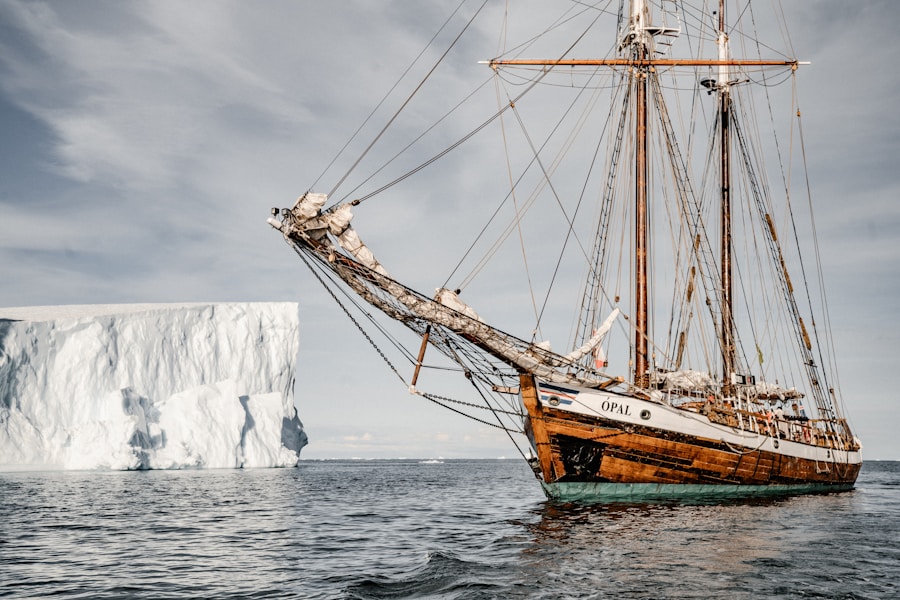
In the annals of exploration, few tales resonate as profoundly as that of Ernest Shackleton and his ill-fated expedition to Antarctica aboard the ship Endurance. Setting sail in 1914, Shackleton’s mission was ambitious: to cross the Antarctic continent from sea to sea via the South Pole. However, the journey quickly transformed into a harrowing saga of survival when the Endurance became trapped in dense pack ice in the Weddell Sea.
The ship, aptly named for its connotation of perseverance, was ultimately crushed by the relentless pressure of the ice, leaving Shackleton and his crew stranded in one of the most inhospitable environments on Earth. The initial stages of the expedition were filled with hope and excitement. Shackleton had meticulously planned every detail, assembling a crew of 27 men who were eager to embark on this historic journey.
However, as the ship became ensnared in the ice, the crew faced an unexpected reality. The dream of traversing the Antarctic was replaced by a fight for survival against the elements. The story of Endurance is not merely one of physical endurance but also a testament to human spirit and resilience in the face of overwhelming odds.
Shackleton’s leadership would soon be put to the ultimate test as he navigated the challenges that lay ahead.
Key Takeaways
- Shackleton’s voyage on the Endurance is an incredible story of survival and determination in the face of extreme adversity.
- Surviving the Antarctic required immense courage, resourcefulness, and teamwork from Shackleton and his crew.
- Leadership and teamwork were crucial in overcoming the challenges of the Antarctic, and Shackleton’s leadership style was instrumental in keeping the crew together.
- The harsh realities of survival in the Antarctic included extreme cold, hunger, and isolation, which tested the crew’s resilience and determination.
- Shackleton’s legacy is one of resilience and determination, and his expedition continues to inspire people to overcome challenges with innovation and adaptability.
The Perilous Journey: Surviving the Antarctic
As the days turned into weeks and then months, the crew of the Endurance found themselves in a dire situation. The ice that had trapped them began to shift and crack, creating a precarious environment where survival was uncertain. With dwindling supplies and no clear path to safety, Shackleton made the difficult decision to abandon ship.
The crew set up camp on the floating ice, where they faced extreme cold, hunger, and isolation. The Antarctic landscape was both breathtaking and brutal, with temperatures plummeting and fierce winds howling across the ice. The men adapted to their new reality with remarkable resourcefulness.
They constructed makeshift shelters from salvaged materials and relied on their skills to hunt seals and penguins for sustenance. Each day was a battle against the elements, as they contended with frostbite, snow blindness, and the psychological toll of their isolation. Shackleton’s ability to maintain morale among his crew became crucial during this period.
He organized daily routines, encouraged camaraderie, and instilled a sense of purpose that helped them endure the harsh conditions. The perilous journey transformed into a test of not only physical endurance but also mental fortitude.
Leadership and Teamwork in the Face of Adversity
Shackleton’s leadership style was characterized by empathy and decisiveness, qualities that proved invaluable during their ordeal. He understood that maintaining a cohesive team was essential for survival. Shackleton fostered an environment where every crew member felt valued and included in decision-making processes.
This approach not only bolstered morale but also encouraged collaboration among men from diverse backgrounds and skill sets. The crew’s ability to work together became a lifeline as they faced challenges that seemed insurmountable. One notable example of teamwork occurred when Shackleton decided to embark on a treacherous journey across the ice to seek help.
He selected a small group of men to accompany him, demonstrating trust in their abilities while also recognizing the importance of shared responsibility. This decision highlighted Shackleton’s understanding that effective leadership is not about dictating orders but rather about empowering others to contribute to a common goal. The bonds forged during this harrowing experience would last a lifetime, illustrating how adversity can unite individuals in pursuit of survival.
The Harsh Realities of Survival in the Antarctic
Survival in Antarctica is fraught with challenges that extend beyond mere physical endurance. The extreme cold can sap energy and lead to life-threatening conditions such as hypothermia and frostbite. The psychological strain of isolation can weigh heavily on even the most resilient individuals.
For Shackleton and his crew, these harsh realities were compounded by their limited resources and the constant threat posed by shifting ice floes. Each day brought new dangers, from crevasses that could swallow a man whole to unpredictable weather patterns that could turn a calm day into a blizzard within moments. Food scarcity was another critical issue that loomed over their existence on the ice.
As supplies dwindled, rationing became essential. Shackleton implemented strict measures to ensure that every ounce of food was accounted for, while also encouraging hunting expeditions to supplement their diet. The crew learned to rely on their instincts and skills, transforming from explorers into survivalists.
They adapted their diets to include whatever they could catch or scavenge, showcasing their ingenuity in an environment where traditional means of sustenance were rendered ineffective.
Resilience and Determination: Shackleton’s Legacy
Shackleton’s legacy is one of resilience and determination in the face of seemingly insurmountable odds. His unwavering commitment to his crew’s safety became a defining characteristic of his leadership style. Even when hope seemed lost, Shackleton refused to abandon his men.
After months adrift on the ice, he made the audacious decision to take a small lifeboat across treacherous seas to reach South Georgia Island—a journey fraught with peril but necessary for rescue. The successful rescue of all 28 crew members stands as a testament to Shackleton’s indomitable spirit and strategic thinking. His ability to inspire loyalty and courage among his men ensured that they remained united throughout their ordeal.
Shackleton’s story transcends mere survival; it embodies the essence of human resilience and the power of hope in dire circumstances. His legacy continues to inspire leaders across various fields, reminding us that true leadership is defined not by authority but by compassion and commitment to those we serve.
The Role of Innovation and Adaptability in Survival
Innovation played a crucial role in Shackleton’s expedition as he and his crew faced unprecedented challenges in an unforgiving environment. The ability to adapt quickly became essential for survival as they encountered obstacles that required creative solutions. For instance, when traditional hunting methods proved insufficient, they devised new techniques for capturing seals and penguins using improvised tools fashioned from available materials.
Moreover, Shackleton’s decision-making process exemplified adaptability in action. Faced with shifting ice conditions and dwindling supplies, he constantly reassessed their situation and adjusted plans accordingly. This flexibility allowed him to pivot from one strategy to another without losing sight of their ultimate goal: survival and rescue.
The crew’s willingness to embrace change and think outside the box was instrumental in overcoming challenges that would have otherwise spelled disaster.
Lessons Learned from Shackleton’s Expedition
Shackleton’s expedition offers invaluable lessons that extend beyond survival in extreme conditions; they resonate with anyone facing adversity in life or work. One key takeaway is the importance of leadership grounded in empathy and collaboration. Shackleton’s ability to connect with his crew on a personal level fostered trust and loyalty, which proved essential during their darkest moments.
This lesson underscores that effective leadership is not solely about making decisions but also about understanding and supporting those you lead. Another significant lesson is the power of resilience in overcoming obstacles. Shackleton’s unwavering determination to protect his crew exemplifies how perseverance can lead to success even when circumstances seem dire.
His story serves as a reminder that setbacks are often opportunities for growth and innovation. Embracing challenges with an open mind can lead to unexpected solutions and outcomes that may ultimately redefine our understanding of success.
Endurance: Shackleton’s Incredible Voyage and Its Impact Today
The impact of Shackleton’s incredible voyage extends far beyond its historical context; it continues to inspire individuals across various domains today. In business, leaders draw parallels between Shackleton’s experiences and modern-day challenges, emphasizing the importance of adaptability, teamwork, and resilience in navigating uncertainty. His story has become a case study in leadership development programs, illustrating how effective leaders can emerge from adversity.
Moreover, Shackleton’s expedition has permeated popular culture through books, documentaries, and films that capture the essence of human endurance against all odds. These narratives resonate with audiences because they reflect universal themes of struggle, hope, and triumph over adversity. As we face our own challenges—whether personal or professional—Shackleton’s legacy serves as a beacon of inspiration, reminding us that even in our darkest hours, resilience and determination can lead us toward light and safety.
In conclusion, Ernest Shackleton’s voyage aboard the Endurance is not merely a tale of survival; it is an enduring testament to human spirit, leadership, innovation, and resilience in the face of adversity. His story continues to inspire generations, offering lessons that remain relevant today as we navigate our own journeys through life’s unpredictable landscapes.
If you enjoyed reading about the incredible story of Shackleton’s Endurance expedition, you may also be interested in checking out this article on Hellread.com. The article discusses the enduring legacy of Shackleton’s leadership and the lessons that can be learned from his remarkable journey.


