

Cynthia Enloe’s seminal work, “Bananas, Beaches and Bases,” serves as a critical lens through which to examine the intersections of gender, globalization, and international politics. Enloe, a prominent feminist scholar, challenges traditional narratives that often overlook the roles women play in global affairs. By employing a feminist perspective, she reveals how seemingly mundane elements of everyday life—such as bananas, beaches, and military bases—are deeply intertwined with issues of power, exploitation, and gendered labor.
This book is not merely an academic text; it is a call to recognize the significance of gender in understanding international relations and the global economy. Enloe’s approach is both innovative and provocative. She invites readers to consider how the global economy is shaped by gendered practices and ideologies.
For instance, the production and trade of bananas are not just economic activities; they are embedded in a complex web of labor relations that often exploit women in developing countries. Similarly, beaches are not just leisure spaces; they are sites of militarization and tourism that reflect broader geopolitical dynamics. By dissecting these elements, Enloe encourages a rethinking of international politics that includes the voices and experiences of women, thereby enriching our understanding of global issues.
Key Takeaways
- Cynthia Enloe’s “Bananas, Beaches and Bases” explores the intersection of gender and international politics, shedding light on the often overlooked roles of women in these spheres.
- Feminist perspectives on international politics challenge traditional power structures and highlight the importance of gender in shaping global relations and policies.
- A gendered analysis of bananas in international trade reveals the exploitation of women in the production and export of this commodity, and the impact of trade policies on their lives.
- The role of beaches in military bases and national security is examined through a feminist lens, uncovering the gendered dynamics of military presence and the impact on local communities, particularly women.
- Unpacking the gendered dynamics of military bases exposes the unequal power relations and the ways in which women are marginalized and impacted by militarization.
Feminist Perspectives on International Politics
Feminist perspectives on international politics challenge the traditional paradigms that have dominated the field for decades. These perspectives argue that mainstream theories often ignore or marginalize women’s experiences and contributions to global affairs. Feminist scholars assert that power dynamics in international relations are not solely defined by state actors or military might; rather, they are also shaped by gendered hierarchies that influence how policies are formulated and implemented.
This approach emphasizes the importance of including women’s voices in discussions about war, peace, and security. Moreover, feminist international relations theory critiques the masculinist narratives that often dominate discussions about national security and military interventions. For instance, the portrayal of war as a heroic endeavor typically sidelines the experiences of women who bear the brunt of conflict.
Feminist scholars highlight how women are not only victims of war but also active agents in peacebuilding processes. By examining the roles women play in conflict zones, feminist perspectives reveal the complexities of power and resistance that are often overlooked in traditional analyses.
Gendered Analysis of Bananas in International Trade

The banana trade serves as a compelling case study for understanding the gendered dimensions of international trade. Enloe illustrates how the production of bananas is heavily reliant on female labor, particularly in countries like Ecuador and Costa Rica. Women often work in precarious conditions on banana plantations, facing low wages, long hours, and limited rights.
This exploitation is exacerbated by global trade agreements that prioritize profit over workers’ rights, revealing a stark gender disparity in labor practices. Furthermore, the marketing of bananas also reflects gendered assumptions about consumption. Advertisements often depict bananas as symbols of tropical paradise and leisure, reinforcing stereotypes about women as caretakers who provide for their families.
This commodification obscures the harsh realities faced by female workers in the banana industry and perpetuates a cycle of exploitation. By analyzing the banana trade through a feminist lens, Enloe highlights how global economic systems are intricately linked to gendered labor practices and social inequalities.
The Role of Beaches in Military Bases and National Security
Beaches are often romanticized as idyllic vacation spots; however, Enloe argues that they also play a crucial role in military strategy and national security. Many military bases are located near coastlines, where they serve as strategic points for naval operations and troop deployments. The presence of military personnel in these areas transforms beaches into sites of surveillance and control rather than spaces for relaxation and leisure.
This militarization has profound implications for local communities, particularly women who may experience increased vulnerability due to the influx of military personnel. Moreover, the tourism industry surrounding beaches can be heavily influenced by military presence. In some regions, local economies become dependent on military spending, which can lead to a commodification of local culture and resources.
Women often find themselves at the intersection of these dynamics, as they may be employed in service industries catering to both tourists and military personnel.
Unpacking the Gendered Dynamics of Military Bases
Military bases are not just sites of strategic importance; they are also deeply gendered spaces that reflect broader societal norms and values. Enloe examines how military culture often perpetuates traditional gender roles, with men occupying positions of power while women are relegated to support roles. This dynamic is evident in various aspects of military life, from recruitment practices to the treatment of female service members.
Women in the military frequently face discrimination and harassment, which can hinder their career advancement and contribute to a hostile work environment. Additionally, the presence of military bases can have significant social implications for local communities. Women living near these bases may experience changes in their social fabric due to the influx of military personnel.
The relationships between local women and soldiers can be fraught with tension, as issues such as sexual violence and exploitation often arise in these contexts. Enloe’s analysis underscores the need to critically examine how military bases function not only as instruments of state power but also as sites where gendered dynamics play out in complex ways.
Feminist Critique of Power Dynamics in International Politics
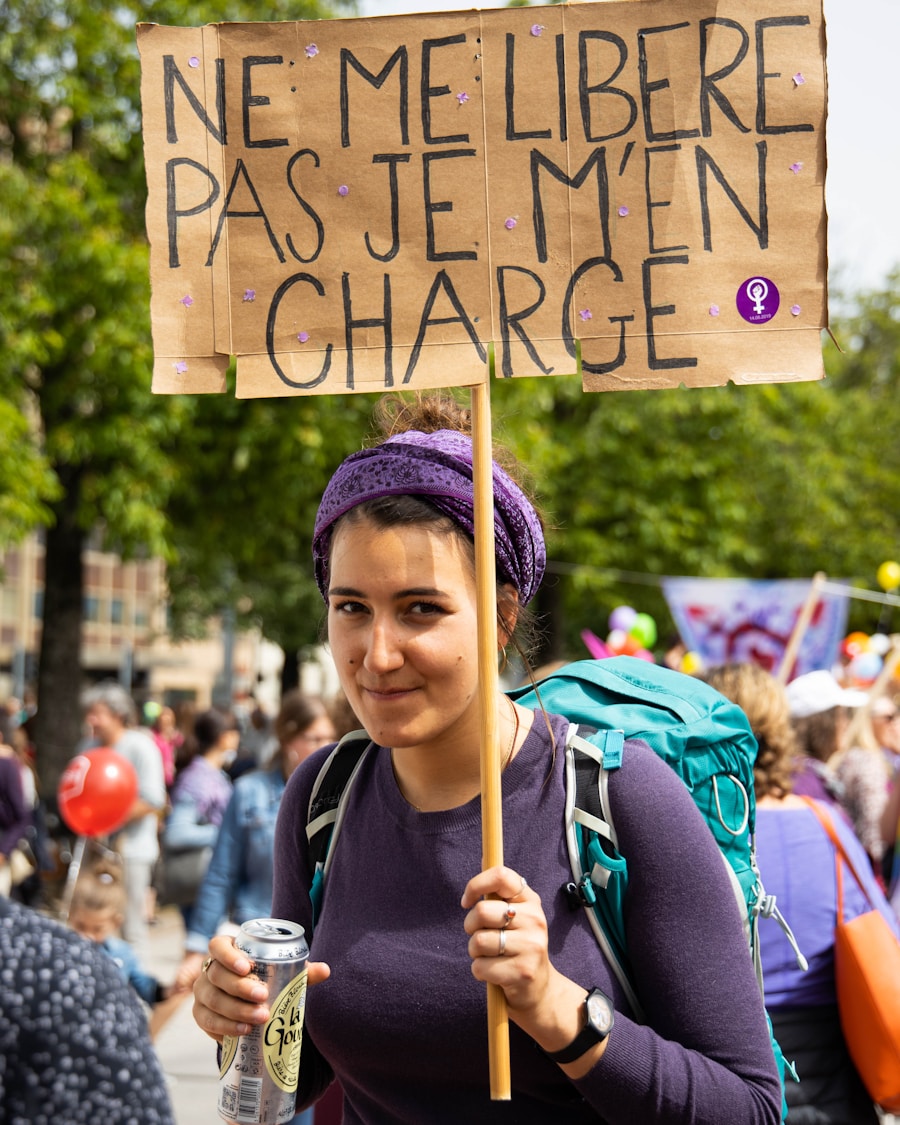
Challenging Traditional Power Structures
A feminist critique of power dynamics in international politics reveals how traditional power structures often marginalize women’s voices and experiences. Enloe argues that power is not merely concentrated in state institutions or military hierarchies; it is also embedded in everyday practices and social norms that shape our understanding of authority and legitimacy.
Recognizing Resistance and Agency
This perspective challenges the notion that power is solely about domination; instead, it emphasizes the importance of recognizing resistance and agency among marginalized groups.
Towards a More Inclusive Approach
Feminist scholars also highlight how international institutions often perpetuate gender inequalities through their policies and practices. For example, peace negotiations frequently exclude women from decision-making processes, despite evidence showing that their participation leads to more sustainable peace outcomes. By critiquing these power dynamics, feminist perspectives advocate for a more inclusive approach to international relations that recognizes the contributions of women and other marginalized groups.
Intersectionality and Feminist Analysis of International Relations
Intersectionality is a crucial concept within feminist analysis that acknowledges how various forms of oppression intersect to shape individuals’ experiences. Enloe emphasizes that gender cannot be understood in isolation from other social categories such as race, class, sexuality, and nationality. This intersectional approach allows for a more nuanced understanding of how different groups experience power differently within international relations.
For instance, women from marginalized communities may face unique challenges that differ from those experienced by women from more privileged backgrounds. In conflict zones, women of color may encounter additional layers of violence and discrimination that complicate their ability to access resources or participate in peacebuilding efforts. By incorporating intersectionality into feminist analyses, scholars can better understand the complexities of global issues and advocate for more equitable solutions that address the needs of diverse populations.
Conclusion and Implications for Feminist Activism
The insights gleaned from Cynthia Enloe’s “Bananas, Beaches and Bases” have profound implications for feminist activism in contemporary society. By highlighting the interconnectedness of gender with global economic systems and political structures, Enloe’s work encourages activists to adopt a more holistic approach to their advocacy efforts. Recognizing that issues such as trade policies, military interventions, and local economies are all intertwined with gender dynamics allows for more effective strategies aimed at promoting social justice.
Feminist activism must also embrace intersectionality as a guiding principle. By acknowledging the diverse experiences of women across different contexts, activists can build coalitions that address multiple forms of oppression simultaneously.
Ultimately, Enloe’s work serves as a reminder that understanding the complexities of international politics through a feminist lens is essential for creating meaningful change in our world today.
If you’re interested in exploring more feminist perspectives on international politics, you may want to check out this article on hellread.com. This website offers a variety of thought-provoking pieces that delve into different aspects of gender and power dynamics in global affairs. One article in particular, titled “Hello World,” provides a unique perspective on the intersection of feminism and international relations. It would be a great companion read to Cynthia Enloe’s book, “Bananas, Beaches and Bases: Making Feminist Sense of International Politics.”
FAQs
What is the book “Bananas, Beaches and Bases: Making Feminist Sense of International Politics” about?
The book “Bananas, Beaches and Bases: Making Feminist Sense of International Politics” by Cynthia Enloe explores the intersection of feminism and international politics, examining how gender shapes power dynamics, labor, and militarism in the global context.
Who is the author of “Bananas, Beaches and Bases: Making Feminist Sense of International Politics”?
The author of “Bananas, Beaches and Bases: Making Feminist Sense of International Politics” is Cynthia Enloe, a feminist scholar and professor of political science.
What are some of the key themes discussed in “Bananas, Beaches and Bases: Making Feminist Sense of International Politics”?
Some of the key themes discussed in the book include the gendered nature of international relations, the role of women in global labor markets, the impact of militarism on women’s lives, and the ways in which gender norms and stereotypes shape international politics.
How does “Bananas, Beaches and Bases: Making Feminist Sense of International Politics” contribute to the field of international relations?
The book contributes to the field of international relations by offering a feminist perspective that highlights the ways in which gender dynamics influence and are influenced by global politics, challenging traditional approaches to the study of international relations.
What are some of the critiques and praise for “Bananas, Beaches and Bases: Making Feminist Sense of International Politics”?
Critiques of the book include concerns about the generalization of gender experiences across different cultures, while praise includes recognition of the book’s groundbreaking analysis of the gendered dimensions of international politics.




