
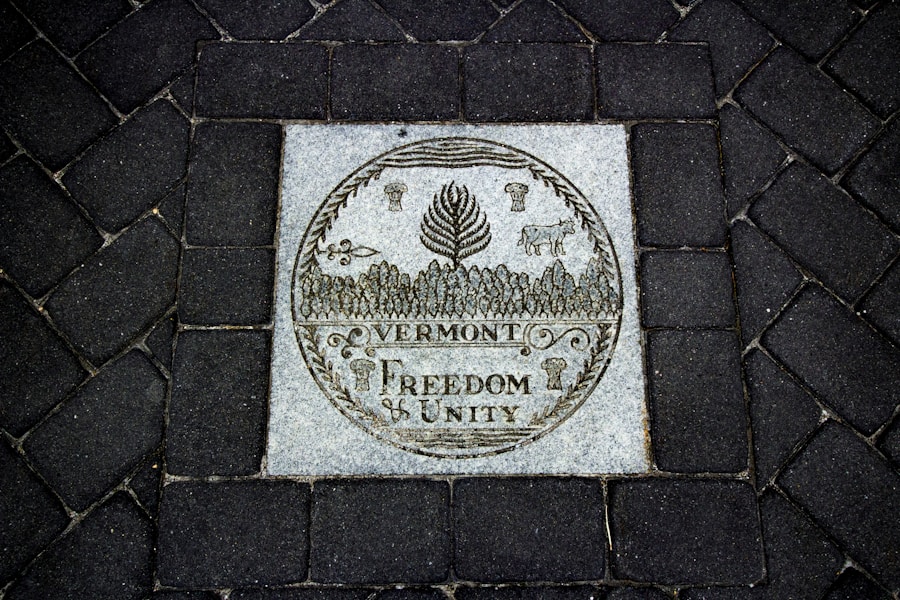
Fareed Zakaria’s “The Future of Freedom: Illiberal Democracy at Home and Abroad” presents a compelling examination of the intricate relationship between democracy and freedom in the contemporary world. Zakaria, a prominent political commentator and journalist, delves into the paradox that has emerged in the 21st century: while many nations have adopted democratic frameworks, the essence of freedom is increasingly under threat. His analysis is not merely a critique of political systems but a profound exploration of how democracy can exist without the foundational principles that ensure individual liberties.
Through a blend of historical context, political theory, and current events, Zakaria articulates a vision of freedom that transcends mere electoral processes. In his work, Zakaria argues that the rise of illiberal democracies—governments that are elected but do not uphold the rights and freedoms of their citizens—poses a significant challenge to the ideals of liberal democracy. He emphasizes that democracy is not solely about the act of voting; it is also about the protection of civil liberties, the rule of law, and the existence of institutions that safeguard individual rights.
This nuanced understanding sets the stage for a broader discussion on how societies can navigate the complexities of governance in an era marked by rapid change and uncertainty.
Key Takeaways
- Fareed Zakaria’s “The Future of Freedom” discusses the challenges and opportunities facing democracy in the 21st century.
- The 21st century has seen a decline in democracy, with authoritarianism posing a significant threat to freedom around the world.
- Technology plays a crucial role in shaping the future of freedom, with both positive and negative implications for democracy.
- Globalization has had a significant impact on freedom, creating both opportunities and challenges for democratic societies.
- Upholding freedom in the future will require strong and resilient institutions, as well as proactive strategies for safeguarding democratic values.
The Decline of Democracy in the 21st Century
The Erosion of Democratic Norms
The decline of democratic norms is often accompanied by a rise in populism, where leaders appeal directly to the masses, bypassing traditional institutions that are meant to safeguard democracy. This decline is not merely a regional issue; it has global implications.
The Rise of Authoritarian Regimes
The rise of authoritarian regimes has been facilitated by a network of international relationships that often prioritize economic interests over democratic values. Nations that once championed democracy are now engaging with autocratic governments, creating a complex web of alliances that can undermine global efforts to promote freedom.
A Fundamental Challenge to Democracy
Zakaria’s analysis highlights how this shift poses a fundamental challenge to the very notion of democracy as a universal ideal, raising questions about its future viability in an increasingly interconnected world.
Authoritarianism and the Threat to Freedom
Authoritarianism represents one of the most significant threats to freedom in contemporary society. Zakaria argues that authoritarian regimes often employ sophisticated strategies to maintain control over their populations, including censorship, surveillance, and the manipulation of information. These tactics not only suppress dissent but also create an environment where citizens are disempowered and disengaged from political processes.
The chilling effect of authoritarianism extends beyond national borders, as these regimes often export their methods and ideologies, influencing other governments and movements worldwide. The consequences of authoritarianism are profound. In countries where freedom is curtailed, individuals face restrictions on their ability to express themselves, assemble peacefully, and participate in governance.
This suppression can lead to widespread disillusionment with political systems, fostering an environment ripe for unrest and conflict.
The Role of Technology in Shaping the Future of Freedom
Technology plays a dual role in shaping the future of freedom, acting as both a tool for empowerment and a mechanism for control. On one hand, advancements in communication technologies have democratized access to information, enabling individuals to organize, mobilize, and advocate for their rights more effectively than ever before. Social media platforms have become vital spaces for political discourse, allowing marginalized voices to be heard and fostering movements for change across the globe.
The Arab Spring serves as a poignant example of how technology can facilitate democratic aspirations by connecting individuals and amplifying their demands for freedom.
Authoritarian regimes have adeptly harnessed digital tools to surveil their citizens, stifle dissent, and manipulate public opinion.
The use of artificial intelligence and big data analytics allows governments to monitor behavior on an unprecedented scale, creating an environment where privacy is eroded and individual freedoms are compromised. Zakaria warns that as technology continues to evolve, it is imperative for societies to critically assess its implications for freedom and ensure that it serves as a force for good rather than oppression.
Globalization and its Impact on Freedom
Globalization has transformed economies and societies around the world, but its impact on freedom is complex and multifaceted. Zakaria argues that while globalization has facilitated economic growth and interconnectedness, it has also contributed to rising inequality and social discontent. The benefits of globalization are often unevenly distributed, leading to feelings of disenfranchisement among those who feel left behind by rapid changes in the global economy.
This discontent can fuel populist movements that challenge established democratic norms and institutions. Moreover, globalization has created new challenges for national sovereignty as countries grapple with transnational issues such as climate change, migration, and terrorism. In this context, governments may resort to authoritarian measures in an attempt to maintain control over their populations amid perceived external threats.
Zakaria emphasizes that addressing these challenges requires a nuanced understanding of globalization’s effects on freedom and a commitment to fostering inclusive policies that empower individuals rather than marginalize them.
The Importance of Institutions in Upholding Freedom
Institutions play a crucial role in safeguarding freedom and ensuring that democratic processes function effectively. Zakaria highlights that strong institutions—such as an independent judiciary, free press, and accountable governance—are essential for protecting individual rights and maintaining the rule of law. These institutions provide checks on power, preventing any single entity from becoming too dominant and ensuring that citizens have avenues for redress when their rights are violated.
However, the integrity of institutions is often under threat from both internal and external forces. In many cases, leaders may seek to undermine institutional frameworks to consolidate their power, eroding public trust in these vital structures. Zakaria argues that restoring faith in institutions requires not only reform but also active civic engagement from citizens who must hold their governments accountable.
A vibrant civil society is essential for fostering an environment where institutions can thrive and effectively uphold freedom.
Strategies for Safeguarding Freedom in the Future
To safeguard freedom in an increasingly complex world, Zakaria advocates for a multifaceted approach that encompasses political reform, civic engagement, and international cooperation. One key strategy involves strengthening democratic institutions by promoting transparency, accountability, and inclusivity in governance. This can be achieved through electoral reforms that enhance representation and ensure that marginalized voices are heard in decision-making processes.
Civic engagement is equally vital; citizens must be encouraged to participate actively in their democracies through advocacy, education, and grassroots organizing. Empowering individuals with knowledge about their rights and responsibilities fosters a culture of accountability and encourages active participation in political life. Additionally, international cooperation is essential for addressing transnational challenges that threaten freedom.
Collaborative efforts among nations can help establish norms and standards that promote human rights and democratic governance globally.
Embracing the Challenges of the Future of Freedom
As we navigate the complexities of the 21st century, embracing the challenges posed by declining democracy, rising authoritarianism, and technological advancements is crucial for safeguarding freedom. Fareed Zakaria’s insights serve as a clarion call for individuals, communities, and nations to remain vigilant in their commitment to democratic principles and human rights. The future of freedom hinges on our ability to adapt to changing circumstances while remaining steadfast in our pursuit of justice and equality.
In this endeavor, it is essential to recognize that freedom is not merely an abstract ideal but a lived experience shaped by our actions and choices. By fostering strong institutions, promoting civic engagement, and leveraging technology for positive change, we can work towards a future where freedom flourishes amidst adversity. The path ahead may be fraught with challenges, but it is also filled with opportunities for renewal and transformation as we collectively strive to uphold the values that underpin our shared humanity.
If you are interested in exploring more about the future of freedom and democracy, you may want to check out this article on hellread.com. This article delves into the challenges and opportunities that lie ahead for societies striving to maintain their democratic values in an ever-changing world. Fareed Zakaria’s insights in “The Future of Freedom” can be further complemented by the perspectives shared in this related piece.
FAQs
What is “The Future of Freedom” by Fareed Zakaria about?
The article “The Future of Freedom” by Fareed Zakaria discusses the challenges and opportunities facing democracy in the 21st century, and explores the impact of globalization, technology, and political polarization on freedom and democracy.
Who is Fareed Zakaria?
Fareed Zakaria is a prominent journalist, author, and political commentator. He is the host of CNN’s Fareed Zakaria GPS and a columnist for The Washington Post. Zakaria is known for his expertise in international relations and global politics.
What are some key themes in “The Future of Freedom”?
Some key themes in “The Future of Freedom” include the impact of technology on democracy, the rise of illiberal democracies, the challenges of political polarization, and the role of globalization in shaping the future of freedom and democracy.
What are some of the main arguments presented in the article?
Some of the main arguments presented in the article include the idea that technology has the potential to both empower and undermine democracy, the rise of illiberal democracies as a threat to freedom, and the need for a renewed commitment to liberal democratic values in the face of global challenges.
How does “The Future of Freedom” address the impact of globalization on democracy?
“The Future of Freedom” explores how globalization has both expanded opportunities for freedom and democracy, while also creating new challenges and vulnerabilities. The article discusses the ways in which global interconnectedness has reshaped political dynamics and the implications for the future of freedom.




