

In the ever-evolving landscape of marketing, businesses are constantly seeking innovative ways to connect with their audiences. One of the most effective methodologies that has emerged in recent years is the StoryBrand framework, developed by Donald Miller. This approach is rooted in the principles of storytelling, which have been used for centuries to convey messages, evoke emotions, and inspire action.
The StoryBrand framework posits that every brand has a story to tell, and by clarifying that narrative, businesses can engage their customers more effectively. This article delves into the intricacies of the StoryBrand framework, exploring its components and how it can be leveraged to create a compelling brand message. The significance of storytelling in marketing cannot be overstated.
Humans are naturally drawn to stories; they resonate on a personal level and create connections that mere facts and figures cannot achieve. In a world inundated with information, a well-crafted narrative can cut through the noise and capture attention. The StoryBrand framework provides a structured approach to harnessing the power of storytelling, allowing brands to position themselves as guides in their customers’ journeys rather than merely selling products or services.
By adopting this framework, businesses can foster deeper relationships with their audiences, ultimately leading to increased loyalty and sales.
Key Takeaways
- StoryBrand is a powerful framework for clarifying your brand message and connecting with your audience.
- The StoryBrand framework helps businesses create a clear and compelling brand message by focusing on the customer’s journey.
- Implementing the StoryBrand framework in your business involves identifying the customer’s problem, positioning your brand as the guide, and providing a clear plan for the customer to follow.
- Storytelling is a key component of the StoryBrand framework and can be used to effectively connect with your audience and make your brand message more memorable.
- Clarifying your brand’s positioning and messaging using the StoryBrand framework can help you stand out in the market and attract more customers.
Understanding the StoryBrand Framework
The Character and Problem
The character represents the customer, who is seeking a solution to a specific problem. This problem is not just a surface-level issue; it often encompasses emotional and psychological dimensions that resonate deeply with the audience.
The Guide and Plan
The guide in this narrative is the brand itself, which must demonstrate empathy and authority. By understanding the customer’s struggles and showcasing expertise in providing solutions, the brand positions itself as a trusted ally. The plan outlines the steps the customer needs to take to resolve their problem, while the call to action prompts them to engage with the brand.
Urgency and Success
Additionally, highlighting what is at stake—what the customer stands to lose if they do not act—adds urgency to the message. Finally, painting a picture of success allows customers to envision their lives transformed by the brand’s offerings. This structured approach not only clarifies messaging but also enhances customer engagement.
Implementing the StoryBrand Framework in Your Business
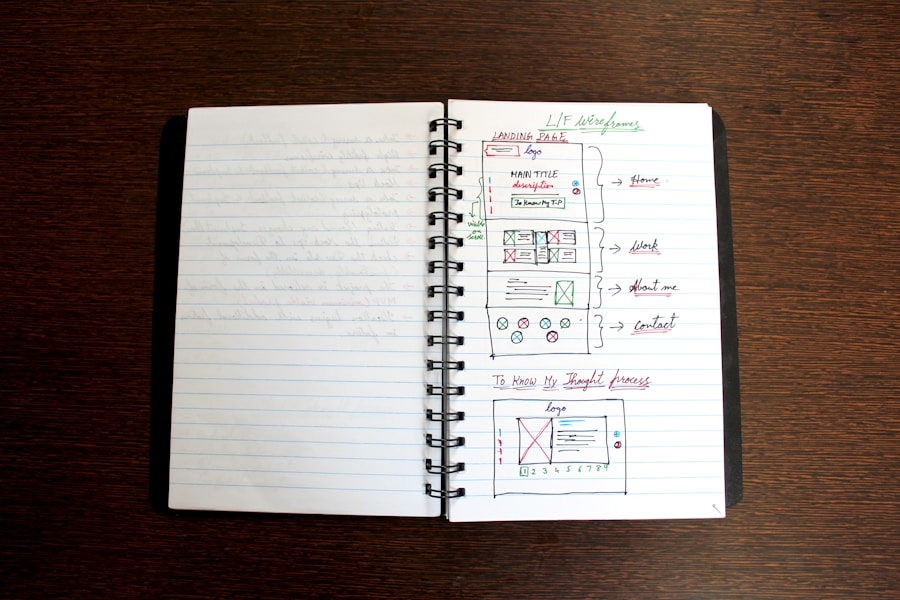
Implementing the StoryBrand framework requires a thoughtful approach that begins with introspection. Businesses must first identify their target audience and understand their needs, desires, and pain points. This foundational knowledge is critical for crafting a narrative that resonates with potential customers.
Conducting market research, gathering customer feedback, and analyzing competitors can provide valuable insights into what drives your audience’s decision-making processes. Once you have a clear understanding of your audience, you can begin to articulate your brand’s story using the seven elements of the StoryBrand framework. This involves creating a concise brand script that outlines each component of your narrative.
For instance, you might define your character (the customer), articulate their problem (the challenge they face), and position your brand as the guide equipped with a plan to help them succeed. This script serves as a blueprint for all your marketing materials, ensuring consistency across various channels and touchpoints.
Creating a Clear and Compelling Brand Message
A clear and compelling brand message is essential for capturing attention and fostering engagement. The StoryBrand framework emphasizes simplicity; your message should be easily understood at first glance.
Instead, focus on articulating how your product or service addresses the customer’s problem in straightforward terms. To create an impactful message, consider employing techniques such as the “one-liner,” which succinctly encapsulates your brand’s value proposition in a single sentence. This one-liner should clearly convey who you serve, what problem you solve, and how you do it differently from competitors.
For example, if you run a fitness coaching business, your one-liner might be: “We help busy professionals achieve their fitness goals through personalized online coaching.” This statement not only identifies your target audience but also highlights the unique aspect of your service—personalization—making it more appealing.
Using Storytelling to Connect with Your Audience
Storytelling is an art form that transcends mere communication; it creates emotional connections between brands and their audiences. When businesses share stories that resonate with their customers’ experiences, they foster relatability and trust. This connection can be achieved through various mediums such as social media posts, blog articles, videos, or even customer testimonials.
For instance, consider a skincare brand that shares stories of real customers who have struggled with skin issues and found relief through their products. By showcasing these narratives—complete with before-and-after photos and personal testimonials—the brand not only highlights its effectiveness but also humanizes its offerings. Customers are more likely to engage with brands that demonstrate authenticity and vulnerability through storytelling.
Moreover, incorporating elements of conflict and resolution into your narratives can enhance engagement. Audiences are drawn to stories that depict challenges and triumphs; they want to see how others have overcome obstacles similar to their own. By framing your brand’s story within this context, you create an emotional arc that captivates your audience’s attention and encourages them to take action.
Clarifying Your Brand’s Positioning and Messaging

Identifying What Sets You Apart
To effectively position your brand, you must identify what sets you apart—whether it’s superior quality, exceptional customer service, or innovative features—and communicate this clearly in your messaging.
Conducting a Competitive Analysis
Conducting a competitive analysis can provide insights into how other brands position themselves within your industry. By understanding their strengths and weaknesses, you can identify gaps in the market that your brand can fill. For example, if competitors focus heavily on price but neglect customer experience, you might choose to position your brand as one that prioritizes personalized service over cost-cutting measures.
Consistency is Key
Once you’ve established your unique positioning, it’s essential to weave this into all aspects of your messaging. Consistency is key; whether it’s on your website, social media platforms, or promotional materials, your brand’s voice should reflect its core values and mission. This cohesive messaging reinforces your positioning in the minds of consumers and builds brand recognition over time.
Building a StoryBrand in Marketing and Sales
Integrating the StoryBrand framework into marketing and sales strategies can significantly enhance customer engagement and conversion rates. One effective method is to create marketing collateral that aligns with your brand script. This includes website copy, email campaigns, social media posts, and advertisements that consistently reflect your narrative.
Discover our natural sleep aids.” This immediately captures attention by acknowledging a common pain point while positioning your product as a solution. Additionally, incorporating visuals that complement your narrative—such as images of satisfied customers or infographics illustrating success stories—can further enhance engagement.
In sales conversations, sales representatives should be trained to utilize storytelling techniques when engaging with prospects. Rather than simply listing product features or benefits, they can share relatable anecdotes about how previous customers have successfully used the product or service to overcome challenges similar to those faced by potential clients. This approach not only makes the conversation more engaging but also reinforces the brand’s positioning as an empathetic guide.
Measuring the Success of Your StoryBrand Strategy
To determine the effectiveness of your StoryBrand strategy, it’s crucial to establish key performance indicators (KPIs) that align with your business goals. These metrics may include website traffic, conversion rates, customer engagement levels on social media platforms, or even customer retention rates. By tracking these KPIs over time, you can assess whether your messaging resonates with your audience and drives desired outcomes.
Additionally, gathering qualitative feedback from customers can provide valuable insights into how well your story is being received. Conducting surveys or interviews can help you understand whether customers feel connected to your brand’s narrative and if it influences their purchasing decisions. For example, if customers express that they appreciate the authenticity of your storytelling approach or relate to specific aspects of your narrative, it indicates that you are successfully engaging them on an emotional level.
Regularly reviewing and refining your StoryBrand strategy based on these insights is essential for continuous improvement. As market dynamics shift and consumer preferences evolve, staying attuned to these changes will enable you to adapt your messaging accordingly. By measuring success through both quantitative data and qualitative feedback, businesses can ensure that their StoryBrand strategy remains relevant and impactful over time.
If you’re interested in learning more about effective storytelling techniques, you may want to check out this article on hellread.com that discusses the importance of creating a compelling narrative to engage your audience. Building a StoryBrand by Donald Miller emphasizes the power of storytelling in marketing and branding, and this article provides additional insights on how to craft a captivating story that resonates with your target audience. By incorporating these storytelling principles into your marketing strategy, you can create a strong brand identity and connect with customers on a deeper level.
FAQs
What is the book “Building a StoryBrand” about?
The book “Building a StoryBrand” by Donald Miller is about the power of storytelling in marketing and how businesses can use a storytelling framework to clarify their message and connect with their customers.
Who is the author of “Building a StoryBrand”?
The author of “Building a StoryBrand” is Donald Miller, a best-selling author, speaker, and business owner.
What is the main concept of “Building a StoryBrand”?
The main concept of “Building a StoryBrand” is that businesses should position themselves as the guide in their customers’ stories, rather than the hero. By clarifying their message and focusing on the customer’s journey, businesses can better connect with their target audience.
What are some key takeaways from “Building a StoryBrand”?
Some key takeaways from “Building a StoryBrand” include the importance of clarifying a business’s message, understanding the customer’s journey, and using storytelling to engage and connect with customers.
Who is the target audience for “Building a StoryBrand”?
The target audience for “Building a StoryBrand” includes business owners, marketers, entrepreneurs, and anyone looking to improve their brand messaging and customer engagement strategies.




