

“Into the Wild,” a non-fiction narrative by Jon Krakauer, chronicles the life and tragic demise of Chris McCandless, a young man who ventured into the Alaskan wilderness in search of meaning and authenticity. Published in 1996, the book has since become a seminal work that resonates with readers who grapple with themes of adventure, self-discovery, and the complexities of human existence. Krakauer’s meticulous research and compelling storytelling weave together McCandless’s journey, his philosophical musings, and the stark realities of nature, creating a rich tapestry that invites readers to reflect on their own lives and choices.
The narrative begins with McCandless’s decision to abandon his conventional life, including a promising future and familial ties, to embark on a solitary quest for enlightenment. His journey is marked by a series of adventures across the American West, culminating in his fateful arrival in Alaska. Krakauer’s portrayal of McCandless is both sympathetic and critical, as he delves into the motivations behind his actions while also examining the consequences of his idealism.
The book serves not only as a biography but also as a philosophical exploration of what it means to live authentically in a world often dominated by materialism and societal expectations.
Key Takeaways
- “Into the Wild” is a non-fiction book by Jon Krakauer that tells the story of Chris McCandless, a young man who gave up his possessions and set out on a journey of self-discovery in the Alaskan wilderness.
- Chris McCandless’s life and death are the central focus of the book, as Krakauer delves into his background, motivations, and the circumstances that led to his tragic demise in the wilderness.
- The book explores the theme of self-discovery as Chris McCandless seeks to find meaning and purpose in his life through his experiences in nature and his interactions with the people he meets on his journey.
- Nature and wilderness play a significant role in “Into the Wild,” as Chris McCandless seeks solace and inspiration in the natural world, ultimately leading to his untimely death in the Alaskan wilderness.
- The influence of writers like Thoreau and Tolstoy is evident in Chris McCandless’s beliefs and actions, as he seeks to live a simple and meaningful life in harmony with nature, much like the ideals espoused by these literary figures.
The Life and Death of Chris McCandless
Chris McCandless was born in 1968 in El Segundo, California, into a family that appeared to embody the American Dream. However, beneath this facade lay a tumultuous family dynamic that profoundly influenced his worldview. After graduating from Emory University in 1990, McCandless made the radical decision to sever ties with his past.
He donated his savings to charity, abandoned his car, and adopted the name “Alexander Supertramp,” symbolizing his desire to escape societal constraints and embrace a life of freedom. His journey took him across the United States, where he hitchhiked through various states, including California, Arizona, and South Dakota. Along the way, he encountered a diverse array of individuals who shaped his understanding of life and humanity.
However, it was his arrival in Alaska that marked the culmination of his quest. In April 1992, McCandless ventured into the wild with minimal supplies and an idealistic vision of living off the land. Tragically, his adventure ended in death due to starvation and exposure.
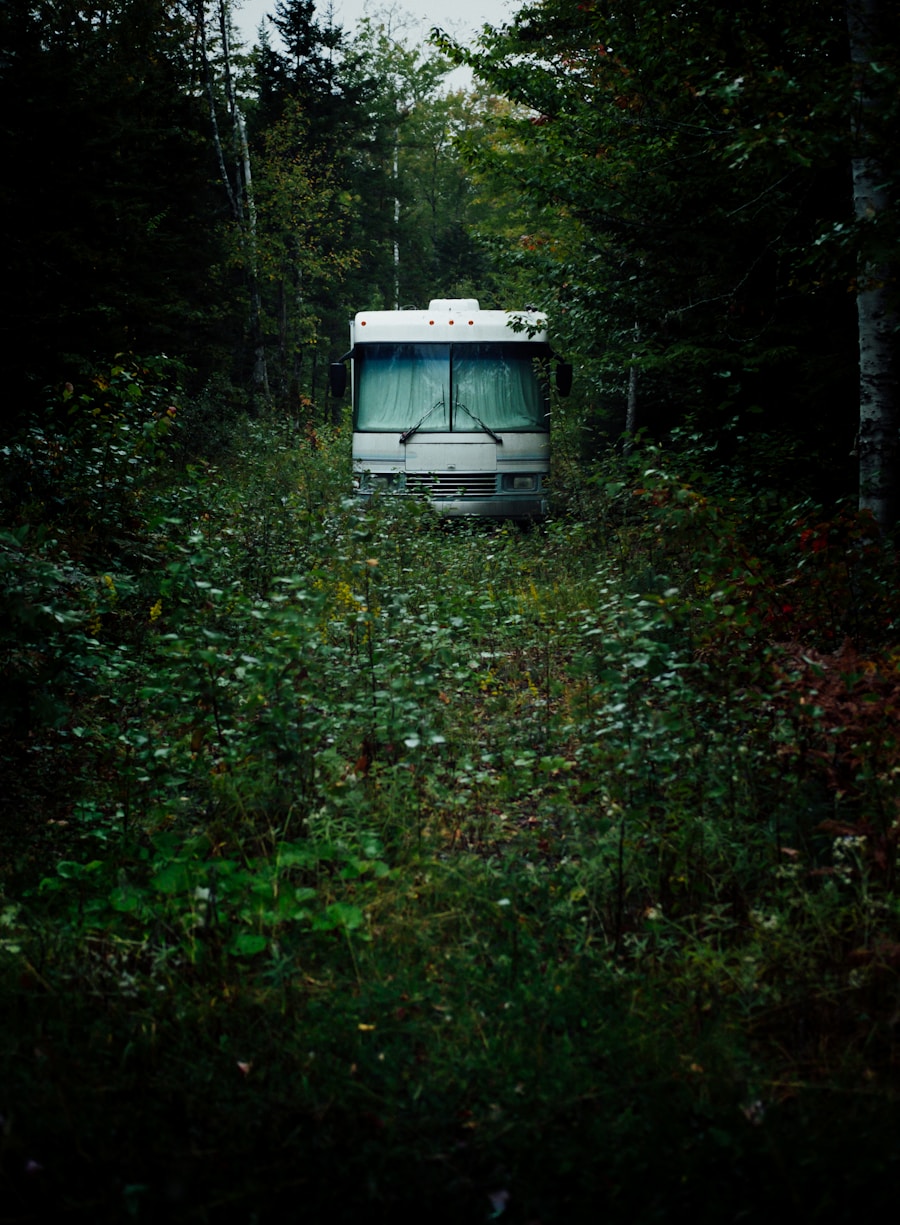
His body was discovered months later in an abandoned bus along the Stampede Trail, prompting widespread media attention and public fascination with his story.
The Journey of Self-Discovery

McCandless’s journey is emblematic of a profound quest for self-discovery that resonates with many individuals seeking purpose beyond societal norms. His travels were not merely physical; they were deeply introspective as he grappled with existential questions about identity, freedom, and the essence of happiness. Throughout his odyssey, McCandless sought to strip away the layers of materialism that he believed clouded genuine human experience.
He was drawn to the idea of living simply, connecting with nature, and finding solace in solitude. Krakauer illustrates this journey through vivid descriptions of McCandless’s encounters with nature and people. For instance, during his time in the desert of California, he formed a bond with a group of drifters who shared his disdain for conventional living.
These relationships provided him with insights into alternative lifestyles and philosophies that further fueled his desire for independence. However, as McCandless ventured deeper into the wilderness, he also confronted the harsh realities of survival. His idealism clashed with the unforgiving nature of the Alaskan landscape, leading to moments of profound reflection on the limits of human endurance and the consequences of isolation.
Nature and Wilderness in Into the Wild
Nature serves as both a backdrop and a central character in “Into the Wild.” Krakauer’s evocative prose captures the beauty and brutality of the Alaskan wilderness, illustrating how it profoundly impacted McCandless’s psyche. The vast landscapes, towering mountains, and serene rivers symbolize both freedom and danger, reflecting McCandless’s internal struggle between idealism and reality. The wilderness becomes a mirror for his soul—a place where he seeks clarity but ultimately faces the harsh truths of existence.
Krakauer emphasizes that McCandless’s relationship with nature was not merely romantic; it was fraught with challenges that tested his resolve. His initial enthusiasm for living off the land quickly gave way to desperation as he grappled with starvation and exposure. The author meticulously details McCandless’s attempts to forage for food and navigate the wilderness, highlighting both his resourcefulness and naivety.
This duality underscores a critical theme: while nature can offer profound beauty and inspiration, it also demands respect and understanding. McCandless’s tragic fate serves as a cautionary tale about underestimating the power of the natural world.
The Influence of Thoreau and Tolstoy
The philosophical underpinnings of “Into the Wild” are deeply rooted in the works of influential thinkers such as Henry David Thoreau and Leo Tolstoy. Thoreau’s seminal work “Walden” profoundly impacted McCandless’s worldview, particularly its themes of simplicity, self-reliance, and communion with nature. Thoreau’s experiment in living deliberately at Walden Pond resonated with McCandless’s desire to escape societal constraints and seek authenticity in solitude.
Similarly, Tolstoy’s writings on morality and social justice influenced McCandless’s perspective on life. Tolstoy’s emphasis on living according to one’s principles and rejecting societal norms echoed in McCandless’s decision to abandon his privileged upbringing.
Both authors championed a return to simplicity and authenticity, advocating for a life aligned with one’s values rather than societal expectations. Krakauer weaves these philosophical influences throughout McCandless’s narrative, illustrating how literature can shape one’s understanding of existence and inspire transformative journeys.
Krakauer’s Personal Connection to Chris McCandless
Jon Krakauer’s connection to Chris McCandless extends beyond mere storytelling; it is rooted in shared experiences and existential reflections. As an adventurer himself, Krakauer empathizes with McCandless’s quest for meaning in the face of nature’s challenges. In fact, Krakauer recounts his own harrowing experiences climbing mountains and confronting danger, drawing parallels between his pursuits and McCandless’s journey into the wild.
This personal connection adds depth to Krakauer’s narrative as he grapples with questions about ambition, risk-taking, and the allure of solitude. Krakauer’s exploration of McCandless’s motivations is also informed by his own struggles with identity and purpose. He reflects on how both men sought solace in nature as a means of escaping societal pressures and finding clarity amidst chaos.
This introspective lens allows readers to engage with the narrative on multiple levels—both as an account of one man’s tragic fate and as a broader commentary on human aspirations for freedom and self-discovery. Krakauer’s vulnerability in sharing his own experiences enriches the narrative, inviting readers to reflect on their own relationships with adventure and risk.
Controversies and Criticisms of Into the Wild
Despite its acclaim, “Into the Wild” has not been without controversy or criticism. Some detractors argue that Krakauer romanticizes McCandless’s journey, portraying him as a heroic figure rather than acknowledging the recklessness that led to his demise. Critics contend that by glorifying McCandless’s idealism without adequately addressing his lack of preparation for survival in such an unforgiving environment, Krakauer risks encouraging similar reckless behavior among impressionable readers seeking adventure.
Moreover, some family members of individuals who have attempted similar journeys have expressed concern over how McCandless’s story may inspire dangerous pursuits without fully understanding the risks involved. They argue that while McCandless’s quest for authenticity is admirable, it should not overshadow the importance of preparation and respect for nature’s power. This tension between romanticism and realism raises important questions about how narratives shape public perception of adventure and risk-taking.
Into the Wild’s Impact on Readers and Society
“Into the Wild” has left an indelible mark on readers and society at large since its publication.
Many readers have found solace in McCandless’s story as they grapple with their own desires for freedom and self-discovery amidst societal expectations.
The narrative has also sparked discussions about mental health, societal pressures, and the allure of escapism through nature. It has encouraged people to explore their relationships with adventure while fostering a deeper appreciation for nature’s beauty and challenges. Additionally, “Into the Wild” has inspired numerous adaptations, including films and documentaries that further disseminate its themes to broader audiences.
In essence, Jon Krakauer’s “Into the Wild” transcends its narrative boundaries; it serves as a catalyst for introspection about life choices, societal norms, and our relationship with nature. Through Chris McCandless’s journey—marked by both idealism and tragedy—readers are invited to confront their own aspirations for authenticity while recognizing the complexities inherent in such pursuits.
If you enjoyed reading “Into the Wild” by Jon Krakauer, you may also be interested in checking out this article on hellread.com that discusses the impact of the book on readers and its lasting legacy. The article delves into the themes of adventure, self-discovery, and the consequences of living off the grid, similar to the journey of Chris McCandless in Krakauer’s book. It provides a thought-provoking analysis of the story and its relevance in today’s society.
FAQs
What is “Into the Wild” by Jon Krakauer about?
“Into the Wild” is a non-fiction book by Jon Krakauer that tells the story of Christopher McCandless, a young man who gave up his possessions and set out on a journey to live in the Alaskan wilderness. The book explores McCandless’s motivations, his experiences in the wild, and the circumstances that led to his death.
When was “Into the Wild” published?
“Into the Wild” was first published in 1996.
Is “Into the Wild” a true story?
Yes, “Into the Wild” is a true story based on the life of Christopher McCandless and his journey into the Alaskan wilderness.
What inspired Jon Krakauer to write “Into the Wild”?
Jon Krakauer was inspired to write “Into the Wild” after reading an article about Christopher McCandless’s death in an abandoned bus in the Alaskan wilderness. Krakauer became fascinated by McCandless’s story and decided to investigate and write about it.
What are some themes explored in “Into the Wild”?
Some of the themes explored in “Into the Wild” include the pursuit of adventure and freedom, the relationship between humans and nature, the impact of society and family on individual choices, and the consequences of idealism and self-reliance.




