
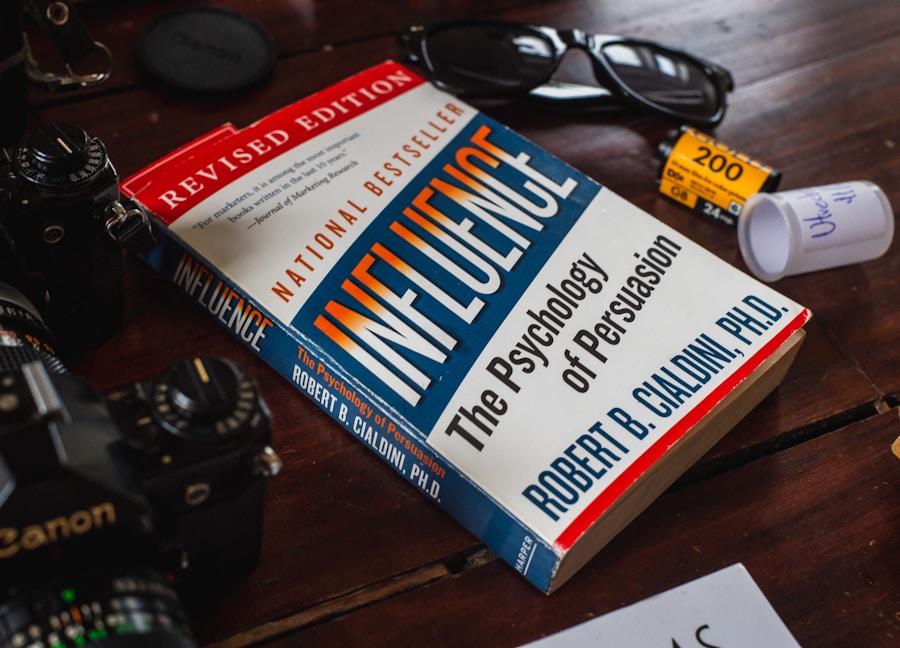
The principles of influence are foundational concepts in psychology and social behavior that explain how individuals can affect the thoughts, feelings, and actions of others.
Understanding these principles allows individuals to navigate social interactions more effectively, whether they are seeking to persuade others or protect themselves from manipulation.
At the heart of these principles lies the understanding that human behavior is often driven by underlying psychological mechanisms. The work of social psychologist Robert Cialdini has been particularly influential in this field, as he identified six key principles that govern how influence operates. These principles—reciprocity, commitment and consistency, social proof, liking, authority, and scarcity—provide a framework for understanding the dynamics of persuasion and influence in everyday life.
By exploring each of these principles in detail, we can gain insights into how they shape our interactions and decision-making processes.
Key Takeaways
- Understanding the principles of influence is crucial for effective communication and persuasion.
- Reciprocity is a powerful tool for influencing others, as people feel obligated to return favors.
- Commitment and consistency play a significant role in influencing behavior, as people strive to align their actions with their commitments.
- Social proof, or the influence of others, can sway individual behavior and decision-making.
- Liking and building rapport with others can greatly enhance one’s ability to influence them.
The Power of Reciprocity
The Business of Reciprocity
In a business context, reciprocity can be a powerful tool. For instance, if a salesperson offers a potential client a free sample or a complimentary consultation, the client may feel an implicit obligation to consider purchasing a product or service in return. This phenomenon is not limited to business transactions; it can also be observed in everyday consumer behavior.
The Psychology of Free Samples
Consider the practice of “free samples” in grocery stores. When customers are offered a taste of a new product, they often feel inclined to purchase it afterward, even if they had no prior intention to do so. This is a classic example of reciprocity in action, where the customer feels a sense of obligation to the vendor for providing them with a free sample.
Reciprocity in Interpersonal Relationships
Reciprocity is not limited to consumer behavior; it also extends to interpersonal relationships. For example, if a friend helps you move into a new apartment, you may feel motivated to assist them with a future task, reinforcing the bond between you and fostering a sense of mutual support. This is a fundamental aspect of building strong, lasting relationships.
The Importance of Commitment and Consistency

The principle of commitment and consistency is based on the idea that once individuals commit to a particular course of action or belief, they are more likely to follow through with it to maintain a consistent self-image. This principle is particularly powerful because it taps into our desire for internal coherence and alignment between our beliefs and actions. When people make a public commitment—whether through verbal affirmation or written agreement—they are more likely to adhere to that commitment due to the psychological pressure to remain consistent.
A classic example of this principle can be seen in the “foot-in-the-door” technique, where a small request is made first to gain compliance, followed by a larger request. For instance, if a charity organization first asks individuals to sign a petition supporting a cause, those who comply are more likely to later donate money or volunteer their time for that same cause. The initial commitment creates a sense of obligation and consistency that influences subsequent behavior.
This principle is not only applicable in marketing but also plays a significant role in personal relationships and group dynamics, where individuals strive to align their actions with their stated beliefs.
Social Proof and the Influence of Others
Social proof refers to the phenomenon where individuals look to the behavior of others to guide their own actions, especially in uncertain situations. This principle is grounded in the idea that people often rely on the actions and opinions of others as a heuristic for determining what is appropriate or acceptable behavior. When faced with ambiguity or unfamiliarity, individuals tend to seek validation from their peers or social groups, leading them to conform to perceived norms.
A compelling illustration of social proof can be found in the context of online reviews and testimonials. When potential customers are considering a purchase, they often turn to reviews from previous buyers as a form of social validation. A product with numerous positive reviews is likely to be perceived as more trustworthy and desirable than one with few or negative reviews.
This reliance on social proof can significantly impact consumer behavior, as individuals may choose products based on the experiences of others rather than their own independent evaluation. Moreover, social proof extends beyond consumer behavior into broader societal contexts. For example, during public protests or movements, individuals may be influenced by the visible participation of others, leading them to join in or express support for a cause they might have otherwise remained indifferent about.
The collective behavior observed in such situations underscores the powerful role that social proof plays in shaping individual decisions and actions.
The Principle of Liking and Influence
The principle of liking posits that people are more easily influenced by those they like or find attractive. This principle encompasses various factors that contribute to interpersonal attraction, including physical appearance, similarity, compliments, and familiarity. When individuals feel a sense of affinity or rapport with someone, they are more likely to be receptive to their ideas and requests.
In sales and marketing contexts, this principle is often leveraged through relationship-building techniques. Salespeople who take the time to establish rapport with potential clients—by finding common interests or offering genuine compliments—are more likely to succeed in persuading them to make a purchase. For instance, if a car salesperson engages a customer by discussing shared hobbies or interests, the customer may feel more inclined to trust the salesperson’s recommendations and ultimately make a purchase.
The principle of liking also extends into social dynamics beyond commercial interactions.
Their ability to connect with others fosters trust and collaboration, making it easier for them to sway opinions or mobilize support for initiatives.
This underscores the importance of cultivating positive relationships and interpersonal skills in both personal and professional environments.
Authority and its Impact on Influence

The principle of authority suggests that individuals are more likely to comply with requests or follow guidance from those perceived as credible experts or figures of authority. This principle is deeply rooted in societal structures where expertise and knowledge confer power and influence. People often defer to authority figures because they believe these individuals possess specialized knowledge or experience that can guide their decisions.
A classic experiment illustrating this principle is Stanley Milgram’s obedience study conducted in the 1960s. Participants were instructed by an authority figure (the experimenter) to administer electric shocks to another individual (who was actually an actor) as part of a learning experiment. Despite the apparent distress caused by the shocks, many participants complied with the authority figure’s instructions, highlighting how powerful the influence of authority can be on human behavior.
In everyday life, this principle manifests in various ways. For instance, consumers often rely on expert endorsements when making purchasing decisions; a product endorsed by a well-known expert or celebrity is likely to be perceived as more credible and desirable. Similarly, in professional settings, employees may be more inclined to follow directives from supervisors or managers who are viewed as knowledgeable and authoritative figures within their field.
The impact of authority on influence underscores the importance of establishing credibility and expertise in any domain where persuasion is sought.
The Scarcity Principle and its Influence on Behavior
The scarcity principle operates on the notion that people place higher value on resources or opportunities that are perceived as limited or rare. This principle taps into basic human psychology; when something is scarce, it triggers feelings of urgency and desire. The fear of missing out (FOMO) can drive individuals to act quickly in order to secure what they perceive as valuable before it becomes unavailable.
A common application of this principle can be seen in marketing strategies that emphasize limited-time offers or exclusive products. For example, retailers often promote flash sales or limited-edition items with phrases like “only available while supplies last.” Such tactics create a sense of urgency among consumers, prompting them to make impulsive purchasing decisions out of fear that they might miss out on an opportunity. Beyond commercial contexts, scarcity also influences decision-making in various aspects of life.
In social situations, individuals may feel compelled to pursue relationships with people who seem less available or who exhibit high demand among their peers. The perception that someone is “hard to get” can enhance their desirability and lead others to invest more effort into winning their attention or affection. This dynamic illustrates how scarcity can shape not only consumer behavior but also interpersonal relationships.
Applying the Principles of Influence in Daily Life
Understanding the principles of influence provides valuable insights that can be applied across various aspects of daily life. Whether one is navigating personal relationships, professional interactions, or consumer choices, these principles offer practical strategies for effective communication and persuasion. For instance, when seeking support for an initiative at work, one might leverage social proof by highlighting endorsements from colleagues who have already expressed their support.
In personal relationships, employing the principle of liking can enhance connections with others by fostering genuine rapport and understanding. Taking time to listen actively and find common ground can create an environment where mutual influence thrives. Similarly, recognizing the power of reciprocity can encourage individuals to engage in acts of kindness without expecting immediate returns; this can strengthen bonds over time as both parties feel valued and appreciated.
Moreover, being aware of these principles can also serve as a protective measure against manipulation. By recognizing when someone is employing tactics based on authority or scarcity to influence decisions, individuals can make more informed choices rather than succumbing to pressure. Ultimately, applying these principles thoughtfully can lead to more meaningful interactions and better outcomes in both personal and professional spheres.
If you are interested in learning more about the principles of influence discussed in Robert B. Cialdini’s book “Influence: Science and Practice,” you may want to check out this article on hellread.com. This article delves into the concept of social proof and how it can be used to persuade others. It provides practical tips on how to leverage social proof in various situations to influence people’s behavior effectively.
FAQs
What is the book “Influence: Science and Practice” about?
The book “Influence: Science and Practice” by Robert B. Cialdini explores the psychology of persuasion and the factors that influence people to say “yes” to requests. It delves into the principles of influence and provides insights into how these principles can be used ethically in various situations.
Who is the author of “Influence: Science and Practice”?
The author of “Influence: Science and Practice” is Robert B. Cialdini, a renowned psychologist and professor emeritus of psychology and marketing at Arizona State University. He is widely recognized for his work on the psychology of influence and persuasion.
What are some of the principles of influence discussed in the book?
The book discusses several principles of influence, including reciprocity, commitment and consistency, social proof, authority, liking, and scarcity. These principles are based on psychological research and provide insights into how individuals can be influenced to comply with requests.
How can the principles of influence be applied in everyday life?
The principles of influence discussed in the book can be applied in various settings, such as marketing, sales, negotiations, and interpersonal interactions. By understanding these principles, individuals can effectively influence others and make more informed decisions in their personal and professional lives.
Is “Influence: Science and Practice” based on scientific research?
Yes, “Influence: Science and Practice” is based on extensive scientific research in the field of psychology. Robert B. Cialdini draws on empirical studies and experiments to support the principles of influence discussed in the book, making it a valuable resource for understanding the psychology of persuasion.




