
Elon Musk was born on June 28, 1971, in Pretoria, South Africa. His mother, Maye Musk, was a model and dietitian, while his father, Errol Musk, was an electromechanical engineer. Growing up in a family that valued education and innovation, Musk exhibited an early fascination with technology and entrepreneurship.
By the age of 12, he had already developed a video game called Blastar, which he sold for approximately $500. This early venture not only showcased his technical skills but also hinted at his future as a serial entrepreneur. Musk’s educational journey began at Waterkloof House Preparatory School and later continued at Pretoria Boys High School.
His academic prowess earned him a place at Queen’s University in Kingston, Ontario, in 1989. After two years, he transferred to the University of Pennsylvania, where he earned dual degrees in physics and economics. This combination of disciplines would later inform his approach to business and technology.
Musk’s time at university was marked by a relentless pursuit of knowledge; he often immersed himself in various subjects, from computer science to philosophy. His academic background laid the groundwork for his future ventures, instilling in him a deep understanding of both the scientific principles that govern technology and the economic factors that drive business success.
Key Takeaways
- Elon Musk was born in South Africa and moved to Canada and then the United States for his education.
- Musk co-founded Zip2, X.com (which later became PayPal), and founded SpaceX and Tesla, among other ventures.
- Musk is the CEO and lead designer at SpaceX, and the CEO and product architect at Tesla, with a vision to revolutionize space travel and sustainable energy.
- Musk’s vision for the future includes colonizing Mars, transitioning to sustainable energy, and developing AI responsibly.
- Musk is known for his hands-on leadership style, setting ambitious goals, and pushing his teams to achieve them.
Entrepreneurial Ventures
The Birth of Zip2
Zip2 was one of the first online city guides, providing businesses with a platform to create an online presence. The company quickly gained traction, and in 1999, Compaq acquired Zip2 for approximately $307 million.
A New Chapter Unfolds
Following the sale of Zip2, Musk founded X.com, which later became PayPal, an online payment system that revolutionized the way people made transactions online.
com in 1999, an online payment company that would eventually become PayPal after a merger with Confinity. Under Musk’s leadership, com introduced innovative features such as email payments and a user-friendly interface that revolutionized online transactions. In 2002, eBay acquired PayPal for $1.5 billion in stock, further solidifying Musk’s reputation as a visionary entrepreneur.
The success of these ventures not only provided him with substantial wealth but also established him as a key player in the tech industry, paving the way for his future endeavors in space exploration and sustainable energy.
Tesla and SpaceX
In 2004, Musk joined Tesla Motors as chairman of the board and later became CEO and product architect. His vision for Tesla was to accelerate the world’s transition to sustainable energy through electric vehicles. Under his leadership, Tesla introduced groundbreaking models such as the Roadster, Model S, Model X, and Model 3.
Each vehicle pushed the boundaries of electric vehicle technology, offering impressive performance metrics and long-range capabilities that challenged traditional automotive norms. Musk’s relentless pursuit of innovation led to advancements in battery technology and autonomous driving features, positioning Tesla as a leader in the electric vehicle market. Simultaneously, Musk founded SpaceX in 2002 with the ambitious goal of reducing space transportation costs and enabling the colonization of Mars.
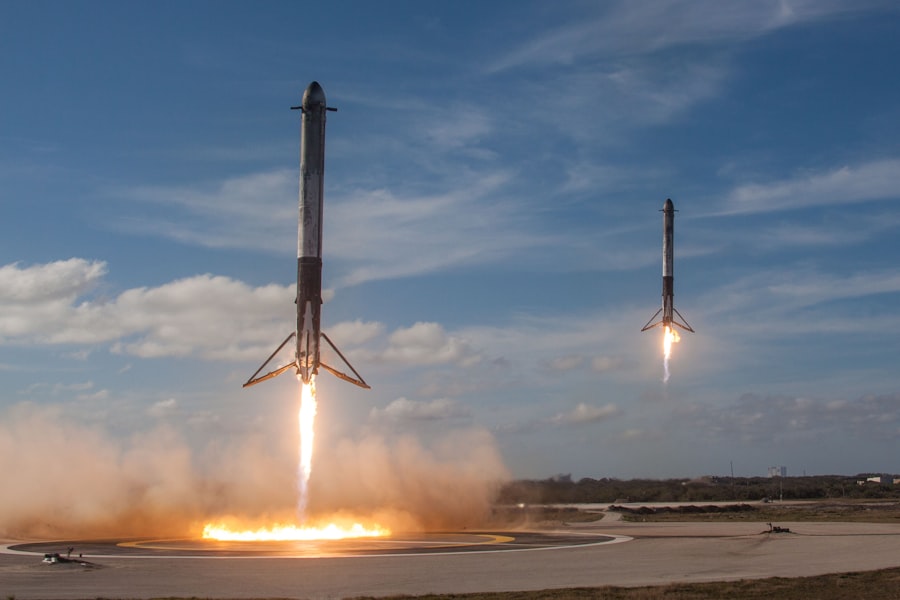
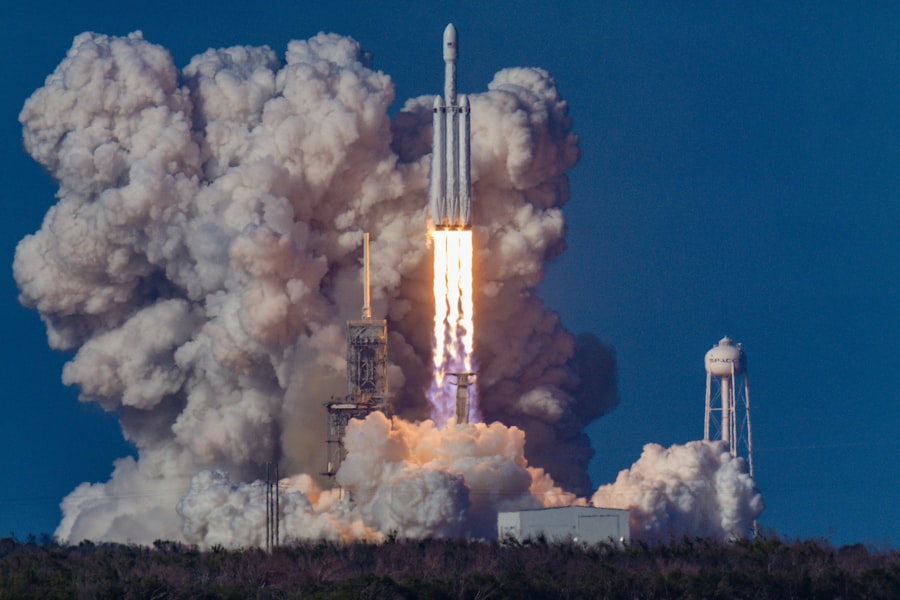
SpaceX achieved several significant milestones under Musk’s guidance, including the first privately-funded spacecraft to reach orbit (Falcon 1) and the first privately-funded spacecraft to dock with the International Space Station (Dragon). The development of the Falcon 9 rocket and the reusable rocket technology has revolutionized space travel by drastically reducing costs and increasing accessibility to space. Musk’s dual focus on electric vehicles and space exploration reflects his broader vision of creating a sustainable future for humanity both on Earth and beyond.
Vision for the Future
Musk’s vision extends far beyond electric cars and space travel; it encompasses a holistic approach to addressing some of humanity’s most pressing challenges. He has been vocal about climate change and its potential catastrophic effects on the planet. Through Tesla, he aims to reduce reliance on fossil fuels by promoting electric vehicles and renewable energy solutions such as solar power and energy storage systems.
His commitment to sustainability is evident in Tesla’s Gigafactories, which are designed to produce batteries at scale while minimizing environmental impact.
His plans for Mars colonization involve developing the Starship spacecraft capable of carrying large numbers of people and cargo to the Red Planet.
Musk envisions a self-sustaining city on Mars that could serve as a backup for humanity in case of catastrophic events on Earth. This ambitious vision reflects his belief that expanding human presence beyond our planet is essential for long-term survival and progress.
Leadership and Management Style
Musk’s leadership style is often described as intense and demanding. He is known for setting high expectations for himself and his teams, pushing them to achieve ambitious goals within tight deadlines. This approach has led to remarkable innovations but has also resulted in high-pressure work environments at his companies.
Employees often describe Musk as a visionary who inspires them with his passion for technology and his unwavering commitment to his goals. Despite his demanding nature, Musk is also known for his hands-on approach to management. He immerses himself in technical details and often engages directly with engineers and designers to solve problems.
This level of involvement allows him to maintain a deep understanding of the projects at hand while fostering a culture of innovation within his companies. However, this management style has drawn criticism for leading to burnout among employees and creating a challenging work-life balance.
Personal Life and Interests
Elon Musk’s personal life has been as dynamic as his professional endeavors. He has been married three times—twice to Talulah Riley—and has several children from different relationships. His family life often intersects with his work; for instance, he named one of his children X Æ A-Xii, reflecting his affinity for technology and futurism.
Musk has been open about the challenges of balancing work commitments with family life, often sharing insights into how he manages time between his various ventures and personal responsibilities. Beyond family life, Musk has diverse interests that range from artificial intelligence to neuroscience. He has expressed concerns about the potential dangers of AI if left unchecked and founded OpenAI in 2015 to promote safe AI development.
Additionally, he has shown interest in brain-computer interfaces through Neuralink, a company focused on developing technologies that could enhance human cognitive abilities or treat neurological conditions. These interests reflect Musk’s broader curiosity about technology’s role in shaping human existence and improving quality of life.
Criticisms and Controversies
Musk’s career has not been without its share of controversies and criticisms. His management style has faced scrutiny for fostering a high-pressure work environment that some employees find unsustainable. Reports have surfaced about long hours, unrealistic expectations, and instances of workplace stress at Tesla and SpaceX.
Critics argue that while Musk’s vision is commendable, the human cost associated with achieving it can be significant. Additionally, Musk’s public persona has led to several controversies on social media platforms like Twitter (now X). His tweets have sometimes resulted in market fluctuations or legal challenges; for example, his infamous tweet about taking Tesla private at $420 per share led to an investigation by the Securities and Exchange Commission (SEC).
This incident highlighted the potential consequences of Musk’s unfiltered communication style and raised questions about corporate governance practices within his companies.
Legacy and Impact
Elon Musk’s legacy is still unfolding, but it is already marked by significant contributions to technology, transportation, and sustainability. His work with Tesla has accelerated the global shift toward electric vehicles, influencing traditional automakers to invest heavily in electric technology. The company’s success has not only transformed the automotive industry but also sparked discussions about renewable energy solutions on a broader scale.
In space exploration, Musk’s vision for making humanity multi-planetary has reignited interest in space travel among both private companies and government agencies. SpaceX’s achievements have demonstrated that private enterprises can play a crucial role in advancing space technology, paving the way for future exploration missions beyond Earth. As he continues to push boundaries across various industries, Musk’s impact on society will likely be felt for generations to come, shaping how we think about technology’s role in addressing global challenges and expanding human potential.
In a recent article by Walter Isaacson, he delves into the innovative mind of Elon Musk and his impact on the future of technology and space exploration. Isaacson discusses Musk’s ambitious goals and his relentless drive to push the boundaries of what is possible. For more insights on Musk’s visionary leadership, check out the article here.
FAQs
Who is Elon Musk?
Elon Musk is a business magnate, industrial designer, and engineer. He is the founder, CEO, and chief engineer of SpaceX; early investor, CEO, and product architect of Tesla, Inc.; founder of The Boring Company; co-founder of Neuralink; and co-founder and initial co-chairman of OpenAI.
What is Elon Musk known for?
Elon Musk is known for his work in the aerospace industry with SpaceX, electric vehicles with Tesla, and his vision for the future of transportation and energy.
What are some of Elon Musk’s notable achievements?
Some of Elon Musk’s notable achievements include the successful launch and landing of reusable rockets with SpaceX, the popularization of electric vehicles with Tesla, and his ambitious plans for colonizing Mars.
What is Elon Musk’s net worth?
As of 2021, Elon Musk’s net worth is estimated to be over $200 billion, making him one of the wealthiest individuals in the world.
What is Elon Musk’s educational background?
Elon Musk attended Queen’s University in Canada before transferring to the University of Pennsylvania, where he earned degrees in economics and physics.
What is Elon Musk’s vision for the future?
Elon Musk’s vision for the future includes the colonization of Mars, the transition to sustainable energy with electric vehicles and solar power, and the development of high-speed transportation systems such as the Hyperloop.




