
In a world that often feels dominated by negativity, the concept of hardwiring happiness emerges as a beacon of hope. This approach, rooted in neuroscience and psychology, suggests that individuals can actively reshape their brains to foster a more positive outlook on life. The term “hardwiring” implies a permanent change, akin to rewiring the neural pathways that govern our thoughts and emotions.
By understanding how our brains work and implementing specific strategies, we can cultivate a mindset that not only embraces joy but also enhances our overall well-being. Hardwiring happiness is not merely about fleeting moments of joy or temporary relief from stress; it is about creating lasting change in how we perceive and interact with the world. This process involves recognizing the inherent negativity bias of the human brain, which tends to focus on adverse experiences more than positive ones.
By consciously engaging in practices that promote positive thinking and emotional resilience, we can counteract this bias and establish a more optimistic perspective. The journey toward hardwiring happiness is both a personal and transformative experience, one that can lead to profound changes in our mental health and quality of life.
Key Takeaways
- Hardwiring happiness involves intentionally creating and internalizing positive experiences to rewire the brain for greater resilience and well-being.
- The brain’s negativity bias causes it to naturally focus on negative experiences, making it important to consciously cultivate positive ones.
- The four steps to hardwiring happiness include: having a positive experience, enriching it, absorbing it, and linking it to negative experiences to soothe and heal.
- The benefits of hardwiring happiness include increased resilience, improved emotional regulation, and greater overall well-being.
- Applying hardwiring happiness in daily life involves practicing gratitude, savoring positive experiences, and intentionally creating and internalizing positive moments.
Understanding the Brain’s Negativity Bias
The brain’s negativity bias is a well-documented phenomenon that has significant implications for our emotional health. Evolutionarily, this bias served a crucial purpose; it helped our ancestors survive by making them more alert to potential threats in their environment. As a result, negative experiences tend to have a more substantial impact on our thoughts and feelings than positive ones.
Research indicates that negative events are processed more deeply and remembered longer than positive ones, leading to an imbalance in how we perceive our lives. This bias manifests in various ways, from the way we react to criticism to how we remember past events. For instance, a single negative comment can overshadow multiple compliments, leading individuals to dwell on the negative rather than appreciate the positive feedback they receive.
This tendency can create a cycle of negativity that affects mental health, contributing to anxiety, depression, and low self-esteem. Understanding this bias is the first step toward counteracting its effects; by recognizing that our brains are wired to focus on the negative, we can take proactive measures to shift our attention toward the positive aspects of our lives.
The Four Steps to Hardwiring Happiness
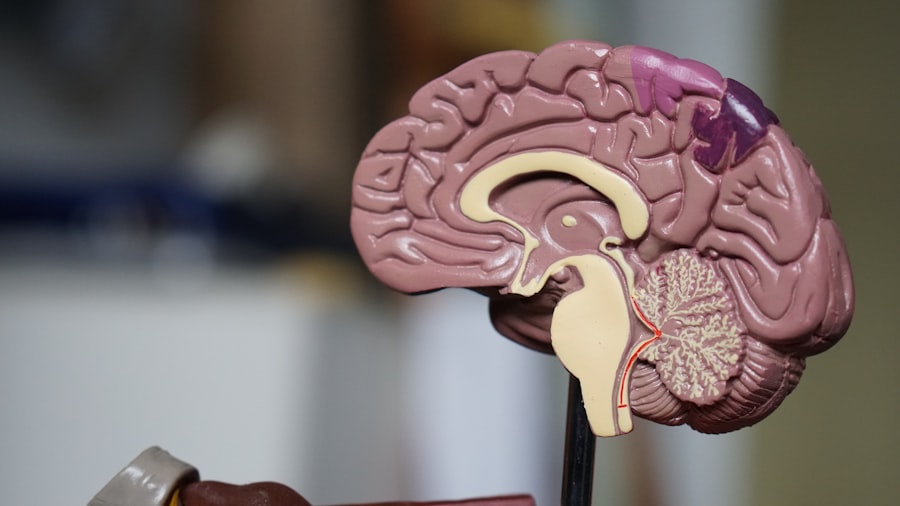
Hardwiring happiness involves a systematic approach that can be broken down into four essential steps: taking in the good, savoring positive experiences, practicing gratitude, and creating a positive mindset. The first step, taking in the good, emphasizes the importance of consciously acknowledging and internalizing positive experiences. This can be as simple as reflecting on a pleasant interaction or appreciating a beautiful sunset.
By allowing ourselves to fully experience these moments, we begin to strengthen the neural pathways associated with happiness. The second step, savoring positive experiences, encourages individuals to immerse themselves in joyful moments rather than letting them pass by unnoticed. This could involve engaging in activities that bring joy—such as spending time with loved ones or enjoying a favorite hobby—and deliberately focusing on the feelings of happiness they evoke.
By prolonging these experiences in our minds, we reinforce the positive emotions associated with them. Practicing gratitude forms the third step in this process.
Keeping a gratitude journal or simply taking time each day to reflect on what we are thankful for can shift our focus from what is lacking in our lives to what is abundant.
The final step involves creating a positive mindset through affirmations and visualization techniques.
By consciously choosing to focus on positive thoughts and outcomes, we can reshape our internal dialogue. This might include repeating affirmations that reinforce self-worth or visualizing successful outcomes in various aspects of life. Over time, these practices can lead to significant changes in how we perceive ourselves and our circumstances.
The Benefits of Hardwiring Happiness
The benefits of hardwiring happiness extend far beyond mere emotional uplift; they encompass various aspects of physical health, relationships, and overall life satisfaction. Numerous studies have demonstrated that individuals who cultivate a positive mindset experience lower levels of stress and anxiety. This reduction in stress not only enhances mental health but also contributes to better physical health outcomes, including lower blood pressure and improved immune function.
Moreover, hardwiring happiness can significantly improve interpersonal relationships. When individuals adopt a more positive outlook, they tend to be more empathetic and supportive toward others. This shift can lead to stronger connections with friends, family, and colleagues, fostering an environment where positivity thrives.
As relationships deepen and become more fulfilling, individuals often find themselves surrounded by a supportive network that further reinforces their happiness. Additionally, hardwiring happiness can enhance resilience—the ability to bounce back from adversity. When faced with challenges or setbacks, individuals who have cultivated a positive mindset are more likely to view these experiences as opportunities for growth rather than insurmountable obstacles.
This resilience not only aids in coping with stress but also promotes a proactive approach to problem-solving and personal development.
Applying Hardwiring Happiness in Daily Life
Integrating the principles of hardwiring happiness into daily life requires intentionality and practice. One effective method is to establish daily rituals that promote positivity. For instance, starting each day with a few minutes of mindfulness meditation can set a positive tone for the day ahead.
During this time, individuals can focus on their breath and cultivate an awareness of their thoughts and feelings without judgment. Another practical application involves creating a gratitude practice that fits seamlessly into one’s routine. This could be as simple as taking a moment each evening to reflect on three things that went well during the day or writing them down in a dedicated journal.
By making gratitude a regular part of daily life, individuals can train their brains to recognize and appreciate the good amidst the challenges. Engaging in acts of kindness is another powerful way to hardwire happiness. Research has shown that helping others not only benefits those receiving assistance but also enhances the giver’s sense of well-being.
Simple gestures—such as complimenting a stranger or volunteering for a local charity—can create ripples of positivity that contribute to an overall sense of fulfillment.
Overcoming Challenges in Hardwiring Happiness

While the journey toward hardwiring happiness is rewarding, it is not without its challenges. One common obstacle is the deeply ingrained nature of negative thought patterns. For many individuals, years of focusing on the negative can create an automatic response that feels insurmountable.
Overcoming this requires patience and persistence; it is essential to recognize that change takes time and effort. Another challenge lies in external circumstances that may contribute to feelings of unhappiness or stress. Life events such as job loss, relationship issues, or health problems can create significant barriers to cultivating positivity.
In such cases, it is crucial to acknowledge these challenges while simultaneously seeking out small moments of joy or gratitude amidst adversity. Building resilience through supportive relationships and self-care practices can also help individuals navigate these difficult times. Additionally, societal pressures and cultural norms may discourage expressions of happiness or positivity, particularly in environments where negativity is prevalent.
It is vital for individuals to create supportive networks that encourage open discussions about mental health and well-being. Surrounding oneself with like-minded individuals who prioritize positivity can provide motivation and accountability on the journey toward hardwiring happiness.
The Role of Mindfulness in Hardwiring Happiness
Mindfulness plays a pivotal role in the process of hardwiring happiness by fostering awareness and presence in everyday life. At its core, mindfulness involves paying attention to the present moment without judgment—a practice that allows individuals to observe their thoughts and feelings without becoming overwhelmed by them. This heightened awareness enables individuals to recognize negative thought patterns as they arise, providing an opportunity for conscious redirection toward more positive perspectives.
Incorporating mindfulness into daily routines can take various forms, from formal meditation practices to informal moments of reflection throughout the day. For example, during mundane activities such as washing dishes or walking, individuals can practice mindfulness by focusing on the sensations involved—feeling the warmth of water or noticing the rhythm of their steps. These moments of presence can serve as anchors for cultivating positivity amidst the busyness of life.
Moreover, mindfulness encourages self-compassion—a crucial component of hardwiring happiness. By treating oneself with kindness during difficult times and acknowledging imperfections without harsh self-criticism, individuals can foster a more nurturing internal dialogue. This self-compassionate approach not only enhances emotional resilience but also creates space for joy and gratitude to flourish.
Conclusion and Final Thoughts on Hardwiring Happiness
The journey toward hardwiring happiness is an ongoing process that requires commitment and practice but offers profound rewards for those willing to engage with it fully. By understanding the brain’s negativity bias and implementing strategies such as taking in the good, savoring experiences, practicing gratitude, and fostering mindfulness, individuals can reshape their emotional landscapes for the better. As we navigate life’s challenges and triumphs, embracing the principles of hardwiring happiness allows us to cultivate resilience and foster deeper connections with ourselves and others.
In doing so, we not only enhance our own well-being but also contribute positively to the world around us—a ripple effect that underscores the interconnectedness of human experience. Ultimately, hardwiring happiness is not just about individual joy; it is about creating a collective environment where positivity thrives and flourishes for all.
If you’re interested in exploring more about the power of positive thinking and rewiring your brain for happiness, check out this article on hellread.com. This article delves into the science behind cultivating a positive mindset and offers practical tips for incorporating mindfulness and gratitude into your daily routine. It complements the concepts discussed in Rick Hanson’s book, “Hardwiring Happiness,” by providing additional insights and strategies for creating lasting change in your brain and overall well-being.
FAQs
What is the book “Hardwiring Happiness” about?
The book “Hardwiring Happiness” by Rick Hanson is about the science of taking in the good and building inner strengths, resilience, and well-being.
Who is Rick Hanson?
Rick Hanson is a psychologist, senior fellow of the Greater Good Science Center at UC Berkeley, and New York Times best-selling author. He is known for his work in the field of positive psychology and mindfulness.
What is the concept of “hardwiring happiness”?
The concept of “hardwiring happiness” involves using the power of neuroplasticity to intentionally create and sustain positive mental states. It is about cultivating positive experiences and emotions to rewire the brain for lasting happiness and well-being.
What are some key takeaways from “Hardwiring Happiness”?
Some key takeaways from “Hardwiring Happiness” include understanding the brain’s negativity bias, learning to savor positive experiences, and developing the skill of taking in the good to build inner strengths and resilience.
How can “Hardwiring Happiness” benefit readers?
“Hardwiring Happiness” can benefit readers by providing practical tools and techniques to cultivate positive mental states, improve emotional resilience, and promote overall well-being. It offers a science-based approach to rewiring the brain for happiness and fulfillment.