

Emmeline Pankhurst stands as a towering figure in the history of women’s rights, particularly in the context of the suffrage movement in the United Kingdom. Born in 1858, she became a pivotal leader whose relentless pursuit of equality and justice for women transformed societal norms and political landscapes. Pankhurst’s life was marked by her unwavering commitment to the cause of women’s suffrage, a struggle that was fraught with challenges and opposition.
Her tenacity and innovative approaches to activism not only galvanized a generation of women but also left an indelible mark on the fight for gender equality worldwide. Pankhurst’s influence extended beyond her immediate environment; she became a symbol of resistance against patriarchal structures. Her ability to mobilize women from various backgrounds and her strategic use of public demonstrations and civil disobedience highlighted the urgency of the suffrage movement.
As a result, her legacy continues to inspire contemporary movements advocating for women’s rights and social justice, making her story not just a historical account but a relevant narrative that resonates with ongoing struggles for equality.
Key Takeaways
- Emmeline Pankhurst was a leading figure in the women’s suffrage movement in the early 20th century.
- Pankhurst’s early life was marked by activism and a commitment to social justice, which influenced her later work for women’s rights.
- The Women’s Social and Political Union, founded by Pankhurst, was known for its militant tactics in the fight for women’s suffrage.
- Pankhurst and the suffragettes employed a variety of strategies, including protests, hunger strikes, and civil disobedience, to draw attention to their cause.
- Pankhurst’s imprisonment and hunger strikes brought international attention to the suffrage movement and helped to advance the cause of women’s rights.
Early Life and Activism
Emmeline Pankhurst was born in Manchester, England, into a politically active family. Her parents were both involved in social reform, which undoubtedly shaped her worldview from an early age. The influence of her mother, who was a strong advocate for women’s rights, particularly left a lasting impression on Pankhurst.
This early exposure to activism instilled in her a sense of purpose and a belief in the power of collective action. By the time she reached adulthood, Pankhurst had already begun to engage with various social issues, including labor rights and education reform.
Together, they had five children, and Emmeline balanced her roles as a mother and an activist. The death of her husband in 1898 marked a turning point in her life; it propelled her deeper into the suffrage movement. Pankhurst’s early activism was characterized by her involvement with the National Society for Women’s Suffrage, where she began to hone her skills in organizing and advocating for women’s rights.
Her experiences during this period laid the groundwork for her later endeavors and solidified her commitment to achieving political equality for women.
Founding of the Women’s Social and Political Union

In 1903, Emmeline Pankhurst founded the Women’s Social and Political Union (WSPU), an organization that would become synonymous with the suffragette movement. The WSPU was established as a response to the perceived inadequacies of existing suffrage organizations, which Pankhurst believed were too moderate in their approach. The WSPU adopted the motto “Deeds, not words,” emphasizing direct action over passive advocacy.
This shift marked a significant evolution in the suffrage movement, as it called for more aggressive tactics to draw attention to the cause. Under Pankhurst’s leadership, the WSPU quickly gained traction and attracted a diverse membership that included women from various social classes. The organization focused on raising public awareness about women’s disenfranchisement through rallies, marches, and other forms of protest.
Pankhurst’s charisma and oratory skills played a crucial role in mobilizing support; she was able to articulate the frustrations and aspirations of women who felt marginalized by society. The WSPU’s activities not only highlighted the injustices faced by women but also challenged societal norms regarding gender roles.
Tactics and Strategies of the Suffragettes
The tactics employed by the suffragettes under Pankhurst’s guidance were revolutionary for their time. The WSPU embraced civil disobedience as a means to confront the government and demand change. This included organizing large-scale demonstrations, such as the famous “Women’s Sunday” rally in 1908, which drew thousands of participants to Hyde Park in London.
Such events were designed not only to showcase the strength of the movement but also to attract media attention, thereby amplifying their message. In addition to peaceful protests, the suffragettes resorted to more militant actions when they felt their voices were being ignored. This included acts of vandalism, such as breaking windows and arson attacks on government buildings.
While these tactics were controversial and drew criticism from both supporters and opponents of women’s suffrage, they undeniably succeeded in keeping the issue at the forefront of public discourse. Pankhurst believed that such drastic measures were necessary to provoke a response from a government that had consistently dismissed women’s demands for equality.
Imprisonment and Hunger Strikes
The aggressive tactics employed by the WSPU often led to confrontations with law enforcement, resulting in numerous arrests of suffragettes, including Emmeline Pankhurst herself. Imprisonment became a common experience for many activists, who were often charged with offenses related to their protests. However, rather than deterring them, these arrests only fueled their determination.
Pankhurst and her fellow suffragettes used their time in prison as an opportunity to raise awareness about their cause. One of the most notable strategies employed during imprisonment was the hunger strike. When suffragettes were incarcerated, they often refused food as a form of protest against their treatment and the unjust nature of their imprisonment.
This tactic garnered significant media attention and public sympathy, highlighting the lengths to which these women were willing to go for their rights. The government responded with force-feeding practices that were brutal and controversial, further igniting public outrage against their treatment. Pankhurst’s own experiences with imprisonment and hunger strikes underscored her commitment to the cause and served as powerful symbols of resistance.
Legacy and Impact of Emmeline Pankhurst
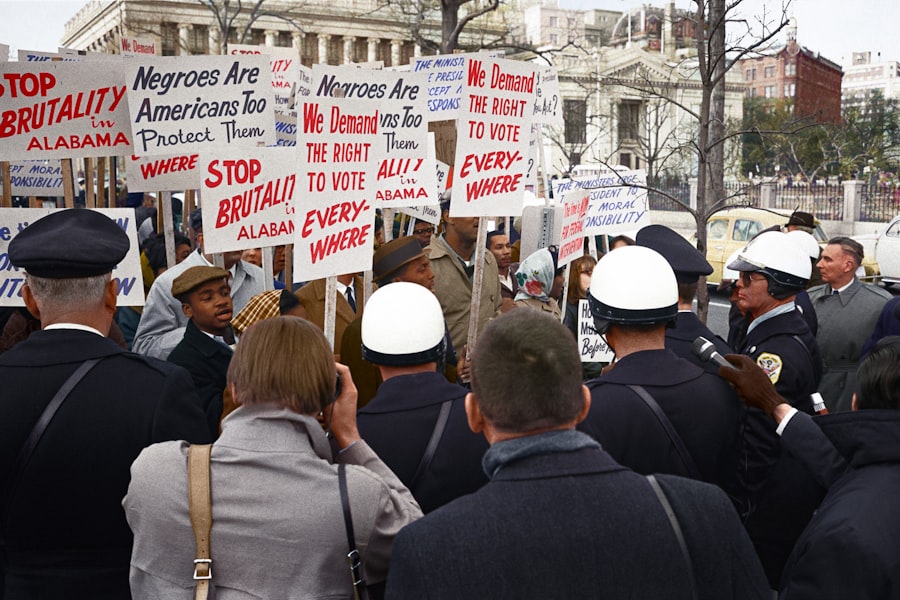
Emmeline Pankhurst’s legacy is profound and multifaceted. She is often credited with transforming the suffrage movement into a powerful force that ultimately led to women gaining the right to vote in 1918 in the UK, albeit initially limited to women over 30 who met certain property qualifications. Her relentless advocacy not only changed laws but also shifted societal attitudes towards women’s roles in public life.
The WSPU’s bold tactics inspired future generations of activists who would adopt similar strategies in various social justice movements around the world. Moreover, Pankhurst’s impact extended beyond her lifetime; she became an enduring symbol of women’s empowerment.
The principles she championed—such as equality, justice, and civil rights—continue to resonate today as contemporary movements strive for gender parity and social justice across various spheres.
My Own Story: Autobiography of Emmeline Pankhurst
In 1914, Emmeline Pankhurst published her autobiography titled “My Own Story,” which provides an intimate glimpse into her life as an activist and leader of the suffragette movement. This work serves not only as a personal narrative but also as a historical document that captures the struggles and triumphs of women fighting for their rights during a tumultuous period in history. Through her own words, Pankhurst recounts pivotal moments in her life, detailing both her motivations for activism and the challenges she faced along the way.
“My Own Story” is notable for its candid reflections on the sacrifices made by suffragettes and their unwavering commitment to achieving equality. Pankhurst’s writing is imbued with passion and urgency; she articulates the frustrations experienced by women who were denied basic rights while simultaneously inspiring readers with tales of courage and resilience. The autobiography serves as both a call to action for future generations and a testament to the power of individual agency in effecting social change.
Relevance of Pankhurst’s Story Today
Emmeline Pankhurst’s story remains strikingly relevant in today’s context as discussions around gender equality continue to evolve globally. The challenges faced by women—ranging from political underrepresentation to issues surrounding reproductive rights—echo many of the struggles that Pankhurst fought against over a century ago. Her life serves as a reminder that activism is often met with resistance but can lead to significant societal change when pursued with determination.
Moreover, Pankhurst’s innovative tactics have inspired modern movements advocating for various causes beyond women’s rights, including racial equality, LGBTQ+ rights, and environmental justice. The principles of civil disobedience and direct action that she championed are employed by contemporary activists seeking to challenge systemic injustices. As society grapples with ongoing inequalities, Emmeline Pankhurst’s legacy continues to inspire individuals worldwide to advocate for justice and equality, ensuring that her story remains not just a chapter in history but an ongoing narrative that fuels current and future movements for change.
If you enjoyed reading My Own Story by Emmeline Pankhurst, you may also be interested in exploring the article Hello World on Hellread. This article delves into the concept of self-discovery and personal growth, which are themes that resonate with Pankhurst’s journey as a suffragette and advocate for women’s rights. Both pieces offer valuable insights into the power of individual agency and the importance of standing up for one’s beliefs.
FAQs
Who is Emmeline Pankhurst?
Emmeline Pankhurst was a British political activist and leader of the suffragette movement which helped women win the right to vote.
What is the suffragette movement?
The suffragette movement was a women’s rights movement that campaigned for women’s suffrage, or the right to vote, in the late 19th and early 20th centuries.
What is “My Own Story” by Emmeline Pankhurst about?
“My Own Story” is Emmeline Pankhurst’s autobiography, in which she recounts her experiences as a suffragette and her role in the fight for women’s right to vote.
When was “My Own Story” published?
“My Own Story” was first published in 1914, during the height of the suffragette movement in the United Kingdom.
What impact did Emmeline Pankhurst have on women’s rights?
Emmeline Pankhurst’s leadership and activism played a significant role in securing women’s right to vote in the United Kingdom, and her legacy continues to inspire feminist movements around the world.




