
Ernest Hemingway’s “The Sun Also Rises,” published in 1926, stands as a seminal work in American literature, capturing the disillusionment of the post-World War I generation. The novel is often regarded as one of the defining texts of the Lost Generation, a term coined by Gertrude Stein to describe a cohort of American expatriates who found themselves adrift in Europe after the war. Hemingway’s narrative is not merely a reflection of the era’s existential angst; it is also a vivid portrayal of the complexities of human relationships, the search for meaning, and the struggle against the backdrop of a changing world.
Set against the vibrant landscapes of Paris and Spain, the novel follows a group of expatriates as they navigate their lives filled with hedonism, love, and loss. Hemingway’s own experiences as a journalist and a soldier during the war inform the narrative, lending it an authenticity that resonates with readers. The characters’ journeys are marked by their attempts to find solace in a world that seems increasingly chaotic and devoid of purpose.
Through his sparse yet evocative prose, Hemingway invites readers to explore the depths of human emotion and the intricacies of social dynamics in a time of profound uncertainty.
Key Takeaways
- “The Sun Also Rises” is a novel by Ernest Hemingway, published in 1926, and is considered one of his most important works.
- The novel follows a group of expatriates as they travel from Paris to Pamplona, Spain, to watch the running of the bulls and the bullfights.
- The characters in the novel, particularly the protagonist Jake Barnes and his love interest Lady Brett Ashley, struggle with the aftermath of World War I and the disillusionment of the Lost Generation.
- The novel explores themes of masculinity, femininity, and the search for meaning in a post-war world, with symbolism such as the bull representing power and vitality.
- Hemingway’s writing style in “The Sun Also Rises” is characterized by its simplicity, directness, and use of understatement, reflecting the attitudes and emotions of the characters.
- Critics have debated the portrayal of gender roles and the treatment of the female characters in the novel, with some arguing that it reflects the author’s own misogynistic views.
- “The Sun Also Rises” had a significant impact on literature and popular culture, influencing subsequent generations of writers and artists.
- For further reading, consider exploring Hemingway’s other works such as “A Farewell to Arms” and “For Whom the Bell Tolls” to gain a deeper understanding of his themes and writing style.
Summary of the Plot
The narrative unfolds through the eyes of Jake Barnes, an American journalist living in Paris. Jake is in love with Lady Brett Ashley, a beautiful and liberated woman who embodies the spirit of the Roaring Twenties. However, their relationship is complicated by Jake’s war injury, which has rendered him impotent.
This physical limitation becomes a metaphor for the emotional and psychological scars left by the war, shaping their interactions and desires throughout the story. As the plot progresses, Jake and Brett’s tumultuous relationship leads them to a group of friends that includes Robert Cohn, an insecure writer who is infatuated with Brett; Bill Gorton, a witty and sardonic companion; and Mike Campbell, Brett’s fiancé who struggles with alcoholism. The group embarks on a journey to Spain to witness the running of the bulls in Pamplona, where they indulge in revelry and bullfighting.
The trip serves as a backdrop for exploring themes of masculinity, love, and existential despair. Tensions rise as Cohn’s obsession with Brett intensifies, leading to confrontations that reveal deeper insecurities and rivalries among the men. The climax occurs during the fiesta in Pamplona, where emotional conflicts come to a head.
The bullfighting scenes are not merely spectacles; they symbolize the primal instincts and raw emotions that drive the characters. Ultimately, the novel concludes with a sense of unresolved tension as Jake reflects on his relationship with Brett and the futility of their love. The ending encapsulates the overarching themes of loss and longing that permeate the narrative.
Analysis of the Characters
The characters in “The Sun Also Rises” are intricately crafted, each representing different facets of the Lost Generation’s psyche. Jake Barnes serves as both narrator and protagonist, embodying the disillusionment that characterizes his peers. His impotence is not just a physical ailment but also a symbol of his inability to engage fully with life and love.
Jake’s stoicism masks his deep emotional wounds, making him a complex figure who grapples with his identity in a world that has been irrevocably altered by war. Lady Brett Ashley is perhaps one of Hemingway’s most compelling female characters.
However, her relationships with men reveal her own vulnerabilities and fears of commitment. Brett’s attraction to Jake is palpable, yet her inability to be with him due to his injury highlights her struggle between desire and societal expectations. Her character raises questions about femininity, freedom, and the consequences of living in a patriarchal society.
Robert Cohn serves as a foil to Jake; he is insecure and often feels like an outsider among his more experienced friends. His infatuation with Brett leads him to act impulsively, culminating in violent confrontations that expose his deep-seated insecurities. Cohn’s character illustrates the theme of unrequited love and the lengths to which individuals will go to seek validation and acceptance.
Bill Gorton and Mike Campbell add layers to the narrative through their contrasting personalities. Bill’s humor provides comic relief amidst the tension, while Mike’s struggles with alcoholism reflect the darker aspects of escapism prevalent among expatriates. Together, these characters create a rich tapestry that explores themes of friendship, rivalry, and the search for meaning in a fractured world.
Themes and Symbolism in the Novel
“The Sun Also Rises” is replete with themes that resonate deeply with readers, particularly those related to disillusionment and existential angst. The concept of “the Lost Generation” permeates the narrative, reflecting a collective sense of aimlessness experienced by those who survived World War
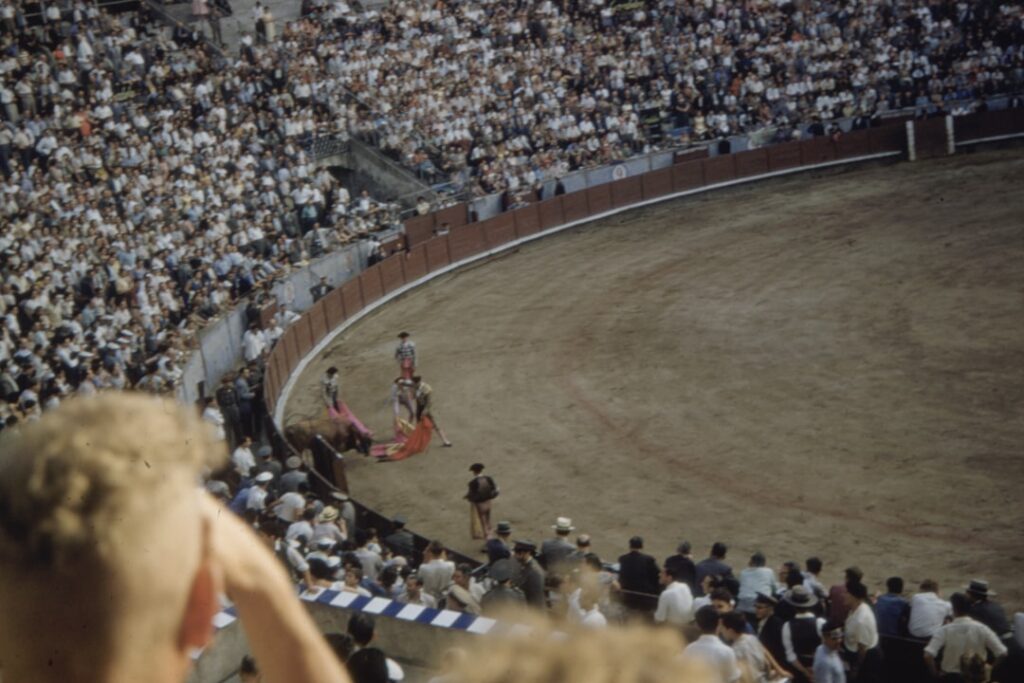
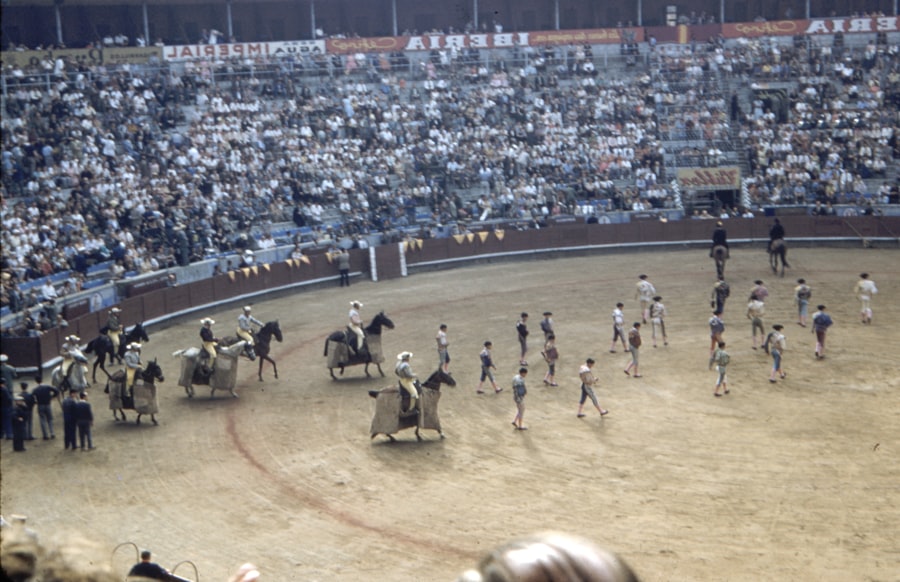
The symbolism of bullfighting is central to understanding the novel’s themes. The bullring represents both danger and vitality; it is a space where life and death intersect. For Jake and his friends, witnessing bullfights becomes an exhilarating escape from their mundane realities.
However, it also serves as a reminder of their own vulnerabilities and mortality. The bulls themselves symbolize raw power and instinctual behavior, contrasting sharply with the characters’ often self-destructive tendencies. Another significant theme is the exploration of masculinity and its implications in post-war society.
The male characters grapple with their identities in light of societal expectations and personal failures. Jake’s impotence serves as a critique of traditional notions of masculinity, while Cohn’s aggressive behavior highlights insecurities rooted in societal pressures. Through these portrayals, Hemingway delves into what it means to be a man in an era marked by uncertainty and change.
Hemingway’s Writing Style
Hemingway’s writing style in “The Sun Also Rises” is characterized by its economy and precision. He employs short sentences and simple language to convey complex emotions and ideas, creating an immediacy that draws readers into the narrative. This minimalist approach allows for deeper interpretations; what is left unsaid often carries as much weight as what is explicitly stated.
Hemingway’s use of dialogue is particularly noteworthy; conversations between characters are often laden with subtext, revealing their inner conflicts without overt exposition. The author’s distinctive use of imagery further enhances the novel’s impact. Descriptions of Parisian cafes or Spanish landscapes evoke vivid sensory experiences that transport readers into the world he has created.
Hemingway’s ability to capture fleeting moments—such as a shared glance or an unspoken tension—adds depth to character interactions and underscores their emotional struggles. Moreover, Hemingway’s use of symbolism enriches his prose. Objects like wine bottles or bullfighting capes take on greater significance within the context of the characters’ lives.
This layering of meaning invites readers to engage actively with the text, prompting them to consider broader implications beyond the surface narrative.
Criticisms and Controversies Surrounding the Novel

Despite its acclaim, “The Sun Also Rises” has not been without its criticisms. Some scholars argue that Hemingway’s portrayal of women—particularly Brett Ashley—reinforces traditional gender stereotypes rather than subverting them. While Brett is depicted as an independent figure who defies societal norms, her ultimate inability to find fulfillment outside her relationships with men raises questions about her agency within the narrative.
Critics contend that this dynamic reflects broader societal attitudes toward women during the 1920s. Additionally, Hemingway’s depiction of masculinity has sparked debate among literary critics. Some view his male characters as emblematic of toxic masculinity—engaging in violence and emotional repression as they navigate their insecurities.
This portrayal can be seen as both a critique and an endorsement of traditional masculine ideals, leading to divergent interpretations among readers. Furthermore, Hemingway’s own life experiences have led some to question the authenticity of his characters’ struggles.
This perspective invites discussions about authorial intent and how personal experiences shape literary narratives.
The Novel’s Impact and Legacy
“The Sun Also Rises” has left an indelible mark on literature and culture since its publication. It not only established Hemingway as a leading voice in modernist literature but also influenced countless writers who followed in his footsteps. The novel’s exploration of existential themes resonated deeply with subsequent generations grappling with similar feelings of disillusionment amid societal upheaval.
Moreover, its impact extends beyond literature into popular culture; references to “The Sun Also Rises” can be found in films, music, and art that seek to capture its essence or pay homage to its themes. The novel has inspired adaptations for stage and screen, further solidifying its place within the canon of American literature. Hemingway’s distinctive style has also shaped literary movements such as minimalism and postmodernism.
Writers who admire his economy of language often cite “The Sun Also Rises” as a touchstone for understanding how brevity can convey profound meaning. The novel continues to be studied in academic settings for its rich thematic content and innovative narrative techniques.
Recommended Further Reading
For those interested in delving deeper into Hemingway’s oeuvre or exploring similar themes within literature, several works are recommended. “A Farewell to Arms,” another one of Hemingway’s masterpieces, offers insight into love amidst war while examining similar motifs of loss and disillusionment. Fitzgerald’s “The Great Gatsby” provides a contrasting perspective on the Jazz Age while exploring themes of aspiration and moral decay within American society.
The interplay between wealth and identity resonates with some aspects found in “The Sun Also Rises.” For readers seeking contemporary reflections on similar themes, works such as “The Brief Wondrous Life of Oscar Wao” by Junot Díaz or “The Road” by Cormac McCarthy offer modern takes on existential struggles within richly drawn narratives. In addition to fiction, critical essays on Hemingway’s work can provide valuable insights into his literary techniques and thematic concerns. Collections such as “Hemingway: A Biography” by James R.
Mellow or “Hemingway’s Genders: Rereading the Hemingway Text” by Michael S. Reynolds offer scholarly perspectives that enhance understanding of this iconic author’s contributions to literature. Through these readings, one can gain a broader appreciation for not only “The Sun Also Rises” but also its place within the larger tapestry of literary history.
If you enjoyed reading The Sun Also Rises by Ernest Hemingway, you may also be interested in checking out this article on hellread.com that discusses the impact of Hemingway’s writing on modern literature. The article delves into how Hemingway’s minimalist style and themes of disillusionment continue to resonate with readers today. It provides a fresh perspective on the novel and offers insights into Hemingway’s enduring legacy in the literary world.
FAQs
What is The Sun Also Rises by Ernest Hemingway about?
The Sun Also Rises is a novel by Ernest Hemingway that follows a group of American and British expatriates as they travel from Paris to Spain to watch the running of the bulls and the bullfights. The novel explores themes of disillusionment, the Lost Generation, and the effects of war on the characters.
When was The Sun Also Rises published?
The Sun Also Rises was first published in 1926.
What is the significance of the title “The Sun Also Rises”?
The title “The Sun Also Rises” is taken from the Book of Ecclesiastes in the Bible, and it reflects the novel’s themes of resilience and hope. It suggests that despite the characters’ struggles and disillusionment, life goes on and there is still hope for the future.
Is The Sun Also Rises based on Hemingway’s own experiences?
Yes, The Sun Also Rises is loosely based on Hemingway’s own experiences as a member of the “Lost Generation” of expatriates in Paris and his travels to Spain. Many of the characters and events in the novel were inspired by real people and events in Hemingway’s life.
What is the writing style of The Sun Also Rises?
The Sun Also Rises is known for its spare and understated writing style, which is characteristic of Hemingway’s work. The novel is also notable for its use of dialogue and its focus on the experiences and emotions of the characters rather than on elaborate descriptions or introspection.




