
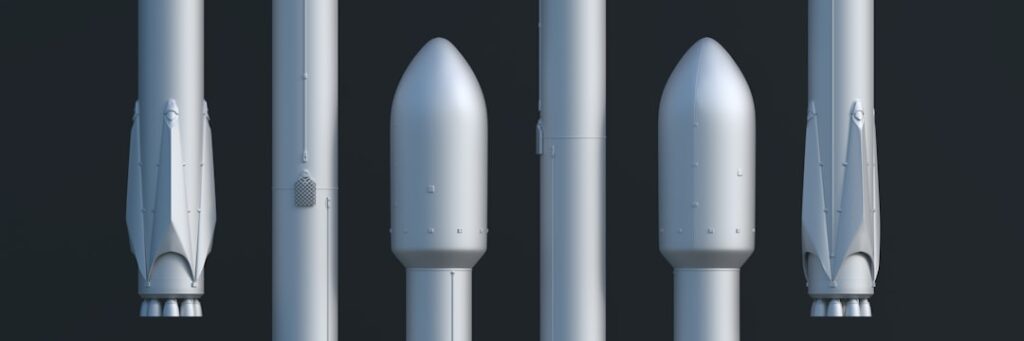
Elon Musk was born on June 28, 1971, in Pretoria, South Africa. His early life was marked by a keen interest in technology and entrepreneurship. Growing up in a family that encouraged intellectual curiosity, Musk was exposed to various forms of literature and science from a young age.
His mother, Maye Musk, a model and dietitian, and his father, Errol Musk, an electromechanical engineer, provided an environment that fostered creativity and innovation. By the age of 12, Musk had already developed a video game called Blastar, which he sold for approximately $500. This early venture not only showcased his technical skills but also hinted at his future as a serial entrepreneur.
In pursuit of greater opportunities, Musk moved to Canada at the age of 17 to attend Queen’s University. This decision was partly motivated by his desire to escape the political climate of South Africa and to seek a more favorable environment for his ambitions. After two years at Queen’s, he transferred to the University of Pennsylvania, where he earned dual degrees in physics and economics.
During his time at university, Musk’s entrepreneurial spirit flourished; he co-founded Zip2, a software company that provided business directories and maps for newspapers. The sale of Zip2 in 1999 for nearly $300 million marked the beginning of Musk’s journey as a prominent figure in the tech industry.
Key Takeaways
- Elon Musk was born in South Africa and showed entrepreneurial spirit from a young age, selling a video game he created at 12.
- Musk revolutionized the automotive industry with Tesla Motors, producing electric cars that have redefined the market.
- SpaceX, founded by Musk, has made significant strides in space exploration, including reusable rocket technology and plans for Mars colonization.
- Musk’s visionary leadership is characterized by his ambitious goals, risk-taking, and hands-on approach to problem-solving.
- Despite his successes, Musk has faced challenges and controversies, including legal battles and public scrutiny over his leadership style.
Tesla Motors: Revolutionizing the Automotive Industry
Tesla Motors, founded in 2003, emerged as a game-changer in the automotive sector, primarily due to Musk’s vision of sustainable transportation. Although he joined the company as an investor and chairman of the board in 2004, it was under his leadership that Tesla began to redefine what electric vehicles could be. The launch of the Tesla Roadster in 2008 was a pivotal moment; it was the first highway-legal electric vehicle to use lithium-ion battery cells and boasted an impressive range of over 200 miles on a single charge.
This groundbreaking achievement not only demonstrated the viability of electric vehicles but also challenged the long-standing perception that they were inferior to traditional gasoline-powered cars. Musk’s relentless pursuit of innovation led to the development of subsequent models like the Model S, Model X, and Model 3. Each vehicle was designed with cutting-edge technology and performance capabilities that appealed to a broad audience.
The Model S, for instance, received accolades for its safety features and performance metrics, including acceleration that rivaled some of the fastest sports cars on the market. Tesla’s success can be attributed not only to its advanced engineering but also to Musk’s ability to create a compelling narrative around electric vehicles as a sustainable alternative to fossil fuels. His vision extended beyond just manufacturing cars; he aimed to create an entire ecosystem around renewable energy, including solar products and energy storage solutions.
SpaceX: Pioneering Space Exploration
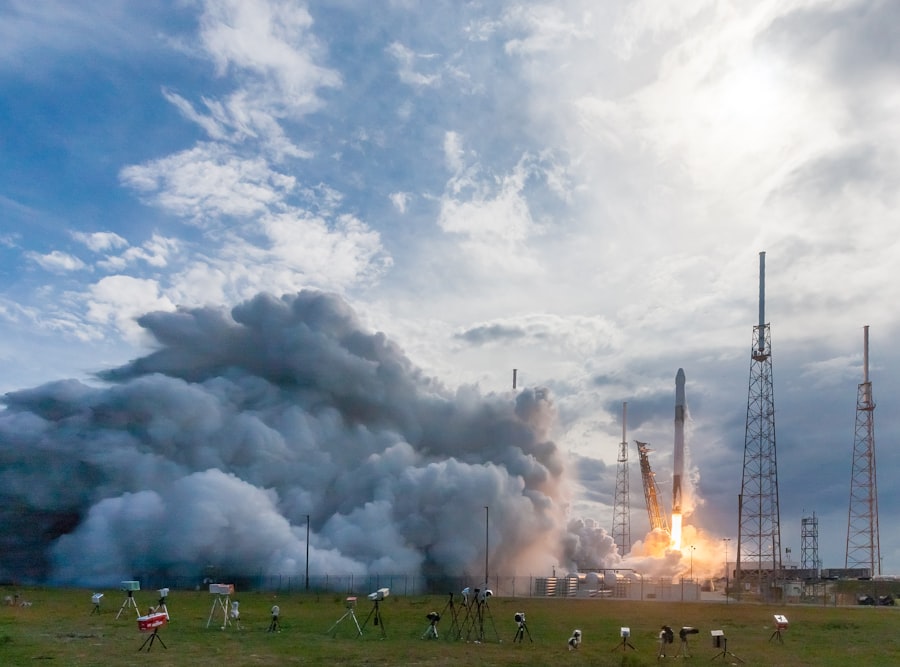
Founded in 2002, SpaceX was another ambitious venture spearheaded by Elon Musk, aimed at reducing space transportation costs and enabling the colonization of Mars. The company’s first significant achievement came in 2008 when its Falcon 1 rocket became the first privately developed liquid-fueled rocket to reach orbit. This milestone not only established SpaceX as a serious player in the aerospace industry but also set the stage for future innovations.
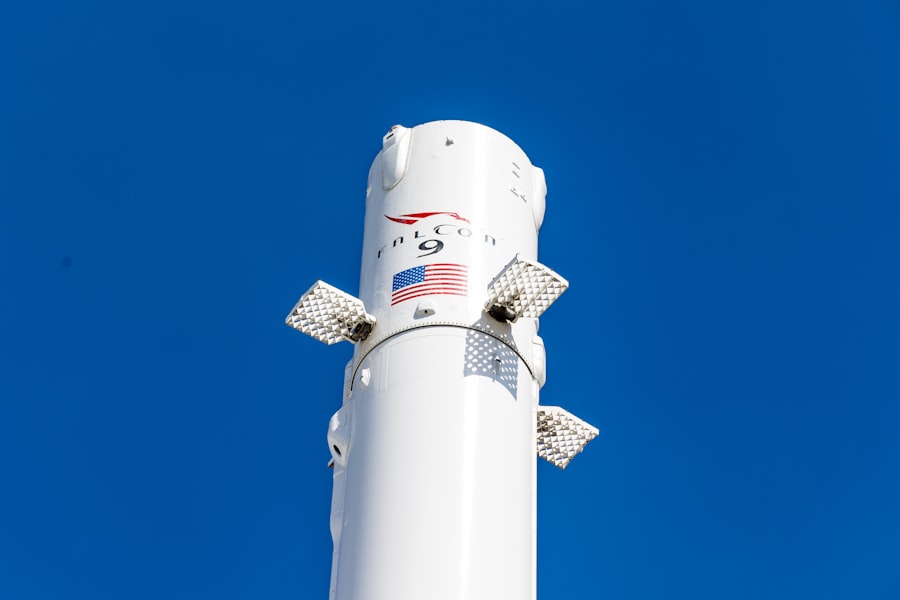
Musk’s vision for SpaceX was not merely about launching satellites or resupplying the International Space Station; it was about making humanity a multi-planetary species. The development of the Falcon 9 rocket and the Dragon spacecraft further solidified SpaceX’s reputation for reliability and cost-effectiveness. The Falcon 9’s reusability marked a significant breakthrough in aerospace engineering; by landing the first stage of the rocket back on Earth after launch, SpaceX drastically reduced the cost of access to space.
This innovation has allowed for more frequent launches and has made space exploration more economically viable. In 2020, SpaceX made history by launching NASA astronauts to the International Space Station aboard the Crew Dragon spacecraft, marking the first crewed launch from U.S. soil since 2011.
The Visionary Leadership of Elon Musk
Elon Musk’s leadership style is characterized by an intense focus on innovation and an unwavering commitment to his vision. He is known for setting ambitious goals and pushing his teams to achieve them, often working long hours alongside his employees. This hands-on approach has fostered a culture of creativity and urgency within his companies.
Musk’s ability to articulate a clear vision—whether it be transitioning the world to sustainable energy or making life multi-planetary—has inspired countless individuals to rally behind his causes. However, Musk’s leadership is not without its challenges. His high expectations can lead to intense pressure on employees, resulting in a demanding work environment that some have criticized as unsustainable.
His willingness to take risks and embrace failure as part of the innovation process has led to groundbreaking advancements in both automotive and aerospace industries. Musk’s unique blend of technical expertise, business acumen, and visionary thinking has positioned him as one of the most influential leaders of our time.
Challenges and Controversies
Despite his numerous successes, Elon Musk has faced significant challenges and controversies throughout his career. One notable instance occurred in 2018 when he tweeted about taking Tesla private at $420 per share, claiming he had secured funding for such a move. This tweet led to an investigation by the Securities and Exchange Commission (SEC), which ultimately resulted in Musk stepping down as Tesla’s chairman for three years and paying a $20 million fine.
The incident raised questions about Musk’s communication style and its implications for corporate governance.
His tweets have sparked debates on various topics ranging from COVID-19 responses to labor practices at Tesla factories.
Critics argue that his impulsive statements can lead to market volatility and misinformation. Furthermore, labor unions have raised concerns about working conditions at Tesla’s factories, alleging that employees face pressure not to unionize while working long hours under demanding conditions. These controversies highlight the complexities of Musk’s public persona and the challenges that come with being a high-profile entrepreneur.
The Quest for a Sustainable Future
Elon Musk’s commitment to sustainability is evident in both Tesla and SolarCity (now part of Tesla). His vision extends beyond electric vehicles; he aims to create a comprehensive ecosystem that promotes renewable energy sources. The introduction of solar products such as solar panels and solar roofs reflects this ambition.
By integrating solar energy generation with electric vehicle charging solutions, Musk envisions a future where homes can be self-sufficient in energy production. Musk has also been vocal about climate change and its potential catastrophic effects on humanity. He has advocated for policies that support renewable energy adoption and has invested heavily in technologies that aim to reduce carbon emissions.
The development of battery storage systems through Tesla’s Powerwall product is another step toward achieving a sustainable future. These systems allow homeowners to store solar energy for use during peak demand times or outages, further promoting energy independence.
Personal Life and Philanthropic Efforts
Elon Musk’s personal life has often been as publicized as his professional endeavors. He has been married multiple times and has several children, some of whom have unique names that have garnered media attention. Despite his busy schedule, Musk has expressed a desire to be involved in his children’s lives and often shares glimpses of his family life on social media.
In addition to his business ventures, Musk is also known for his philanthropic efforts. He established the Musk Foundation, which focuses on renewable energy research, human space exploration research, pediatric research, and science education initiatives. In recent years, he has pledged significant amounts toward various causes aimed at combating climate change and supporting education initiatives worldwide.
His philanthropic efforts reflect a commitment not only to technological advancement but also to addressing some of society’s most pressing challenges.
The Impact of Elon Musk’s Innovations on the World
Elon Musk’s innovations have had far-reaching effects across multiple industries and have fundamentally altered public perceptions of technology’s role in society. Tesla’s success has accelerated the automotive industry’s shift toward electric vehicles, prompting traditional automakers to invest heavily in electric technology. This shift is crucial in addressing climate change by reducing reliance on fossil fuels.
SpaceX’s achievements have reinvigorated interest in space exploration and have opened up new possibilities for commercial space travel. The company’s advancements have inspired other private enterprises to enter the aerospace sector, fostering competition that could lead to further innovations in space technology. Musk’s influence extends beyond just technological advancements; he has become a cultural icon representing innovation and ambition.
His ability to envision a future where humanity thrives on sustainable energy and explores other planets resonates with many people around the globe. As society grapples with complex challenges such as climate change and resource scarcity, Musk’s work serves as both inspiration and a call to action for future generations to pursue bold ideas that can reshape our world for the better.
If you’re interested in learning more about Elon Musk and his ambitious ventures, you should check out the book “Elon Musk: Tesla, SpaceX, and the Quest for a Fantastic Future” by Ashlee Vance. This biography delves into the life and career of the visionary entrepreneur, providing insights into his groundbreaking work with Tesla and SpaceX. For more fascinating reads on technology and innovation, visit hellread.com.
FAQs
What is the book “Elon Musk: Tesla, SpaceX, and the Quest for a Fantastic Future” about?
The book “Elon Musk: Tesla, SpaceX, and the Quest for a Fantastic Future” by Ashlee Vance is a biography of Elon Musk, the entrepreneur and CEO of Tesla, SpaceX, and other companies. It provides an in-depth look at Musk’s life, career, and vision for the future.
Who is the author of “Elon Musk: Tesla, SpaceX, and the Quest for a Fantastic Future”?
The author of “Elon Musk: Tesla, SpaceX, and the Quest for a Fantastic Future” is Ashlee Vance, a technology reporter for Bloomberg Businessweek.
What are some of the key topics covered in the book?
The book covers Elon Musk’s early life, his founding of companies like Zip2, PayPal, Tesla, and SpaceX, as well as his vision for the future of space exploration, renewable energy, and transportation.
Is the book based on interviews with Elon Musk?
Yes, the author conducted numerous interviews with Elon Musk, as well as with Musk’s family members, friends, and colleagues, to provide a comprehensive and balanced portrayal of Musk’s life and work.
What is the overall reception of the book?
The book has received generally positive reviews, with many praising its thorough research and engaging storytelling. It has been lauded for providing insight into Musk’s personality, drive, and ambitious goals.




