
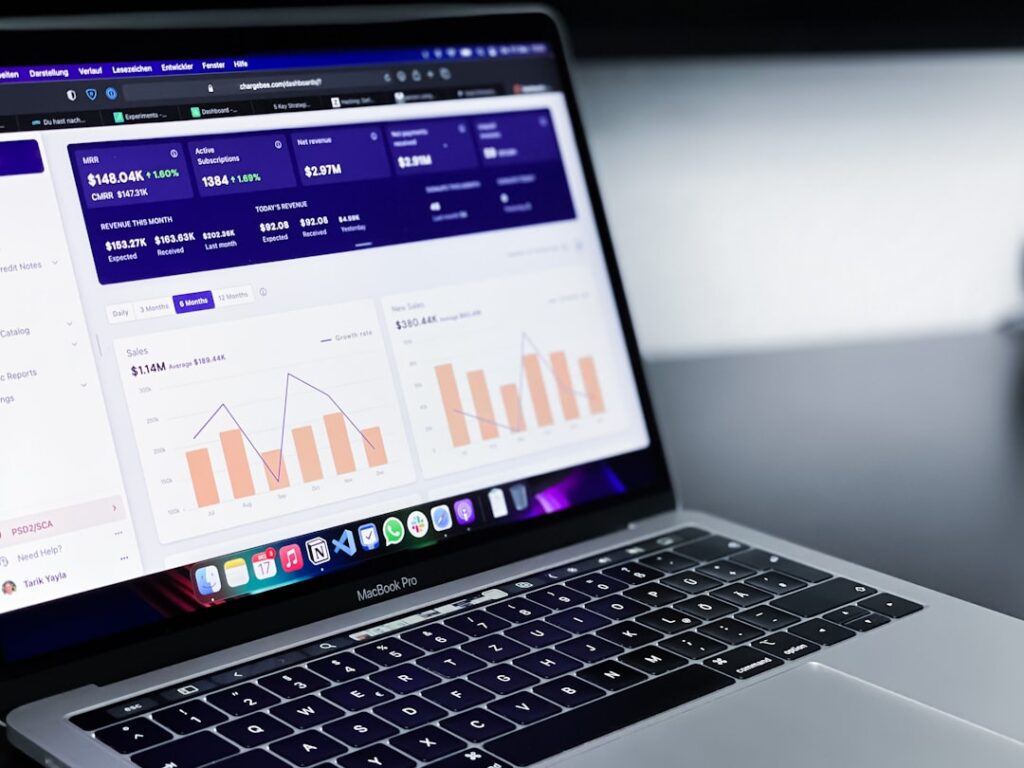
In the contemporary business landscape, the role of Information Technology (IT) has transcended its traditional boundaries, evolving into a critical driver of value creation and competitive advantage. Organizations today are increasingly recognizing that IT is not merely a support function but a strategic asset that can significantly influence operational efficiency, customer engagement, and overall business performance. The integration of advanced technologies such as cloud computing, artificial intelligence, and big data analytics has transformed how businesses operate, enabling them to respond swiftly to market changes and customer demands.
This shift underscores the necessity for organizations to understand and harness the business value of IT effectively. The business value of IT can be observed in various dimensions, including cost reduction, enhanced productivity, improved decision-making, and innovation facilitation. For instance, companies that leverage IT solutions can automate routine tasks, thereby freeing up human resources for more strategic initiatives.
Moreover, data-driven insights derived from IT systems empower organizations to make informed decisions that align with their strategic objectives. As businesses continue to navigate an increasingly digital world, the imperative to recognize and maximize the value of IT becomes ever more pronounced.
Key Takeaways
- IT plays a crucial role in creating business value by enabling efficiency, innovation, and competitive advantage.
- Strategic perspective of IT involves aligning IT initiatives with overall business goals and objectives to drive long-term success.
- Leveraging IT for competitive advantage involves using technology to differentiate and gain an edge in the market.
- Measuring the business value of IT investments is essential for evaluating the impact of technology on business performance.
- Managing IT risks and security is crucial for protecting business value and ensuring continuity of operations.
Understanding the Strategic Perspective of IT in Business
To fully appreciate the business value of IT, it is essential to adopt a strategic perspective that views technology as an integral component of the overall business strategy. This perspective involves understanding how IT can support and enhance business objectives rather than viewing it solely as a cost center. For example, a retail company might implement an advanced inventory management system that not only streamlines operations but also provides real-time data analytics to optimize stock levels and reduce waste.
By aligning IT initiatives with business goals, organizations can ensure that technology investments yield tangible benefits. Furthermore, a strategic approach to IT involves recognizing the interdependencies between technology and other business functions. For instance, marketing teams can leverage customer relationship management (CRM) systems to gain insights into consumer behavior, enabling them to tailor marketing campaigns more effectively.
By embedding IT into the fabric of the organization’s strategic planning process, businesses can unlock new opportunities for growth and innovation.
Leveraging IT for Competitive Advantage

In an era characterized by rapid technological advancements and shifting consumer expectations, leveraging IT for competitive advantage has become paramount for businesses seeking to differentiate themselves in the marketplace. Organizations that effectively utilize technology can enhance their operational capabilities, improve customer experiences, and innovate their product offerings. For instance, companies like Amazon have harnessed sophisticated algorithms and machine learning to personalize shopping experiences, thereby increasing customer loyalty and driving sales.
Moreover, leveraging IT extends beyond customer-facing applications; it also encompasses internal processes that can lead to significant efficiency gains. For example, manufacturers employing IoT (Internet of Things) devices can monitor equipment performance in real-time, allowing for predictive maintenance that minimizes downtime and reduces operational costs. By adopting such technologies, businesses not only improve their bottom line but also position themselves as leaders in their respective industries.
The ability to adapt quickly to market changes through agile IT solutions further solidifies an organization’s competitive edge.
Aligning IT with Business Goals and Objectives
The alignment of IT with business goals and objectives is crucial for maximizing the value derived from technology investments. This alignment ensures that IT initiatives are not pursued in isolation but are instead integrated into the broader organizational strategy. To achieve this alignment, businesses must engage in continuous dialogue between IT leaders and executive management to identify key priorities and areas where technology can drive value.
For instance, if a company’s goal is to enhance customer satisfaction, investing in a robust customer service platform that integrates AI-driven chatbots could be a strategic move. Additionally, establishing clear metrics for success is essential in aligning IT with business objectives. Organizations should define key performance indicators (KPIs) that reflect both IT performance and its impact on business outcomes.
For example, a company might track metrics such as system uptime, user satisfaction scores, and the return on investment (ROI) from specific IT projects. By regularly reviewing these metrics, businesses can ensure that their IT strategies remain aligned with evolving business goals and can make necessary adjustments to stay on course.
Measuring the Business Value of IT Investments
Measuring the business value of IT investments is a complex yet vital task that requires a multifaceted approach. Traditional financial metrics such as ROI and total cost of ownership (TCO) provide valuable insights but may not capture the full spectrum of benefits derived from technology initiatives. For instance, while a new software implementation may incur significant upfront costs, its long-term benefits—such as increased productivity and enhanced customer satisfaction—may far outweigh these initial expenditures.
To gain a comprehensive understanding of IT’s value, organizations should adopt a balanced scorecard approach that incorporates both quantitative and qualitative measures. Quantitative metrics might include revenue growth attributable to new technology or cost savings from process automation. In contrast, qualitative measures could encompass employee engagement levels or customer feedback on new digital services.
By combining these diverse metrics, businesses can develop a more holistic view of how their IT investments contribute to overall success.
Managing IT Risks and Security for Business Value
Understanding the Consequences of Cybersecurity Threats
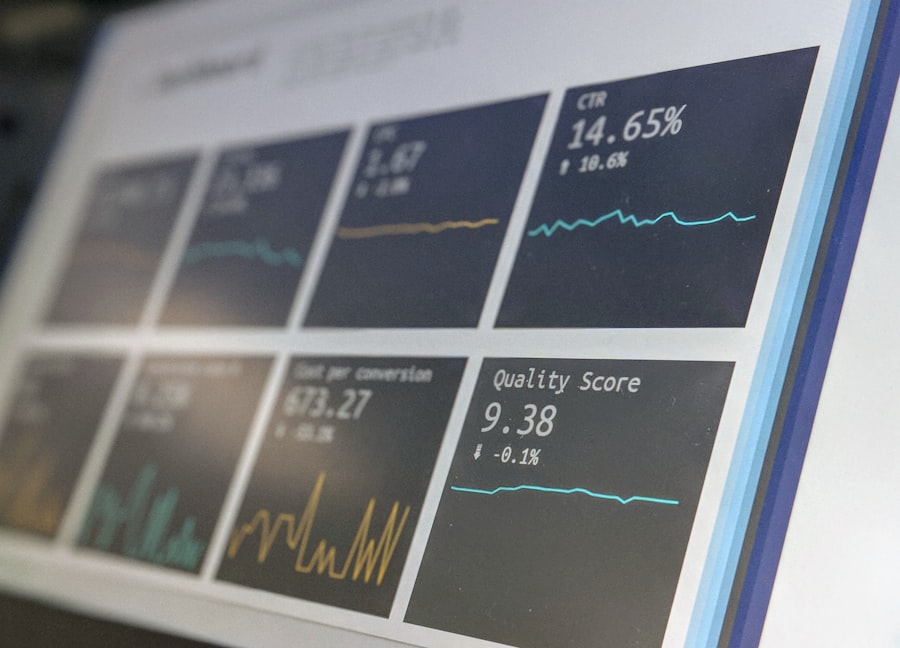
As organizations increasingly rely on technology to drive business value, managing IT risks and security becomes paramount. Cybersecurity threats pose significant challenges that can undermine the benefits derived from technology investments. A single data breach can result in substantial financial losses, reputational damage, and legal repercussions.
Moreover, risk management should extend beyond cybersecurity to encompass other areas such as compliance with regulations and operational risks associated with technology failures. For example, financial institutions must adhere to stringent regulatory requirements regarding data protection and privacy.
Enhancing Credibility through Effective Risk Management
By investing in compliance management systems and conducting regular audits, organizations can mitigate risks while ensuring they remain aligned with industry standards. Ultimately, effective risk management not only protects the organization but also enhances its credibility and trustworthiness in the eyes of customers and stakeholders.
Building a Culture of Innovation and Adaptability through IT
Fostering a culture of innovation and adaptability is essential for organizations seeking to thrive in an ever-changing business environment. Information technology plays a pivotal role in this endeavor by providing tools and platforms that encourage creativity and collaboration among employees. For instance, cloud-based collaboration tools enable teams to work together seamlessly regardless of geographical barriers, facilitating knowledge sharing and idea generation.
Additionally, organizations should encourage experimentation by providing employees with access to emerging technologies such as artificial intelligence or blockchain. By creating an environment where employees feel empowered to explore new ideas without fear of failure, businesses can cultivate a culture that embraces change and innovation. Companies like Google exemplify this approach by allowing employees to dedicate a portion of their work time to pursue personal projects that could benefit the organization.
This not only drives innovation but also enhances employee satisfaction and retention.
Maximizing the Business Value of IT for Long-Term Success
In conclusion, maximizing the business value of IT is not merely about implementing cutting-edge technologies; it requires a strategic mindset that aligns technology initiatives with overarching business goals. Organizations must recognize the transformative potential of IT as a catalyst for innovation, efficiency, and competitive advantage. By fostering collaboration between IT and other departments, measuring the impact of technology investments comprehensively, managing risks effectively, and cultivating a culture of adaptability, businesses can position themselves for long-term success in an increasingly digital world.
As companies continue to navigate the complexities of modern markets, those that prioritize the strategic integration of IT into their core operations will be better equipped to respond to challenges and seize opportunities. The journey toward maximizing the business value of IT is ongoing; it demands continuous evaluation and adaptation as technologies evolve and market dynamics shift. Ultimately, organizations that embrace this journey will not only enhance their operational capabilities but also secure their place as leaders in their respective industries.
If you are interested in exploring more about the intersection of business and technology, you may want to check out the article “Hello World” on Hellread.com. This article delves into the importance of technology in our modern world and how it is shaping the way we do business. It provides valuable insights into the role of IT in driving business value and offers a strategic perspective similar to Ramesh Behl’s article. You can read the article here.
FAQs
What is the business value of IT?
The business value of IT refers to the benefits and advantages that information technology brings to an organization in terms of improving efficiency, productivity, decision-making, and overall performance.
How does IT provide strategic value to a business?
IT provides strategic value to a business by enabling innovation, improving customer experience, streamlining operations, and creating new revenue streams. It also helps in gaining a competitive advantage and adapting to changing market conditions.
What are some examples of IT providing business value?
Examples of IT providing business value include the implementation of customer relationship management (CRM) systems, enterprise resource planning (ERP) systems, data analytics tools, and e-commerce platforms. These technologies help businesses improve customer service, optimize processes, and make data-driven decisions.
How can businesses measure the business value of IT?
Businesses can measure the business value of IT by assessing key performance indicators (KPIs) such as return on investment (ROI), cost savings, revenue growth, customer satisfaction, and employee productivity. They can also conduct regular assessments and surveys to gauge the impact of IT on various aspects of the business.
What are the challenges in realizing the business value of IT?
Challenges in realizing the business value of IT include aligning IT initiatives with business goals, managing IT costs, ensuring data security and privacy, and overcoming resistance to change within the organization. It also involves keeping up with technological advancements and industry trends.




