

“Blue Highways,” a term coined by author William Least Heat-Moon, refers to the lesser-known roads that meander through the American landscape, often depicted in blue on maps. This concept serves as the foundation for his 1982 travel memoir, which chronicles his journey across the United States in a van named Ghost Dancing. The book is not merely a travelogue; it is a profound exploration of the American spirit, culture, and the intricate tapestry of human experiences that define the nation.
Least Heat-Moon’s narrative invites readers to step off the beaten path and embrace the beauty of the ordinary, revealing the hidden gems that lie beyond the interstates and major highways. The journey undertaken in “Blue Highways” is both literal and metaphorical. It represents a quest for self-discovery, a search for meaning in a world that often prioritizes speed and efficiency over connection and reflection.
As Least Heat-Moon traverses small towns and rural landscapes, he encounters a diverse array of individuals whose stories enrich his understanding of America. The book resonates with anyone who has felt the pull of the open road, the desire to explore not just new places but also new perspectives. Through his vivid descriptions and thoughtful reflections, Least Heat-Moon captures the essence of what it means to wander, to seek, and ultimately, to find.
Key Takeaways
- Blue Highways is a travel memoir by William Least Heat-Moon, exploring the backroads of America and the people he encounters along the way.
- The journey follows a circular route, covering 13,000 miles and taking the author through small towns and rural areas, providing a unique perspective on American culture.
- Themes of freedom, self-discovery, and the search for authenticity are prevalent throughout the book, as the author reflects on his own life and the lives of the people he meets.
- The characters and encounters in Blue Highways offer a diverse and colorful portrayal of American society, showcasing the unique stories and perspectives of individuals from different backgrounds.
- Blue Highways provides cultural and historical insights into the regions and communities the author visits, shedding light on the rich tapestry of American history and heritage.
The Journey and Route of Blue Highways
William Least Heat-Moon’s journey begins in the early 1980s when he decides to leave behind the conventional trappings of life and embark on an adventure across America. His route is meticulously planned yet flexible, allowing for spontaneous detours that lead him to unexpected encounters and experiences. The journey takes him through a myriad of landscapes, from the rolling hills of Appalachia to the vast plains of the Midwest, each region offering its own unique charm and character.
The blue highways serve as a metaphor for the less-traveled paths in life, emphasizing the importance of exploration and discovery.
He reflects on the significance of place and how it shapes identity, both personally and collectively.
For instance, his visit to a small diner in Missouri becomes a moment of connection with locals who share their lives and dreams over cups of coffee. These interactions highlight the richness of human experience found in everyday moments, reinforcing the idea that true understanding comes from engaging with people and places on a deeper level.
Themes and Motifs in Blue Highways
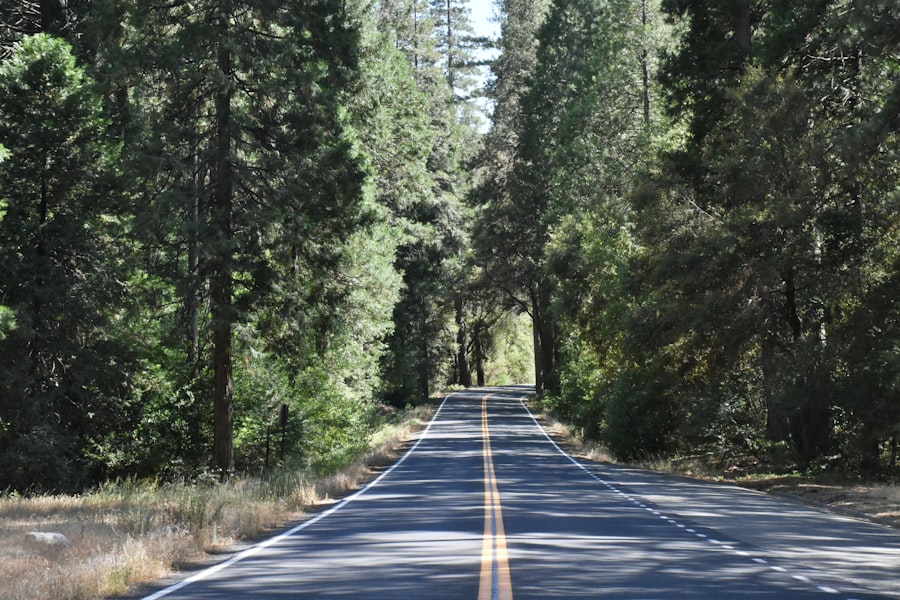
“Blue Highways” is rich with themes that resonate throughout Least Heat-Moon’s narrative. One prominent theme is the search for authenticity in a world increasingly dominated by commercialism and uniformity. As he travels through small towns, he encounters individuals who embody a sense of genuine living, often rooted in tradition and community.
These encounters serve as a counterpoint to the fast-paced lifestyle prevalent in urban centers, prompting readers to reflect on what it means to live authentically. Another significant motif is the concept of home and belonging. Throughout his journey, Least Heat-Moon grapples with his own sense of identity and place within the broader American landscape.
He reflects on his Native American heritage and how it informs his understanding of home. The towns he visits often evoke feelings of nostalgia and longing, as they remind him of simpler times and connections to family. This exploration of home extends beyond physical locations; it encompasses emotional ties and shared experiences that shape who we are.
Characters and Encounters in Blue Highways
The characters that populate “Blue Highways” are as diverse as the landscapes Least Heat-Moon traverses. Each encounter adds depth to his narrative, illustrating the complexity of human experience. From eccentric artists to hardworking farmers, these individuals offer insights into their lives, dreams, and struggles.
For example, he meets a retired schoolteacher who shares stories about her students and her passion for education, revealing how one person’s dedication can impact an entire community. These interactions often transcend mere conversation; they become moments of connection that illuminate shared humanity. Least Heat-Moon’s ability to listen and engage with those he meets fosters an atmosphere of trust and openness.
He captures their stories with sensitivity, allowing readers to glimpse into their worlds. This emphasis on personal narratives underscores the idea that every person has a story worth telling, contributing to a collective understanding of what it means to be American.
Cultural and Historical Insights in Blue Highways
“Blue Highways” serves as a lens through which readers can gain cultural and historical insights into America’s diverse regions. As Least Heat-Moon travels through various states, he delves into local histories that often go unnoticed in mainstream narratives. He explores how historical events have shaped communities, from Native American heritage to the impact of industrialization on small towns.
This exploration provides context for understanding contemporary issues facing these regions. For instance, his journey through Appalachia reveals the complexities of life in a region often stereotyped as impoverished or backward. By engaging with locals, he uncovers stories of resilience, creativity, and community spirit that challenge these preconceived notions.
He highlights how cultural traditions—such as music, storytelling, and craftsmanship—serve as vital threads that connect individuals to their heritage and each other. Through these insights, Least Heat-Moon encourages readers to appreciate the rich tapestry of American culture while recognizing the historical forces that have shaped it.
Literary Style and Techniques in Blue Highways
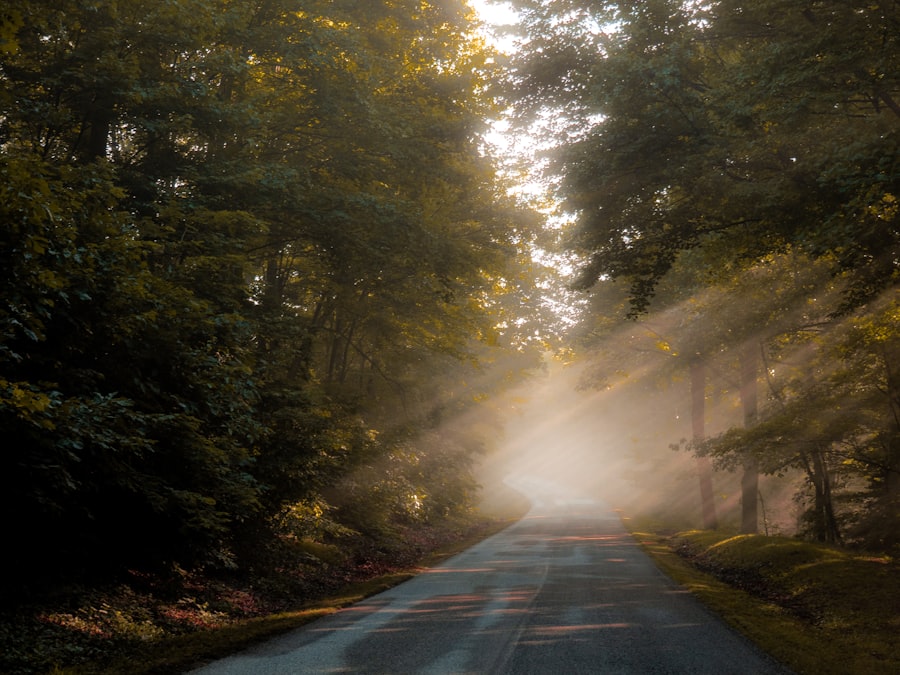
William Least Heat-Moon’s literary style in “Blue Highways” is characterized by its lyrical prose and keen observational detail. His writing is imbued with a sense of wonder and curiosity that invites readers to see the world through his eyes. He employs vivid imagery to paint landscapes and evoke emotions, allowing readers to feel as though they are traveling alongside him.
For example, his descriptions of sunsets over vast plains or quiet moments by a river resonate with a poetic quality that elevates the narrative beyond mere travel writing. In addition to his descriptive prowess, Least Heat-Moon utilizes various literary techniques to enhance his storytelling. He weaves together personal anecdotes with historical context, creating a rich tapestry that intertwines individual experiences with broader cultural themes.
His use of dialogue captures the voices of those he meets, bringing their stories to life while adding authenticity to his narrative. This blend of personal reflection and cultural commentary creates a multifaceted reading experience that resonates on multiple levels.
Impact and Legacy of Blue Highways
The impact of “Blue Highways” extends far beyond its initial publication; it has become a seminal work in American literature and travel writing. The book has inspired countless readers to embark on their own journeys of exploration, encouraging them to seek out the hidden corners of America often overlooked by mainstream tourism. Its emphasis on authenticity and connection has resonated with those yearning for deeper experiences in an increasingly fast-paced world.
Moreover, “Blue Highways” has influenced subsequent generations of writers and travelers who seek to capture the essence of place through personal narratives. The book’s legacy can be seen in contemporary travel literature that prioritizes meaningful encounters over superficial sightseeing. It has also contributed to a growing appreciation for slow travel—a movement that encourages individuals to immerse themselves in local cultures rather than rushing through destinations.
Least Heat-Moon’s work serves as a reminder that the journey itself can be as enriching as the destination.
Conclusion and Reflections on Blue Highways
In reflecting on “Blue Highways,” one cannot help but appreciate its profound exploration of America’s landscapes—both physical and emotional. William Least Heat-Moon’s journey is not just about traversing roads; it is about forging connections with people and places that shape our understanding of identity and belonging. His ability to capture the essence of small-town life and the richness of human experience invites readers to reconsider their own journeys through life.
The book stands as a testament to the power of storytelling in bridging divides and fostering empathy among diverse communities. As readers navigate through its pages, they are encouraged to embrace their own adventures—whether on blue highways or within their local neighborhoods—reminded that every road taken holds potential for discovery and connection. In an age where speed often trumps substance, “Blue Highways” serves as an enduring call to slow down, engage deeply with our surroundings, and appreciate the beauty found in both the journey and its myriad encounters.
If you enjoyed reading Blue Highways by William Least Heat-Moon, you may also be interested in checking out this article on Hellread titled


