

Human security is a multifaceted concept that transcends traditional notions of security, which often focus primarily on state sovereignty and military defense. It encompasses the protection of individuals and communities from a wide array of threats, including poverty, disease, environmental degradation, and violence. The United Nations Development Programme (UNDP) has been instrumental in shaping the discourse around human security, particularly with its 1994 Human Development Report, which emphasized that security should be viewed through the lens of human well-being rather than merely state-centric concerns.
This shift in perspective highlights the importance of addressing the root causes of insecurity, such as inequality and social injustice, rather than solely responding to symptoms. At its core, human security is about ensuring that individuals can live free from fear and want. This involves not only safeguarding physical safety but also promoting economic stability, social equity, and environmental sustainability.
By focusing on the individual rather than the state, human security advocates for a more holistic approach to addressing global challenges, emphasizing the need for collaborative solutions that engage multiple stakeholders, including governments, civil society, and international organizations.
Key Takeaways
- Human security encompasses the protection of individuals from various threats, including economic, environmental, and political challenges.
- Human security plays a crucial role in shaping global politics and international relations, as it focuses on the well-being and safety of individuals rather than just state security.
- Challenges to human security include poverty, inequality, armed conflict, and environmental degradation, which can have far-reaching impacts on individuals and communities.
- The intersection of human security and international relations highlights the need for a more holistic approach to addressing global challenges and promoting human well-being.
- Strategies for promoting human security include conflict resolution, poverty alleviation, environmental protection, and the protection of human rights, among others.
The Role of Human Security in World Affairs
Human security plays a pivotal role in shaping international relations and global governance. As the world becomes increasingly interconnected, the implications of human security extend beyond national borders. Issues such as climate change, migration, and pandemics are inherently transnational and require cooperative responses that prioritize human welfare.
For instance, the COVID-19 pandemic underscored the fragility of global health systems and highlighted the necessity of prioritizing human security in public health policies. Countries that invested in robust healthcare infrastructure and equitable access to medical resources were better equipped to handle the crisis, demonstrating that human security is not just a moral imperative but also a practical necessity for global stability. Moreover, human security influences diplomatic relations and international cooperation.
Nations that prioritize human rights and social justice are often viewed more favorably on the global stage, fostering alliances based on shared values. For example, the European Union has integrated human rights considerations into its foreign policy framework, promoting democracy and social equity as essential components of its relationships with non-member states. This approach not only enhances the EU’s soft power but also contributes to a more stable international order by encouraging countries to adopt policies that protect their citizens’ rights and well-being.
Challenges to Human Security
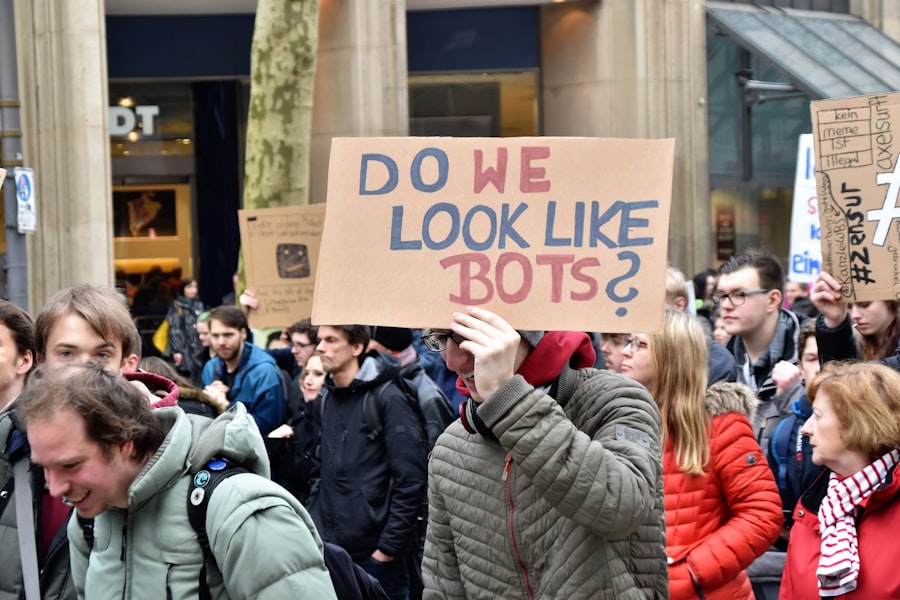
Despite its importance, human security faces numerous challenges that complicate its implementation in global affairs. One significant obstacle is the persistence of armed conflict and violence in various regions around the world. Ongoing wars and civil strife not only threaten lives but also disrupt essential services such as education and healthcare, exacerbating poverty and inequality.
For instance, in countries like Syria and Yemen, protracted conflicts have led to humanitarian crises that undermine efforts to achieve human security. The international community often struggles to respond effectively to these situations due to geopolitical interests and the complexities of intervention. Another challenge is the growing impact of climate change on human security.
Environmental degradation poses a direct threat to livelihoods, particularly in vulnerable communities that rely on natural resources for their survival. Rising sea levels, extreme weather events, and resource scarcity can lead to displacement and conflict over dwindling resources. The Intergovernmental Panel on Climate Change (IPCC) has warned that without significant action to mitigate climate change, millions of people could face increased food insecurity and health risks.
Addressing these environmental challenges requires a concerted effort from governments, businesses, and civil society to implement sustainable practices and policies that prioritize human well-being.
The Intersection of Human Security and International Relations
The intersection of human security and international relations is increasingly evident as global challenges demand collaborative solutions. Traditional diplomatic approaches often fall short in addressing complex issues that affect individuals’ lives directly. For example, migration has become a pressing concern for many countries, with millions fleeing conflict, persecution, or environmental disasters.
Human security frameworks advocate for a rights-based approach to migration that recognizes the dignity of individuals seeking safety and opportunity. This perspective encourages nations to work together to create safe pathways for migrants while addressing the root causes of displacement. Furthermore, international organizations play a crucial role in promoting human security within the context of global governance.
The United Nations has established various initiatives aimed at enhancing human security through peacebuilding efforts, humanitarian assistance, and development programs. The Sustainable Development Goals (SDGs), adopted by UN member states in 2015, reflect a commitment to addressing the interconnected challenges of poverty, inequality, and environmental sustainability. By aligning national policies with these global goals, countries can contribute to a more secure world while fostering cooperation among nations.
Strategies for Promoting Human Security
Promoting human security requires a multifaceted approach that encompasses various strategies tailored to specific contexts. One effective strategy is the integration of human rights into national policies and practices. Governments can establish legal frameworks that protect individuals’ rights and ensure access to essential services such as education, healthcare, and social protection.
For instance, countries like Norway have implemented comprehensive welfare systems that prioritize citizens’ well-being, resulting in high levels of social cohesion and stability. Another critical strategy involves fostering community resilience through local empowerment initiatives. Engaging communities in decision-making processes allows individuals to identify their own needs and develop solutions that are culturally relevant and sustainable.
Programs that promote education, vocational training, and economic opportunities can enhance community resilience by reducing vulnerability to external shocks. For example, microfinance initiatives in Bangladesh have empowered women by providing them with access to capital, enabling them to start businesses and improve their families’ living conditions.
Case Studies in Human Security
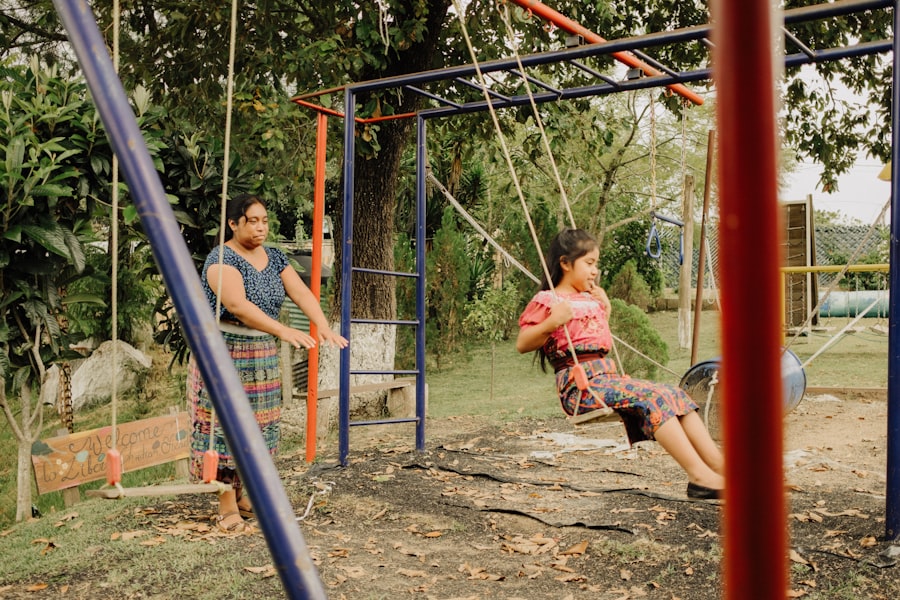
Examining specific case studies can provide valuable insights into the practical application of human security principles. One notable example is the post-conflict reconstruction efforts in Rwanda following the 1994 genocide. The Rwandan government prioritized human security by focusing on reconciliation and social cohesion through community-based initiatives.
Programs aimed at promoting gender equality and empowering women played a crucial role in rebuilding society after the trauma of conflict. By addressing the underlying issues of inequality and fostering inclusive governance, Rwanda has made significant strides toward achieving human security. Another illustrative case is the response to the Syrian refugee crisis.
Neighboring countries like Jordan and Lebanon have faced immense challenges in accommodating millions of refugees fleeing violence in Syria. Humanitarian organizations have worked tirelessly to provide essential services such as healthcare, education, and shelter for displaced populations. However, these efforts have also highlighted the need for international cooperation in addressing large-scale displacement.
The Global Compact on Refugees adopted by the United Nations in 2018 emphasizes shared responsibility among nations to support host countries while ensuring refugees’ rights are upheld.
The Future of Human Security in Global Politics
As global dynamics continue to evolve, the future of human security will likely be shaped by emerging challenges such as technological advancements and shifting geopolitical landscapes. The rise of digital technology presents both opportunities and threats to human security. On one hand, technology can enhance access to information and services; on the other hand, it can exacerbate inequalities and create new vulnerabilities.
Cybersecurity threats pose significant risks to individuals’ privacy and safety, necessitating robust frameworks to protect citizens in an increasingly digital world. Additionally, geopolitical tensions may impact international cooperation on human security issues. As nations grapple with competing interests and power dynamics, there is a risk that human security concerns may be sidelined in favor of nationalistic agendas.
However, fostering dialogue and collaboration among nations will be essential for addressing shared challenges such as climate change, health crises, and migration. The future of human security will depend on the ability of governments and international organizations to prioritize collective well-being over narrow interests.
The Importance of Human Security in World Affairs
Human security is an essential framework for understanding contemporary global challenges and fostering a more just world order. By prioritizing individual well-being over state-centric concerns, policymakers can address the root causes of insecurity while promoting social equity and environmental sustainability. As we navigate an increasingly complex international landscape marked by interconnected threats, embracing a human security approach will be crucial for building resilient societies capable of withstanding adversity.
The importance of human security extends beyond moral imperatives; it is a practical necessity for achieving lasting peace and stability in world affairs. By investing in strategies that promote human rights, community resilience, and international cooperation, we can create a more secure future for all individuals regardless of their circumstances or backgrounds. In an era where global challenges demand collective action, prioritizing human security will be vital for fostering a world where everyone can thrive free from fear and want.
In a related article on hellread.com, the concept of human security in world affairs is further explored through the lens of global governance and international cooperation. The article delves into the challenges faced by nations in ensuring the safety and well-being of their citizens in an increasingly interconnected world. It also discusses the role of non-state actors and the importance of addressing root causes of insecurity to achieve lasting peace and stability. This article provides valuable insights into the complexities of human security and the need for collaborative efforts to address these issues effectively.
FAQs
What is human security?
Human security refers to the protection of individuals and communities from various threats, including violence, poverty, disease, and environmental degradation. It emphasizes the well-being and dignity of people, and encompasses a wide range of issues such as economic security, food security, health security, environmental security, personal security, community security, and political security.
What are the key components of human security?
The key components of human security include economic security, food security, health security, environmental security, personal security, community security, and political security. These components are interconnected and contribute to the overall well-being and safety of individuals and communities.
How does human security differ from traditional security concepts?
Human security differs from traditional security concepts, such as national security and military security, by focusing on the protection and empowerment of individuals and communities rather than the protection of states. It emphasizes the importance of addressing non-traditional security threats, such as poverty, disease, and environmental degradation, in addition to traditional security threats.
What are some examples of human security challenges in world affairs?
Some examples of human security challenges in world affairs include poverty, inequality, armed conflict, terrorism, climate change, natural disasters, infectious diseases, and human rights violations. These challenges have a significant impact on the well-being and safety of individuals and communities around the world.
How can human security be promoted in world affairs?
Human security can be promoted in world affairs through various means, including poverty reduction, conflict prevention and resolution, humanitarian assistance, environmental protection, public health initiatives, human rights advocacy, and international cooperation. It requires a comprehensive and multi-disciplinary approach that addresses the interconnected nature of human security challenges.




