
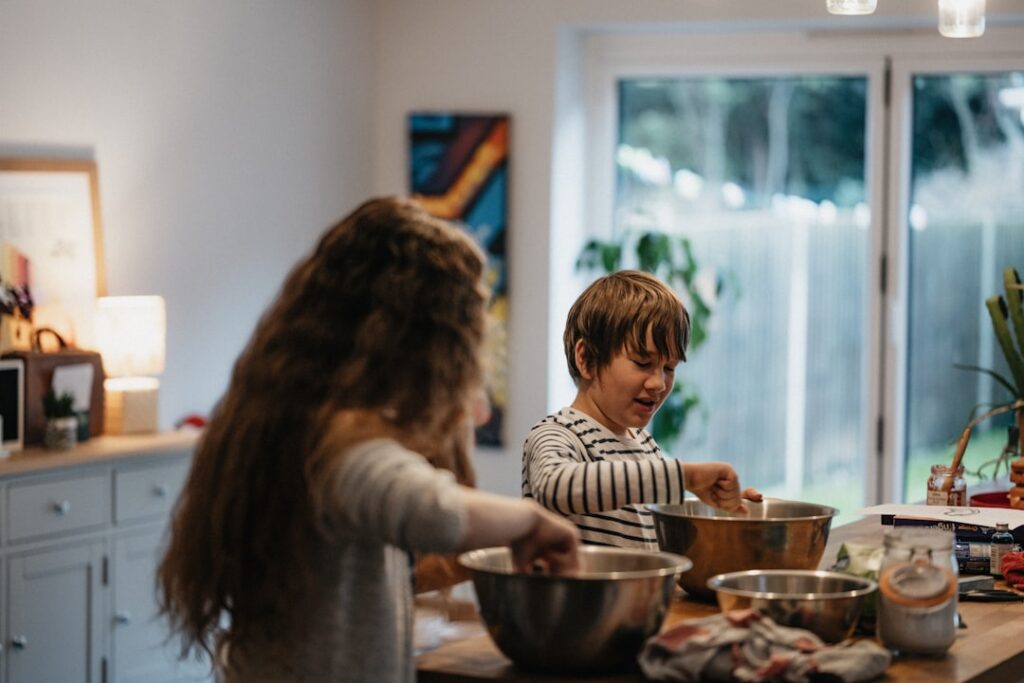
The concept of a cancer-fighting kitchen transcends mere culinary practices; it embodies a holistic approach to health and well-being, particularly for those navigating the complexities of cancer treatment and recovery. The kitchen becomes a sanctuary where nourishing meals are crafted with intention, aiming not only to satisfy hunger but also to bolster the body’s defenses against disease. This idea is rooted in the understanding that food is not just fuel; it is a powerful ally in the fight against cancer.
By focusing on nutrient-dense ingredients and mindful cooking techniques, individuals can create meals that support their health and enhance their quality of life. In recent years, the intersection of nutrition and oncology has gained significant attention, leading to a growing body of research that underscores the importance of diet in cancer prevention and management. The Cancer-Fighting Kitchen is not merely a cookbook; it is a guide that empowers individuals to make informed dietary choices that can potentially influence their health outcomes.
By embracing this philosophy, patients and caregivers can cultivate an environment that promotes healing, resilience, and hope through the power of food.
Key Takeaways
- The Cancer-Fighting Kitchen introduces the concept of using nutrition to support cancer treatment and prevention.
- Understanding the link between nutrition and cancer emphasizes the importance of a balanced and nutrient-rich diet in fighting cancer.
- Key ingredients for a cancer-fighting diet include fruits, vegetables, whole grains, lean proteins, and healthy fats.
- Recipes for a cancer-fighting diet focus on incorporating these key ingredients into delicious and nourishing meals.
- Tips for meal planning and preparation help simplify the process of cooking for cancer patients, making it easier to support their nutritional needs.
Understanding the link between nutrition and cancer
The relationship between nutrition and cancer is complex and multifaceted, encompassing various biological, environmental, and lifestyle factors. Research has shown that certain dietary patterns can either increase or decrease the risk of developing cancer. For instance, diets high in processed foods, red meats, and sugars have been linked to a higher incidence of certain cancers, while those rich in fruits, vegetables, whole grains, and healthy fats are associated with a lower risk.
This connection highlights the importance of making conscious food choices that prioritize health and well-being. Moreover, nutrition plays a critical role during cancer treatment.
A well-planned diet can help mitigate these effects, providing essential nutrients that support the immune system, maintain energy levels, and promote recovery. For example, protein-rich foods are vital for tissue repair and immune function, while antioxidants found in fruits and vegetables can help combat oxidative stress caused by cancer treatments. Understanding these links empowers individuals to take charge of their health through informed dietary decisions.
Key ingredients for a cancer-fighting diet

When constructing a cancer-fighting diet, certain ingredients stand out due to their potent health benefits. Leafy greens such as kale, spinach, and Swiss chard are rich in vitamins A, C, and K, as well as fiber and phytonutrients that may help reduce inflammation and support detoxification processes in the body. Cruciferous vegetables like broccoli, cauliflower, and Brussels sprouts contain compounds known as glucosinolates, which have been shown to possess anti-cancer properties by promoting the elimination of carcinogens from the body.
In addition to vegetables, whole grains such as quinoa, brown rice, and oats provide essential nutrients and fiber that support digestive health. These grains help maintain stable blood sugar levels and provide sustained energy—crucial for individuals undergoing treatment. Healthy fats from sources like avocados, nuts, seeds, and olive oil are also important; they not only provide energy but also support cellular health and hormone regulation.
Omega-3 fatty acids found in fatty fish like salmon and sardines have been linked to reduced inflammation and improved heart health, making them an excellent addition to a cancer-fighting diet.
Recipes for a cancer-fighting diet
Creating delicious meals that align with a cancer-fighting diet can be both enjoyable and rewarding. One simple yet nutritious recipe is a quinoa salad packed with colorful vegetables. Begin by cooking quinoa according to package instructions.
Once cooled, mix in diced cucumbers, cherry tomatoes, bell peppers, and finely chopped red onion. For added flavor and nutrition, toss in a handful of fresh herbs like parsley or cilantro. Dress the salad with a mixture of olive oil, lemon juice, salt, and pepper for a refreshing dish that is rich in antioxidants and fiber.
Another excellent option is a roasted vegetable medley featuring cruciferous vegetables. Toss broccoli florets, cauliflower pieces, and Brussels sprouts with olive oil, garlic powder, salt, and pepper before roasting them in the oven until golden brown. This method enhances their natural flavors while preserving their nutrient content.
Serve this medley alongside grilled salmon seasoned with herbs for a meal that is not only satisfying but also packed with omega-3 fatty acids and vitamins.
Tips for meal planning and preparation
Effective meal planning is essential for maintaining a cancer-fighting diet amidst the challenges of treatment or recovery. One practical approach is to dedicate time each week to plan meals based on seasonal produce and personal preferences. Creating a shopping list based on this plan can help streamline grocery trips and ensure that healthy ingredients are readily available at home.
Incorporating batch cooking into the routine can also be beneficial; preparing larger quantities of soups, stews, or grain salads allows for easy reheating throughout the week. Additionally, organizing the kitchen can facilitate healthier cooking habits. Keeping frequently used ingredients within easy reach encourages spontaneous meal preparation.
Investing in quality storage containers can help preserve leftovers or prepped ingredients for future meals. It’s also helpful to involve family members or friends in meal preparation; cooking together not only fosters connection but also makes the process more enjoyable.
The role of herbs and spices in cancer-fighting cooking

Herbs and spices are often overlooked components of a cancer-fighting kitchen; however, they offer an array of health benefits that can enhance both flavor and nutrition. Turmeric is one such spice that has garnered attention for its active compound curcumin, known for its anti-inflammatory properties. Incorporating turmeric into dishes such as curries or smoothies can provide a flavorful boost while potentially aiding in the fight against cancer.
Garlic is another powerful ingredient with numerous health benefits. It contains sulfur compounds that may help detoxify the body and enhance immune function. Adding fresh garlic to sautéed vegetables or marinades not only elevates the taste but also contributes to overall health.
Other herbs like basil, oregano, and rosemary are rich in antioxidants and can be used liberally in various dishes to enhance flavor without relying on excessive salt or unhealthy fats.
How to support a loved one through cooking for cancer
Supporting a loved one through their cancer journey can be both challenging and rewarding. One of the most impactful ways to show care is through cooking nourishing meals tailored to their needs and preferences. It’s essential to communicate openly with them about their dietary restrictions or cravings during treatment; this ensures that meals are both enjoyable and beneficial.
When preparing meals for someone undergoing treatment, consider their energy levels and appetite fluctuations. Offering smaller portions or snackable options can be more appealing when larger meals feel overwhelming. Additionally, creating visually appealing plates with vibrant colors can stimulate appetite and make mealtime more enjoyable.
Engaging them in the cooking process—whether it’s selecting recipes or helping with simple tasks—can foster a sense of normalcy and connection during a difficult time.
Conclusion and resources for further reading
The journey through cancer treatment is deeply personal and often fraught with uncertainty; however, embracing the principles of a cancer-fighting kitchen can empower individuals to take control of their health through nutrition. By understanding the link between diet and cancer risk, incorporating key ingredients into daily meals, and utilizing herbs and spices for added benefits, individuals can create an environment conducive to healing. For those seeking further information on this topic, numerous resources are available.
Online platforms like the American Institute for Cancer Research (AICR) offer research-based guidelines on diet and cancer prevention. Engaging with local support groups or nutritionists specializing in oncology can also provide valuable guidance tailored to individual needs.
Through education and community support, individuals can navigate their cancer journey with resilience and hope.
If you’re interested in learning more about the benefits of incorporating specific foods into your diet to help fight cancer, you may want to check out the article “Hello World” on Hellread.com. This article discusses the importance of nutrition in cancer prevention and treatment, which aligns with the principles outlined in Rebecca Katz’s book, The Cancer-Fighting Kitchen. To read more about this topic, you can visit this article.
FAQs
What is The Cancer-Fighting Kitchen by Rebecca Katz?
The Cancer-Fighting Kitchen is a cookbook written by Rebecca Katz, a chef and nutritionist, that focuses on providing recipes and nutritional information to support cancer patients and survivors.
What is the main focus of The Cancer-Fighting Kitchen?
The main focus of The Cancer-Fighting Kitchen is to provide recipes and nutritional guidance that can help support the health and well-being of cancer patients and survivors. The book emphasizes the use of whole, nutrient-dense foods to promote healing and overall wellness.
Who is Rebecca Katz?
Rebecca Katz is a chef, nutritionist, and author who specializes in creating delicious and nourishing meals to support overall health and well-being, with a particular focus on those undergoing cancer treatment.
What type of recipes can be found in The Cancer-Fighting Kitchen?
The Cancer-Fighting Kitchen includes a variety of recipes that are designed to be both nutritious and delicious. These recipes focus on using whole, plant-based ingredients and incorporate a wide range of flavors and culinary techniques.
Is The Cancer-Fighting Kitchen suitable for all types of cancer patients?
The recipes and nutritional guidance provided in The Cancer-Fighting Kitchen are designed to support the overall health and well-being of cancer patients and survivors. However, it is important for individuals to consult with their healthcare team to determine the most appropriate dietary choices for their specific needs and treatment plan.




