“Under the Tuscan Sun,” a memoir penned by Frances Mayes, has captivated readers since its publication in 1996. This enchanting narrative chronicles Mayes’ transformative journey as she navigates the complexities of life, love, and self-discovery in the picturesque landscape of Tuscany, Italy. The book is not merely a travelogue; it is a profound exploration of the human spirit and the quest for belonging.
Through her vivid prose, Mayes invites readers to experience the beauty of Tuscany, while simultaneously reflecting on her own personal growth and the healing power of nature. The memoir begins with Mayes’ decision to purchase a dilapidated villa named Bramasole, which translates to “yearning for the sun.
As she immerses herself in the Italian way of life, Mayes shares her encounters with local traditions, culinary delights, and the warmth of the Tuscan people.
The narrative is rich with sensory details that evoke the sights, sounds, and tastes of this enchanting region, making it a beloved read for those yearning for adventure and inspiration.
Key Takeaways
- “Under the Tuscan Sun” is a memoir by Frances Mayes that chronicles her journey of renovating an old villa in Tuscany.
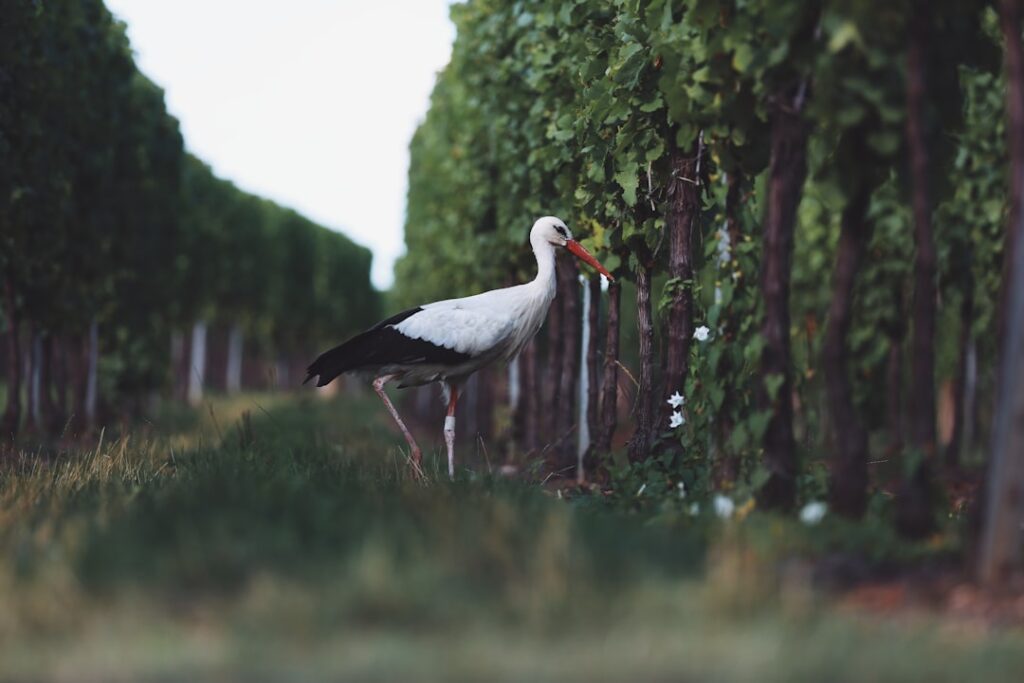
- The setting of the book is the picturesque region of Tuscany, known for its rolling hills, vineyards, and charming villages.
- The author’s personal journey is a central theme, as Mayes shares her experiences of falling in love with Tuscany and the challenges of adapting to a new culture.
- The renovation of Bramasole, the villa Mayes purchased, is a major focus of the book, highlighting the restoration process and the transformation of the property.
- The culinary delights of Tuscany are celebrated in the book, with vivid descriptions of local dishes, fresh ingredients, and the joy of cooking and dining in the Italian countryside.
The Setting of the Book
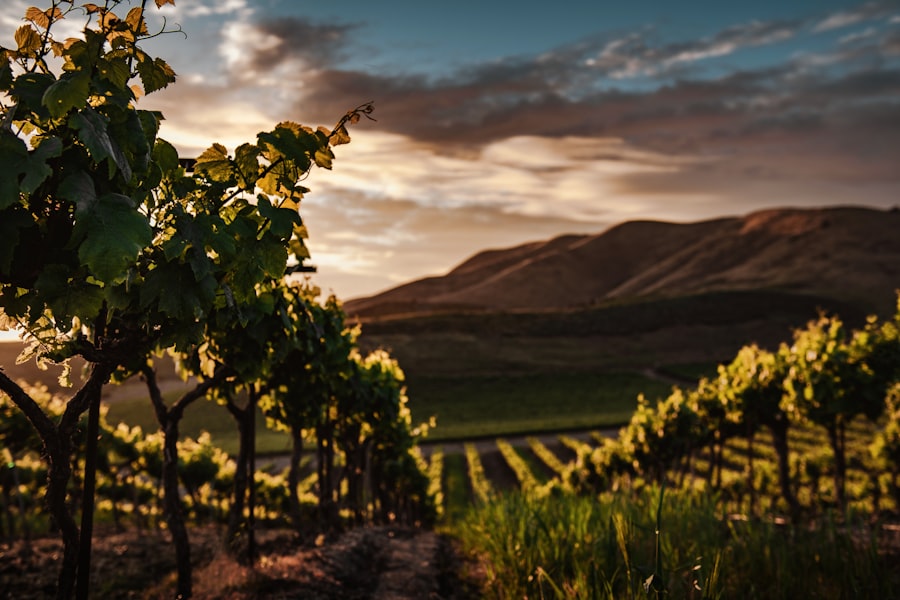
Tuscany serves as more than just a backdrop for Mayes’ story; it is a character in its own right. The region is renowned for its rolling hills, vineyards, and olive groves, creating a landscape that is both idyllic and evocative. Mayes paints a vivid picture of the Tuscan countryside, describing the golden hues of the fields during sunset and the vibrant colors of wildflowers that dot the landscape.
The natural beauty of Tuscany is intricately woven into her narrative, reflecting her deep appreciation for the environment and its ability to nurture the soul. The towns and villages that populate Tuscany also play a significant role in shaping Mayes’ experience.
Mayes captures the essence of these places through her interactions with locals, who embody the spirit of community and tradition. The setting becomes a source of inspiration for her writing, as she finds solace in the simplicity of rural life and the connections she forms with those around her.
The Author’s Personal Journey
Frances Mayes’ personal journey is at the heart of “Under the Tuscan Sun.” Initially grappling with feelings of loss and disconnection after a divorce, she embarks on a quest for renewal and self-acceptance. The decision to buy Bramasole represents not only a physical relocation but also an emotional rebirth. As she immerses herself in the rhythms of Italian life, Mayes begins to rediscover her passions and reconnect with her sense of purpose.
Throughout her memoir, Mayes reflects on her past experiences and how they have shaped her identity. She candidly shares her struggles with loneliness and uncertainty, allowing readers to empathize with her journey. The act of renovating Bramasole becomes a metaphor for her own transformation; as she breathes new life into the villa, she simultaneously revitalizes her spirit.
This parallel between physical restoration and emotional healing underscores the profound impact that place can have on one’s sense of self.
The Renovation of Bramasole
The renovation of Bramasole is a central theme in Mayes’ memoir, symbolizing both physical labor and emotional investment. When she first encounters the villa, it is in a state of disrepair, mirroring her own feelings of fragmentation. The process of restoring Bramasole becomes an act of love and dedication, as Mayes meticulously works to preserve its historical charm while infusing it with her own personality.
Mayes describes the challenges she faces during the renovation, from navigating bureaucratic hurdles to dealing with unexpected setbacks. Yet, these obstacles only serve to deepen her connection to the villa and its surroundings. She learns to appreciate the beauty in imperfection and embraces the slow pace of life in Tuscany.
The renovation process also fosters relationships with local artisans and craftsmen, who share their expertise and knowledge, further enriching her experience. As Bramasole transforms from a neglected property into a warm and inviting home, so too does Mayes undergo a metamorphosis. The villa becomes a sanctuary where she can reflect on her past while looking forward to new possibilities.
The act of creating a home in Tuscany symbolizes her commitment to embracing life fully and finding joy in everyday moments.
The Culinary Delights of Tuscany
Tuscany is renowned for its rich culinary heritage, and Mayes’ memoir celebrates this aspect with fervor. She delves into the region’s traditional dishes, highlighting the importance of fresh, locally sourced ingredients. From homemade pasta to robust wines, each meal becomes an opportunity for connection—both with the land and with others.
Mayes shares recipes that reflect her experiences in Tuscany, inviting readers to partake in the flavors that define this vibrant culture. The act of cooking becomes a ritual for Mayes, one that allows her to engage with her surroundings on a deeper level. She describes gathering ingredients from local markets, where vendors proudly display their produce and share stories about their origins.
This emphasis on community and tradition underscores the significance of food in Italian culture; meals are not merely sustenance but rather an expression of love and hospitality. Mayes also explores the concept of “la dolce vita,” or “the sweet life,” which permeates Tuscan culture. This philosophy encourages savoring life’s pleasures—whether through food, wine, or shared moments with loved ones.
As she embraces this mindset, Mayes finds joy in simple pleasures, transforming everyday activities into meaningful experiences. Her culinary adventures serve as a reminder that food has the power to nourish not only the body but also the soul.
Exploring the Tuscan Countryside
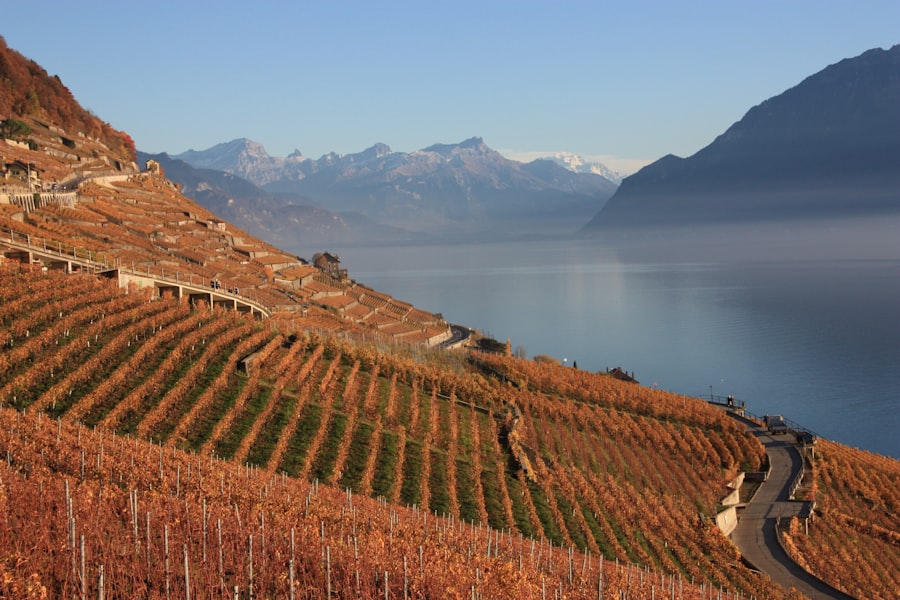
The Tuscan countryside is a tapestry of breathtaking landscapes that beckon exploration. Mayes takes readers on a journey through vineyards, olive groves, and charming hilltop towns that dot the region. Each excursion reveals hidden gems—quaint cafes serving espresso, ancient churches steeped in history, and panoramic views that inspire awe.
Through her vivid descriptions, readers can almost feel the warmth of the sun on their skin and hear the rustle of leaves in the gentle breeze. Mayes emphasizes the importance of slowing down and immersing oneself in nature during these explorations. She encourages readers to wander off the beaten path, discovering lesser-known locales that offer authentic experiences away from tourist crowds.
Whether hiking through scenic trails or cycling along winding roads, each adventure becomes an opportunity for reflection and connection with both nature and oneself. The beauty of Tuscany lies not only in its landscapes but also in its rich cultural heritage. Mayes encounters local festivals that celebrate age-old traditions, providing insight into the customs that shape daily life in this region.
These experiences deepen her appreciation for Italian culture and foster a sense of belonging as she becomes part of a larger narrative woven through time.
The Influence of Italian Culture
Italian culture permeates every aspect of Mayes’ experience in Tuscany, shaping her worldview and enriching her understanding of life. From art to architecture, music to literature, Italy’s cultural legacy is vast and profound. Mayes reflects on how these influences inspire her creativity as a writer and deepen her connection to her surroundings.
Art plays a significant role in Mayes’ journey; she visits museums housing masterpieces by renowned artists such as Michelangelo and Botticelli. These encounters ignite her passion for beauty and creativity, prompting her to explore her own artistic inclinations. The architecture of Tuscany—characterized by its rustic charm—also captivates her imagination.
She finds inspiration in the intricate details of ancient buildings and churches that tell stories of generations past. Moreover, Italian culture emphasizes community and relationships, which resonate deeply with Mayes as she navigates her new life in Tuscany. She forms friendships with locals who embody warmth and generosity, teaching her valuable lessons about connection and hospitality.
This sense of belonging fosters a profound appreciation for shared experiences—whether through communal meals or lively conversations over wine—reminding Mayes that life is best lived in connection with others.
Legacy of Under the Tuscan Sun
“Under the Tuscan Sun” has left an indelible mark on readers around the world since its release. Its themes of renewal, self-discovery, and appreciation for life’s simple pleasures resonate universally, inspiring countless individuals to seek their own adventures abroad or embrace change within their lives. The memoir has sparked interest in Tuscany as a travel destination, leading many to explore its enchanting landscapes and rich culture firsthand.
Mayes’ narrative has also contributed to a broader conversation about the importance of place in shaping identity. Her reflections on how environment influences personal growth encourage readers to consider their own relationships with their surroundings. The book serves as a reminder that home can be found not only in physical spaces but also within oneself—a notion that continues to inspire those seeking solace or transformation.
In addition to its literary impact, “Under the Tuscan Sun” has inspired adaptations across various media platforms, including film adaptations that capture its essence while introducing new audiences to Tuscany’s allure. The enduring popularity of Mayes’ memoir speaks to its timeless themes and relatable experiences—an invitation for readers to embark on their own journeys toward self-discovery amidst life’s uncertainties.
If you enjoyed reading Under the Tuscan Sun by Frances Mayes, you may also be interested in checking out the article Hello World on Hellread. This article may provide a different perspective on travel and self-discovery, similar to the themes explored in Mayes’ book. Explore more thought-provoking content on Hellread by visiting their website at https://hellread.com/.
FAQs
What is “Under the Tuscan Sun” by Frances Mayes about?
“Under the Tuscan Sun” is a memoir by Frances Mayes that recounts her experiences of buying, renovating, and living in an abandoned villa in the Tuscan countryside. The book also explores Mayes’ love for Italian culture, food, and the beauty of the Tuscan landscape.
When was “Under the Tuscan Sun” published?
“Under the Tuscan Sun” was first published in 1996.
Is “Under the Tuscan Sun” a work of fiction or non-fiction?
“Under the Tuscan Sun” is a work of non-fiction. It is a memoir based on Frances Mayes’ personal experiences.
Has “Under the Tuscan Sun” been adapted into a film?
Yes, “Under the Tuscan Sun” was adapted into a film in 2003, starring Diane Lane. The film adaptation follows the basic premise of the book but differs in some details.
What themes are explored in “Under the Tuscan Sun”?
“Under the Tuscan Sun” explores themes of travel, adventure, home renovation, cultural immersion, and the beauty of the Italian countryside. Frances Mayes also reflects on personal growth and the healing power of nature.