

In the contemporary business landscape, a well-defined data strategy is not merely an asset; it is a necessity. Organizations are inundated with vast amounts of data generated from various sources, including customer interactions, market trends, and operational processes. A robust data strategy provides a framework for collecting, managing, and utilizing this data effectively.
It aligns data initiatives with business objectives, ensuring that data serves as a strategic asset rather than a byproduct of operations. Companies that prioritize a coherent data strategy can gain insights that drive innovation, enhance customer experiences, and improve operational efficiencies. Moreover, a comprehensive data strategy enables organizations to navigate the complexities of data governance and compliance.
With regulations such as the General Data Protection Regulation (GDPR) and the California Consumer Privacy Act (CCPA) imposing stringent requirements on data handling, businesses must ensure that their data practices are not only effective but also compliant. A well-structured data strategy incorporates these regulatory considerations into its framework, allowing organizations to mitigate risks associated with data breaches and non-compliance. By establishing clear guidelines for data usage and management, companies can foster trust with their customers and stakeholders, ultimately enhancing their reputation in the marketplace.
Key Takeaways
- A well-defined data strategy is crucial for organizations to make informed decisions and gain a competitive edge in the market.
- Leveraging big data can help businesses identify trends, patterns, and insights that can drive business success and innovation.
- Analytics play a key role in decision-making by providing valuable insights and predictions based on data analysis.
- The Internet of Things presents opportunities for businesses to collect and analyze real-time data for improved operational efficiency and customer experience.
- Implementing a data-driven culture within an organization is essential for fostering innovation, collaboration, and informed decision-making.
Leveraging Big Data for Business Success
Big Data has transformed the way businesses operate, offering unprecedented opportunities for growth and innovation. The sheer volume, velocity, and variety of data available today enable organizations to uncover patterns and insights that were previously unattainable. For instance, retail giants like Amazon utilize big data analytics to personalize shopping experiences for their customers.
By analyzing browsing history, purchase patterns, and customer reviews, they can recommend products tailored to individual preferences, thereby increasing sales and customer satisfaction. In the healthcare sector, big data is revolutionizing patient care and operational efficiency. Hospitals and healthcare providers are harnessing vast datasets from electronic health records (EHRs), wearable devices, and genomic research to improve patient outcomes.
For example, predictive analytics can identify patients at risk of developing chronic conditions, allowing for early intervention and personalized treatment plans. This not only enhances patient care but also reduces costs associated with hospital readmissions and emergency interventions. The ability to leverage big data effectively can thus lead to significant competitive advantages across various industries.
Harnessing the Power of Analytics for Decision Making
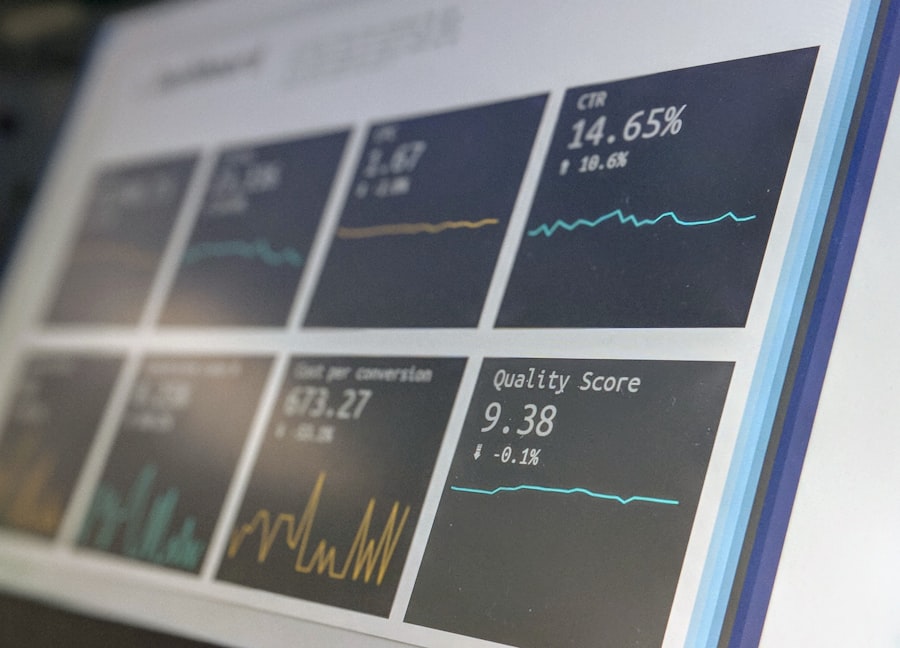
Analytics serves as the backbone of informed decision-making in today’s data-driven environment. By employing advanced analytical techniques such as predictive modeling, machine learning, and data visualization, organizations can transform raw data into actionable insights. For instance, financial institutions utilize analytics to assess credit risk by analyzing historical transaction data and customer behavior patterns.
This enables them to make more accurate lending decisions while minimizing defaults. Furthermore, analytics empowers businesses to optimize their operations by identifying inefficiencies and areas for improvement. In manufacturing, companies can implement predictive maintenance strategies by analyzing equipment performance data to foresee potential failures before they occur.
This proactive approach not only reduces downtime but also extends the lifespan of machinery, leading to substantial cost savings. The integration of analytics into decision-making processes fosters a culture of continuous improvement and innovation within organizations.
Maximizing Opportunities with the Internet of Things
The Internet of Things (IoT) has emerged as a transformative force across various sectors, enabling businesses to collect real-time data from interconnected devices. This technology facilitates enhanced monitoring and control over operations, leading to improved efficiency and productivity. For example, smart manufacturing systems equipped with IoT sensors can monitor machinery performance in real-time, allowing for immediate adjustments to optimize production processes.
This level of automation not only increases output but also minimizes waste and energy consumption. In the realm of consumer products, IoT devices are reshaping customer engagement strategies. Smart home devices like thermostats and security systems collect user data to provide personalized experiences.
Companies can analyze this data to understand consumer preferences better and develop targeted marketing campaigns that resonate with their audience. Additionally, IoT enables businesses to create new revenue streams through subscription models or value-added services based on real-time usage data. By maximizing opportunities presented by IoT technology, organizations can stay ahead of the competition and drive sustainable growth.
Implementing a Data-Driven Culture within Your Organization
Creating a data-driven culture is essential for organizations aiming to leverage their data assets effectively. This cultural shift requires buy-in from all levels of the organization, starting from leadership down to individual employees. Leaders must champion the importance of data in decision-making processes and encourage teams to adopt a mindset that values evidence-based insights over intuition or anecdotal evidence.
Training programs focused on data literacy can empower employees with the skills needed to interpret and analyze data effectively. Moreover, fostering collaboration between departments is crucial in breaking down silos that often hinder effective data utilization. Cross-functional teams can work together to share insights and best practices, leading to more comprehensive analyses and innovative solutions.
For instance, marketing teams can collaborate with sales departments to analyze customer feedback and sales performance data, resulting in more effective campaigns that drive revenue growth. By embedding a data-driven culture into the organizational fabric, companies can enhance agility and responsiveness in an ever-evolving business landscape.
Overcoming Challenges in Data Management

Despite the immense potential of data-driven strategies, organizations often face significant challenges in managing their data effectively. One of the primary obstacles is the sheer volume of data generated daily, which can overwhelm existing systems and processes. Many organizations struggle with data quality issues, where inaccurate or incomplete information can lead to misguided decisions.
Implementing robust data governance frameworks is essential for ensuring that data remains accurate, consistent, and reliable across the organization. Another challenge lies in integrating disparate data sources into a cohesive system that provides a holistic view of operations. Organizations often operate in silos, with different departments using separate systems that do not communicate effectively with one another.
This fragmentation can hinder comprehensive analysis and limit insights derived from the data. To address this issue, businesses must invest in advanced integration tools and platforms that facilitate seamless data sharing across departments. By overcoming these challenges in data management, organizations can unlock the full potential of their data assets.
Ensuring Data Security and Privacy
As organizations increasingly rely on data for strategic decision-making, ensuring its security and privacy has become paramount. Data breaches can have devastating consequences, including financial losses, reputational damage, and legal repercussions.
This includes employing encryption technologies, firewalls, and intrusion detection systems to safeguard data both at rest and in transit. In addition to technical safeguards, organizations must also prioritize employee training on data security best practices. Human error remains one of the leading causes of data breaches; therefore, educating employees about phishing attacks, password management, and safe browsing habits is crucial in creating a security-conscious culture.
Furthermore, compliance with regulations such as GDPR requires organizations to implement strict protocols for handling personal data.
Future Trends in Data Strategy and Technology
The future of data strategy is poised for significant evolution as emerging technologies continue to reshape the landscape. Artificial intelligence (AI) and machine learning are at the forefront of this transformation, enabling organizations to automate complex processes and derive deeper insights from their data. As these technologies advance, businesses will increasingly rely on AI-driven analytics tools that can predict trends and behaviors with remarkable accuracy.
Additionally, the rise of edge computing is set to revolutionize how organizations process and analyze data generated by IoT devices. By processing data closer to its source rather than relying solely on centralized cloud systems, businesses can achieve faster response times and reduce latency issues associated with real-time applications. This shift will empower organizations to make quicker decisions based on immediate insights derived from their operational environments.
Moreover, as ethical considerations surrounding data usage gain prominence, organizations will need to adopt transparent practices that prioritize consumer privacy while still leveraging valuable insights for business growth. The integration of ethical frameworks into data strategies will become increasingly important as consumers demand greater accountability from businesses regarding how their personal information is handled. In conclusion, as we look ahead at the future trends in data strategy and technology, it is clear that organizations must remain agile and adaptable in order to harness the full potential of their data assets while navigating an ever-changing landscape marked by rapid technological advancements and evolving consumer expectations.
If you are interested in learning more about data strategy and its impact on the world, you may want to check out the article “Hello World” on Hellread.com. This article discusses the importance of data in today’s society and how it is shaping our future. It provides valuable insights into how businesses can leverage data to drive profits and stay ahead of the competition. To read more about this topic, click here.
FAQs
What is a data strategy?
A data strategy is a plan that outlines how an organization will collect, manage, analyze, and use data to achieve its business objectives. It involves defining the types of data needed, the technologies and processes required to handle the data, and the goals for leveraging data to drive business success.
Why is a data strategy important?
A data strategy is important because it helps organizations make informed decisions, improve operational efficiency, and gain a competitive advantage. It enables businesses to harness the power of big data, analytics, and the Internet of Things to drive innovation, improve customer experiences, and optimize business processes.
What are the key components of a data strategy?
Key components of a data strategy include defining data governance and data management practices, identifying data sources and data quality requirements, establishing data analytics and business intelligence capabilities, and aligning data initiatives with business goals.
How can organizations profit from a data strategy?
Organizations can profit from a data strategy by using data to identify new revenue streams, improve customer retention, optimize operations, and drive innovation. A well-executed data strategy can lead to cost savings, improved decision-making, and a better understanding of customer needs and market trends.
What are some challenges in implementing a data strategy?
Challenges in implementing a data strategy include data security and privacy concerns, data silos and integration issues, talent shortages in data analytics and data science, and the need for cultural and organizational change to embrace a data-driven mindset. Additionally, managing the volume, velocity, and variety of data generated by the Internet of Things can be a challenge.




