

In the contemporary business landscape, data science has emerged as a pivotal discipline that integrates statistical analysis, machine learning, and data visualization to extract meaningful insights from vast amounts of data. Organizations across various sectors are increasingly recognizing the value of data-driven decision-making, which allows them to enhance operational efficiency, improve customer experiences, and drive innovation. The convergence of technology and data has not only transformed traditional business models but has also paved the way for new opportunities and challenges.
As businesses strive to remain competitive in an ever-evolving market, understanding the fundamentals of data science becomes essential. Data science encompasses a wide array of techniques and methodologies that enable businesses to analyze historical data, identify trends, and make predictions about future outcomes. This analytical approach is not limited to large corporations; small and medium-sized enterprises are also leveraging data science to gain insights that were previously inaccessible.
By harnessing the power of data, organizations can make informed decisions that align with their strategic goals, ultimately leading to enhanced profitability and sustainability. The integration of data science into business practices is not merely a trend; it represents a fundamental shift in how organizations operate and compete.
Key Takeaways
- Data science is a powerful tool for businesses to gain insights and make informed decisions.
- Data plays a crucial role in business decision making, from identifying trends to predicting customer behavior.
- Data quality and preprocessing are essential for accurate and reliable analysis in data science.
- Predictive modeling and machine learning can help businesses forecast trends and make strategic decisions.
- Evaluating and interpreting data science results is important for understanding the impact on business operations and outcomes.
The Role of Data in Business Decision Making
Data plays a crucial role in shaping business strategies and guiding decision-making processes. In an era where information is abundant, the ability to analyze and interpret data effectively can distinguish successful companies from their competitors. Businesses utilize various types of data—ranging from customer demographics and purchasing behavior to market trends and operational metrics—to inform their decisions.
For instance, a retail company may analyze sales data to identify which products are performing well and which are underperforming, allowing them to adjust inventory levels accordingly. Moreover, the integration of real-time data analytics has revolutionized how businesses respond to market changes. Companies can now monitor customer interactions and feedback instantaneously, enabling them to adapt their strategies on the fly.
For example, a restaurant chain might use data analytics to track customer preferences and adjust its menu offerings based on seasonal trends or emerging dietary preferences. This agility not only enhances customer satisfaction but also fosters loyalty, as businesses demonstrate their responsiveness to consumer needs.
The Importance of Data Quality and Preprocessing

While the potential of data science is immense, the quality of the data being analyzed is paramount. Poor-quality data can lead to misleading conclusions and ultimately result in flawed business decisions. Data quality encompasses several dimensions, including accuracy, completeness, consistency, and timeliness.
Organizations must ensure that the data they collect is reliable and relevant to their objectives. For instance, if a company relies on outdated customer information for targeted marketing campaigns, it risks alienating potential customers and wasting resources. Preprocessing is a critical step in the data science workflow that involves cleaning and transforming raw data into a usable format.
This process may include handling missing values, removing duplicates, and normalizing data to ensure consistency across datasets. For example, a financial institution analyzing loan applications may need to preprocess its data by standardizing income figures reported in different formats or currencies. By investing time and resources into data preprocessing, businesses can significantly enhance the accuracy of their analyses and the reliability of their insights.
Predictive Modeling and Machine Learning for Business
Predictive modeling is one of the most powerful applications of data science in business. By utilizing historical data to build models that forecast future outcomes, organizations can make proactive decisions that mitigate risks and capitalize on opportunities. Machine learning algorithms play a vital role in this process by enabling systems to learn from data patterns without being explicitly programmed.
For instance, e-commerce platforms often employ machine learning algorithms to recommend products based on users’ browsing history and purchase behavior. A practical example of predictive modeling can be seen in the insurance industry, where companies use historical claims data to predict the likelihood of future claims for individual policyholders. By analyzing factors such as age, driving history, and geographic location, insurers can tailor their offerings and pricing strategies accordingly.
This not only helps in risk assessment but also enhances customer satisfaction by providing personalized services. As machine learning techniques continue to evolve, businesses are increasingly able to harness complex algorithms that improve predictive accuracy and drive better decision-making.
Evaluating and Interpreting Data Science Results
The evaluation of data science results is a critical component of the analytical process. It involves assessing the performance of models and determining their effectiveness in achieving business objectives. Various metrics can be employed to evaluate model performance, such as accuracy, precision, recall, and F1 score.
For instance, a marketing team may use these metrics to assess the effectiveness of a customer segmentation model designed to target specific demographics with tailored campaigns. Interpreting the results of data analyses requires not only technical expertise but also an understanding of the business context. Stakeholders must be able to translate complex statistical findings into actionable insights that inform strategic decisions.
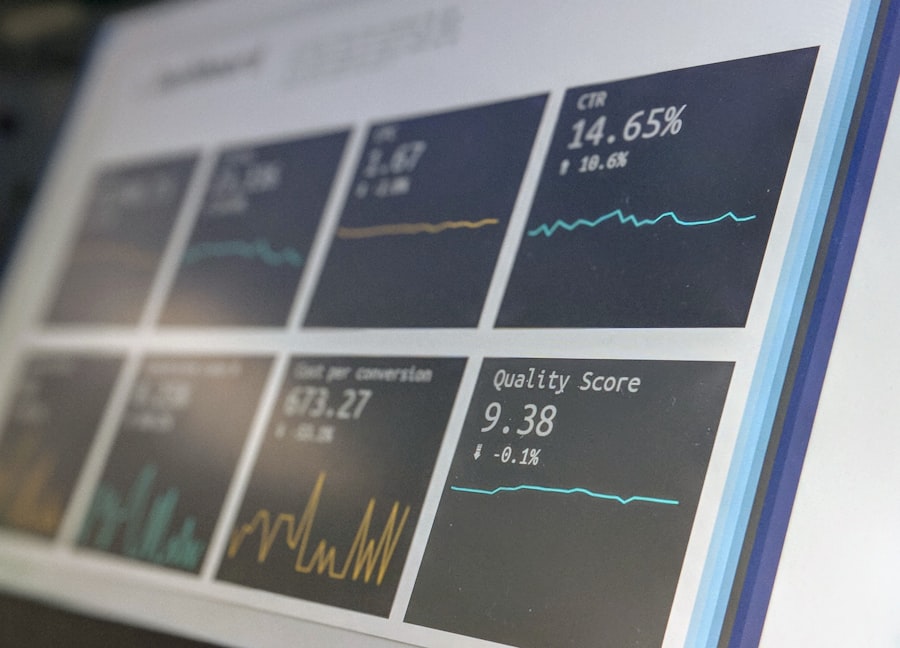
Visualization tools play a significant role in this process by presenting data in an easily digestible format. For example, dashboards that display key performance indicators (KPIs) allow executives to quickly grasp trends and make informed decisions based on real-time data. Ultimately, effective evaluation and interpretation of data science results empower organizations to leverage insights for continuous improvement.
Ethical and Privacy Considerations in Data Science
Compliance with Regulations
Companies must ensure compliance with regulations such as the General Data Protection Regulation (GDPR) in Europe, which mandates strict guidelines for data collection and processing.
Addressing Algorithmic Bias
Ethical considerations also extend to algorithmic bias, where machine learning models may inadvertently perpetuate existing biases present in training data. For example, if a hiring algorithm is trained on historical hiring practices that favored certain demographics over others, it may inadvertently discriminate against qualified candidates from underrepresented groups.
Mitigating Risks through Ethical Frameworks
To mitigate these risks, organizations must implement robust ethical frameworks that prioritize fairness and inclusivity in their data practices. This includes conducting regular audits of algorithms and ensuring diverse representation in training datasets.
Implementing Data Science in Business Operations
The successful implementation of data science within business operations requires a strategic approach that aligns with organizational goals. Companies must foster a culture that values data-driven decision-making at all levels. This involves investing in training programs that equip employees with the necessary skills to analyze and interpret data effectively.
For instance, organizations may offer workshops on data visualization tools or statistical analysis techniques to empower teams across departments. Collaboration between cross-functional teams is also essential for effective implementation. Data scientists must work closely with domain experts who understand the nuances of specific business areas.
For example, a retail company may benefit from collaboration between its marketing team and data scientists to develop targeted campaigns based on customer insights derived from analytics. By breaking down silos and promoting interdisciplinary collaboration, organizations can maximize the impact of their data science initiatives.
The Future of Data Science in Business
The future of data science in business is poised for significant evolution as technological advancements continue to reshape the landscape. Emerging technologies such as artificial intelligence (AI), natural language processing (NLP), and big data analytics are set to enhance the capabilities of data scientists and expand the scope of applications across industries.
Moreover, as businesses continue to generate vast amounts of data from various sources—including IoT devices, social media platforms, and online transactions—the demand for advanced analytics will only grow. Organizations will need to invest in scalable infrastructure capable of processing large datasets efficiently while ensuring compliance with evolving privacy regulations. The integration of cloud computing solutions will facilitate this scalability by providing flexible resources for storing and analyzing data.
As we look ahead, it is clear that organizations that embrace data science as a core component of their strategy will be better positioned to navigate an increasingly complex business environment. The ability to harness insights from data will not only drive operational efficiency but also foster innovation and create competitive advantages in an ever-changing marketplace.
If you are interested in learning more about data science and its applications in business, you may want to check out the article “Hello World” on Hellread.com. This article provides a beginner’s guide to understanding the basics of data science and how it can be used to drive business decisions. It complements the concepts discussed in “Data Science for Business” by Foster Provost and Tom Fawcett, offering a practical perspective on the subject. You can read the article here.
FAQs
What is data science for business?
Data science for business is the application of data science techniques and methodologies to solve business problems, make data-driven decisions, and drive business growth and innovation.
What are the key components of data science for business?
The key components of data science for business include data collection, data cleaning and preprocessing, exploratory data analysis, predictive modeling, and model deployment and monitoring.
How is data science used in business?
Data science is used in business to analyze customer behavior, optimize marketing strategies, improve operational efficiency, forecast sales and demand, detect fraud, and make data-driven decisions across various business functions.
What are the benefits of using data science in business?
The benefits of using data science in business include improved decision-making, better understanding of customer needs and preferences, increased operational efficiency, cost savings, and competitive advantage in the market.
What are some common data science techniques used in business?
Common data science techniques used in business include regression analysis, classification algorithms, clustering, time series analysis, natural language processing, and machine learning.
How can businesses implement data science effectively?
Businesses can implement data science effectively by investing in data infrastructure, hiring skilled data scientists, fostering a data-driven culture, and integrating data science into their decision-making processes and business strategies.




